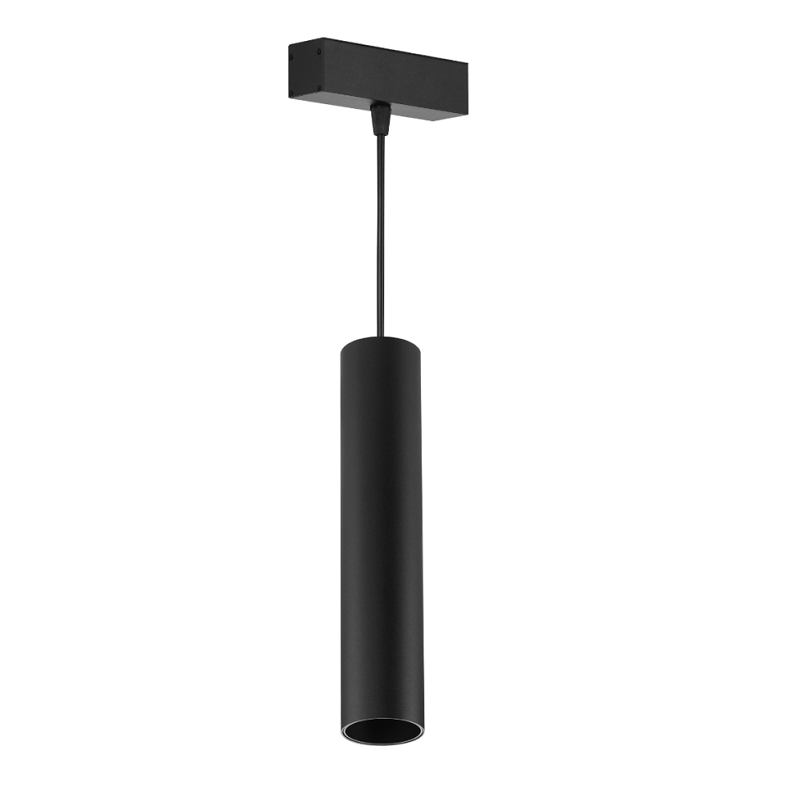
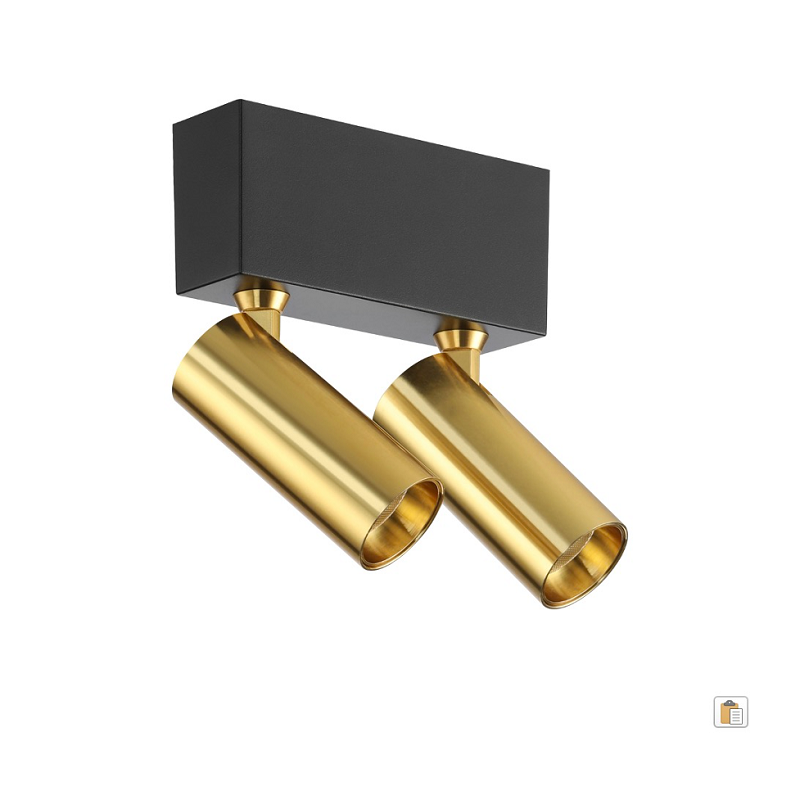
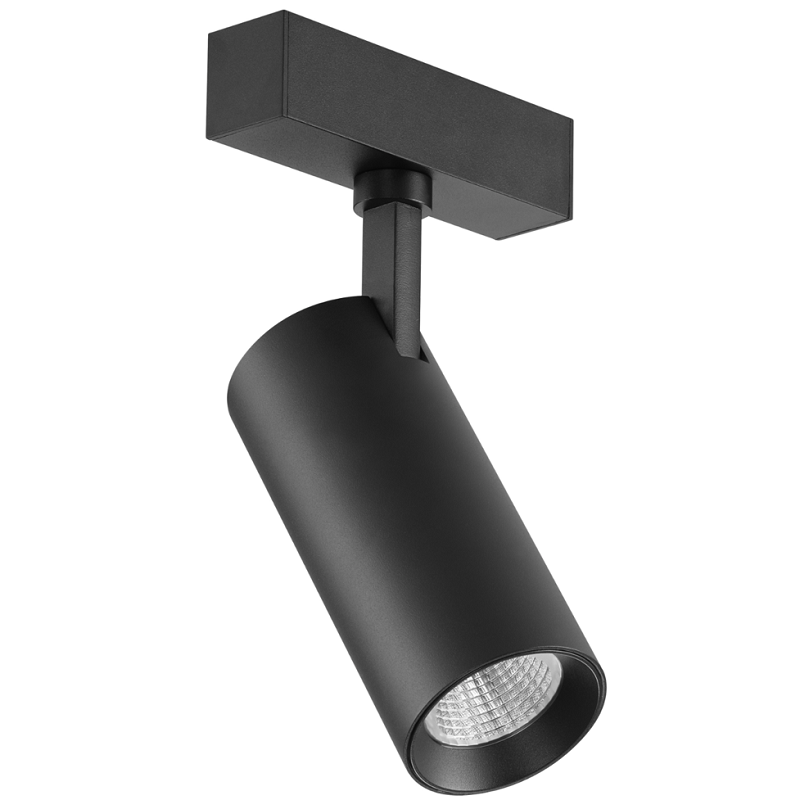
Office, Advertising and Exhibition Lighting
Source premium Office, Advertising and Exhibition Lighting from vetted manufacturers and suppliers in Asia. Built for commercial importers, lighting distributors, and brands requiring reliable OEM, ODM, or private-label production at scale.
Sourcing commercial lighting requires balancing optical performance, energy efficiency, and strict regulatory compliance. Whether you are importing unified glare-rated (UGR) panels for corporate office build-outs or high-CRI track systems for retail and exhibition displays, the margin for error is slim. Inconsistent LED binning, subpar thermal management, or failing power drivers can lead to catastrophic failure rates in the field, damaging your brand's reputation and eating into project margins.
Critical Specifications for Commercial Lighting
When negotiating with lighting manufacturers, the bill of materials (BOM) dictates both the lifespan and the optical quality of the fixture. Relying on superficial wattage and lumen claims is a fast track to inconsistent shipments.
Component Selection and Optical Performance
The core of any commercial luminaire lies in its LED chips, driver, and optical materials.
- LED Chip Binning: Color consistency across hundreds of fixtures is mandatory for exhibition and office spaces. Specify the MacAdam ellipse step (SDCM). For high-end retail or gallery applications, insist on a 3-step MacAdam ellipse. For general office lighting, 5-step is often acceptable.
- Color Rendering Index (CRI): Office environments typically require a CRI of 80+, while advertising, retail, and exhibition lighting demand a CRI of 90+ to accurately render product colors.
- Driver Quality: The driver is the most common point of failure. Specify recognized brands (like Mean Well, Osram, Tridonic, or Lifud) or require strict MTBF (Mean Time Between Failures) documentation for generic drivers. Ensure the driver supports the required dimming protocols (DALI, 0-10V, or Triac) without visible flicker.
Need help verifying supplier BOMs and technical specifications?
Discuss your project specsThe LGP Material Trap in Panel Lights
For edge-lit office panels and advertising light boxes, the Light Guide Plate (LGP) material is critical. Many budget suppliers quietly substitute premium materials with cheaper alternatives to win on price, resulting in fixtures that turn yellow within a year.
| LGP Material | Lifespan | Cost Impact | Risk of Yellowing |
|---|---|---|---|
| PMMA (Acrylic) | 5 to 10 years | Premium | Very Low |
| PC (Polycarbonate) | 3 to 5 years | Moderate | Low |
| PS (Polystyrene) | 1 to 2 years | Economy | High |
Manufacturing Quality and Factory Audits
The lighting manufacturing hub in China is heavily concentrated in Guangdong province (Zhongshan, Shenzhen, and Jiangmen) and Zhejiang province (Ningbo). While the supplier base is vast, factory capabilities vary wildly from basic assembly workshops to fully automated, dust-free production lines.
Before committing to a high-volume order, conducting Factory Audits is essential to verify the supplier's actual production capacity and testing infrastructure.
Essential Factory Floor Checks
- Integrating Sphere Testing: Verify the factory has calibrated equipment to test lumens, CRI, and color temperature.
- Aging Lines: Ensure a mandatory 12 to 24-hour burn-in testing process for all finished fixtures to catch early driver failures.
- Thermal Management: Check that heat sink assemblies use adequate thermal paste and that aluminum extrusion profiles match the approved weight.
- Dust-Free Assembly: Critical for advertising light boxes and optical lenses to prevent trapped particles from creating shadows.
Thorough Quality Control & Inspection during production and pre-shipment is your last line of defense against receiving non-compliant or defective goods.
Compliance and Certification Realities
Commercial lighting is highly regulated. Customs authorities and local building inspectors will reject fixtures lacking proper certification. Relying on a supplier's generic "CE" mark is risky, as many test reports are outdated, fabricated, or apply only to the LED chip rather than the finished luminaire.
- North America: UL or ETL listing is generally required by building codes. DLC (DesignLights Consortium) certification is highly desirable for office lighting, as it allows end-users to claim utility rebates.
- Europe: CE (LVD and EMC directives) and RoHS are mandatory. ENEC certification provides a higher level of verified compliance for commercial projects.
Navigating these requirements often requires third-party Compliance & Testing to ensure your specific SKU is legally ready for your target market.
Pricing, MOQs, and Lead Times
Pricing in the commercial lighting sector is directly tied to aluminum commodity prices, LED chip market fluctuations, and driver selection.
For businesses developing proprietary designs, engaging in OEM/ODM Services allows you to control the intellectual property of the heat sink design and optical lenses. Be prepared to invest in mold fees, which are often refundable after a certain order volume is reached.
Looking to negotiate better terms or develop a custom lighting line?
Talk to our teamFrequently Asked Questions
Successfully sourcing office, advertising, and exhibition lighting requires moving past basic aesthetics to rigorously manage the underlying electronics and optical materials. By locking down the BOM, mandating strict aging tests, and independently verifying compliance documentation, you can secure high-performance luminaires that deliver long-term reliability.
Get Sourcing Help for Office, Advertising and Exhibition Lighting
Tell us your requirements and our experts will connect you with verified manufacturers.