Obstetrics, Gynecology & Birth Control
Source professional-grade Obstetrics, Gynecology & Birth Control products from vetted manufacturers and wholesale suppliers. Designed for medical importers, distributors, and brands seeking reliable OEM and private-label production, our network delivers high-volume medical devices meeting rigorous global compliance standards.
Sourcing obstetrics, gynecology, and birth control devices requires navigating a complex matrix of biocompatibility standards, cleanroom manufacturing protocols, and rigorous sterilization validation. Whether you are procuring single-use consumables, long-acting reversible contraceptives, or surgical instrumentation, the fundamental challenge remains the same: ensuring zero-defect production while managing unit costs at scale.
Material Specifications and Manufacturing Precision
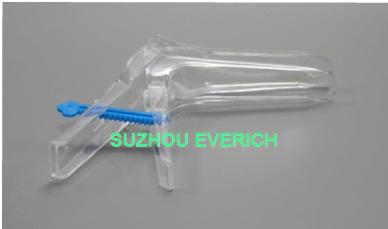
The physical properties of OB/GYN devices directly impact patient safety and clinical efficacy. For flexible devices like pessaries, menstrual cups, or cervical dilators, Liquid Silicone Rubber (LSR) injection molding is the industry standard due to its superior biocompatibility (ISO 10993 compliance) and tear resistance. For rigid, single-use instruments such as vaginal speculums, medical-grade polystyrene or polycarbonate provides the necessary optical clarity and structural rigidity without the risk of shattering under tension.
When developing custom devices or modifying existing designs, the choice of material dictates both your tooling investment and your sterilization options.
| Factor | Liquid Silicone Rubber (LSR) | Medical-Grade Polycarbonate |
|---|---|---|
| Primary OB/GYN Applications | Pessaries, cervical caps, soft dilators | Single-use speculums, rigid applicators |
| Sterilization Compatibility | Autoclave, Gamma Irradiation, EO Gas | EO Gas, Gamma Irradiation (with stabilizers) |
| Tooling Complexity & Cost | High (requires cold runner systems) | Moderate (standard injection molding) |
| Biocompatibility Profile | Excellent (hypoallergenic, inert) | Good (requires medical-grade certification) |
Quality Control and Cleanroom Standards
In the medical device sector, quality cannot be inspected into a product at the end of the line; it must be built into the manufacturing process. OB/GYN consumables intended for mucosal contact must be produced in controlled environments to minimize bioburden prior to sterilization.
When evaluating potential manufacturing partners, a standard ISO 9001 certificate is insufficient. Suppliers must hold a valid ISO 13485 certification for medical device quality management systems. Furthermore, production should occur in an ISO Class 7 or Class 8 (Class 10,000 or 100,000) cleanroom. Conducting rigorous Factory Audits is essential to verify these claims in person, ensuring the facility's HVAC filtration, gowning protocols, and material handling actually meet the documented standards.
Critical Factory Vetting Criteria for OB/GYN Devices
- Verify ISO 13485 certification scope matches the specific product category.
- Inspect cleanroom environmental monitoring logs (particulate counts, positive pressure).
- Confirm traceability systems for raw material batch tracking (e.g., medical resin lots).
- Review sterilization validation reports (e.g., EO gas residue dissipation records).
- Assess in-house testing capabilities for tensile strength and dimensional accuracy.
Validating a new medical device supplier? Let us verify their QMS and cleanroom certifications before you place your first order.
Talk to our teamSterilization and Compliance Testing
Sterilization is a critical bottleneck in the supply chain for sterile OB/GYN and birth control products. Ethylene Oxide (EO) is the most common method for single-use plastics. However, EO sterilization requires a mandatory aeration period to allow toxic gas residues to off-gas to safe levels (typically under 10 ppm, depending on regional regulations). This aeration period must be factored into your production lead times.
Navigating FDA 510(k), CE MDR (Medical Device Regulation), or other regional requirements necessitates comprehensive Compliance & Testing. Manufacturers should provide complete technical files, including accelerated aging tests for shelf-life validation and biological indicator (BI) test results from the sterilization process.
Buying Mechanics: MOQs, Pricing, and Lead Times
Volume requirements in this category vary dramatically based on the product's classification and manufacturing method. Single-use plastics demand high volumes to amortize setup costs, while specialized surgical instruments have lower thresholds.
If you are pursuing custom designs through OEM/ODM Services, expect an additional 30 to 45 days for mold design (DFM), tooling fabrication, and first-article approval. Negotiating mold ownership upfront is critical; ensure your contract explicitly states that you own the tooling and can transfer it if the supplier fails to meet quality standards.
Need to negotiate tooling costs or manage high-volume production schedules? We can help streamline your medical device sourcing.
Get a free consultationFrequently Asked Questions
Successfully sourcing OB/GYN and birth control products requires a rigorous approach to supplier selection and process control. By prioritizing facilities with proven medical-grade cleanrooms and robust sterilization protocols, you protect both your margins and the end-user. Quality in medical manufacturing is a discipline, and having experienced oversight on the ground ensures your standards are met on every production run.
Get Sourcing Help for Obstetrics, Gynecology & Birth Control
Tell us your requirements and our experts will connect you with verified manufacturers.