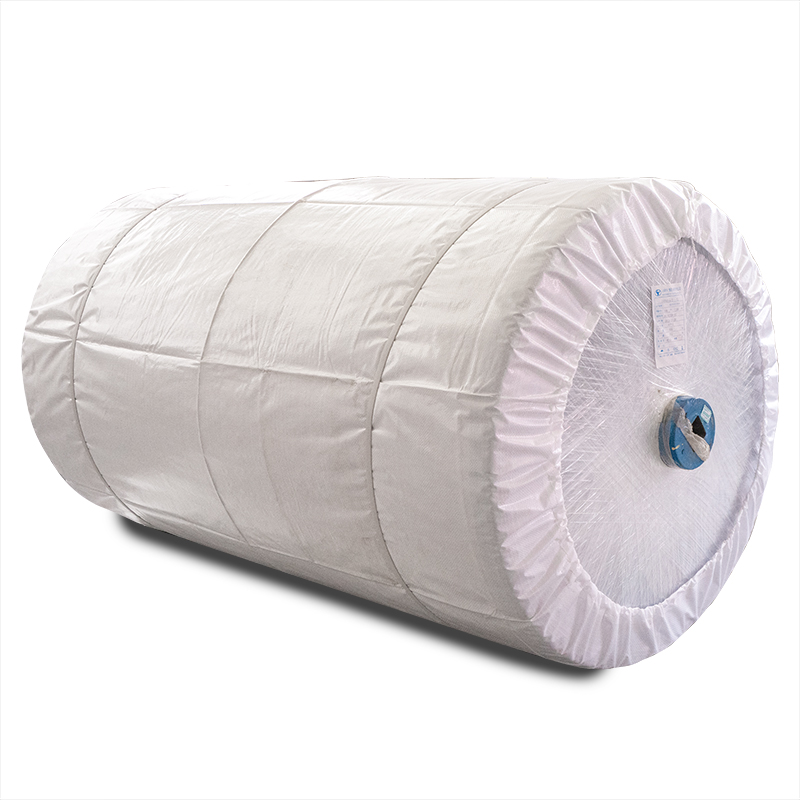
Nylon Fabric
Source high-quality Nylon Fabric from vetted suppliers and manufacturers across Asia. Designed for importers, wholesalers, and apparel brands seeking reliable bulk production or custom OEM manufacturing, our supplier network delivers consistent performance textiles for outerwear, activewear, and industrial applications.
Sourcing commercial-grade nylon fabric at scale requires precise control over yarn extrusion, weaving tension, and chemical finishing. Whether you are developing lightweight activewear, durable luggage, or heavy-duty industrial gear, the difference between a premium textile and a high-defect liability lies in the factory's ability to maintain consistency across massive dye lots and complex coating applications.
Defining Your Nylon Fabric Specifications
Before engaging a textile mill, your technical pack must clearly define the structural and chemical requirements of the fabric. Vague specifications lead to inconsistent tensile strength, varying hand-feel between batches, and performance failures in the field.
- Yarn Polymer: Nylon 6 is the standard choice, offering a softer hand-feel and excellent dyeability. Nylon 6,6 provides higher tenacity, better heat resistance, and increased durability, making it ideal for tactical and industrial applications.
- Denier (D) and Thread Count (T): The weight and durability of the fabric are dictated by the yarn thickness. Ultralight apparel typically utilizes 10D to 20D yarns, while heavy-duty bags and outdoor gear require 500D to 1000D constructions.
- Weave Structure: Common structures include Taffeta (plain weave), Oxford (basket weave for durability), Twill, and Ripstop (incorporating a heavier reinforcement thread in a crosshatch pattern to prevent tearing).
| Specification | Nylon 6 | Nylon 6,6 |
|---|---|---|
| Tensile Strength | Standard | High (Industrial grade) |
| Dyeability | Excellent color yield | Requires specialized dyes |
| Abrasion Resistance | Good | Exceptional |
| Cost Profile | Baseline | Premium |
Functional Finishes and Coatings
Coating and finishing are where nylon fabric gains its specific functional properties. If your product requires weather resistance, you must specify the exact hydrostatic head rating (in millimeters) for waterproofness. Additionally, define the type of Durable Water Repellent (DWR) required—such as traditional C6 or environmentally preferred, fluorine-free C0 formulations. For waterproof-breathable applications, specify whether you need a Polyurethane (PU) coating or a laminated TPU membrane.
Struggling to match a specific fabric hand-feel or performance spec? Let us handle the mill negotiations and technical sampling.
Talk to our textile expertsQuality Control on the Factory Floor
While the weaving process is largely automated, dyeing and finishing are highly sensitive to environmental factors, chemical mixing, and machine calibration. Partnering with mills that maintain strict internal controls is critical. If you are managing your own product sourcing, you must look beyond the initial swatch sample and evaluate the mill's continuous production capabilities.
Critical Inspection Points for Nylon Production
- Colorfastness: Testing resistance to washing, rubbing (crocking), and light exposure.
- Coating adhesion: Checking for PU/TPU delamination, uneven application, or 'milky' spots.
- Weaving defects: Catching slubs, missing picks, or uneven tension across the roll.
- Width consistency: Ensuring the usable edge-to-edge width matches the contracted specifications.
Catching these defects requires rigorous quality control and inspection before the fabric is rolled and shipped. Once coated nylon is cut by your garment or product manufacturer, you own the material defects.
Depending on your target market, the fabric may also need to pass REACH (EU) or CPSIA (US) standards, particularly regarding azo dyes and PFAS restrictions in water-repellent finishes. Integrating proper compliance testing at certified third-party laboratories into your production timeline is essential to avoid customs delays or product recalls.
Wholesale Pricing, MOQs, and Lead Times
Nylon fabric pricing fluctuates with global crude oil prices (as caprolactam is a petroleum derivative), yarn denier, weave complexity, and the specific chemical finishes applied.
Lead times are heavily dependent on the availability of greige (raw, undyed fabric). If a mill holds the required greige in stock, they only need to schedule dyeing and finishing, significantly reducing production time. Custom ripstop grids or non-standard deniers require weaving from scratch, pushing lead times closer to 45 days or more. Always factor in an additional one to two weeks for lab dip creation and approval before bulk dyeing commences.
Need reliable nylon production with strict quality oversight? We manage everything from lab dips to final freight.
Get a sourcing quoteSecuring high-performance nylon fabric requires more than just finding a mill with the right looms; it demands strict oversight of the dyeing and finishing processes where the true functional value of the textile is created. By defining exact technical parameters and enforcing rigorous in-line inspections, you can ensure your raw materials meet the precise demands of your final product.
Get Sourcing Help for Nylon Fabric
Tell us your requirements and our experts will connect you with verified manufacturers.