Non-Sparking Tools
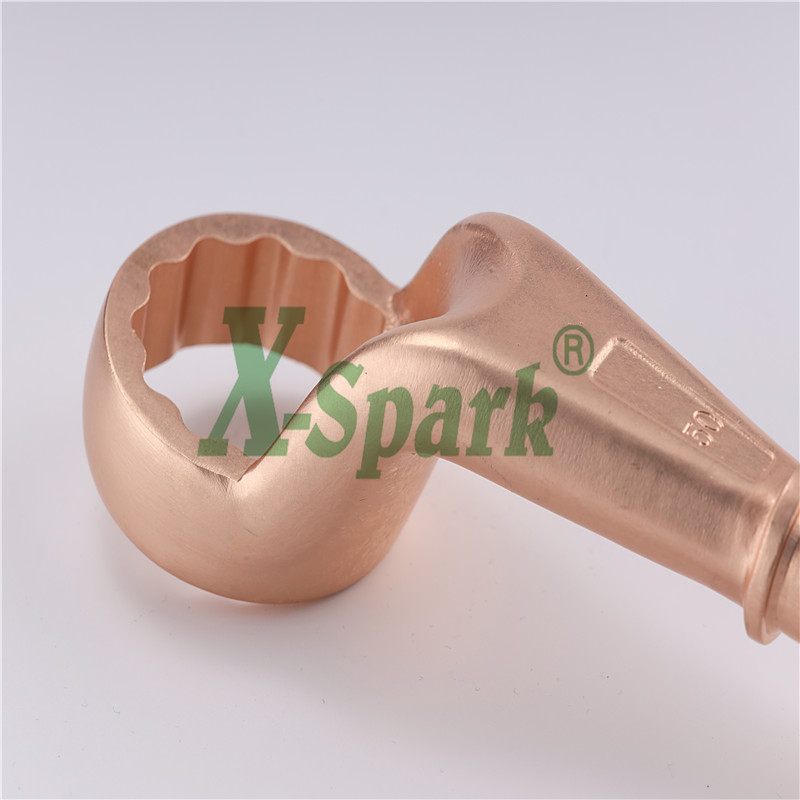
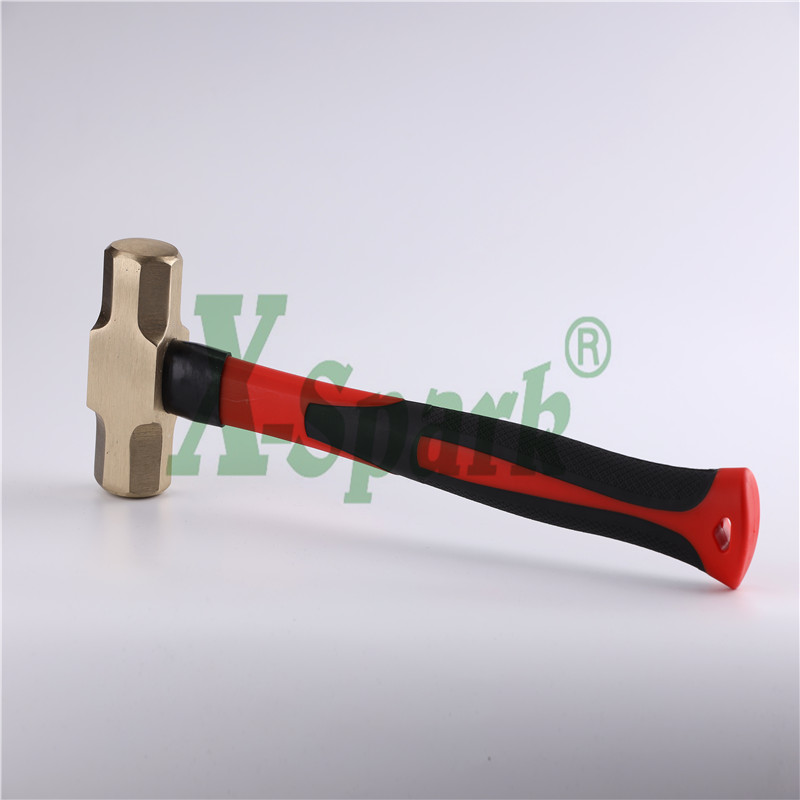
Source high-performance Non-Sparking Tools from vetted suppliers and manufacturers in Asia. Designed for industrial distributors, procurement managers, and brands seeking OEM production, our wholesale catalog covers essential safety hand tools engineered for explosive and flammable environments.
Non-sparking tools are mission-critical safety equipment for environments with explosive atmospheres (ATEX zones), such as oil refineries, chemical plants, and grain silos. Sourcing these tools reliably requires strict oversight of alloy composition and heat treatment processes. Any deviation on the factory floor can compromise both the non-sparking properties and the mechanical durability of the tool, leading to catastrophic safety failures or unacceptable wear rates.
Core Alloys: Be-Cu vs. Al-Br
The foundation of any non-sparking tool is its metallurgy. Standard steel cannot be used due to its propensity to generate high-energy sparks upon impact. Instead, manufacturers rely on two primary copper-based alloys. Specifying the correct alloy dictates the tool's performance, cost, and manufacturing complexity.
| Property | Beryllium Copper (Be-Cu) | Aluminum Bronze (Al-Br) |
|---|---|---|
| Hardness | 35-40 HRC | 25-30 HRC |
| Tensile Strength | 1050-1200 N/mm² | 750-850 N/mm² |
| Magnetic Properties | Non-magnetic | Low magnetism (acceptable for most uses) |
| Primary Applications | Cutting tools, pliers, screwdrivers | Striking tools, hammers, large wrenches |
| Cost Profile | Premium (higher raw material cost) | Standard (more economical) |
Manufacturing Safety and Beryllium
Beryllium dust is highly toxic if inhaled during the machining and grinding phases of production. When sourcing Be-Cu tools, it is critical to verify that the manufacturer has robust environmental controls and exhaust systems in place. Factories cutting corners on worker safety often cut corners on alloy purity.
Manufacturing Processes and Quality Control
The physical integrity of a non-sparking tool is largely determined by how it is formed and treated. While cheaper tools are sometimes cast, high-quality industrial non-sparking tools must be drop-forged. Forging aligns the grain structure of the alloy, significantly improving tensile strength and preventing the brittleness that plagues cast copper alloys.
After forging, precision machining brings the tool to its final dimensions (adhering to DIN or ASME standards), followed by a highly controlled heat treatment process. Because copper alloys behave differently than steel, the heat treatment parameters (temperature and quenching times) must be exact to lock in the required HRC hardness without compromising the non-sparking nature.
Factory Vetting Checklist
When evaluating a new manufacturer for non-sparking hand tools, look for these specific capabilities:
Critical Supplier Capabilities
- In-house spectrometers to verify the exact chemical composition of every raw material batch.
- Drop-forging capabilities with high-tonnage friction presses (rather than just casting operations).
- Precision heat treatment furnaces with calibrated temperature controls.
- Strict environmental and dust-extraction systems, particularly for Be-Cu processing.
- Familiarity with international dimensional standards (DIN, ISO, ASME) for tool profiles.
Conducting thorough Factory Audits is highly recommended before placing volume orders to ensure the supplier actually possesses the metallurgical expertise they claim.
Need to verify a manufacturer's metallurgical capabilities or ensure your non-sparking tools meet strict safety standards? Merhein can manage the vetting and production oversight for you.
Talk to our teamCompliance and Batch Testing
Because these tools are used in hazardous environments, rigorous testing is non-negotiable. Relying solely on a supplier's word for alloy composition is a significant risk. Professional buyers implement strict Quality Control & Inspection protocols before shipment.
Key tests include:
- Composition Analysis: Verifying the exact percentages of Copper, Beryllium, Aluminum, Nickel, and Iron.
- Hardness Testing: Ensuring the tool falls within the acceptable HRC range for its specific alloy. Tools that are too soft will deform; tools that are too hard may become brittle.
- Friction and Impact Spark Testing: Physical testing in controlled environments to ensure no high-energy sparks are generated upon striking.
For entry into highly regulated markets, coordinating third-party Compliance & Testing is often necessary to secure certifications required by end-users in the petrochemical or aerospace sectors.
Pricing, MOQs, and Lead Times
The cost of non-sparking tools is heavily influenced by global copper prices (LME) and the specific alloy used. Beryllium copper tools will always command a significant premium over aluminum bronze due to raw material costs and processing complexity.
If you are developing custom tools or private-label designs, expect to pay tooling fees for new forging dies. Die costs for copper alloys can be slightly higher than for standard steel due to the specific draft angles and tolerances required during the forging process.
Planning a bulk order or looking to develop a private-label line of ATEX-compliant hand tools? Let us help you navigate raw material pricing and secure reliable production.
Get a free consultationFrequently Asked Questions
Sourcing non-sparking tools is fundamentally an exercise in risk management. The margin for error in alloy composition and heat treatment is virtually zero. By partnering with technically capable manufacturers who maintain strict in-house testing, buyers can secure a reliable supply of safety-critical tools that protect both end-users and brand reputation.
Get Sourcing Help for Non-Sparking Tools
Tell us your requirements and our experts will connect you with verified manufacturers.