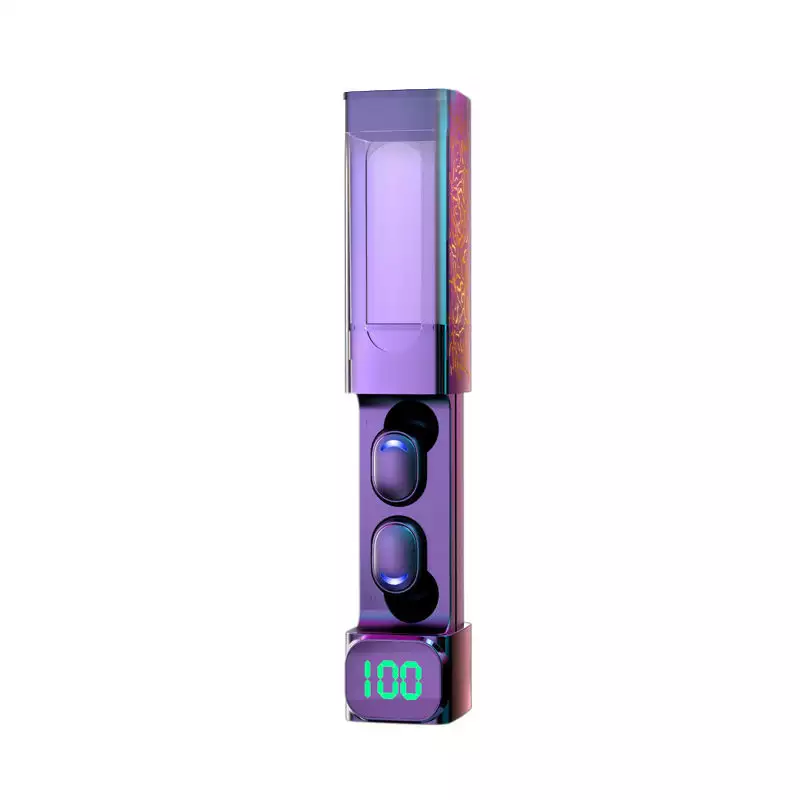
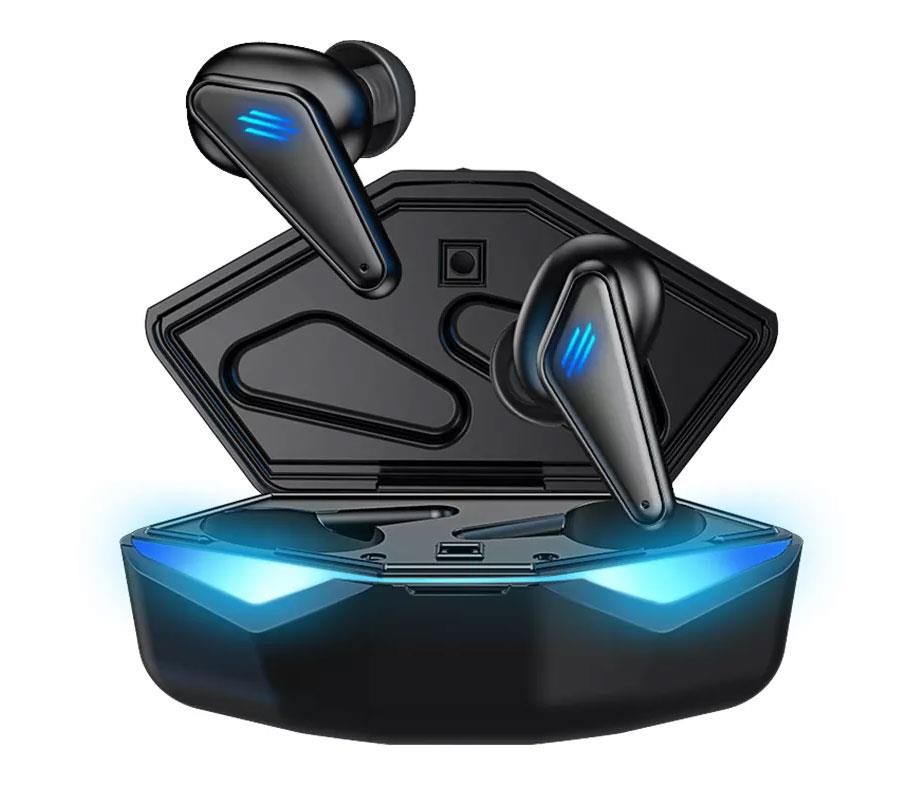
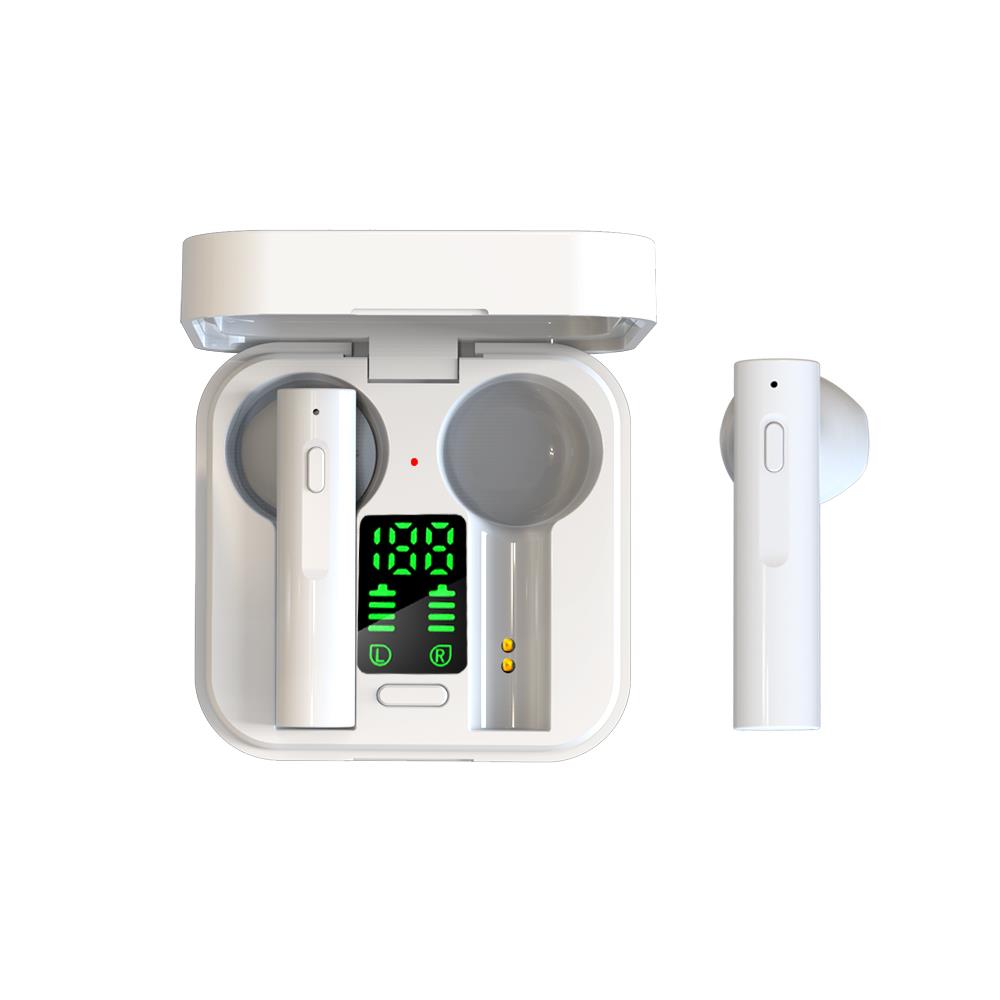
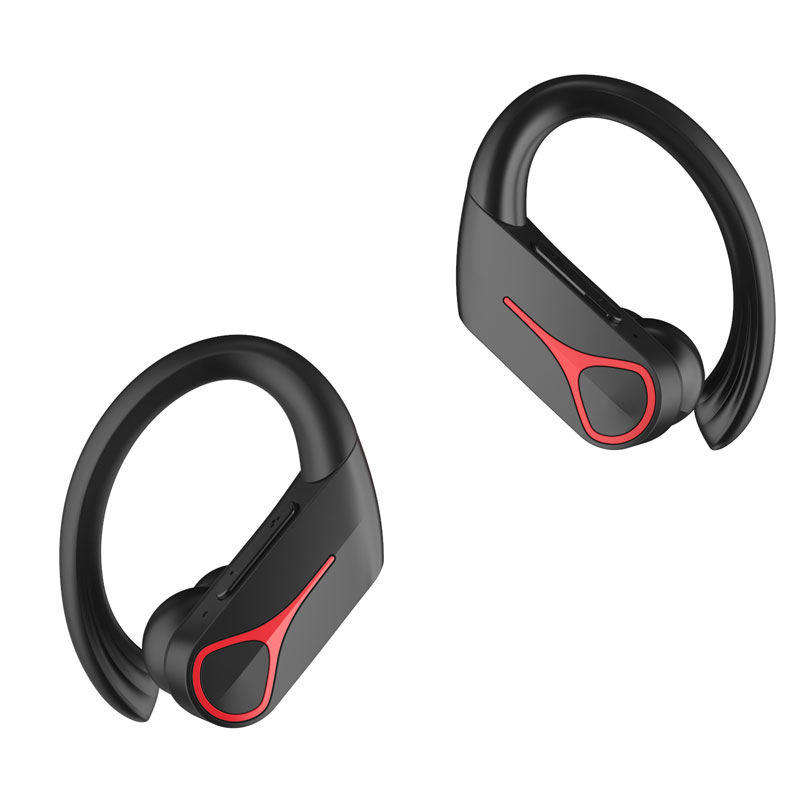
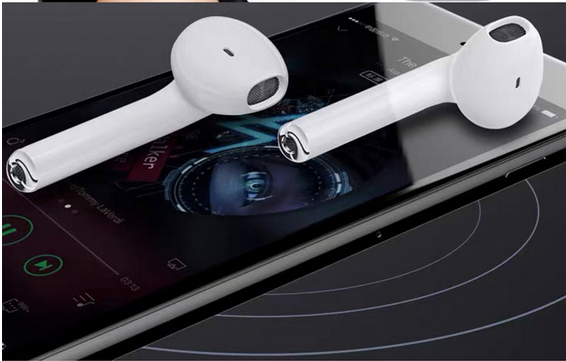
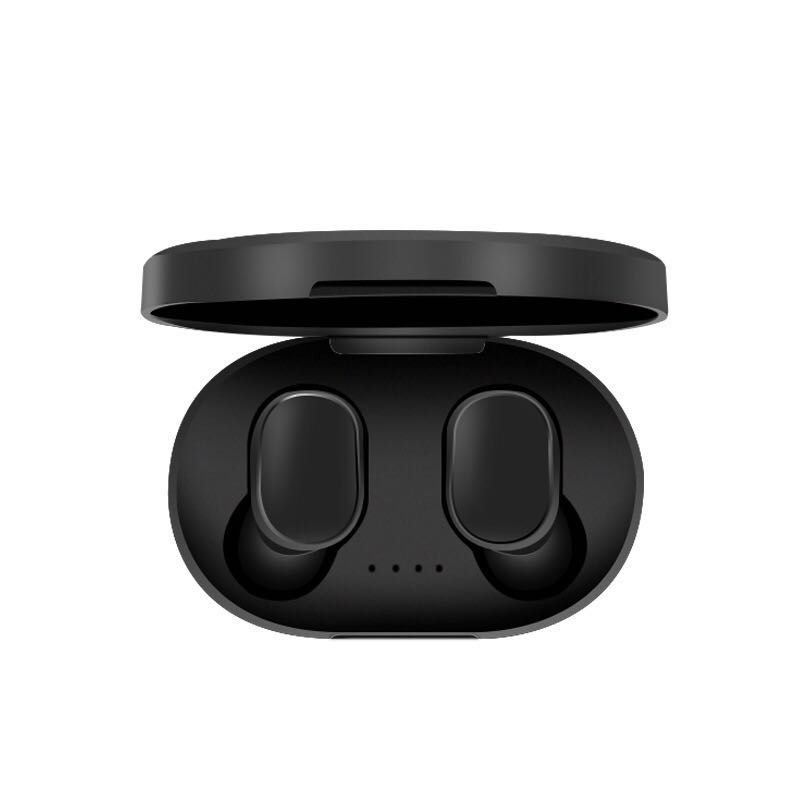
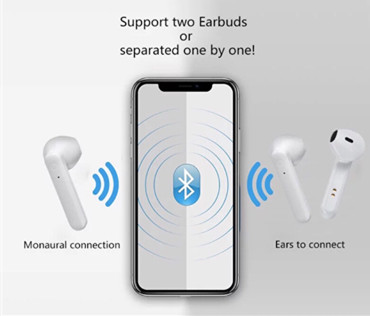
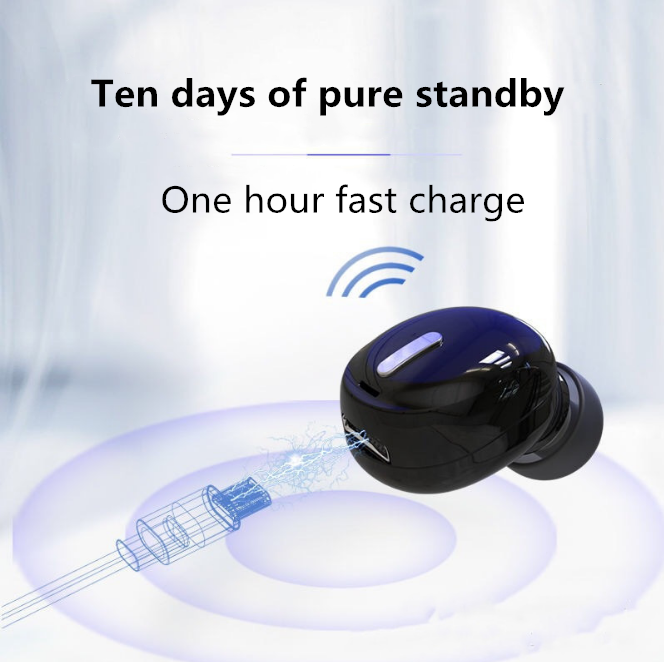
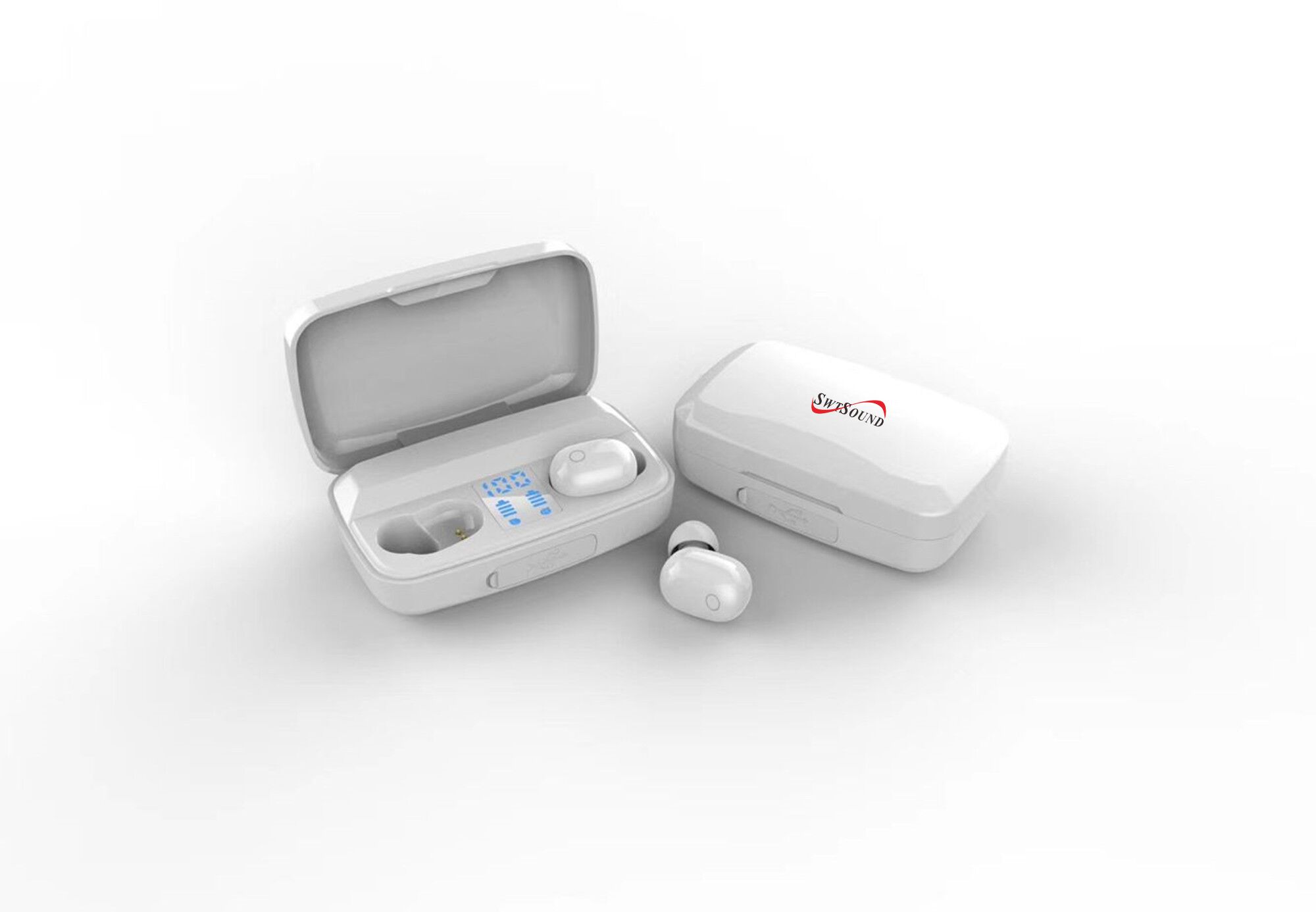
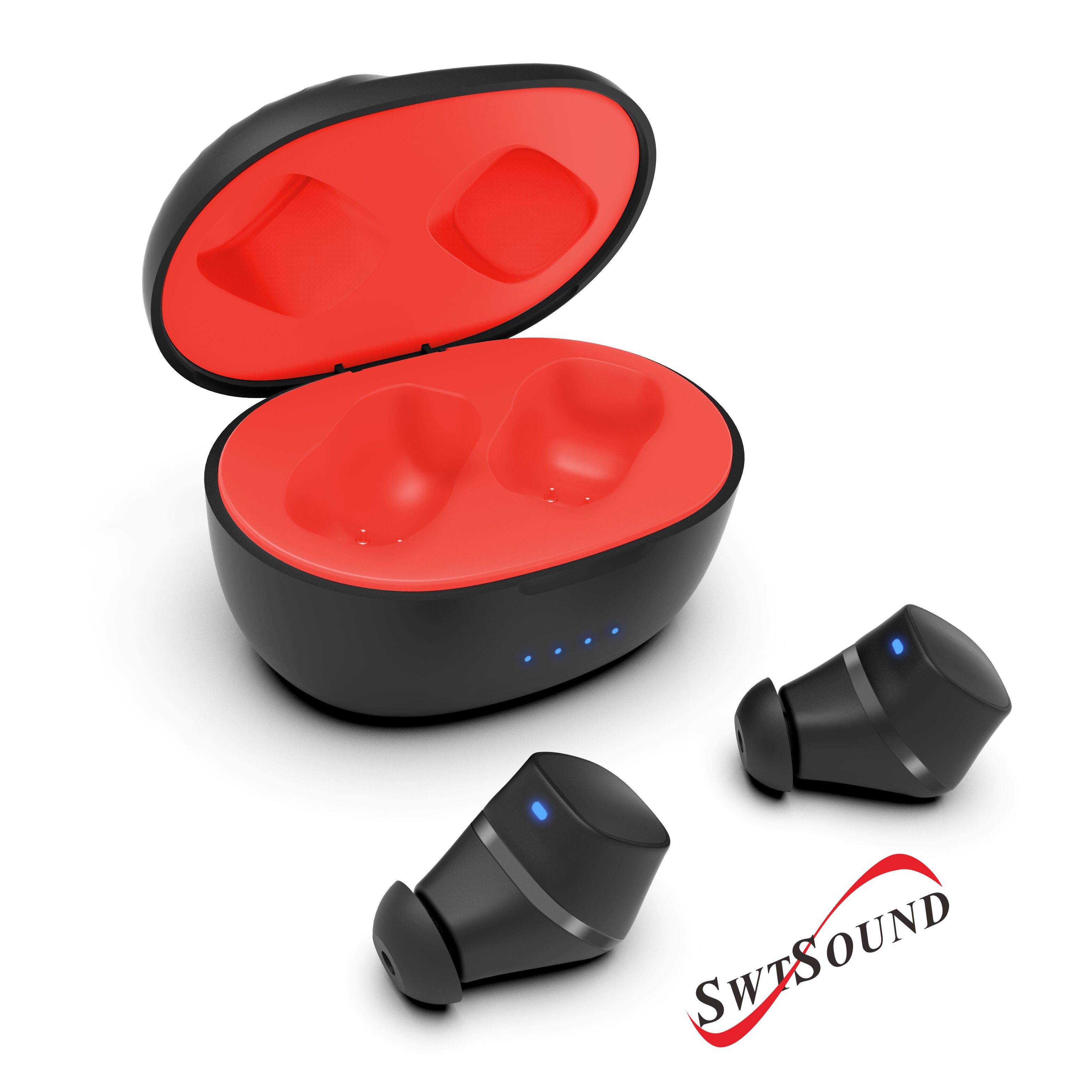
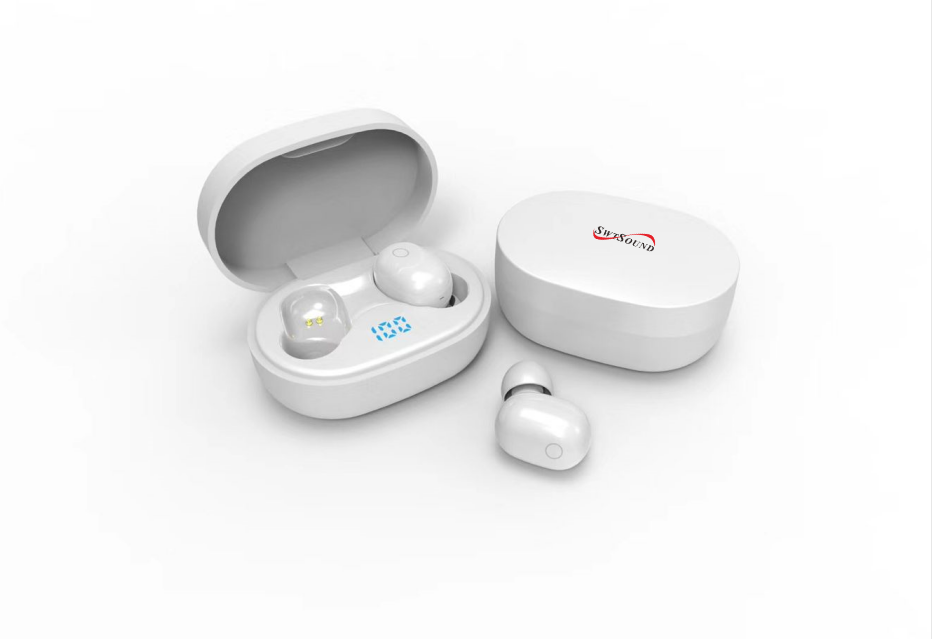
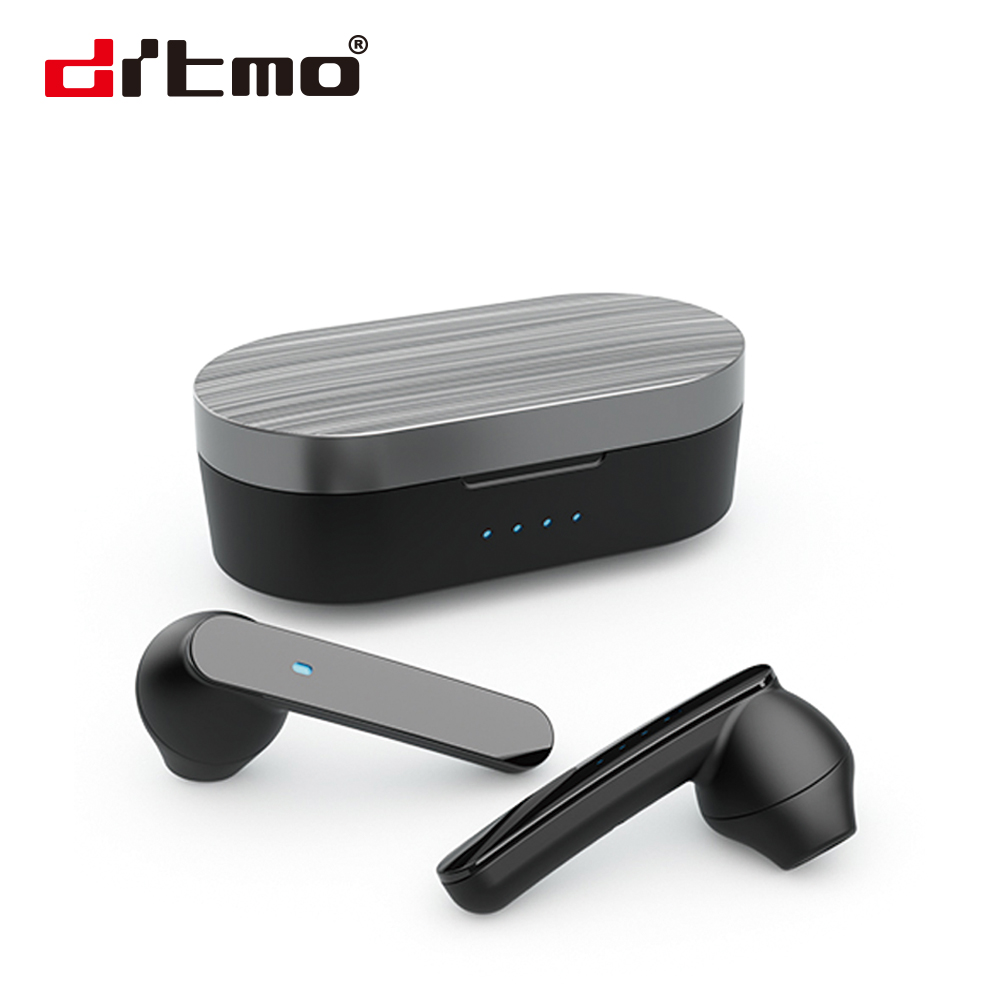
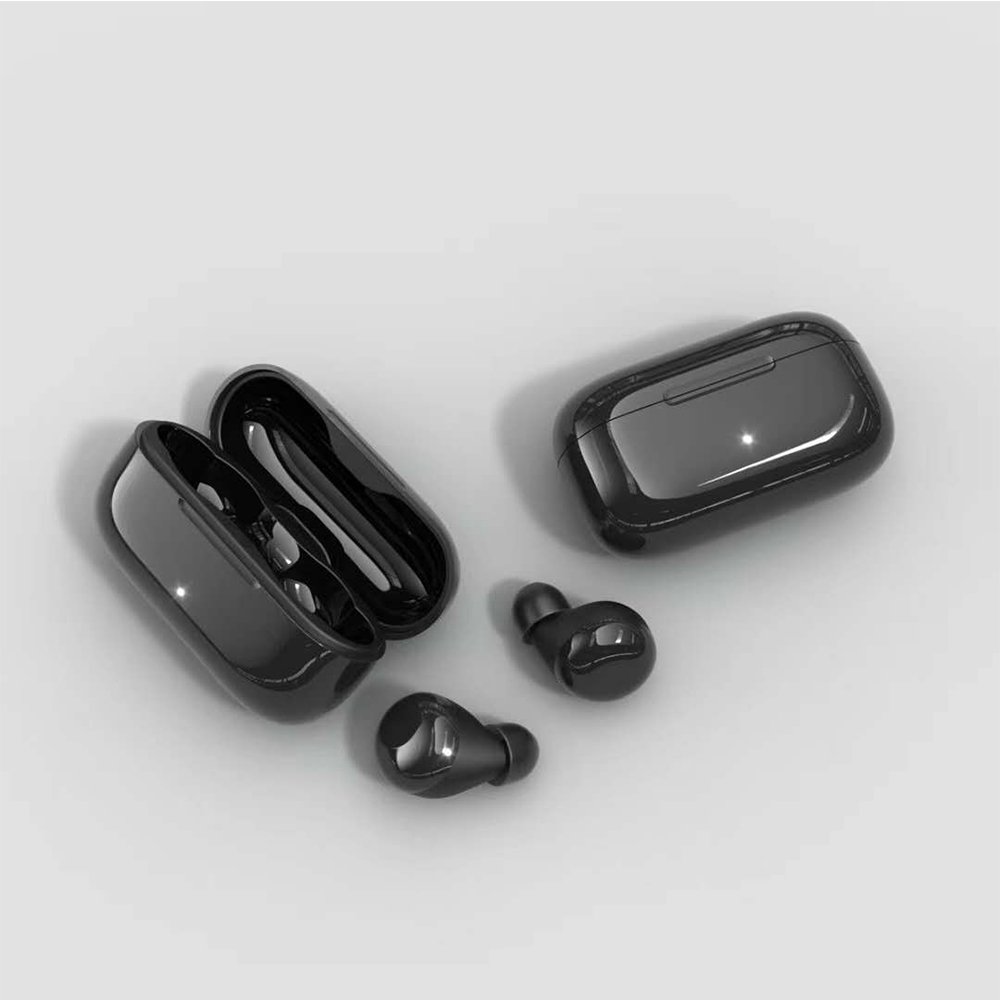
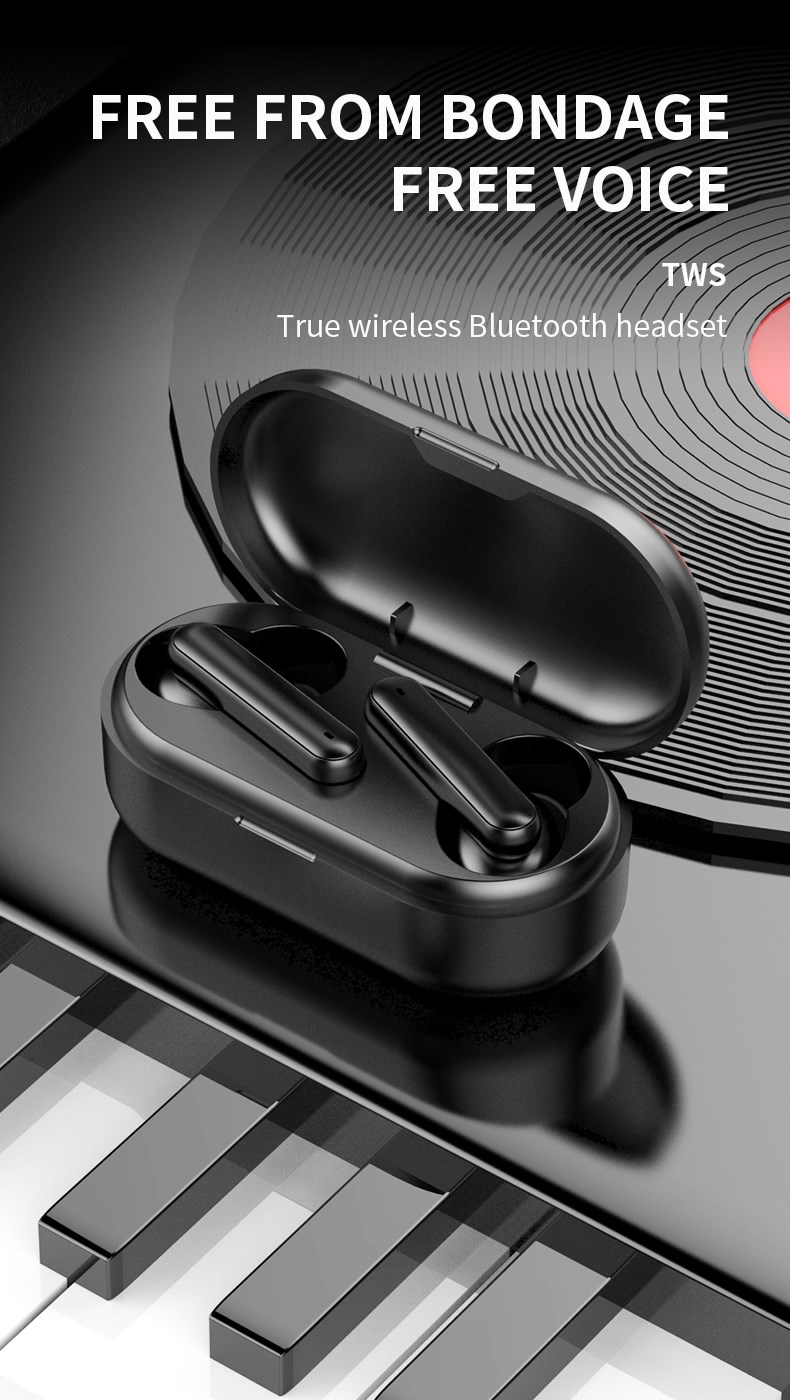
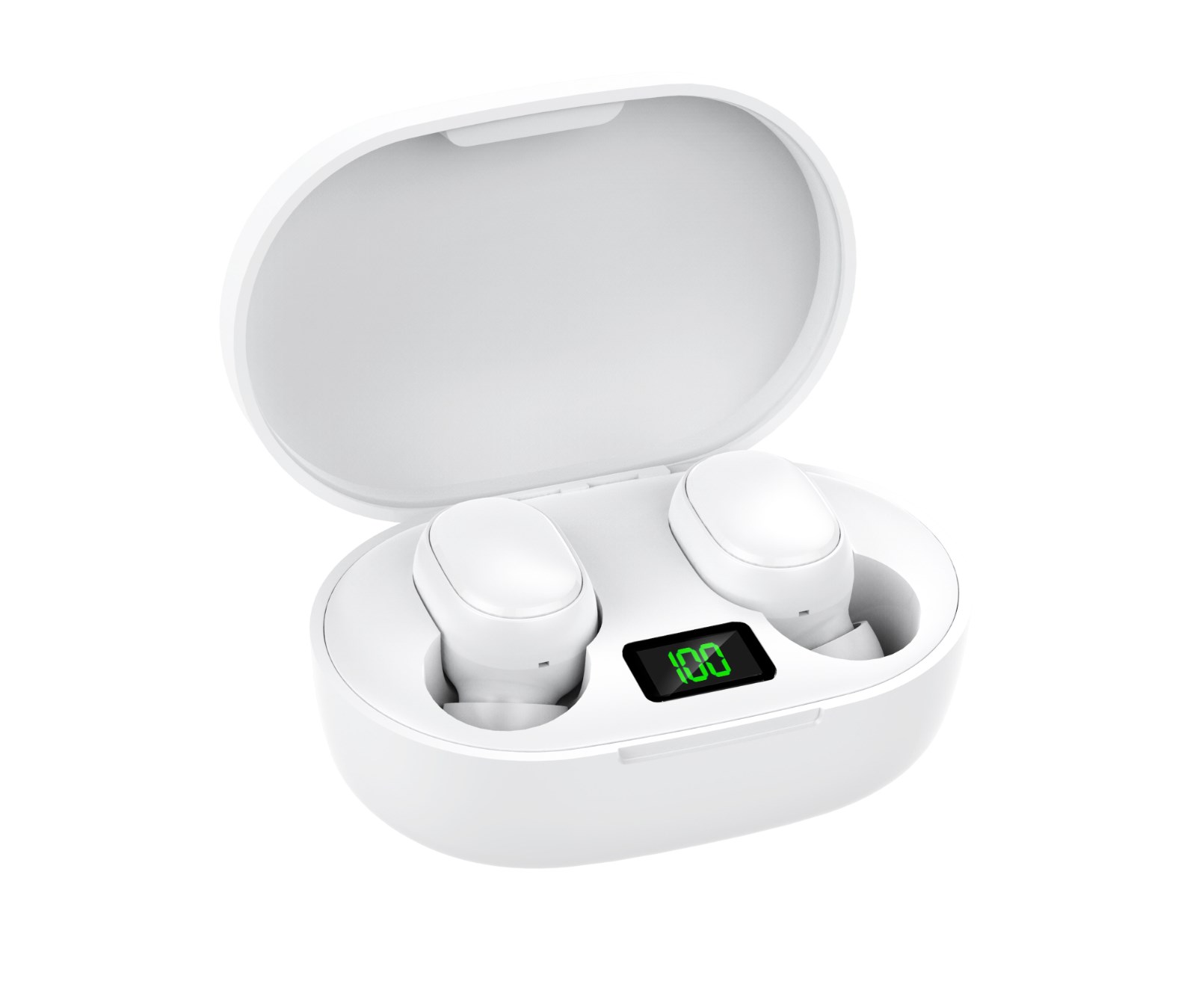
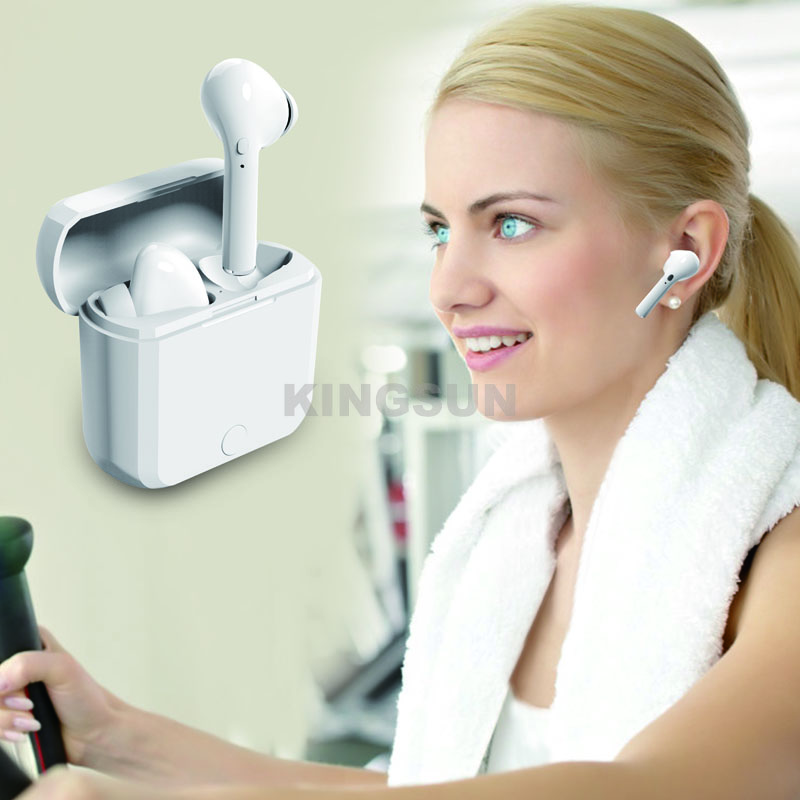
Non-Noise-Cancelling TWS Earphones & Headphones
Source bulk Non-Noise-Cancelling TWS Earphones & Headphones directly from vetted manufacturers and suppliers. This category is designed for importers, wholesale distributors, and electronics brands seeking reliable, cost-effective audio products for high-volume distribution or custom OEM/ODM production.
Sourcing standard, non-noise-cancelling true wireless stereo (TWS) earphones means navigating a highly saturated and commoditized manufacturing landscape. Because active noise cancellation (ANC) is absent, the bill of materials (BOM) is simplified, but the sourcing challenge shifts entirely to component stability, battery safety, and acoustic consistency. The primary hurdle for volume buyers is not finding a factory, but identifying one that maintains strict quality tolerances across massive production runs without quietly downgrading internal components.
Core Specifications and Component Selection
The performance and wholesale cost of a standard TWS earphone are dictated by three primary internal components: the Bluetooth PCBA (chipset), the dynamic driver, and the battery cell.
Bluetooth Chipset Tiers
The chipset governs connectivity stability, power consumption, and audio decoding. For non-ANC models, suppliers typically rely on a few well-known IC manufacturers. Specifying the exact chipset family in your purchase order is critical to prevent unannounced substitutions.
| Chipset Brand | Typical Application | Cost & Performance Profile |
|---|---|---|
| Jieli (Jerry) | Entry-level promotional items, budget retail | Lowest cost, acceptable audio, higher variance in connection stability. |
| Bluetrum | Mid-tier consumer retail | Balanced cost-to-performance, better battery management than entry-level. |
| Realtek / Airoha | Premium non-ANC, audiophile-focused | Higher cost, superior audio decoding (aptX/AAC), highly stable connection. |
Drivers and Acoustics
For non-noise-cancelling models, isolation relies entirely on the physical seal (passive noise isolation) and the driver's capability. Buyers should specify the driver diameter (typically 8mm to 13mm for TWS) and the diaphragm material (e.g., PET, Titanium-coated, or Graphene). Larger drivers generally deliver better low-end frequency response but require larger housing, which impacts ergonomics.
Navigating component trade-offs? Let our sourcing experts help you lock in the right BOM for your target market.
Talk to our teamManufacturing Tolerances and Quality Control
The physical assembly of TWS earphones is labor-intensive and requires meticulous precision. Soldering the micro-battery to the PCBA and sealing the acoustic chamber are common failure points in lower-tier factories.
When evaluating a supplier's production line, or when arranging quality control and inspection, pay attention to the following critical areas:
TWS Earphone QC Focus Areas
- Battery Aging Tests: Ensure the factory conducts mandatory charge/discharge cycling on all cells before assembly.
- Acoustic Chamber Sealing: Improper ultrasonic welding or gluing leads to audio leakage and channel imbalance.
- Antenna Placement: Poorly positioned ceramic or FPC antennas cause Bluetooth dropouts when the user is in motion.
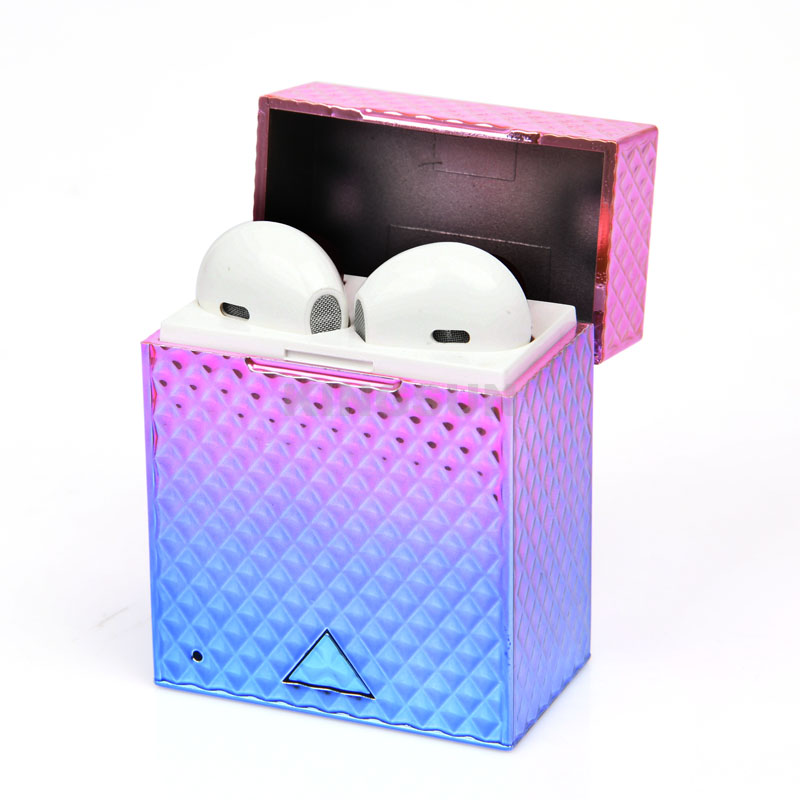
- Drop & Hinge Testing: The charging case hinge must withstand thousands of cycles without losing magnetic closure strength.
If you are developing custom molds or unique form factors, partnering with a supplier experienced in OEM/ODM services is essential to ensure the internal layout accommodates your chosen battery and driver size without compromising the acoustic cavity.
Pricing, MOQs, and Production Lead Times
Because standard TWS earphones are mass-market items, production scales efficiently, but buyers must be realistic about volume requirements for customization.
Pricing is highly elastic based on the chipset and battery quality. Entry-level models using basic Jieli chips and standard lithium-polymer batteries can cost under a few dollars per unit, while premium non-ANC models with Airoha chipsets, larger graphene drivers, and premium metal-hinge cases will command higher wholesale prices.
Need accurate pricing and verified factory options? Connect with our sourcing team to review current market rates.
Get a free consultationCompliance and Battery Safety
Shipping TWS earphones internationally involves strict regulatory oversight due to the lithium-ion batteries housed in both the earbuds and the charging case. Ensure your supplier can provide valid, verifiable documentation.
- Battery Safety: UN38.3 and MSDS reports are non-negotiable for air and sea freight.
- Wireless Emissions: FCC (US), CE-RED (Europe), and TELEC/MIC (Japan) certifications are required depending on your destination market.
- Material Safety: RoHS and REACH compliance must be verified for the plastics and internal components.
If a supplier cannot produce these documents under their own name, it is a strong indicator they are an assembler or trading company rather than the primary manufacturer. In these cases, rigorous compliance testing through a verified third-party lab is highly recommended before finalizing your order.
Successfully sourcing non-noise-cancelling TWS earphones requires a disciplined approach to component specification and quality oversight. By locking down your BOM early and enforcing strict testing standards on the assembly line, you can secure reliable, high-margin audio products that build trust with your end consumers.
Get Sourcing Help for Non-Noise-Cancelling TWS Earphones & Headphones
Tell us your requirements and our experts will connect you with verified manufacturers.