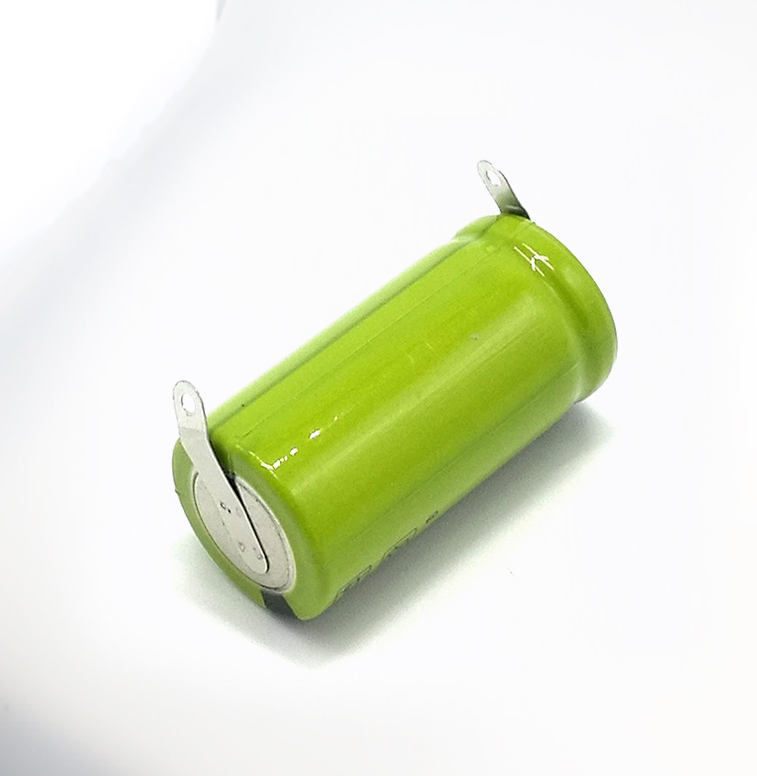
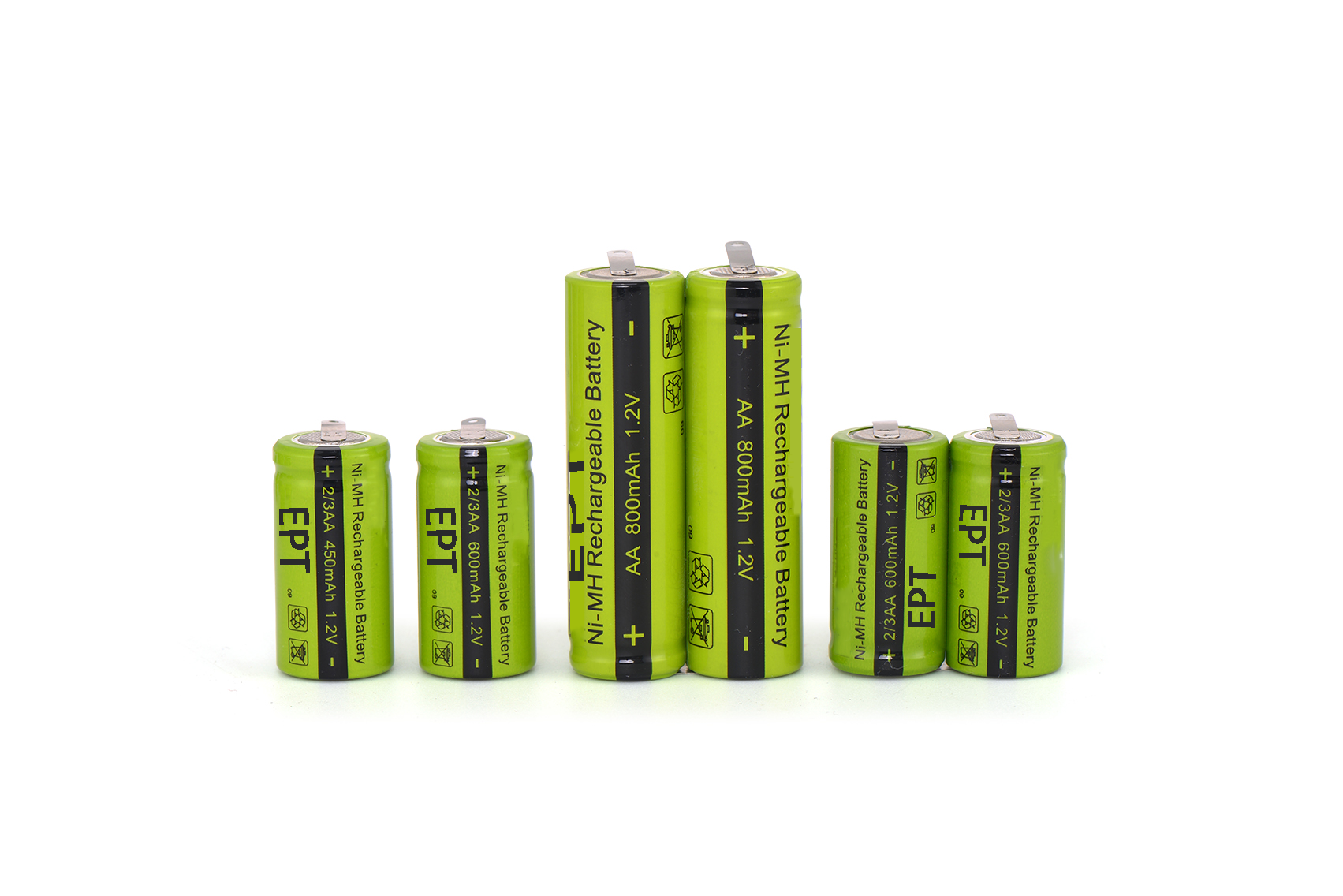
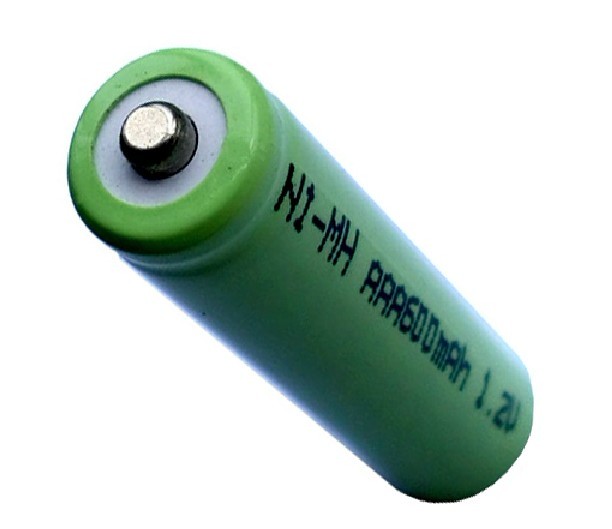
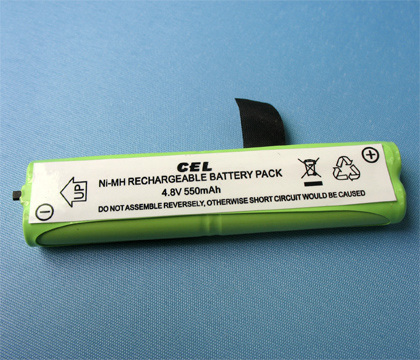
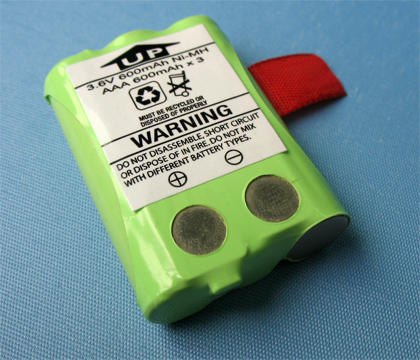
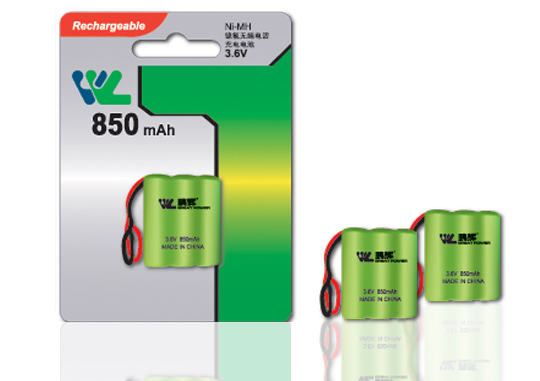
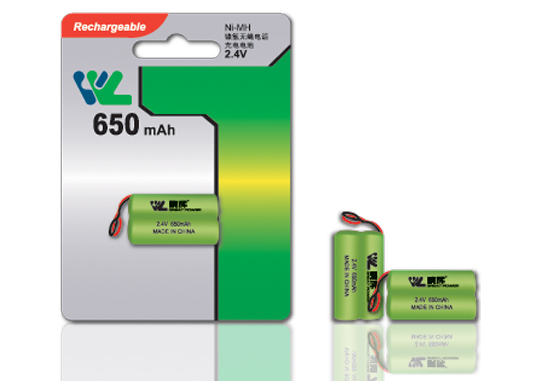
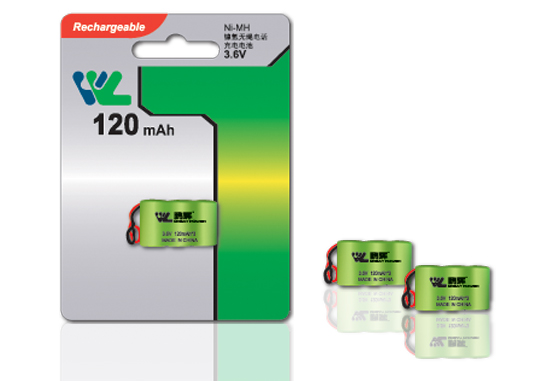
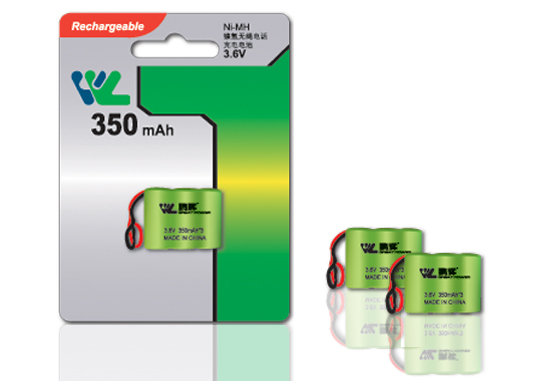
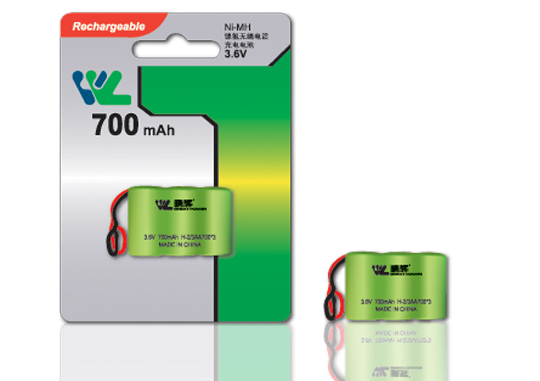
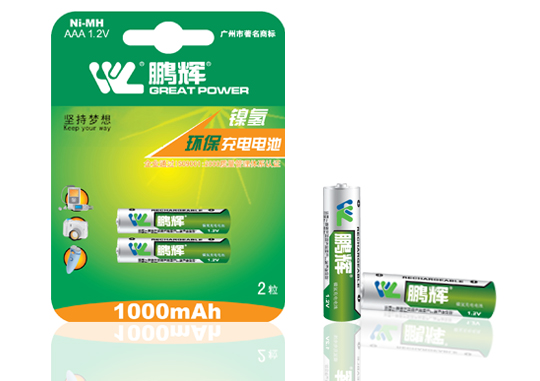
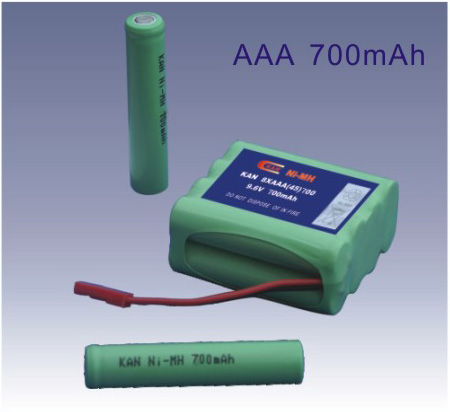
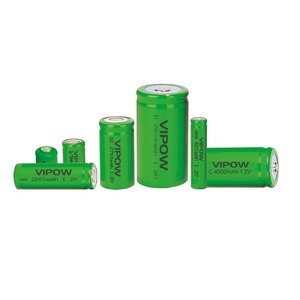
Nickel-Metal Hydride Batteries (Ni-MH)
Source premium Nickel-Metal Hydride Batteries (Ni-MH) from vetted suppliers and manufacturers across Asia. Designed for importers, wholesale distributors, and brands requiring reliable OEM production, our network delivers high-capacity, low-self-discharge Ni-MH solutions at competitive bulk pricing.
Sourcing Nickel-Metal Hydride (Ni-MH) batteries in commercial volumes requires strict attention to cell consistency, capacity retention, and cycle life. While lithium-ion dominates many high-energy sectors, Ni-MH remains the standard for safety-critical, extreme-temperature, and cost-sensitive applications. The primary sourcing challenge is avoiding suppliers who overstate capacity (mAh) or use inferior separators that lead to rapid internal shorting and high self-discharge rates.
To secure reliable production, buyers must specify exact performance parameters and enforce rigorous quality control at the factory level.
Critical Specifications for Bulk Ni-MH Sourcing
When negotiating with a battery manufacturer, generic specifications are insufficient. You must define the exact chemical and physical performance metrics to ensure the cells meet your product's operational demands.
| Performance Metric | Standard Ni-MH | Low Self-Discharge (LSD) Ni-MH |
|---|---|---|
| Capacity Retention (1 Year) | Under 50% | 80% to 85% |
| Typical Cycle Life | 500 to 1000 cycles | 1000 to 2100 cycles |
| Internal Resistance | Lower (better for high drain) | Slightly higher |
| Ideal Application | Frequent charge/discharge | Intermittent or standby use |
Beyond standard versus LSD chemistries, ensure your supplier can customize battery packs. If you require specialized configurations—such as custom spot-welded tabs, specific wire gauges, or proprietary battery management housings—partnering with a factory experienced in OEM/ODM Services is highly recommended.
Struggling to find a supplier that meets your exact capacity and LSD requirements? Let our sourcing engineers evaluate your specifications and match you with a vetted manufacturer.
Talk to our teamManufacturing Variables That Dictate Quality
The difference between a premium Ni-MH cell and a failure-prone cheap alternative usually comes down to three manufacturing variables:
- Separator Quality: The separator must be thick enough to prevent dendrite penetration but porous enough to allow ion flow. Inferior separators degrade quickly, leading to internal shorts.
- Electrolyte Purity: Impurities in the potassium hydroxide electrolyte accelerate self-discharge and reduce overall cycle life.
- Sealing and Venting: Ni-MH cells release hydrogen gas under heavy load or overcharging. A precision-engineered resealable safety vent is mandatory to prevent cell rupture.
To verify these elements before committing to a large order, professional Factory Audits are essential. You need to confirm the supplier has automated winding machines (which ensure consistent internal tension) and proper aging/grading facilities.
Quality Control and Compliance Standards
Battery imports face intense regulatory scrutiny. Your shipment can be seized at customs if the manufacturer cannot provide valid, verifiable documentation.
Essential Ni-MH Compliance & Testing Verifications
- UN38.3 Certification (Required for safe transport of battery packs)
- RoHS Compliance (Verification of heavy metal limits, specifically cadmium)
- CE / FCC Marking (For European and US market entry)
- IEC 61951-2 Standard (Performance testing for secondary Ni-MH cells)
- MSDS (Material Safety Data Sheet updated within the current year)
Do not rely solely on factory-provided test reports. Implementing independent Quality Control & Inspection prior to shipment ensures that the capacity and internal resistance of the finished batch match your approved golden sample.
Pricing, MOQs, and Lead Times
The Ni-MH supply chain is mature, but pricing fluctuates based on raw material costs (nickel and rare earth elements) and the specific chemistry (LSD cells command a premium).
Note: Tooling costs for custom plastic housings or unique battery pack configurations will require upfront investment, usually amortized over the first few large orders.
Need accurate pricing and lead times for your next battery order? We negotiate directly with top-tier Asian battery manufacturers to secure the best terms for your bulk purchase.
Get a free consultationFrequently Asked Questions
Sourcing reliable Ni-MH batteries in bulk is an exercise in risk mitigation. Success requires looking past the spec sheet to verify the manufacturer's internal quality systems, raw material sourcing, and testing protocols. If you are scaling production and need a transparent, secure supply chain, engaging professional sourcing support ensures your batteries perform safely and consistently in the field.
Get Sourcing Help for Nickel-Metal Hydride Batteries (Ni-MH)
Tell us your requirements and our experts will connect you with verified manufacturers.