Neon Lights
Source high-quality Neon Lights from vetted suppliers and manufacturers across Asia. Designed for importers, wholesalers, distributors, and brands seeking reliable OEM/ODM production, our network delivers custom and bulk neon lighting solutions engineered for durability, consistent luminosity, and strict market compliance.
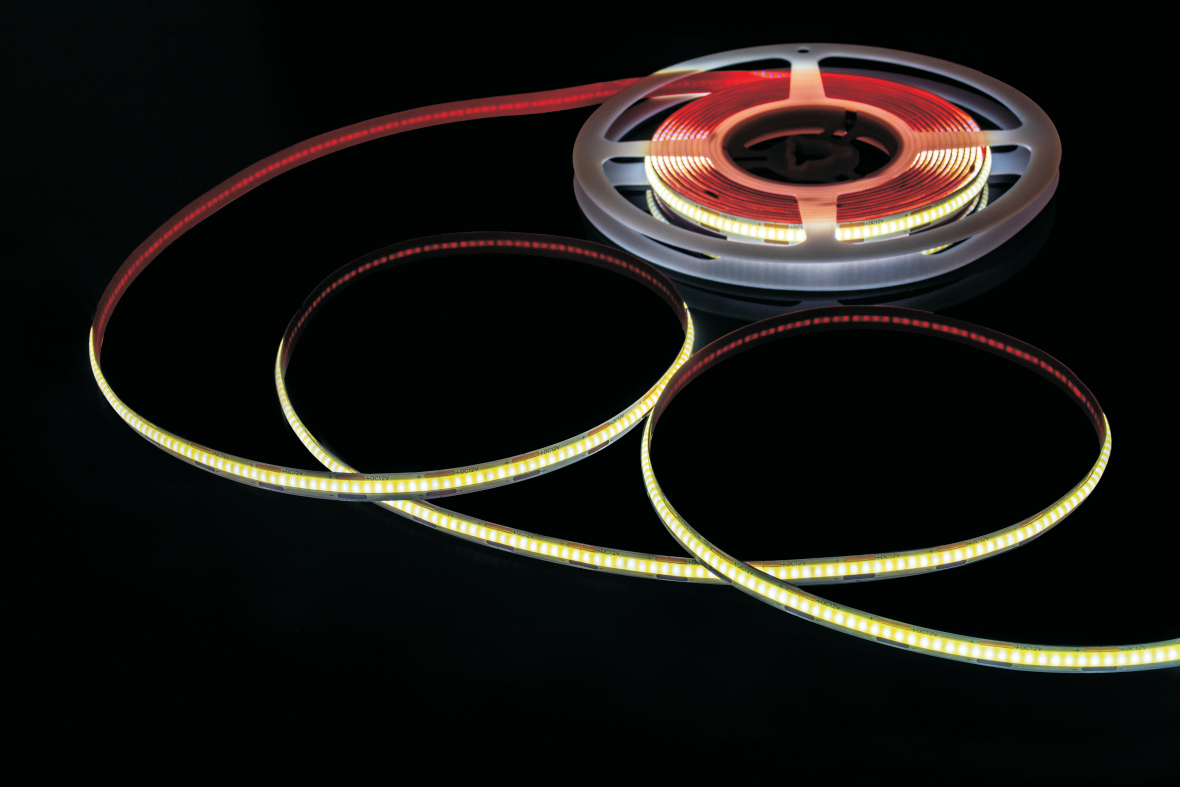
The commercial sourcing of neon lights has shifted almost entirely from fragile, high-voltage glass tubes to low-voltage LED neon flex. For bulk buyers, the primary challenge is no longer finding a supplier, but identifying a manufacturer capable of delivering consistent extrusion profiles, strict LED binning for uniform color, and robust thermal management. When sourcing for architectural applications, retail displays, or custom signage, controlling the bill of materials at the factory level is critical to preventing premature failure and lumen depreciation.
Technical Specifications: Specifying LED Neon Flex
Not all flexible neon is manufactured to the same standard. The core materials dictate the product's lifespan, flexibility, and resistance to environmental degradation. When negotiating with manufacturers, you must specify the exact materials for the outer jacket and the internal printed circuit board (PCB).
| Material Feature | Standard (PVC) | Premium (Silicone) |
|---|---|---|
| UV Resistance | Low (yellows over time) | Excellent (remains clear) |
| Thermal Conductivity | Poor (traps heat) | High (dissipates heat efficiently) |
| Flexibility | Stiffens in cold weather | Remains highly flexible in extreme temps |
| Lifespan | 15,000 to 20,000 hours | 50,000+ hours |
Beyond the jacket material, the internal LED strip defines the optical performance. Specify a high diode density—typically 120 LEDs per meter for standard applications, or up to 240 LEDs per meter to eliminate "spotting" (visible individual diodes) in shallow profiles. The copper thickness on the flexible PCB should be at least 2oz, preferably 3oz for long continuous runs, to minimize voltage drop and ensure uniform brightness from end to end.
Struggling to verify factory material specifications? Let our engineers audit your supplier's bill of materials.
Talk to our teamManufacturing and Quality Control Checkpoints
The extrusion process is where quality is won or lost. High-end factories utilize co-extrusion technology, where the base silicone and the light-diffusing silicone are extruded simultaneously around the LED strip. This creates a seamless, watertight seal. Lower-tier manufacturers may manually insert LED strips into pre-extruded tubes, leading to inconsistent light dispersion and compromised ingress protection (IP) ratings.
Catching defects requires rigorous Quality Control & Inspection before the goods leave the factory floor.
Critical Pre-Shipment Inspection Points for Neon Lights
- Color Consistency (Binning): Verify that all reels share the same MacAdam ellipse step to prevent color shifting.
- Voltage Drop Testing: Measure luminosity at the start and end of a 5-meter or 10-meter run to ensure minimal degradation.
- Ingress Protection (IP) Integrity: Submersion or spray testing on end-caps and connector joints for IP65/IP67 rated products.
- Bending Radius Limits: Ensure the flex does not short-circuit or tear when bent to its specified minimum radius.
- Adhesion and Sealing: Inspect injection-molded end caps for air bubbles or incomplete silicone curing.
OEM/ODM Customization and Compliance
Many brands require bespoke solutions, whether that means custom extrusion profiles (e.g., dome, flat, or 360-degree round), specific cutting intervals, or fully assembled neon signs mounted on acrylic backboards. Engaging a factory for OEM/ODM Services requires clear technical drawings and precise routing instructions for the acrylic CNC process.
Equally important is regulatory compliance. Depending on your target market, the LED neon flex and its accompanying power supplies (drivers) must meet specific safety standards. Ensure your supplier can provide valid, verifiable documentation for UL/ETL (North America) or CE/RoHS (Europe). If documentation is lacking, third-party Compliance & Testing should be factored into your sourcing timeline.
Wholesale Pricing, MOQs, and Lead Times
Pricing in the LED neon market fluctuates based on the cost of raw silicone, copper, and the specific brand of LED chips (e.g., Epistar vs. San'an).
For custom colors or specialized co-extrusion profiles, expect higher MOQs (often exceeding 2,000 meters) to justify the setup time on the extrusion lines. Tooling costs for new extrusion molds are generally low, but minimum run lengths apply to offset material waste during machine calibration.
Need to negotiate better terms or consolidate shipments from multiple lighting suppliers? We manage the entire supply chain.
Get a free consultationFrequently Asked Questions
Successfully sourcing commercial-grade neon lights requires looking past the surface brightness and scrutinizing the internal components. By specifying silicone over PVC, demanding strict LED binning, and requiring rigorous IP testing, importers can secure lighting products that perform reliably in demanding environments.
Get Sourcing Help for Neon Lights
Tell us your requirements and our experts will connect you with verified manufacturers.