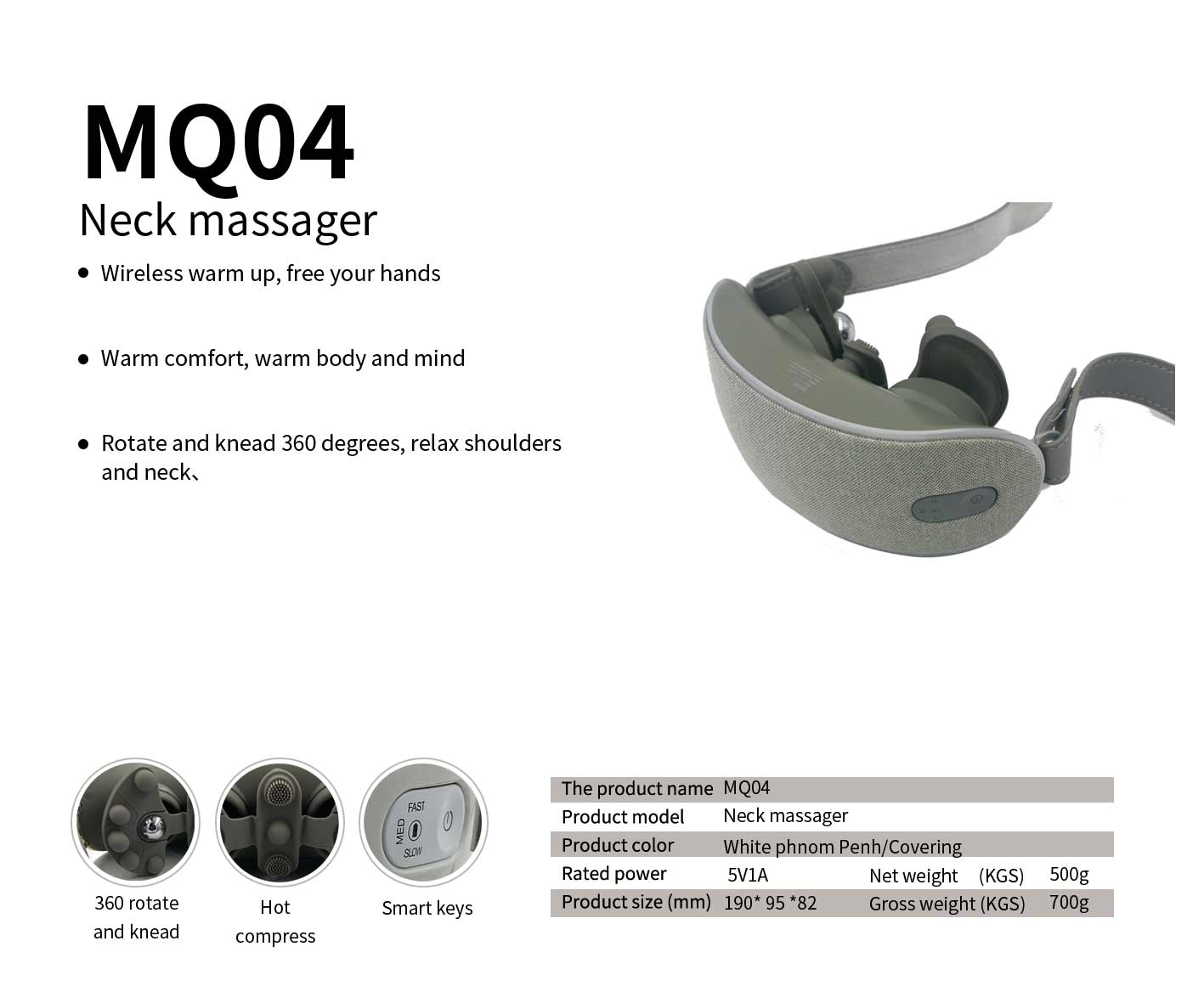
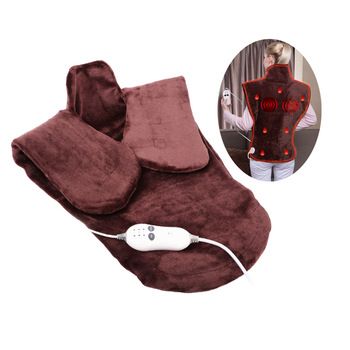
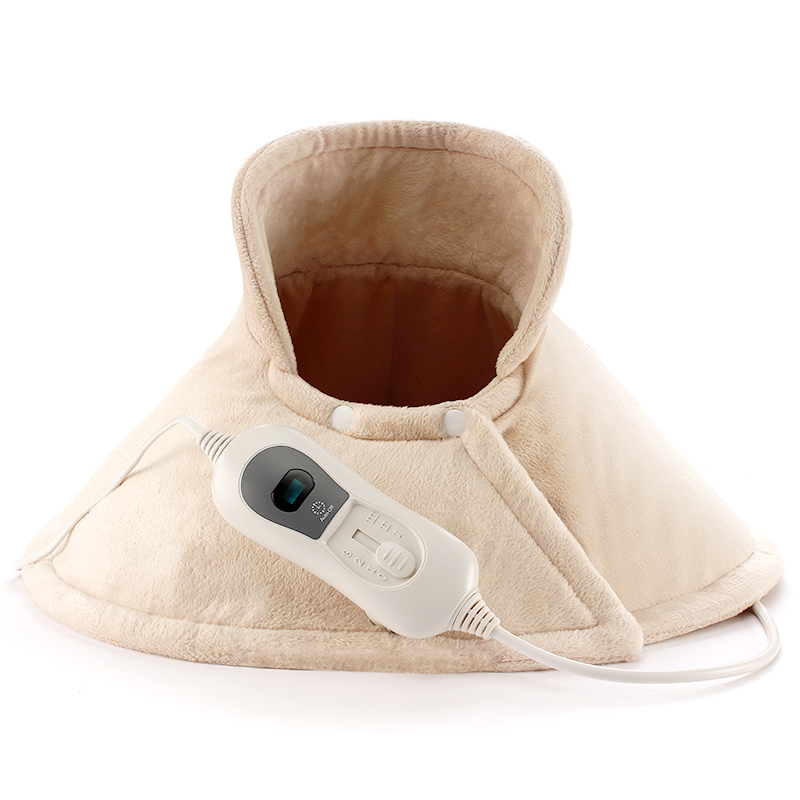
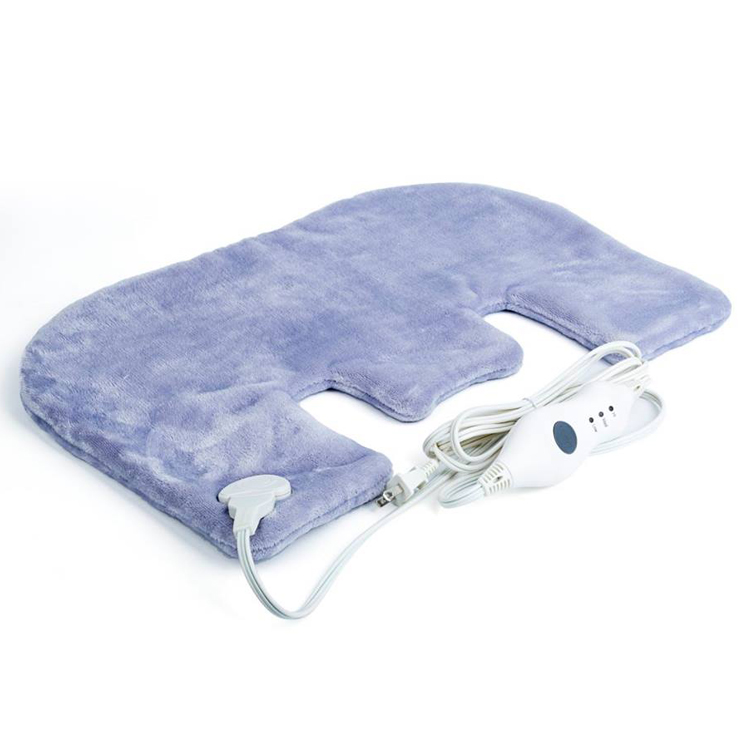
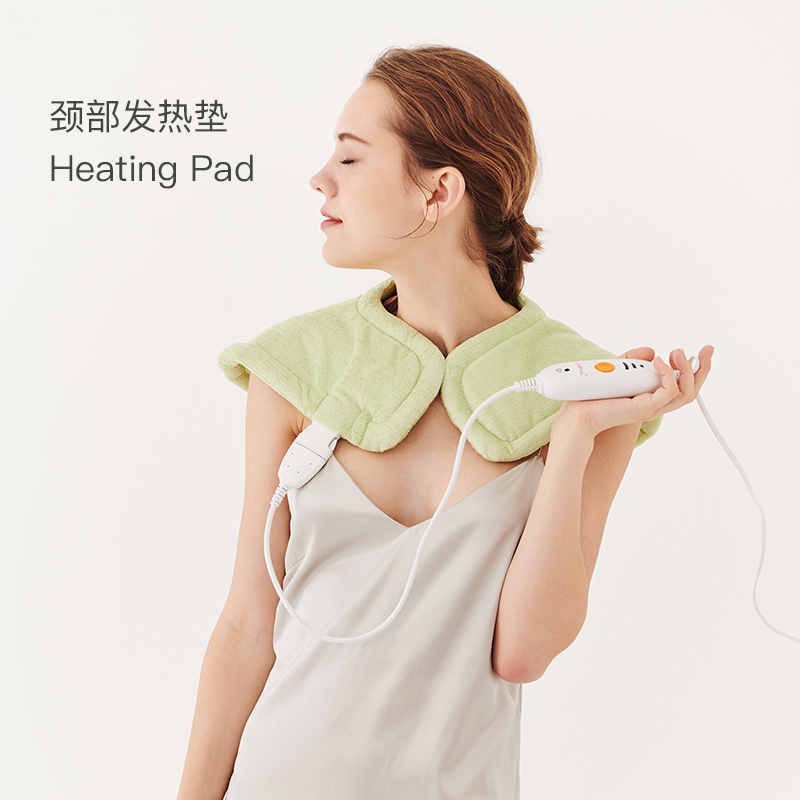
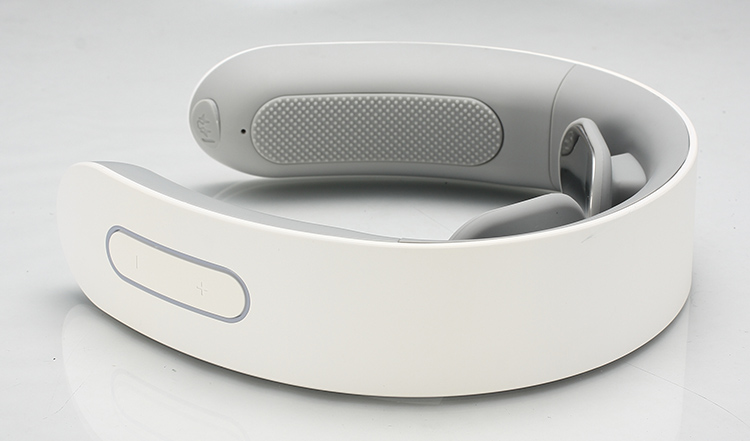
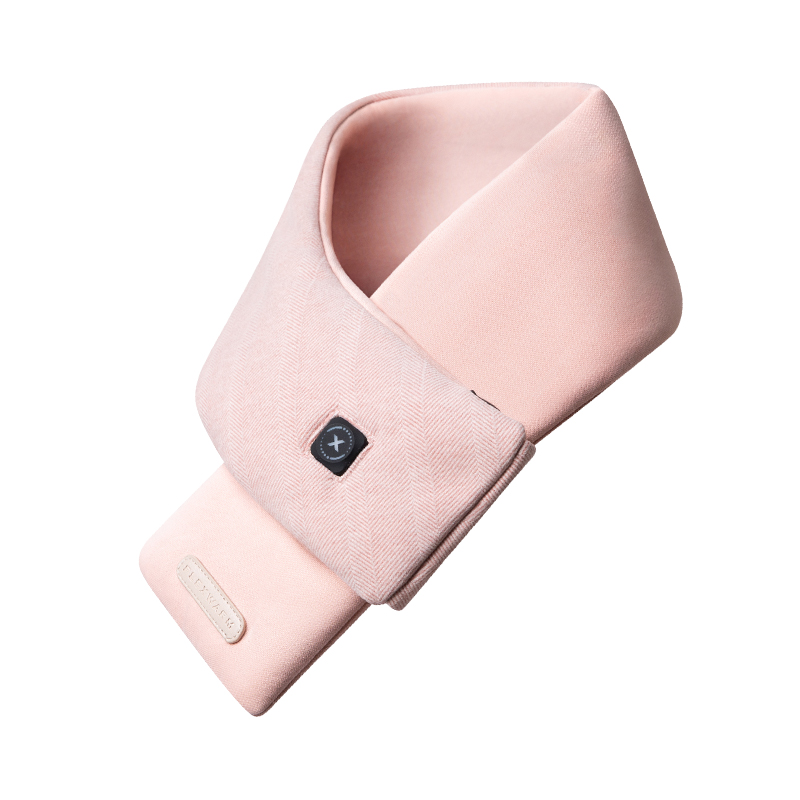
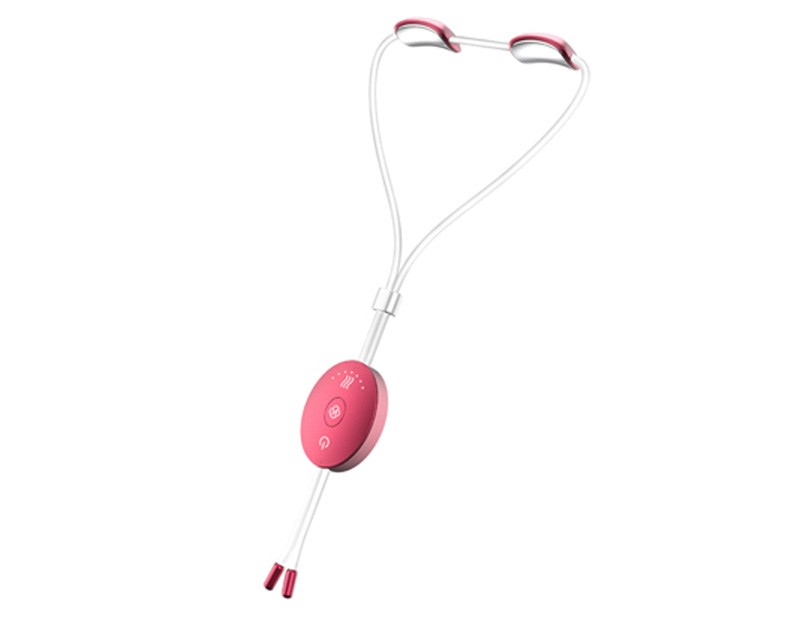
Neck & Shoulder Massagers
Source premium Neck & Shoulder Massagers from vetted manufacturers and wholesale suppliers. Designed for importers, healthcare distributors, and brands seeking reliable OEM and private-label production, our network delivers compliant, high-performance massage therapy devices built for volume commercial markets.
Sourcing neck and shoulder massagers at scale requires balancing ergonomic design with electrical safety and mechanical durability. The core challenge for volume buyers isn't just finding a factory capable of assembling massage nodes and fabric; it's securing a supply chain that consistently delivers reliable motors, safe heating elements, and compliant battery packs without unpredictable defect rates.
Critical Specifications and Component Sourcing
The longevity and performance of a neck and shoulder massager depend heavily on its internal components. When negotiating with manufacturers, specifying the exact grade of these components prevents silent downgrades during production.
- Motor Quality: The motor dictates stall force and noise levels. Standard massagers often use brushed DC motors, which are cost-effective but prone to wear and higher noise output. Premium models transition to brushless motors, offering higher torque, longer lifespans, and quieter operation (under 50 dB).
- Battery Packs (for cordless models): Lithium-ion batteries are standard, typically ranging from 1800mAh to 2500mAh. It is critical to specify UN38.3 and UL-certified cells. Uncertified batteries are the primary cause of thermal events and customs seizures.
- Heating Elements: Most units feature an infrared or PTC (Positive Temperature Coefficient) heating function. The system must include a thermal cutoff switch to prevent the temperature from exceeding 45 degrees Celsius, ensuring user safety and avoiding fabric degradation.
- Exterior Materials: The friction between the massage nodes and the user's body puts immense stress on the fabric. High-grade, hydrolysis-resistant PU leather and double-layered breathable mesh are required to prevent premature tearing.
| Component | Standard Wholesale | Premium / Custom OEM |
|---|---|---|
| Motor | Brushed DC, standard torque | Brushless DC, high torque, low noise |
| Battery | 1800mAh, basic protection | 2500mAh+, UL/CB certified pack |
| Heating | Basic infrared, 40°C max | Advanced PTC with strict thermal cutoff |
| Exterior | Standard PU leather | Hydrolysis-resistant PU, double mesh |
Need help verifying supplier component specifications? We audit factories and validate BOMs to ensure you get exactly what you pay for.
Talk to our teamManufacturing Realities and Quality Control
The assembly of neck and shoulder massagers involves both electronic integration and textile stitching, creating multiple points of failure on the factory floor. Uneven tension in the PU leather can cause the fabric to tear over the massage nodes, while poor PCB soldering can lead to intermittent power failures or heating malfunctions.
Implementing rigorous Quality Control & Inspection is non-negotiable. In-line inspections should verify the alignment of the massage nodes and the integrity of the motor housing before the unit is sealed in fabric.
Pre-Shipment Inspection Focus Areas
- Acoustic testing: Verify operating noise remains under specified decibel limits under load.
- Thermal testing: Ensure the heating function reaches the target temperature within 3 minutes and does not exceed safety thresholds.
- Stress testing: Apply sustained pressure to the massage nodes to check motor stall force and gear durability.
- Stitching integrity: Inspect the seams joining the breathable mesh to the PU leather for adequate tension and reinforcement.
- Battery safety: Verify overcharge, over-discharge, and short-circuit protection circuits are functioning.
Additionally, navigating Compliance & Testing is a major hurdle. Depending on your market, you will need to verify CE (EMC/LVD), RoHS, and FCC compliance. If the device makes therapeutic claims, FDA registration may also be required in the United States.
Sourcing Mechanics: MOQs, Lead Times, and Pricing
Understanding the baseline economics of massager manufacturing helps in structuring your purchasing agreements and setting realistic timelines.
Pricing is highly elastic and driven primarily by battery capacity, motor type, and the quality of the PU leather. A factory offering a price significantly below market average is almost certainly cutting costs on the battery cells or using single-layer mesh that will fail within months of use.
When utilizing OEM/ODM Services, expect to pay a premium for custom node configurations (e.g., 8-node vs. 4-node designs) or specific kneading patterns, as these require different gearboxes and PCB programming.
Ready to negotiate better terms and secure reliable production? Let us manage the supplier vetting and pricing negotiations for your next order.
Get a free consultationBuyer FAQ
Successful volume sourcing in the neck and shoulder massager category requires looking past the cosmetic exterior to validate the mechanical and electrical engineering inside. By defining strict component standards and enforcing rigorous quality control, buyers can mitigate defect risks and build a highly profitable product line.
Get Sourcing Help for Neck & Shoulder Massagers
Tell us your requirements and our experts will connect you with verified manufacturers.