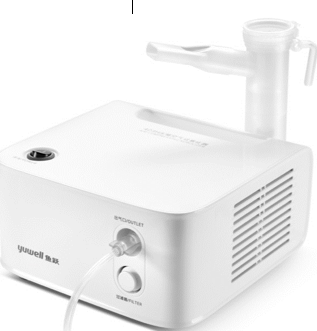
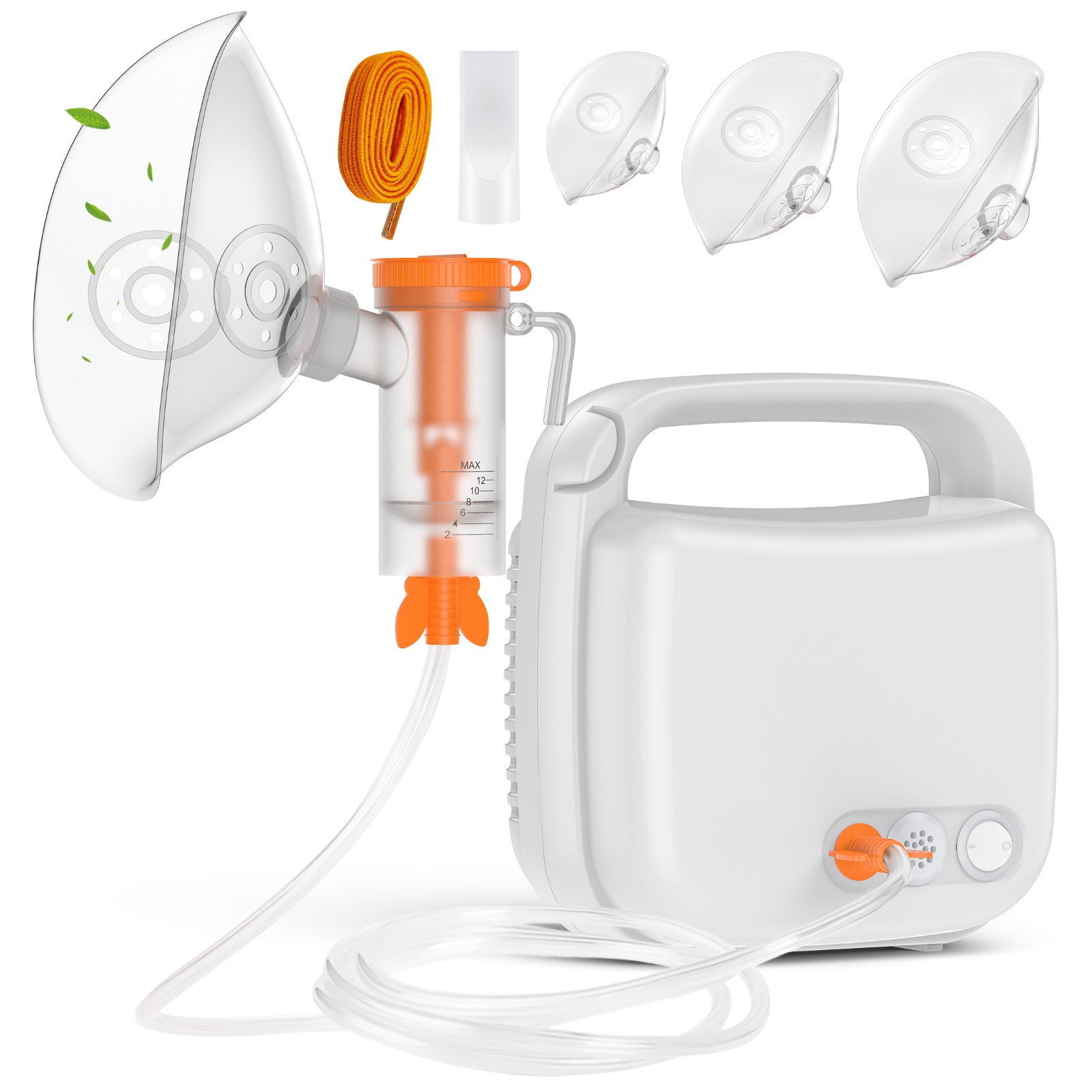
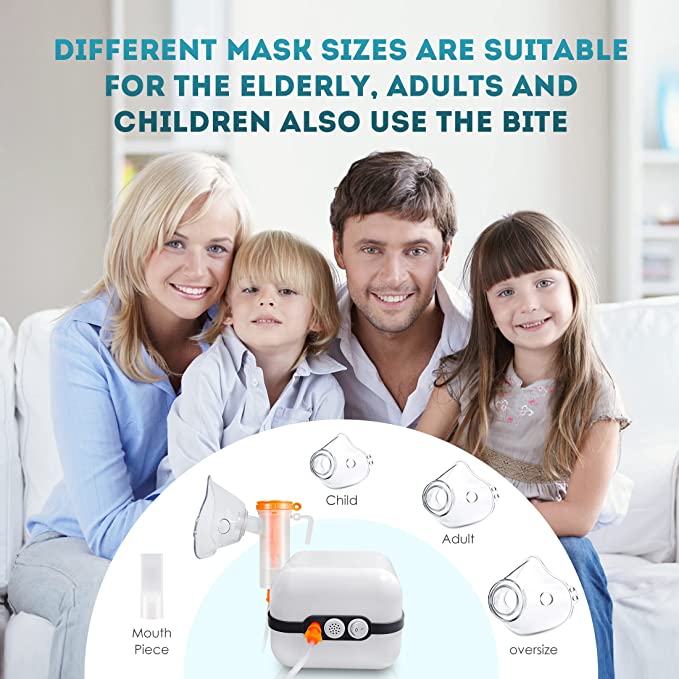
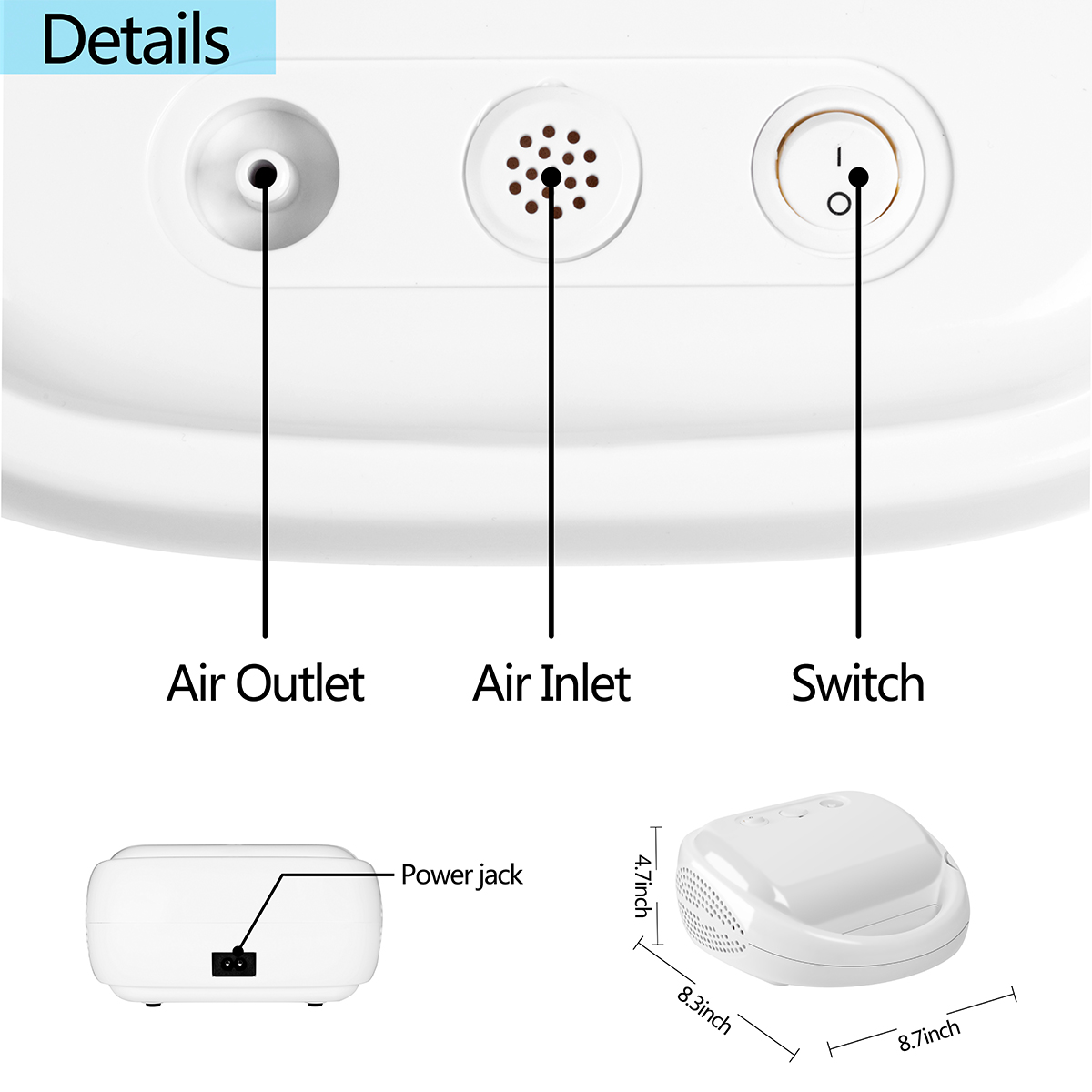
Nebulizers
Source high-quality nebulizers from vetted suppliers and manufacturers across Asia. Designed for medical device importers, healthcare distributors, and brands seeking OEM or private-label production, this selection offers reliable, compliant respiratory solutions for bulk procurement and wholesale distribution.
Sourcing household and clinical nebulizers requires balancing strict medical device compliance with cost-effective manufacturing. Whether you are importing traditional compressor units or portable vibrating mesh devices, securing consistent aerosolization performance and passing regulatory scrutiny is where most procurement challenges arise. Success depends on identifying factories with robust quality management systems and the technical capability to maintain precise particle size distribution across high-volume production runs.
Defining Core Specifications for Procurement
The clinical efficacy of a nebulizer is dictated by its ability to deliver medication deep into the patient's respiratory tract. When evaluating supplier prototypes or off-the-shelf white-label models, the specifications must align with established therapeutic standards.
| Specification Metric | Compressor Nebulizers | Mesh (Vibrating) Nebulizers |
|---|---|---|
| MMAD (Particle Size) | Typically 2 to 5 µm | Typically 1 to 5 µm |
| Nebulization Rate | 0.2 to 0.3 ml/min | 0.25 to 0.5 ml/min |
| Operating Noise | Under 65 dB | Under 50 dB (Near silent) |
| Residual Volume | Higher (up to 1.5 ml) | Minimal (under 0.5 ml) |
| Durability Focus | Motor lifespan, air tube seals | Piezoelectric mesh integrity |
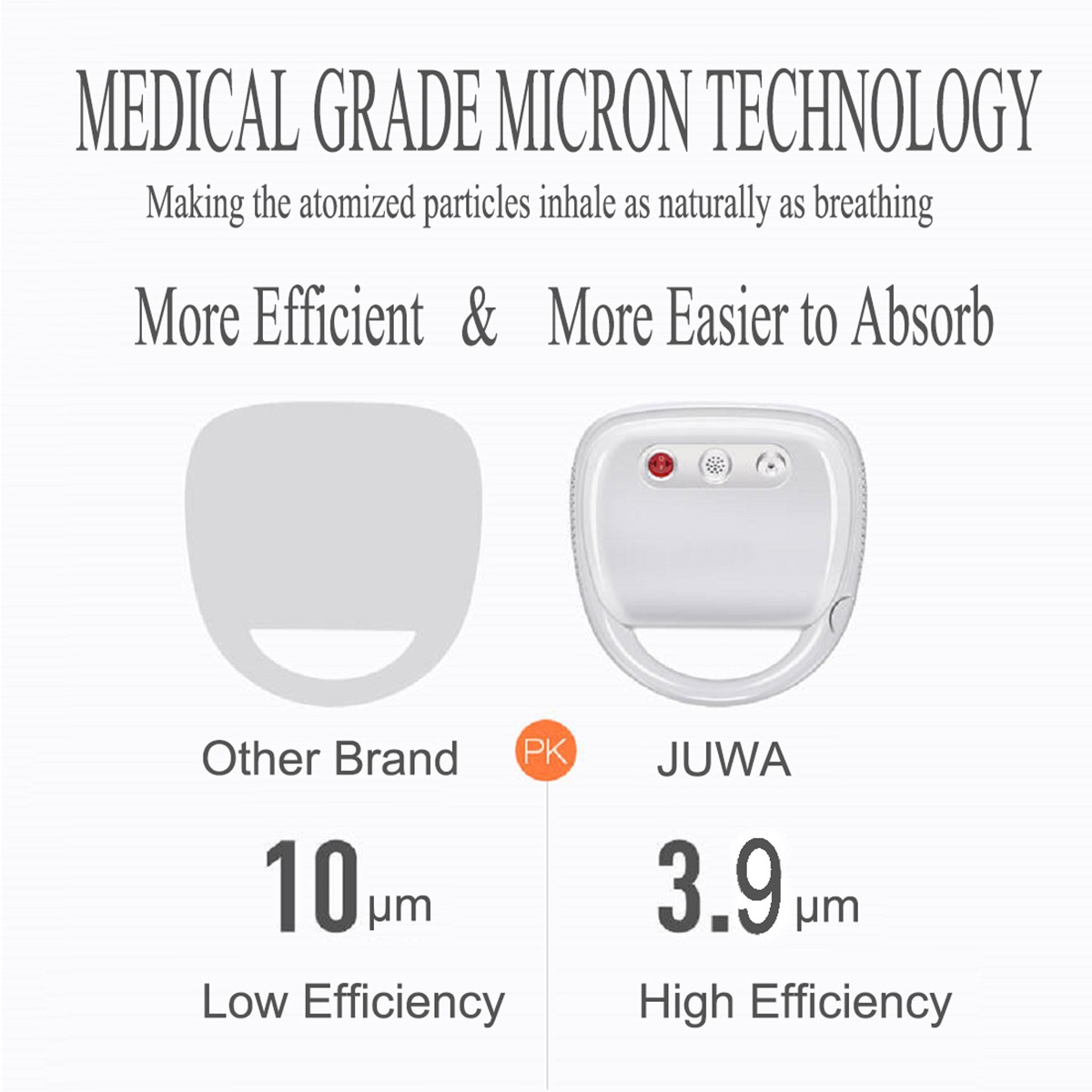
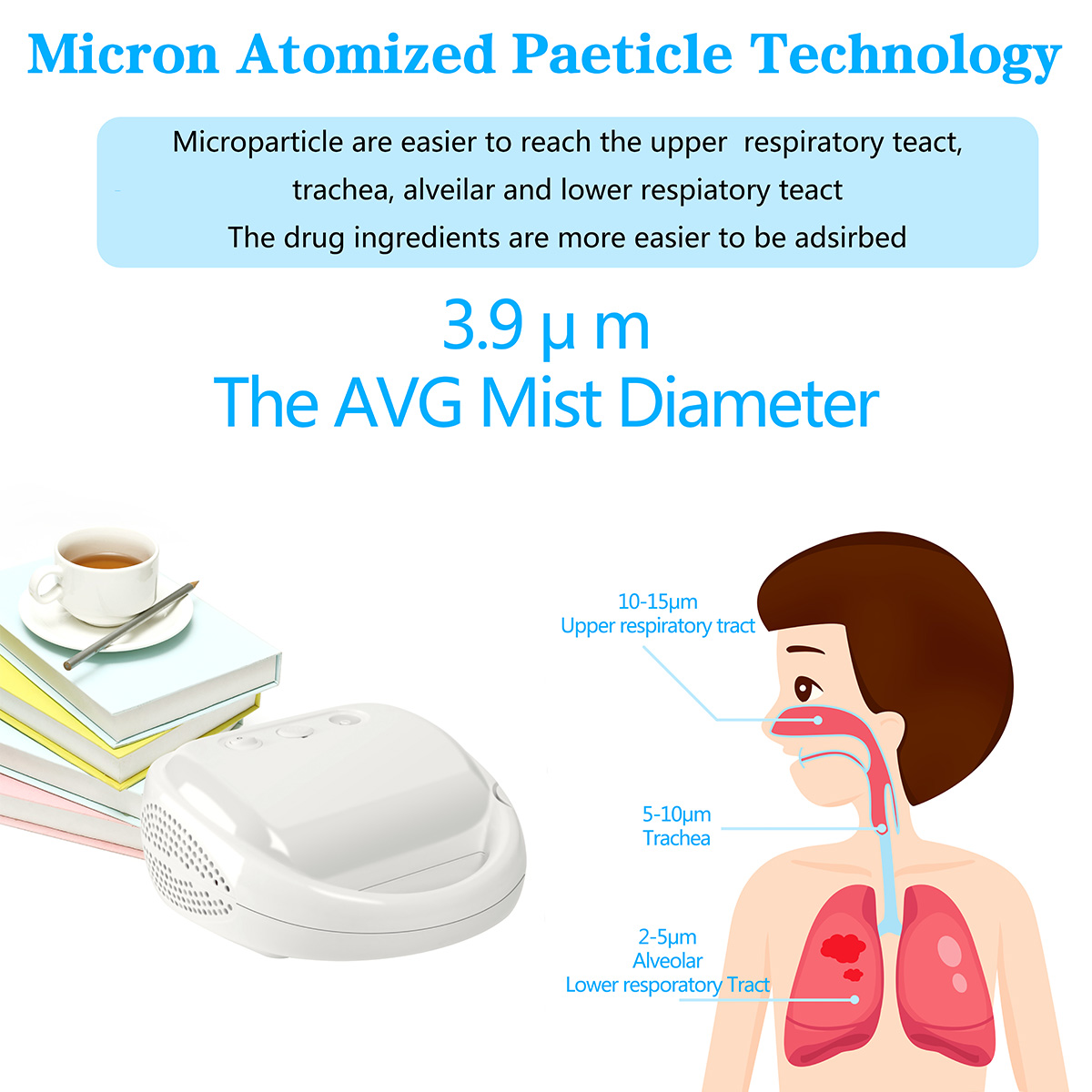
The Mass Median Aerodynamic Diameter (MMAD) is the most critical metric; particles must be between 1 and 5 micrometers to reach the lower airways effectively. Devices producing larger particles will result in medication settling in the throat, rendering the treatment ineffective and risking regulatory rejection.
Need help verifying a manufacturer's technical claims? Let our engineers evaluate their device specifications and testing data.
Talk to our teamManufacturing Tolerances and Quality Control
Nebulizer manufacturing involves precise assembly of micro-components, particularly in mesh variants. The vibrating mesh utilizes a piezoelectric element with thousands of laser-drilled microscopic holes. Inconsistent drilling or poor assembly leads to fluctuating nebulization rates and premature device failure.
To ensure consistent quality, rigorous Factory Audits are essential before placing an order. You must verify that the supplier holds a valid ISO 13485 certification for medical device manufacturing, not just a generic ISO 9001 certificate.
Critical Pre-Shipment Inspection Points
- Aerosol output testing: Verify MMAD and nebulization rate using laser diffraction.
- Biocompatibility verification: Ensure masks and mouthpieces pass ISO 10993 standards for cytotoxicity and sensitization.
- Electrical safety: Test for leakage current and dielectric strength (IEC 60601-1 compliance).
- Seal integrity: Check medication cups for leaks during operation and when inverted.
- Battery cycle testing: For portable mesh units, verify charge retention and power output stability.
Because nebulizer components come into direct contact with the patient's face and respiratory pathway, material safety is non-negotiable. Medical-grade PVC, silicone, and PP (polypropylene) must be used. Partnering with experts for Compliance & Testing ensures your imported devices meet FDA 510(k), CE (MDR), or local regulatory requirements before they leave the factory.
MOQs, Pricing, and OEM Customization
When sourcing directly from manufacturers, standardizing your expectations for lead times and minimum order quantities (MOQs) helps streamline negotiations. Most medical device factories operate with strict minimums to justify tooling setups and raw material procurement.
If you are pursuing OEM/ODM Services to develop a custom housing or integrate smart features (like Bluetooth compliance tracking), expect MOQs to start at 5,000 units and lead times to extend by 60 to 90 days for tooling and validation. Tooling costs for custom injection molds typically range from a few thousand to over ten thousand dollars, depending on complexity and cavity count.
Planning a private-label medical device line? We can help you negotiate favorable MOQs and manage the OEM production schedule.
Get a free consultationBuyer FAQ
Procuring medical devices like nebulizers demands a rigorous approach to supplier selection, technical validation, and regulatory compliance. Securing a reliable manufacturing partner ensures your products deliver consistent therapeutic performance while protecting your brand from costly recalls or border rejections.
Get Sourcing Help for Nebulizers
Tell us your requirements and our experts will connect you with verified manufacturers.