Navigation & GPS
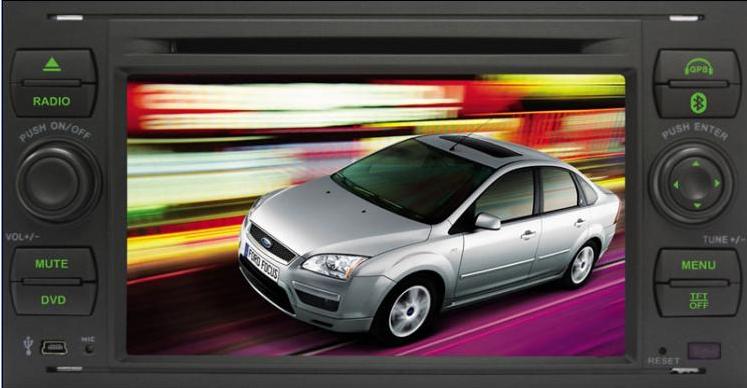
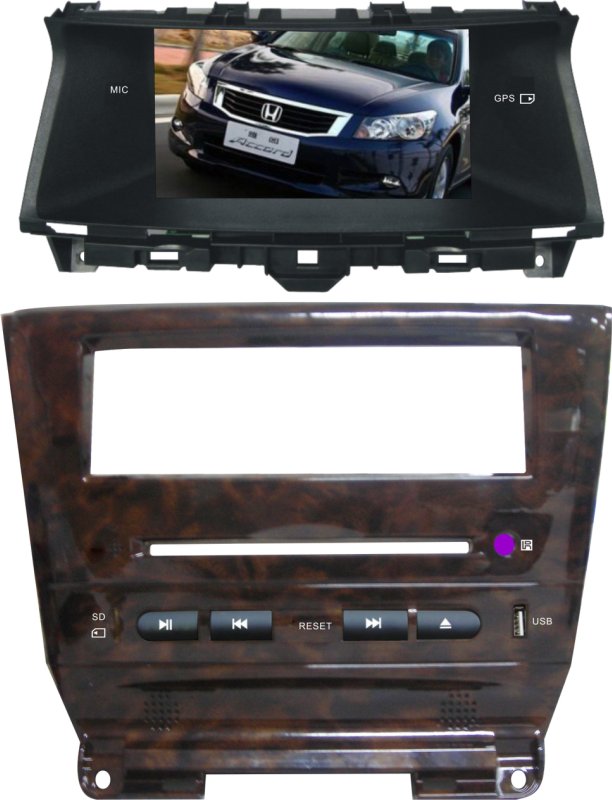
Source reliable Navigation & GPS hardware from vetted manufacturers and suppliers in Asia. Designed for importers, auto electronics wholesalers, and brands seeking high-volume OEM/private-label production, our network delivers precision routing hardware built for global markets.
Sourcing automotive navigation and GPS units requires balancing hardware stability with software flexibility. The core challenge isn't just finding a factory that can assemble a screen and a motherboard; it is securing a manufacturing partner capable of consistent component sourcing, rigorous thermal testing, and reliable operating system integration. In the automotive environment, devices must withstand extreme temperature fluctuations, continuous vibration, and voltage spikes while delivering uninterrupted satellite lock and responsive interfaces.
Critical Hardware Specifications
When negotiating with suppliers, buyers must look beyond the basic screen size and operating system version. The reliability of an automotive GPS unit is dictated by its internal component architecture. Specifying the exact grade of these components prevents suppliers from substituting cheaper alternatives during mass production.
Key Component Specifications to Define
- GNSS/GPS Chipset: Specify the exact module brand and series (e.g., U-blox, MediaTek) to ensure multi-constellation support (GPS, GLONASS, Galileo) and rapid Time-To-First-Fix (TTFF).
- Processor & Memory: For Android-based units, mandate minimum RAM/ROM thresholds and specific SoC (System on Chip) architectures to prevent UI lag during multitasking.
- Display Panel: Specify IPS panels with capacitive touch, minimum brightness levels (nits) for daylight visibility, and automotive-grade operating temperature ranges.
- Thermal Management: Require dedicated heat sinks and thermal pasting on the CPU and amplifier ICs to prevent throttling or failure in hot vehicle cabins.
Manufacturing Quality & Factory Capabilities
The assembly of navigation units is heavily reliant on automated Surface Mount Technology (SMT) lines. The precision of the SMT process directly impacts the longevity of the PCBA (Printed Circuit Board Assembly). A factory's capability should be verified through comprehensive Factory Audits before placing high-value orders, focusing on their anti-static protocols, SMT defect rates, and environmental testing chambers.
Vibration and Thermal Testing
Automotive electronics must survive harsh conditions. Ensure your supplier performs high-low temperature cycling (typically -20°C to 70°C) and multi-axis vibration testing on every production batch. Skipping these tests is the leading cause of premature field failures.
To catch integration issues early, implement strict Quality Control & Inspection protocols. Pre-shipment inspections should include functional tests for satellite acquisition speed under obstructed views, Bluetooth connectivity stability, and screen responsiveness across various temperature states.
Need help verifying factory capabilities and establishing rigorous quality control for your electronics order?
Talk to our teamCustomization and OEM Integration
Many brands require deep customization beyond simple logo printing. Developing a proprietary user interface, integrating specific CAN bus decoders for steering wheel controls, or designing custom bezels requires a supplier with strong in-house R&D. Utilizing robust OEM/ODM Services ensures that the factory's software engineers can properly map the firmware to your target vehicle's electrical architecture without causing battery drain or dashboard warning lights.
| Customization Level | Typical Requirements | Engineering Focus |
|---|---|---|
| White Label | Logo on boot screen, custom packaging | Minimal; standard firmware flashing |
| Light OEM | Custom UI launcher, pre-loaded apps | Software integration, UI/UX testing |
| Full ODM | Custom PCB layout, unique tooling, CAN bus decoding | Hardware design, thermal modeling, deep firmware coding |
Sourcing Mechanics: MOQ, Pricing, and Lead Times
Pricing in the auto electronics sector is highly volatile and tightly coupled to the global semiconductor market. Buyers should expect cost fluctuations based on memory chip and display panel commodity pricing.
Compliance is another critical cost driver. Units destined for North America or Europe must pass stringent electromagnetic interference (EMI) standards. Partnering with experts for Compliance & Testing ensures your units achieve valid FCC, CE, RoHS, or E-mark certifications, preventing costly customs seizures.
Optimize your procurement strategy and negotiate better terms with vetted electronics manufacturers.
Get a free consultationFrequently Asked Questions
Successfully sourcing navigation and GPS systems means looking past the spec sheet to evaluate the manufacturing processes that guarantee long-term stability in the dashboard. By setting rigid component standards and enforcing environmental testing, you protect your brand from high return rates and secure a reliable product line.
Get Sourcing Help for Navigation & GPS
Tell us your requirements and our experts will connect you with verified manufacturers.