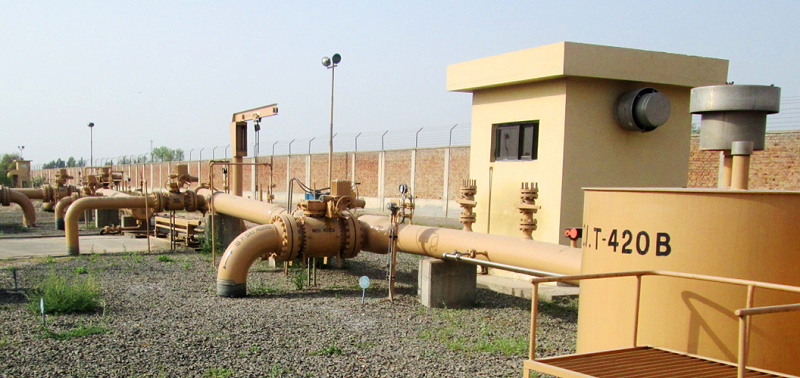
Natural Gass Pipeline Transportation Engineering
Source natural gas pipeline transportation engineering materials and equipment from vetted Asian manufacturers. Designed for EPC contractors, procurement managers, and energy sector importers, our network provides API-certified pipes, valves, and compressor components for bulk and custom project requirements.
Procuring materials and equipment for natural gas pipeline transportation engineering requires navigating strict international standards, complex metallurgical requirements, and high-stakes quality control. Whether you are sourcing high-yield line pipe, heavy-duty isolation valves, or compressor station skids, the margin for error is zero. Sourcing these components from overseas manufacturers offers significant capital expenditure advantages, provided the supply chain is rigorously vetted for technical capability and regulatory compliance.
Core Component Specifications
The backbone of any gas transmission project is the line pipe and its associated control infrastructure. When engaging with overseas mills and foundries, procurement teams must strictly define metallurgical grades, manufacturing methods, and coating specifications.
Line Pipe Grades and Applications
Natural gas transmission relies heavily on API 5L specification steel. Higher grades allow for thinner wall thicknesses at higher operating pressures, reducing overall material weight and transportation costs, but they require advanced welding and forming capabilities from the manufacturer.
| Pipe Grade | Min. Yield Strength (MPa) | Typical Application |
|---|---|---|
| API 5L X52 | 358 | Medium-pressure regional distribution networks |
| API 5L X65 | 448 | Standard high-pressure transmission lines |
| API 5L X70 | 483 | Long-distance, high-capacity transmission |
| API 5L X80 | 552 | Extreme pressure, harsh environment transit |
Anti-Corrosion Coatings
Bare steel is rarely deployed in pipeline engineering. Specifying the correct factory-applied coating is critical for the asset's design life. Three-Layer Polyethylene (3LPE) and Fusion Bonded Epoxy (FBE) are the industry standards. Ensure the mill has in-house coating facilities to avoid secondary transportation and handling damage before export.
Manufacturing Processes and Quality Control
The integrity of pipeline components is won or lost during the manufacturing and welding phases. For line pipe, the choice between Seamless (SMLS), Longitudinal Submerged Arc Welding (LSAW), and Spiral Submerged Arc Welding (SSAW) depends on the pipe diameter and operating pressure. LSAW is generally preferred for high-pressure transmission due to its uniform stress distribution.
Validating a manufacturer's claims requires more than checking a certificate. Comprehensive Factory Audits are mandatory to verify that the mill's API Monogram is current and applies specifically to the required pipe grade and manufacturing method.
Critical Quality Control Checkpoints
- Verify API 5L / API 6D monogram validity and facility scope.
- Review the Inspection and Test Plan (ITP) prior to production.
- Ensure 100 percent Non-Destructive Testing (NDT) via ultrasonic or radiographic methods on all weld seams.
- Confirm hydrostatic testing pressures exceed the maximum allowable operating pressure (MAOP) by the required safety factor.
- Check raw material traceability (Mill Test Certificates to EN 10204 3.1 or 3.2).
Struggling to verify API certifications or coordinate third-party inspections? Let our engineering sourcing specialists secure your supply chain.
Consult our sourcing teamProject Logistics and Supply Chain Management
Natural gas pipeline transportation engineering involves massive volumes of out-of-gauge and heavy-lift cargo. Moving thousands of metric tons of coated steel pipe, massive ball valves, and metering skids across oceans requires specialized Shipping & Freight coordination.
Staging and consolidation are major challenges. Often, line pipe is sourced from one mill, while valves and fittings come from specialized foundries. Effective Supply Chain Management ensures these components arrive at the project site in the correct sequence to support the construction schedule, avoiding costly delays or excessive on-site storage requirements.
Typical MOQs, Lead Times, and Pricing Drivers
Pricing in this sector is highly volatile, driven by global iron ore prices, energy costs, and the specific alloy requirements (such as sour service / H2S resistance).
When negotiating, remember that the lowest price per metric ton often excludes critical testing or utilizes lower-tier raw steel billets. Always demand pricing based on a fully detailed technical specification and clearly defined Incoterms.
Need accurate pricing and lead time estimates for your next pipeline project? Speak with our procurement engineers.
Discuss project requirementsFrequently Asked Questions
Successfully sourcing natural gas pipeline engineering components requires bridging the gap between stringent domestic engineering standards and overseas manufacturing realities. By enforcing rigorous quality control, demanding absolute traceability, and actively managing the logistics of out-of-gauge cargo, procurement teams can execute highly cost-effective infrastructure projects without compromising safety or asset lifespan.
Get Sourcing Help for Natural Gass Pipeline Transportation Engineering
Tell us your requirements and our experts will connect you with verified manufacturers.