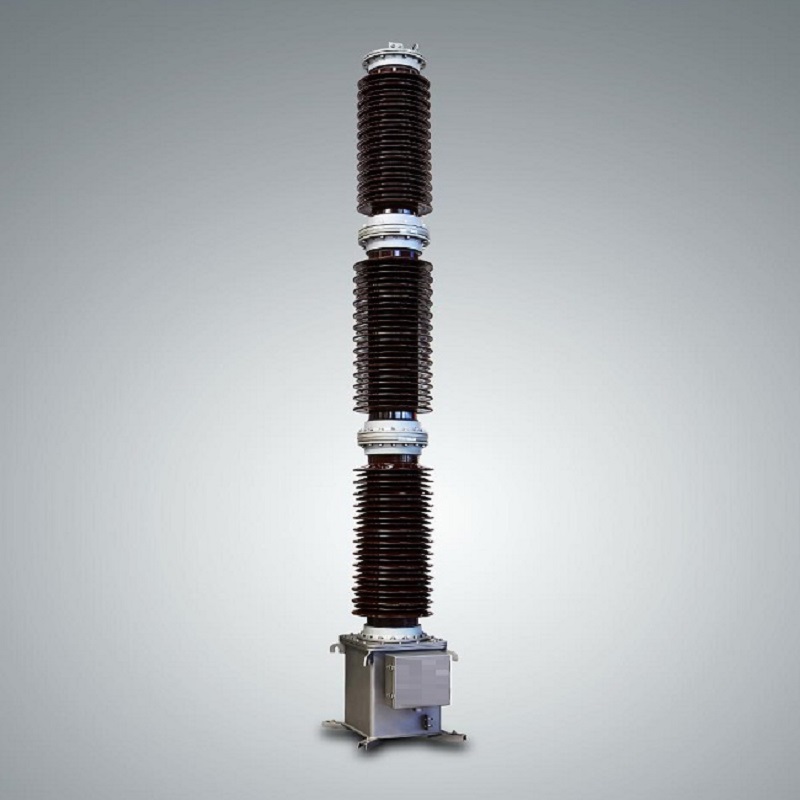
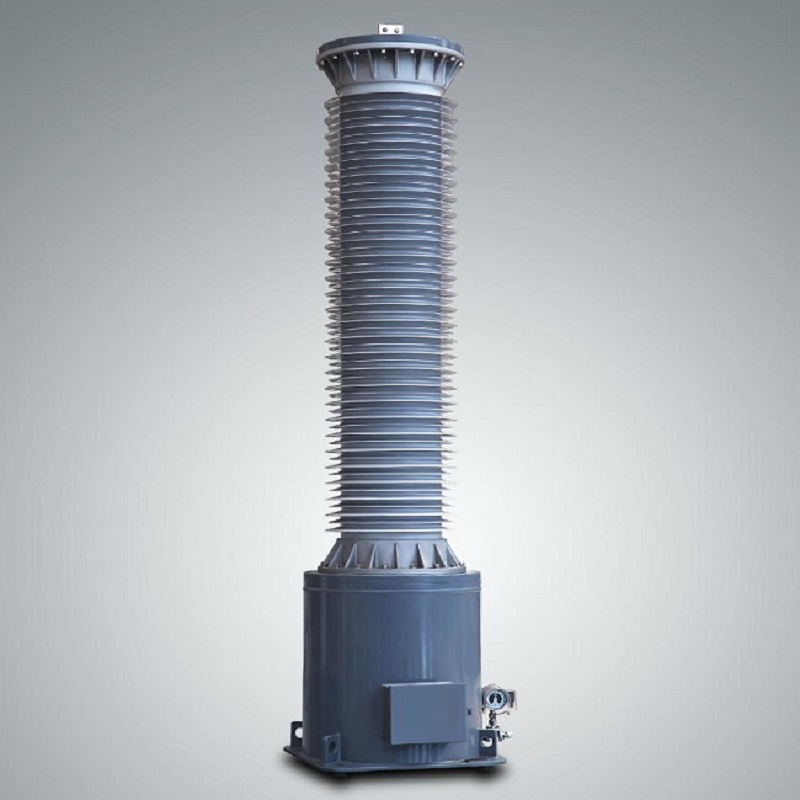
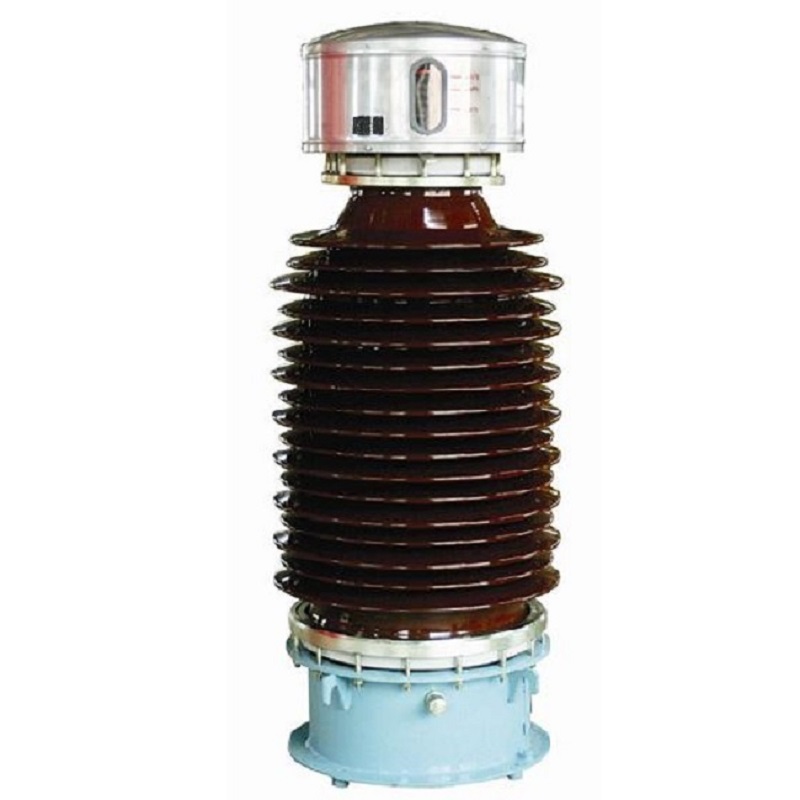
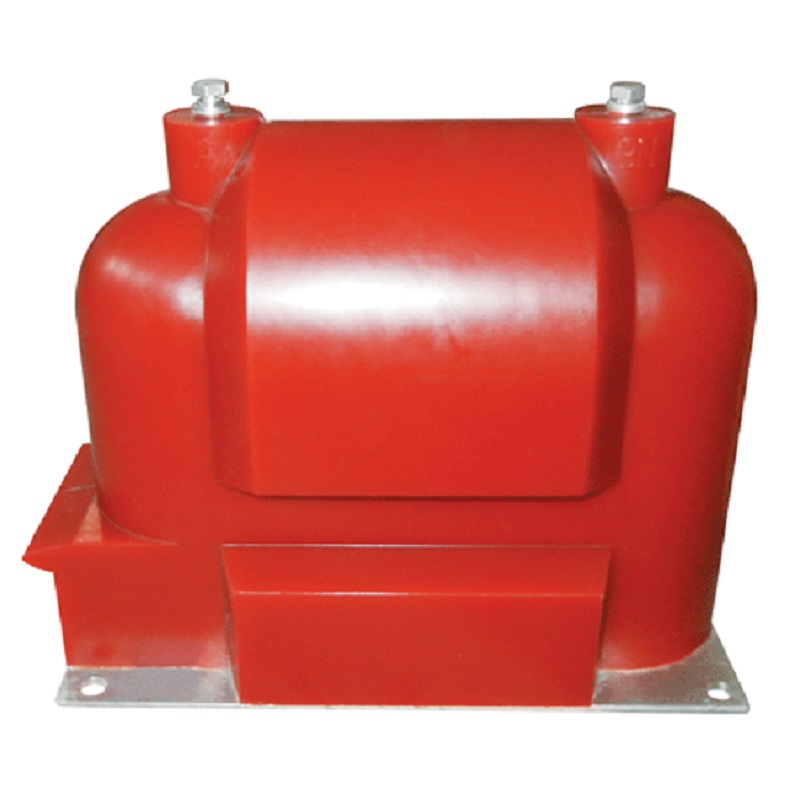
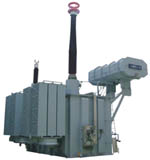
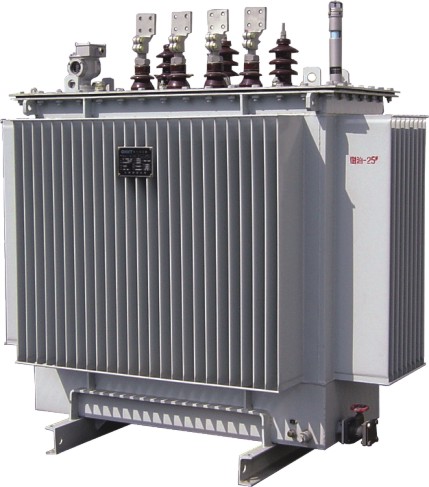
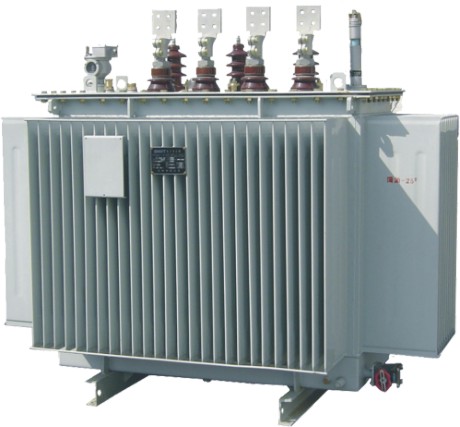
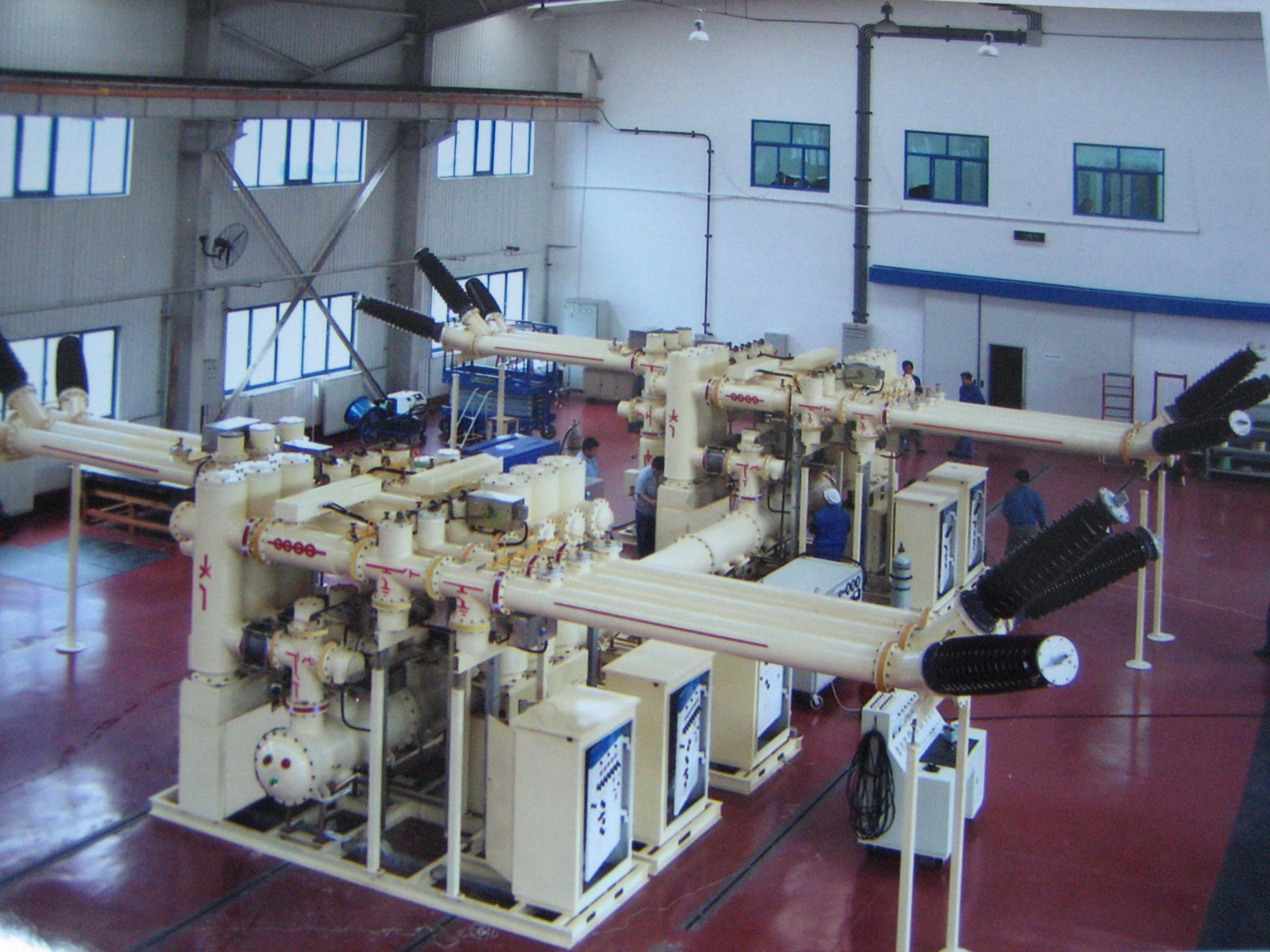
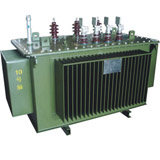
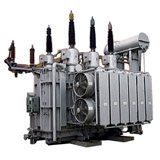
MV & HV Transformers
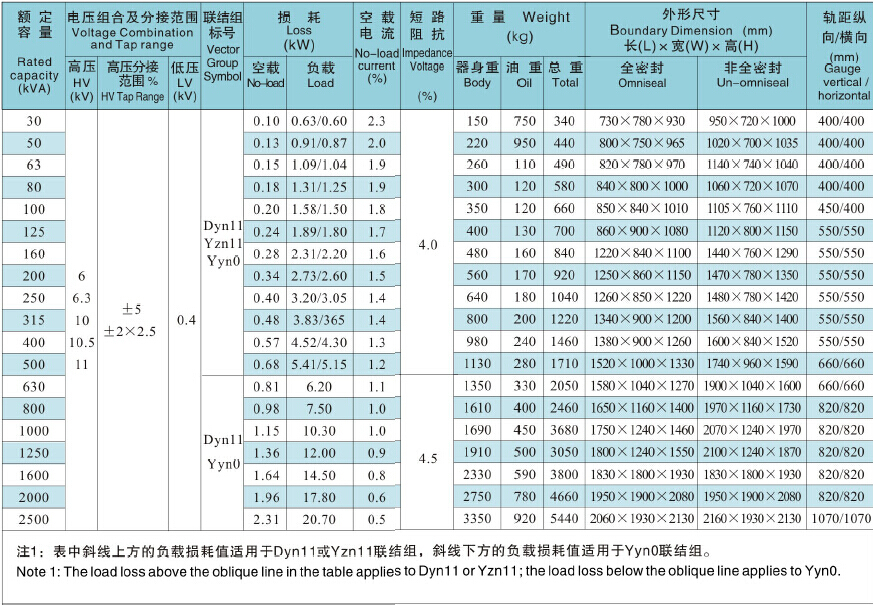
Source MV & HV Transformers from vetted suppliers and manufacturers across Asia. Designed for electrical distributors, procurement managers, and engineering firms, this catalog connects volume buyers with reliable factories for bulk orders and custom OEM production.
Sourcing medium and high voltage (MV & HV) transformers requires navigating strict technical tolerances, heavy-duty logistics, and uncompromising safety standards. Whether you are procuring oil-immersed distribution transformers or cast-resin dry-type units for large-scale infrastructure, the margin for error is zero. The true challenge lies in verifying a manufacturer's engineering capabilities, raw material sourcing, and testing facilities before committing to a high-capex bulk order.
Critical Specifications for Volume Procurement
When negotiating with manufacturers, vague specifications lead to quote variances that are impossible to compare. Factories optimize for cost unless explicitly constrained by your technical requirements. You must define the core materials, winding configurations, and cooling methods upfront.
| Component | Material / Type | Sourcing Impact |
|---|---|---|
| Core Material | CRGO Silicon Steel | Directly dictates no-load losses. Lower-tier factories may use inferior or recycled grades if not specified. |
| Windings | Electrolytic Copper vs. Aluminum | Copper offers better conductivity and smaller footprint; aluminum reduces cost and weight but requires larger tanks. |
| Cooling Method | ONAN, ONAF, AN, AF | Determines the operating environment suitability. Dry-type (AN/AF) requires specialized vacuum casting capabilities. |
| Insulation | Mineral Oil, Cast Resin, SF6 | Impacts fire safety, maintenance schedules, and environmental compliance in the destination market. |
Need help verifying a factory's engineering capabilities and raw material supply chain? Let our sourcing engineers evaluate your potential manufacturing partners.
Talk to our teamManufacturing Tolerances and Quality Control
The reliability of a transformer is won or lost on the factory floor. High-voltage equipment demands precision manufacturing that cannot be compromised. Assessing a supplier requires looking past their sales office and examining their production line infrastructure.
Executing comprehensive Factory Audits is essential to confirm the facility has the specialized equipment necessary for MV and HV production.
Core Slitting and Stacking
Advanced factories use automated step-lap core stacking machines to minimize magnetic circuit gaps, reducing noise and no-load losses.
Winding Precision
Dust-free winding rooms and automated tension control prevent micro-abrasions on the conductor insulation, which can lead to premature failure.
Vacuum Drying and Impregnation
Moisture is the enemy of insulation. Active parts must undergo rigorous vapor-phase vacuum drying before oil filling or resin casting to ensure dielectric strength.
Factory Acceptance Testing (FAT)
You cannot rely on visual inspections for high-voltage equipment. A reliable manufacturer must have an in-house high-voltage testing laboratory capable of executing routine, type, and special tests according to IEC or IEEE standards.
Your Quality Control & Inspection protocol must mandate comprehensive testing before the units leave the facility. Key tests to demand include:
- Measurement of winding resistance and voltage ratio.
- Measurement of impedance voltage, short-circuit impedance, and load loss.
- Measurement of no-load loss and current.
- Dielectric routine tests (applied voltage and induced voltage withstand).
- Partial discharge measurement (critical for cast-resin dry-type units).
Partnering with experts for Compliance & Testing ensures that the factory's test reports are accurate, untampered, and fully compliant with your local grid regulations.
Pricing Drivers, MOQs, and Lead Times
MV and HV transformers are highly customized, capital-intensive products. Pricing is highly volatile and directly tied to the global commodities market, specifically the LME prices for copper and aluminum, and the market rate for CRGO steel.
Logistics represent a significant portion of the landed cost. Transformers are heavy, dense, and often require specialized handling, such as flat rack containers, open-top containers, or break-bulk shipping for larger HV units. Coordinating Shipping & Freight early in the procurement cycle is vital to prevent project delays and cost overruns at the port.
Managing production schedules, FAT execution, and heavy-lift logistics requires dedicated oversight. Speak with our team to streamline your transformer procurement.
Get a free consultationBuyer FAQ
Procuring MV and HV transformers is an exercise in risk management. Success depends entirely on matching your technical requirements with a manufacturer that possesses the right engineering pedigree, testing infrastructure, and quality control discipline. Directing this process with experienced on-the-ground engineering support ensures your equipment performs reliably on the grid for decades.
Get Sourcing Help for MV & HV Transformers
Tell us your requirements and our experts will connect you with verified manufacturers.