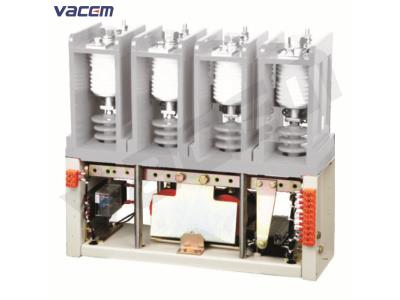
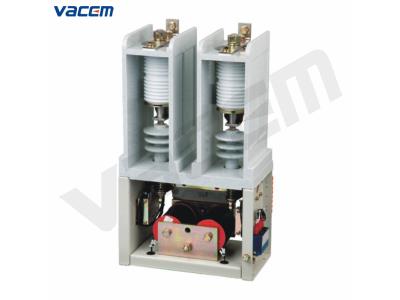
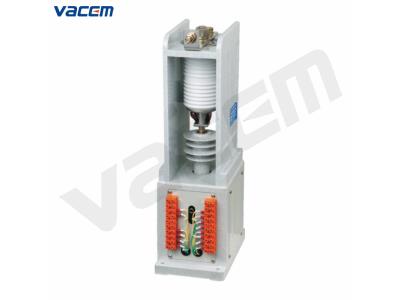
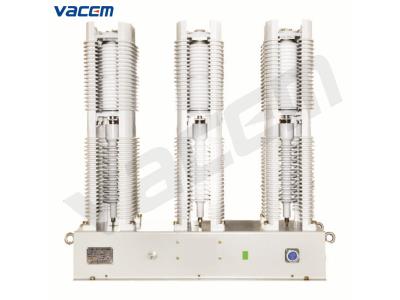
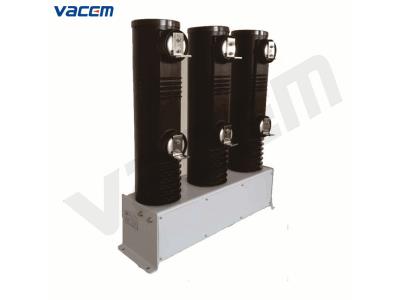
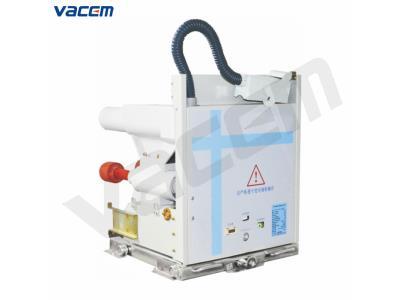
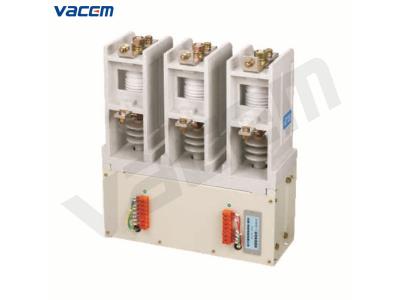
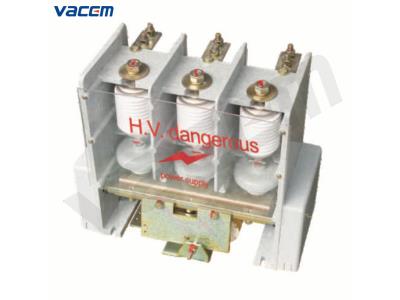
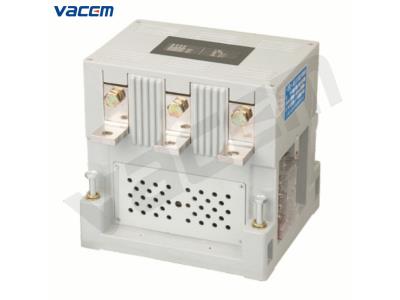
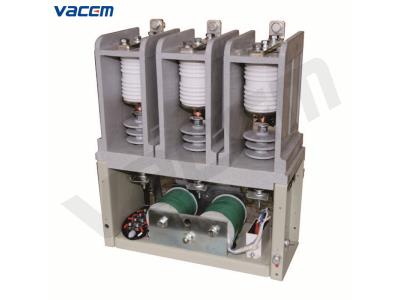
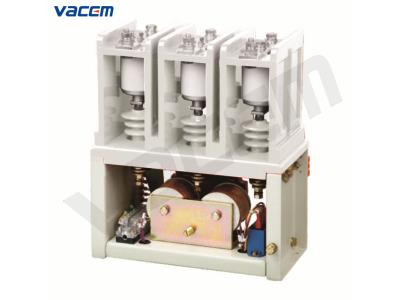
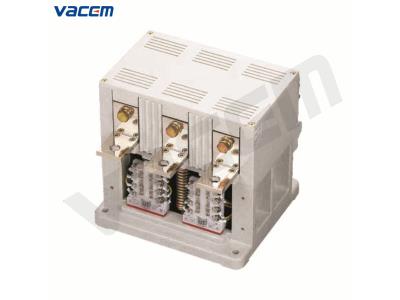
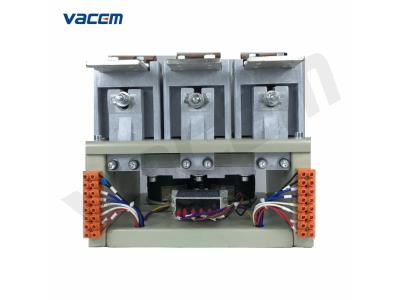
MV & HV Contactors
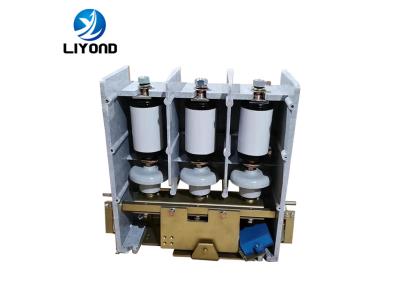
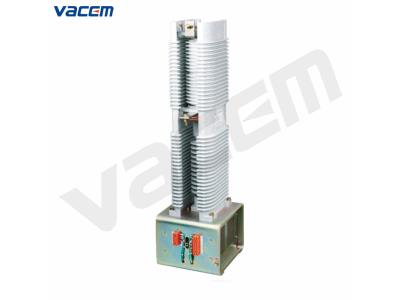
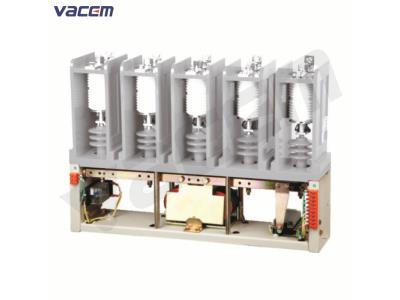
Source reliable MV & HV contactors from vetted Chinese manufacturers and suppliers. Designed for importers, electrical distributors, and OEM brands buying in volume, our wholesale catalog features robust medium and high voltage contactors engineered for heavy industrial and utility applications.
Sourcing medium and high voltage (MV & HV) contactors requires balancing strict safety tolerances with cost-effective procurement. Whether your end-users are operating heavy industrial facilities, mining equipment, or utility-scale capacitor banks, the core challenge is identical: ensuring consistent arc quenching and mechanical reliability across hundreds of thousands of switching cycles. When purchasing in bulk, overlooking component-level quality at the factory can lead to catastrophic failures in the field.
Defining Critical Specifications for Bulk Orders
Unlike low-voltage components, MV and HV contactors—predominantly vacuum contactors—are highly application-specific. Your RFQ must clearly define the operational parameters to avoid receiving units that are under-specced for the intended load or over-engineered for the budget.
Essential RFQ Parameters for Factory Sourcing
- Rated Operational Voltage (Ue): Typically 3.6kV, 7.2kV, 12kV, or up to 24kV.
- Rated Operational Current (Ie): Standard ratings range from 160A to 630A, with higher ratings for specialized applications.
- Control Voltage: Specify AC or DC, and the exact voltage (e.g., 110V, 220V) for the operating coils.
- Holding Mechanism: Specify electrically held (continuous power to coil) or mechanically latched (pulse to close, pulse to open).
- Category of Duty: AC-3 (starting squirrel-cage motors) or AC-4 (plugging/reversing) per IEC standards.
Manufacturing Quality: The Vacuum Interrupter
The heart of an MV contactor is the vacuum interrupter (VI). The factory's capability to manufacture or source high-grade VIs dictates the lifespan of the contactor.
The contact material inside the VI is usually a copper-chromium (CuCr) alloy. A poor alloy mix or inadequate degassing during the vacuum sealing process leads to premature contact wear, increased contact resistance, and eventual thermal failure. When evaluating a new supplier, it is critical to verify their supply chain for VIs. Do they manufacture the interrupters in-house in a cleanroom environment, or do they source them from reputable tier-one suppliers?
Need help verifying a manufacturer's vacuum interrupter supply chain and testing capabilities? Our engineering team can evaluate factory credentials on your behalf.
Discuss your technical requirementsCritical Factory Checkpoints
To mitigate risks before shipment, robust quality control & inspection protocols must be enforced at the factory level.
Dielectric Withstand Testing
Ensures the vacuum gap and external insulation can withstand power-frequency overvoltages and lightning impulses.
Contact Resistance Measurement
Verifies that the closed contacts have minimal resistance, preventing excessive temperature rise during continuous operation.
Mechanical Timing Tests
Measures closing and opening times, as well as contact bounce duration, which must remain strictly within IEC limits.
Coil Insulation Verification
Tests the control coil's insulation to prevent short circuits under continuous duty or high-temperature environments.
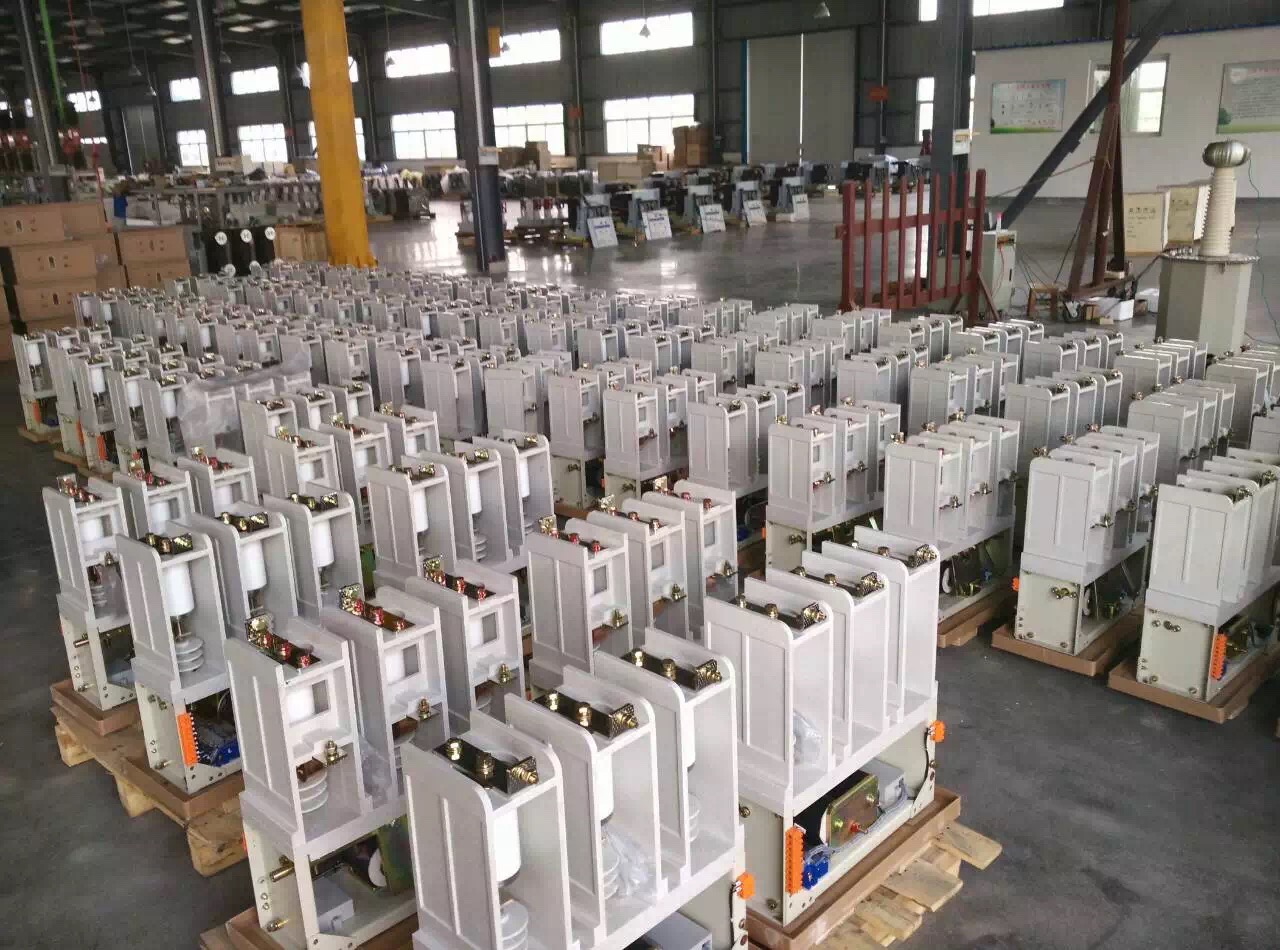
If you are sourcing a new supplier, relying solely on self-reported test data is risky. Executing independent factory audits ensures the manufacturer actually possesses the high-voltage testing bays and cleanroom facilities they claim.
Compliance and International Standards
For MV contactors, compliance with IEC 62271-106 (High-voltage switchgear and controlgear - Alternating current contactors, contactor-based controllers and motor-starters) is the global baseline. If you are importing into North America, UL 347 or ANSI/IEEE C37.66 compliance is mandatory.
Factories often hold certificates for a specific model but may attempt to apply that certification to their entire catalog. Always request the full type-test reports for the exact voltage and current rating you are purchasing. If customizations are made for your specific OEM requirements, compliance & testing must be re-verified through a recognized third-party laboratory.
Pricing Drivers, MOQs, and Lead Times
Because medium and high voltage contactors are high-value, specialized items, Minimum Order Quantities (MOQs) are significantly lower than low-voltage components.
| Order Type | Typical MOQ | Estimated Lead Time | Cost Driver |
|---|---|---|---|
| Standard Off-the-Shelf | 10 to 50 units | 4 to 6 weeks | Raw material (Copper, CuCr) |
| OEM Custom Configuration | 50 to 100 units | 6 to 10 weeks | Tooling & custom coil winding |
| High-Voltage (over 12kV) | 5 to 20 units | 8 to 12 weeks | Specialized vacuum interrupters |
Pricing is heavily influenced by the raw material costs of copper and the origin of the vacuum interrupter. Be wary of quotes that fall significantly below the market average; these often indicate the use of refurbished VIs, substandard coil insulation, or inferior plastic molding for the housing, which can crack under thermal stress.
Looking to benchmark your current pricing or find a more capable supplier? Let us negotiate with vetted manufacturers to secure competitive terms for your bulk orders.
Get a sourcing quoteFrequently Asked Questions
Securing Your Supply Chain
Procuring MV and HV contactors at scale is an exercise in risk management. Success depends not just on negotiating a favorable unit price, but on verifying the factory's engineering depth, interrupter supply chain, and high-voltage testing infrastructure. By partnering with experts who understand the technical nuances of electrical switchgear manufacturing, you can ensure your shipments meet strict international standards every time.
Get Sourcing Help for MV & HV Contactors
Tell us your requirements and our experts will connect you with verified manufacturers.