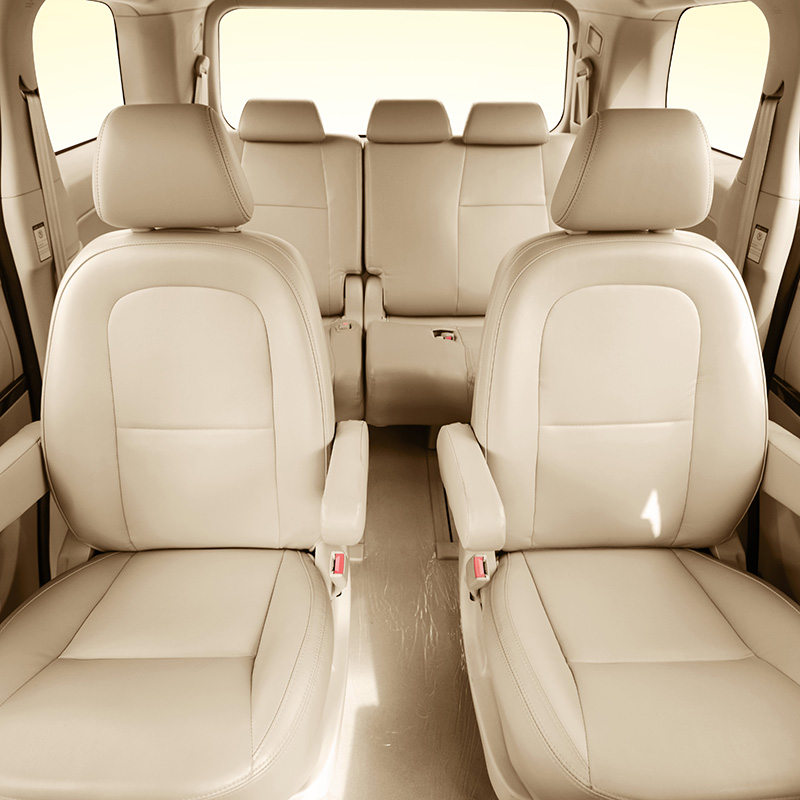
Multi-Purpose Vehicles (MPV)
Source commercial and passenger Multi-Purpose Vehicles (MPV) directly from vetted manufacturers and wholesale suppliers. Designed for vehicle importers, fleet operators, and regional distributors, our network provides access to reliable ICE and EV MPVs built to your market's compliance standards.
Sourcing Multi-Purpose Vehicles (MPVs) in volume demands strict alignment between your target market's regulatory framework and the manufacturer's production capabilities. Whether you are procuring battery electric (BEV) fleets for urban transit or internal combustion engine (ICE) models for regional distribution, success relies on verifying homologation data, auditing assembly quality, and securing reliable international freight.
Powertrain and Technical Specifications
The shift toward electrification has transformed MPV manufacturing in Asia. When evaluating suppliers, your primary technical specifications must align with local infrastructure and import regulations.
For EV MPVs, specify the battery chemistry (LFP vs. NMC), capacity (kWh), thermal management systems, and exact charging protocols (e.g., CCS2 for Europe/Middle East, CHAdeMO, or GBT). For ICE variants, the critical metrics are emission standards (Euro 5 or Euro 6 equivalents) and engine displacement.
| Powertrain | Critical Specifications | Primary Compliance Focus |
|---|---|---|
| Battery Electric (BEV) | Battery chemistry, WLTP Range, Motor kW, Charging standard | UN 38.3 (Battery Transport), High-voltage safety certs |
| Internal Combustion (ICE) | Displacement, Transmission type, Fuel tank capacity | Emissions homologation (Euro 5/6), Noise regulations |
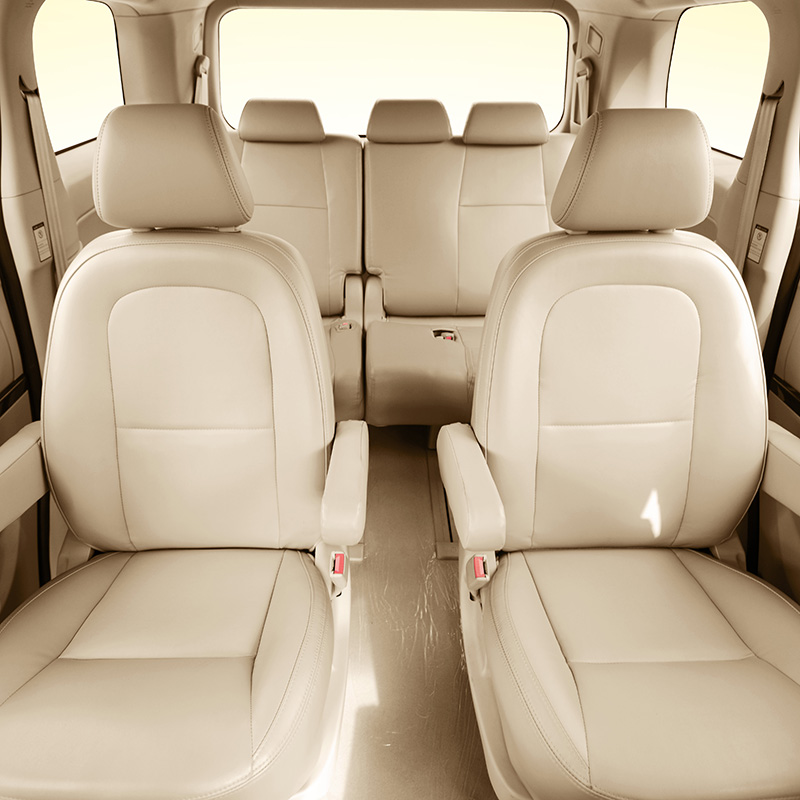
Beyond the powertrain, seating configurations (typically 7 to 9 seats) and interior modularity dictate the vehicle's commercial viability. Ensure the supplier's chassis design supports the payload requirements of your specific application, particularly if the MPVs will be heavily loaded for commercial transit.
Navigating homologation and factory audits for vehicle imports requires deep industry knowledge. Let our automotive sourcing experts verify supplier credentials and compliance for your market.
Talk to our teamFactory Verification and Quality Standards
Automotive manufacturing leaves no room for informal supplier relationships. A valid manufacturer must hold IATF 16949 certification, the global quality management standard for the automotive sector. Do not accept ISO 9001 as a substitute for vehicle assembly.
When evaluating a factory's export readiness, verify their World Manufacturer Identifier (WMI) and existing export licenses. If your market requires Right-Hand Drive (RHD) vehicles, confirm that the factory has dedicated RHD tooling, as retrofitting Left-Hand Drive (LHD) models post-production introduces severe safety and quality risks.
Pre-Shipment Inspection Focus Areas
Before any vehicle leaves the factory floor, a rigorous quality control and inspection protocol must be executed. Standard checks include:
Homologation Verification
Confirming all VIN plates, safety belts, glass markings, and lighting assemblies carry the correct regulatory stamps (e.g., E-marks for Europe, GCC standardization for the Middle East).
Software & Localization
Testing the infotainment and advanced driver-assistance systems (ADAS) to ensure language localization and GPS compatibility for the destination country.
Water Ingress & Paint Depth
Conducting high-pressure water tests on all door seals and utilizing ultrasonic gauges to verify uniform paint thickness and clear coat integrity.
Dynamic Testing
Running the vehicle on a dynamometer and a test track to evaluate transmission shifting, braking alignment, and suspension noise.
Purchasing Mechanics: MOQs, Pricing, and Logistics
Purchasing vehicles wholesale requires careful capital planning. Because MPVs are high-value, capital-intensive goods, initial Minimum Order Quantities (MOQs) are often negotiable for trial purposes, but scale quickly for continuous supply.
Vehicle logistics present a unique challenge. You must choose between Roll-on/Roll-off (RoRo) shipping or containerized freight. RoRo is the industry standard for volume orders, offering safer handling for finished vehicles. However, RoRo schedules can be infrequent for certain trade routes. Alternatively, two standard-sized MPVs can typically be secured inside a 40HQ container. Container shipping offers more flexible routing but requires expert lashing and specialized unloading facilities to prevent transit damage. Coordinating these movements efficiently requires robust shipping and freight management.
Vehicle logistics and customs clearance are high-risk operations. Partner with us to manage your end-to-end automotive supply chain securely.
Get a free consultationFrequently Asked Questions
Successfully importing MPVs requires treating the purchase not as a simple transaction, but as the establishment of a localized automotive supply chain. From securing the right homologation documentation to negotiating essential spare parts packages, rigorous upfront planning protects your capital and ensures your fleet hits the road without regulatory delays.
Get Sourcing Help for Multi-Purpose Vehicles (MPV)
Tell us your requirements and our experts will connect you with verified manufacturers.