Moulds
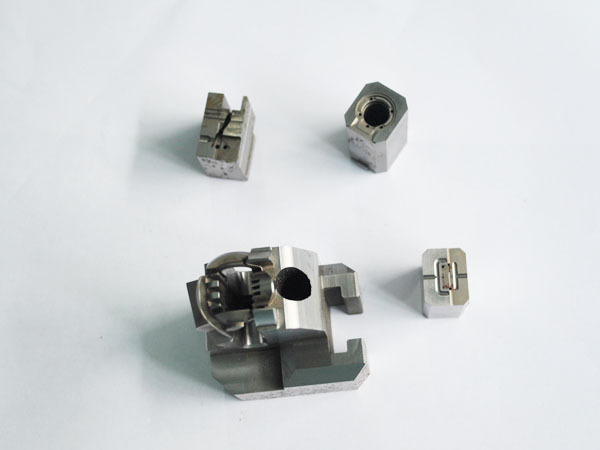
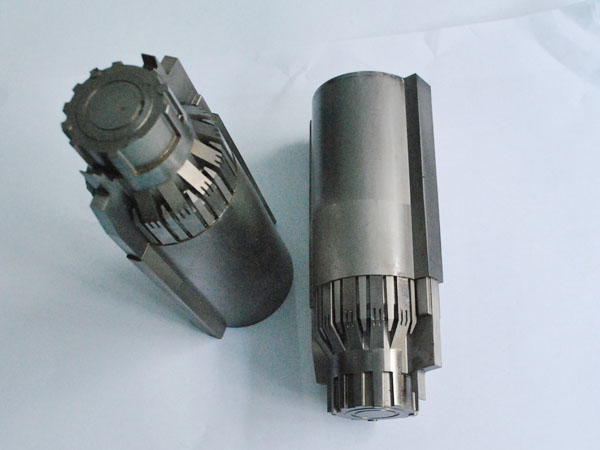
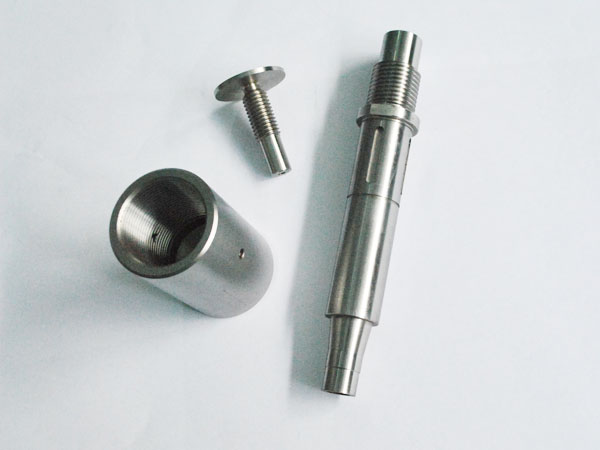
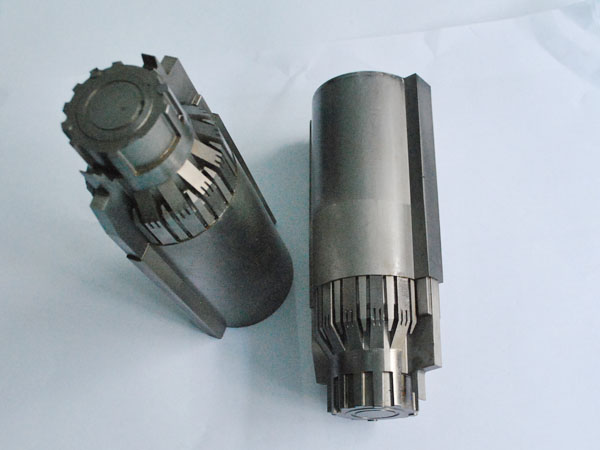
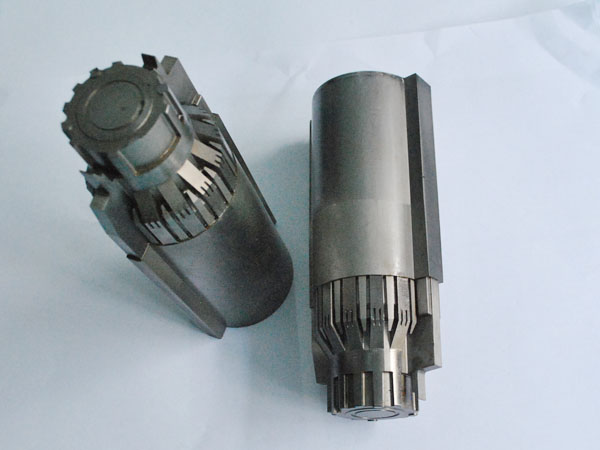
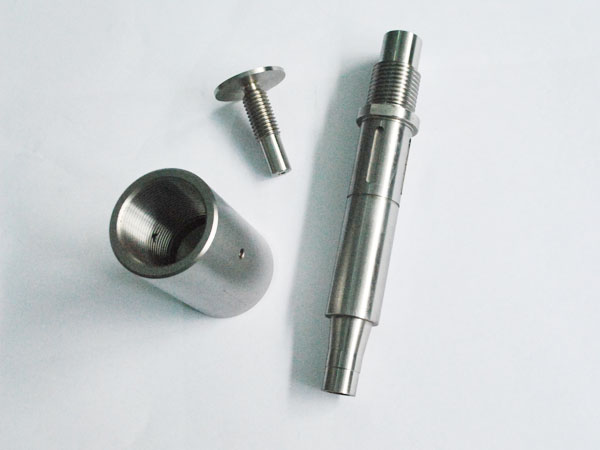
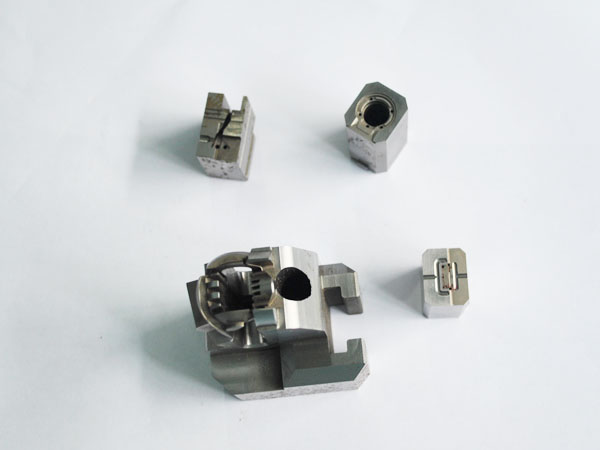
Source high-precision industrial moulds directly from vetted manufacturers and wholesale suppliers in China and across Asia. Designed for importers, procurement managers, and brands requiring custom OEM production, our network delivers reliable tooling for injection, die-casting, and blow molding at scale.
Procuring industrial moulds is one of the most capital-intensive and technically demanding phases of manufacturing. Whether you are sourcing export moulds to run in your own domestic facility or tooling that will remain in Asia for custom OEM production, a poorly executed mould guarantees downstream production failures, high scrap rates, and costly delays. Success requires rigorous Design for Manufacturability (DFM) analysis, precise steel selection, and strict validation of the factory's machining capabilities.
Critical Specifications and Steel Selection
The foundation of any reliable mould is the steel grade. The choice of core and cavity steel dictates the tool's cycle life, cooling efficiency, and the surface finish of the final part. Buyers must specify the steel grade based on the required production volume and the abrasiveness of the injected material (such as glass-filled polymers).
| Steel Grade | Typical Hardness (HRC) | Primary Application | Expected Tool Life (Shots) |
|---|---|---|---|
| P20 | 28 to 32 | General purpose plastics, low-volume runs | Up to 300,000 |
| NAK80 | 38 to 41 | High-gloss finishes, clear plastics | Up to 500,000 |
| H13 (Quenched) | 48 to 52 | Abrasive resins, die-casting, high-volume | Over 1,000,000 |
| S136 | 48 to 52 | Corrosive plastics (PVC), medical grade | Over 1,000,000 |
Beyond the steel itself, buyers must clearly define the mould base standard (such as LKM, HASCO, or DME) and hot runner systems (like YUDO or Husky). Mixing standards can cause significant compatibility issues if the mould is exported to a facility that uses different regional specifications.
Need help navigating steel grades and tooling standards? Our engineering team can review your CAD files and match you with a manufacturer equipped for your specific tolerance requirements.
Discuss your tooling requirementsManufacturing Process and Quality Validation
Quality is won or lost long before the CNC machines start cutting. The process begins with mold flow analysis to identify potential sink marks, warp zones, and air traps. Skipping this step during product development often leads to extensive, costly tool modifications later.
Once cutting begins, the precision of the factory's CNC machining, Electrical Discharge Machining (EDM), and wire cutting equipment dictates the dimensional accuracy of the mould. Relying on a supplier's self-reported equipment list is risky; conducting thorough factory audits to verify their in-house capabilities versus what they outsource is highly recommended.
T1 Sample Validation Checklist
The first trial (T1) is the critical milestone where the mould is tested on an injection machine. Evaluate the following before approving any tool modifications:
T1 Mould Trial Inspection
- Verify dimensional accuracy of the T1 samples against the 2D/3D CAD drawings.
- Inspect for flash, short shots, sink marks, or burn marks on the molded parts.
- Confirm the ejection system operates smoothly without leaving excessive pin marks.
- Test the cooling system for leaks and verify optimal cycle times.
- Check the parting line alignment and ensure minimal mismatch.
Pricing, MOQs, and Lead Time Realities
Moulds are custom-engineered assets, meaning pricing is entirely dependent on part complexity, size, cavitation (single vs. multi-cavity), and steel grade. There is no standard price list, but buyers should be wary of quotes that are significantly lower than market average—this usually indicates the supplier is using inferior steel (e.g., substituting genuine P20 with local equivalents), skipping heat treatments, or using a non-standard mould base.
If you are sourcing an "export mould" (a mould shipped to your country for production), expect costs to be 20% to 30% higher than a "domestic mould" (a mould staying in the Chinese factory). Export moulds require premium components, standardized bases (HASCO/DME), and rigorous quality control prior to crating, as modifying them overseas is prohibitively expensive.
Ensure your tooling investments are protected. We manage the entire mould procurement process, from DFM and factory vetting to T1 validation and safe export.
Talk to our sourcing teamFrequently Asked Questions
Sourcing industrial moulds requires balancing upfront capital expenditure against long-term production stability. By specifying exact steel grades, demanding rigorous DFM, and validating factory capabilities firsthand, buyers can secure high-performance tooling that delivers consistent quality over its entire lifecycle.
Get Sourcing Help for Moulds
Tell us your requirements and our experts will connect you with verified manufacturers.