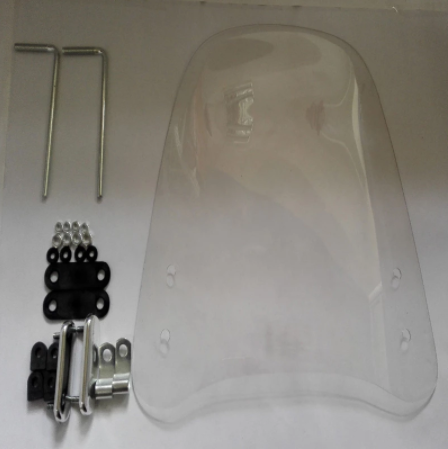
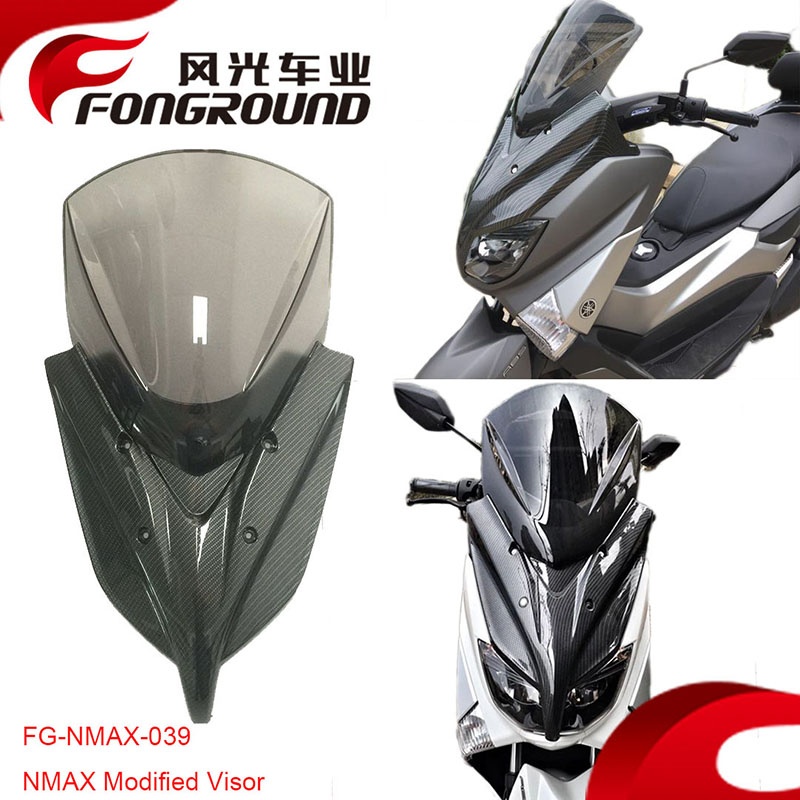
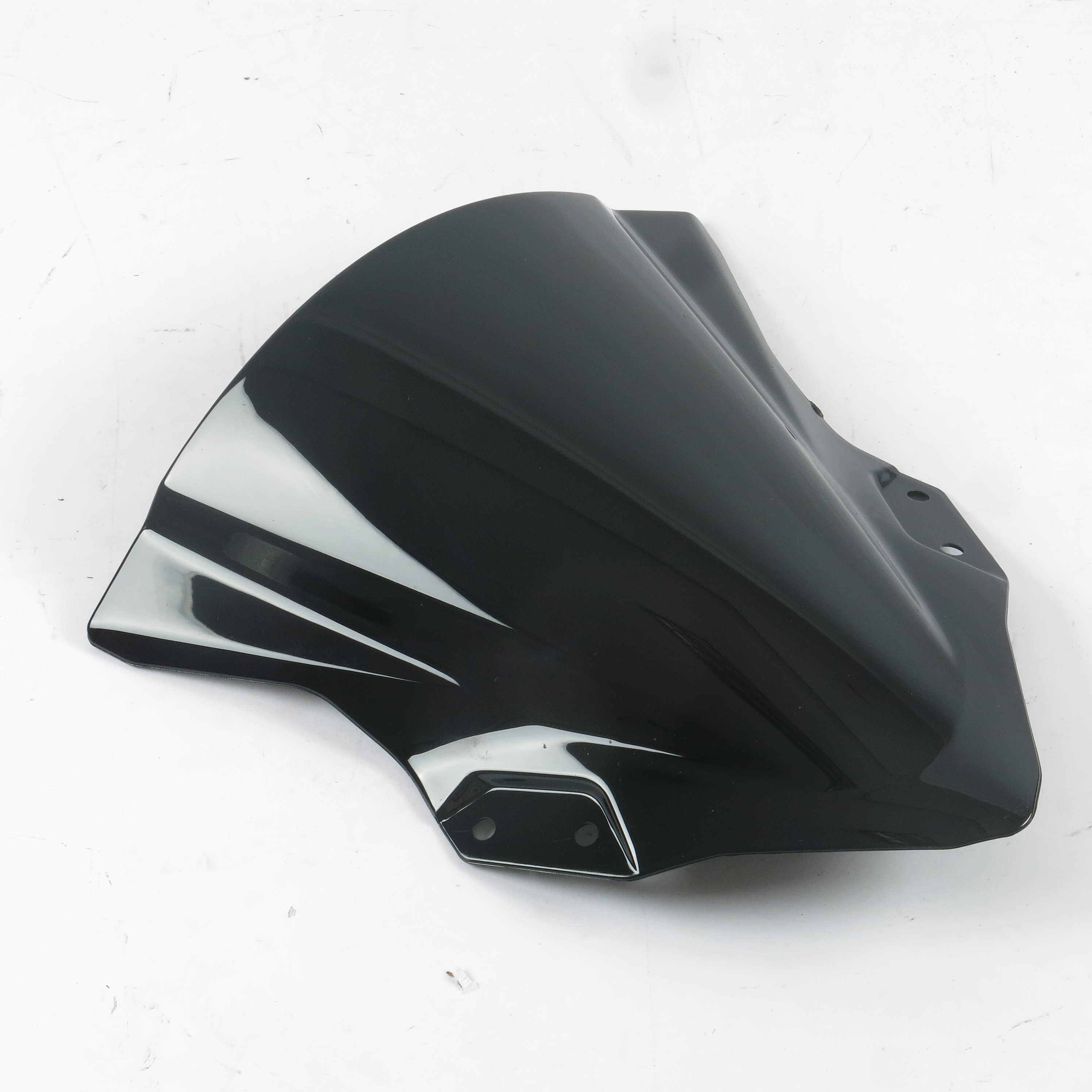
Motorcycle Wind Deflectors & Windshields
Source high-quality motorcycle wind deflectors and windshields from vetted manufacturers and suppliers in Asia. Built for importers, aftermarket distributors, and OEM brands buying in bulk, our network delivers reliable production, precision molding, and strict quality control for high-volume orders.
Sourcing motorcycle wind deflectors and windshields at scale requires a precise balance of optical clarity, impact resistance, and aerodynamic stability. For bulk buyers and OEM brands, the challenge lies not just in finding a factory that can shape plastic, but in identifying a manufacturing partner capable of maintaining strict tolerances, applying durable anti-scratch coatings, and ensuring zero optical distortion across high-volume production runs.
Material Selection: Polycarbonate vs. Acrylic
The foundational decision in windshield manufacturing is the base polymer. The choice dictates the product's price point, durability, and regulatory compliance ceiling. Buyers must specify the exact resin grade and coating requirements in their purchase orders to prevent unauthorized material substitution.
| Material | Impact Resistance | Optical Clarity | Scratch Resistance | Typical Application |
|---|---|---|---|---|
| Polycarbonate (PC) | Exceptional (Shatterproof) | Good (Can distort if poorly molded) | Poor (Requires hard coating) | OEM, ADV, Touring |
| High-Impact Acrylic (PMMA) | Moderate | Excellent | Good (Naturally harder) | Aftermarket, Sportbikes |
While PMMA is cost-effective and naturally UV-resistant, Polycarbonate is the standard for premium and OEM applications due to its superior impact resistance. However, raw PC scratches easily and yellows under UV exposure. When sourcing PC windshields, you must mandate a hard-coating process (typically a silicone-based dip or flow coating) and verify the coating thickness and adhesion during production.
Manufacturing Processes and Quality Control
Motorcycle windshields are typically produced via injection molding or thermoforming (drape forming).
- Injection Molding: Ideal for high-volume OEM production and complex 3D shapes (like integrated deflectors or variable thickness screens). Tooling costs are high, but per-unit costs are low, and dimensional consistency is excellent.
- Thermoforming: Common for aftermarket production and lower volumes. A flat extruded sheet is heated and draped over a mold. Tooling is cheaper, but the process introduces a higher risk of optical distortion if heating and cooling rates are not strictly controlled.
Before committing to tooling, conducting thorough factory audits is essential to verify the supplier's cleanroom capabilities for coating and their precision in mold-making.
Struggling with optical distortion or inconsistent fitment from your current supplier? Let us evaluate your factory's production line and implement strict quality controls.
Talk to our teamCritical Defect Checklist
Optical distortion is a safety hazard and a primary reason for high return rates. Implement rigorous quality control protocols focusing on the following areas:
- Optical Distortion: Check for the 'funhouse mirror' effect, particularly near curves and character lines. Test using a grid-board at a set distance.
- Mounting Point Stress: Inspect for micro-fractures (crazing) around drilled or molded mounting holes, which lead to failure under vibration.
- Coating Adhesion: Perform cross-hatch adhesion testing on hard-coated PC screens to ensure the coating will not flake off.
- Edge Finish: Ensure edges are routed, flamed, or polished smooth, with no sharp burrs that could cause injury or stress concentrations.
Pricing, MOQs, and Lead Times
Tooling investment and order volume heavily dictate pricing. Because windshields are bulky, freight efficiency is also a major cost driver; nested packaging designs can significantly reduce shipping costs per unit.
When developing custom screens through OEM/ODM services, expect the prototyping and mold-making phase to add 40 to 60 days to your initial timeline. Ownership of custom molds must be explicitly defined in your manufacturing agreement to prevent your designs from being sold on the open market.
Need to consolidate your supply chain or negotiate better terms for custom windshield tooling? We handle supplier negotiation and production management from end to end.
Get a free consultationFrequently Asked Questions
Sourcing motorcycle wind deflectors requires technical vigilance, particularly regarding optical clarity and material integrity. By clearly defining resin grades, maintaining strict control over the molding process, and enforcing rigorous pre-shipment inspections, you can secure reliable, high-margin inventory for your distribution network.
Get Sourcing Help for Motorcycle Wind Deflectors & Windshields
Tell us your requirements and our experts will connect you with verified manufacturers.