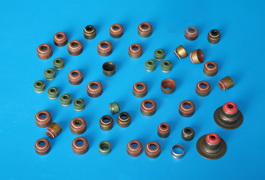
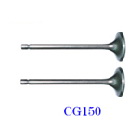
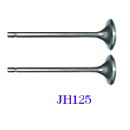
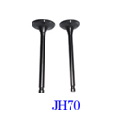
Motorcycle Valve Trains
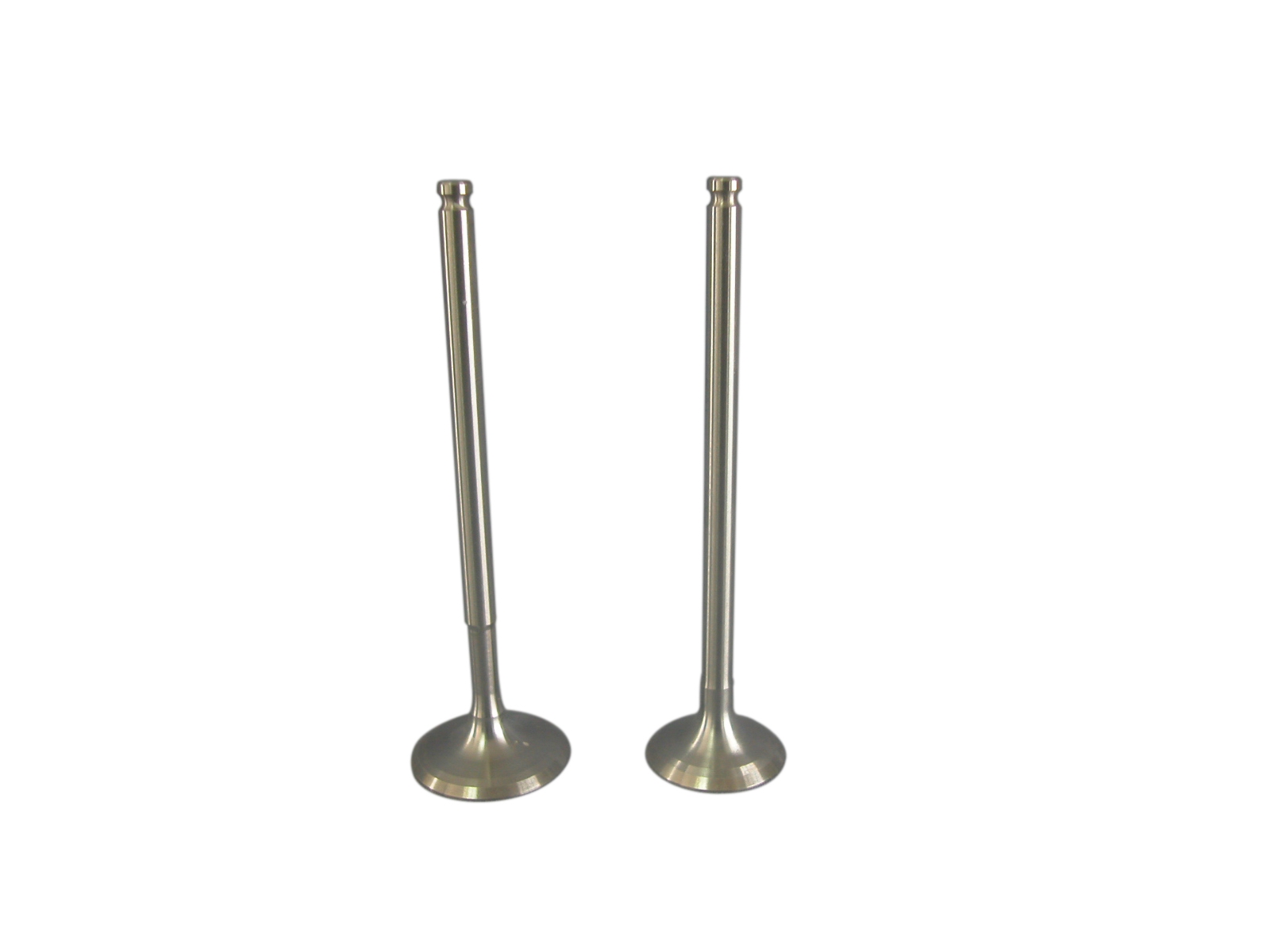
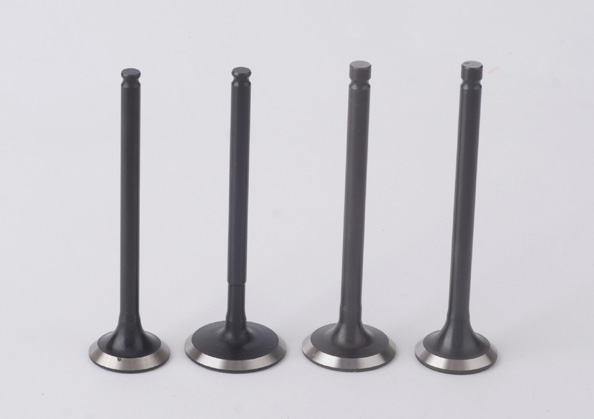
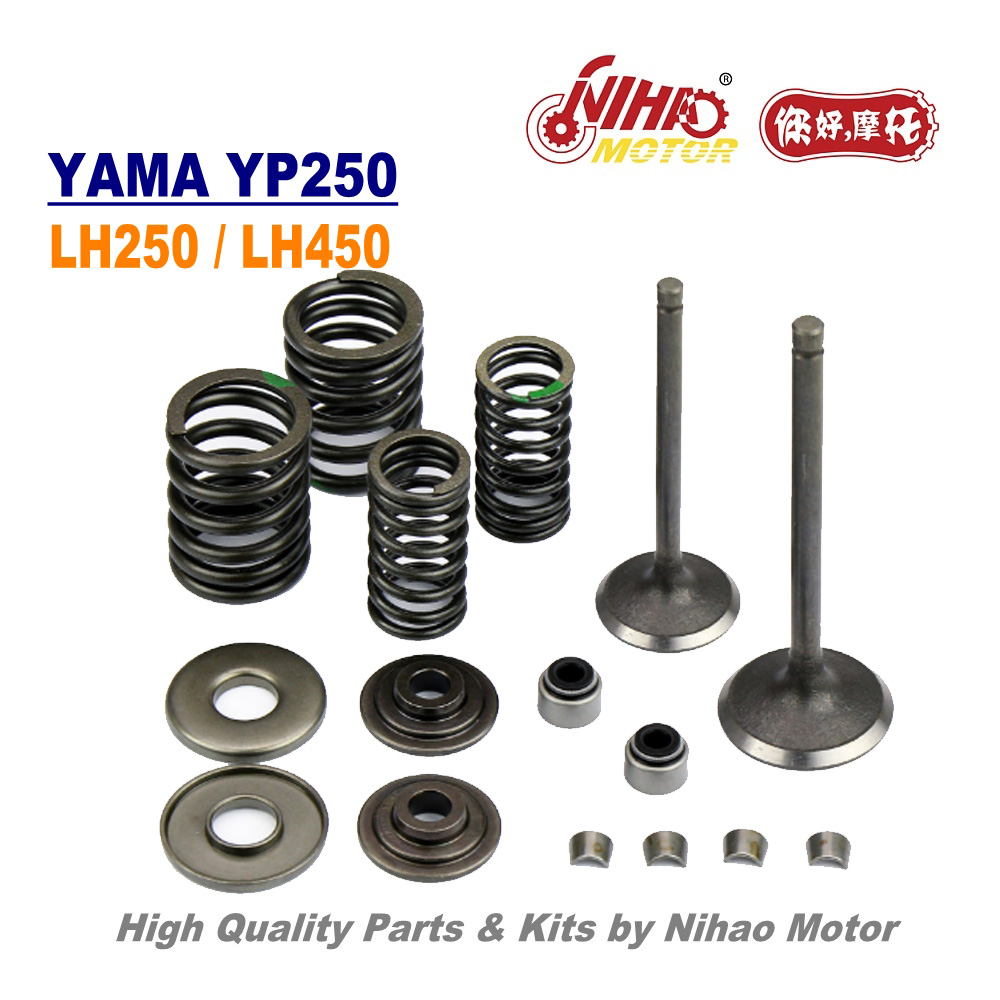
Source premium Motorcycle Valve Trains from vetted manufacturers and suppliers. Designed for importers, distributors, and brands requiring reliable OEM and aftermarket engine components in bulk. Secure competitive wholesale pricing on precision-engineered valve train assemblies built for high-performance applications.
Sourcing motorcycle valve trains at scale requires balancing metallurgical precision with cost-effective manufacturing. Because the valve train governs engine breathing and operates under extreme thermal and mechanical stress, minor deviations in concentricity or material hardness lead directly to catastrophic engine failure. For wholesale buyers and OEM brands, the challenge is identifying manufacturers capable of consistent heat treatment, precision grinding, and advanced surface finishing.
Metallurgy and Material Selection
The foundation of a reliable valve train is the raw material. Intake and exhaust valves operate in vastly different environments, necessitating different alloys. Exhaust valves endure extreme temperatures and corrosive gases, while intake valves prioritize wear resistance and flow dynamics.
| Application | Typical Material | Heat Resistance | Cost Profile |
|---|---|---|---|
| Standard Intake | SUH3 (Martensitic) | Up to 600°C | Low-Medium |
| Standard Exhaust | SUH35 (Austenitic) | Up to 800°C | Medium |
| Racing / High-Stress | Titanium / Inconel | Over 900°C | High |
For high-performance exhaust applications, manufacturers often utilize a bi-metal construction. This involves friction-welding an austenitic steel head (for superior heat resistance) to a martensitic steel stem (for superior wear resistance and magnetic properties). Verifying a factory's friction-welding capability and non-destructive testing (NDT) protocols is essential before committing to a production run.
Struggling to verify supplier metallurgy and welding capabilities? We evaluate and vet factories to ensure they meet your exact technical specifications.
Talk to our teamManufacturing Processes and Quality Control
Producing a finished valve involves upset forging, heat treatment, and multiple stages of centerless grinding. The critical factor separating premium suppliers from budget factories is their in-house heat treatment and surface finishing capabilities. Processes like nitriding (tuftriding) or applying Stellite to the valve seat drastically improve the component's lifespan.
Because defects in valve trains are often microscopic, implementing rigorous quality control and inspection directly on the factory floor is non-negotiable.
Critical QC Checks for Valve Trains
- Stem-to-seat concentricity (typically required to be under 0.02mm)
- Stem surface finish (Ra under 0.2 to prevent guide wear)
- Tip hardness (HRC 50 or higher, depending on specification)
- Weld integrity and alignment on bi-metal exhaust valves
- Dimensional tolerance of the keeper grooves
If a supplier outsources their heat treatment or plating, the risk of batch inconsistency rises significantly. Conducting thorough factory audits before placing an order helps confirm that the manufacturer maintains strict process controls and utilizes calibrated inspection equipment.
Production Realities: MOQ, Pricing, and Lead Times
Pricing for motorcycle valve trains is heavily dependent on material costs, the complexity of the machining, and the required surface treatments. Standard replacement valves for popular engine models benefit from economies of scale, while custom profiles require new tooling and higher minimums.
If you are developing proprietary performance profiles or upgrading materials for a specific market, utilizing professional OEM/ODM services ensures your engineering drawings translate accurately into production-ready components.
Need reliable pricing and lead times for bulk valve train orders? Our sourcing experts can negotiate terms and manage production with vetted manufacturers.
Get a free consultationFrequently Asked Questions
Successful procurement of motorcycle valve trains requires more than just finding a low price; it demands a deep understanding of metallurgy and manufacturing tolerances. Partnering with a sourcing team that understands engine component manufacturing ensures your supply chain remains resilient, consistent, and profitable.
Get Sourcing Help for Motorcycle Valve Trains
Tell us your requirements and our experts will connect you with verified manufacturers.