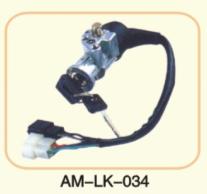
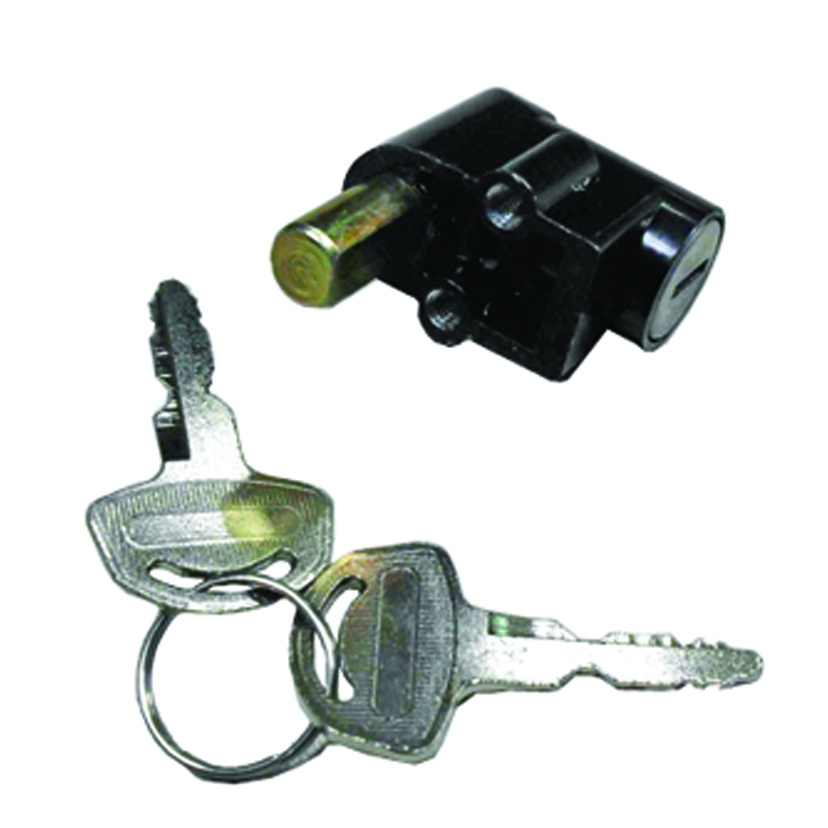
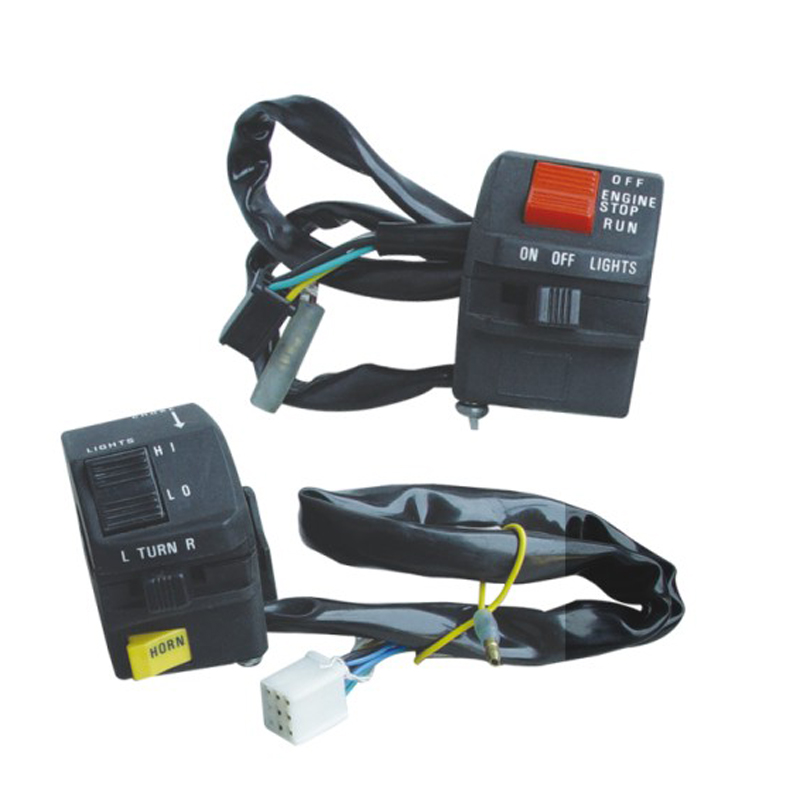
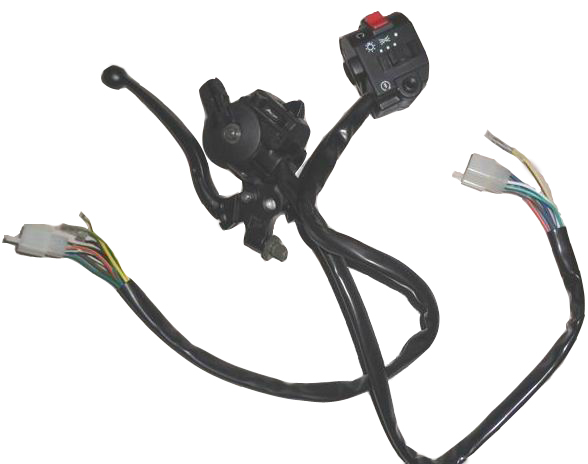
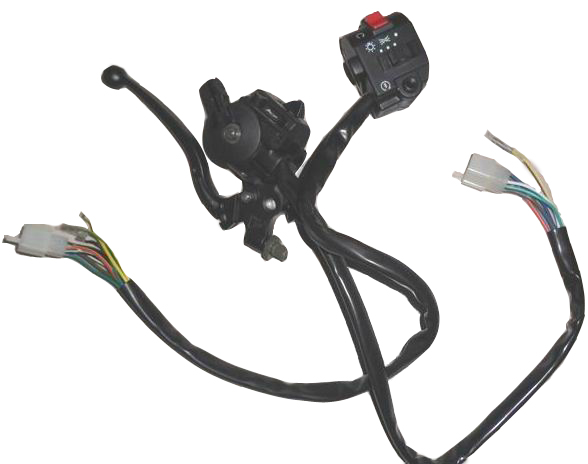
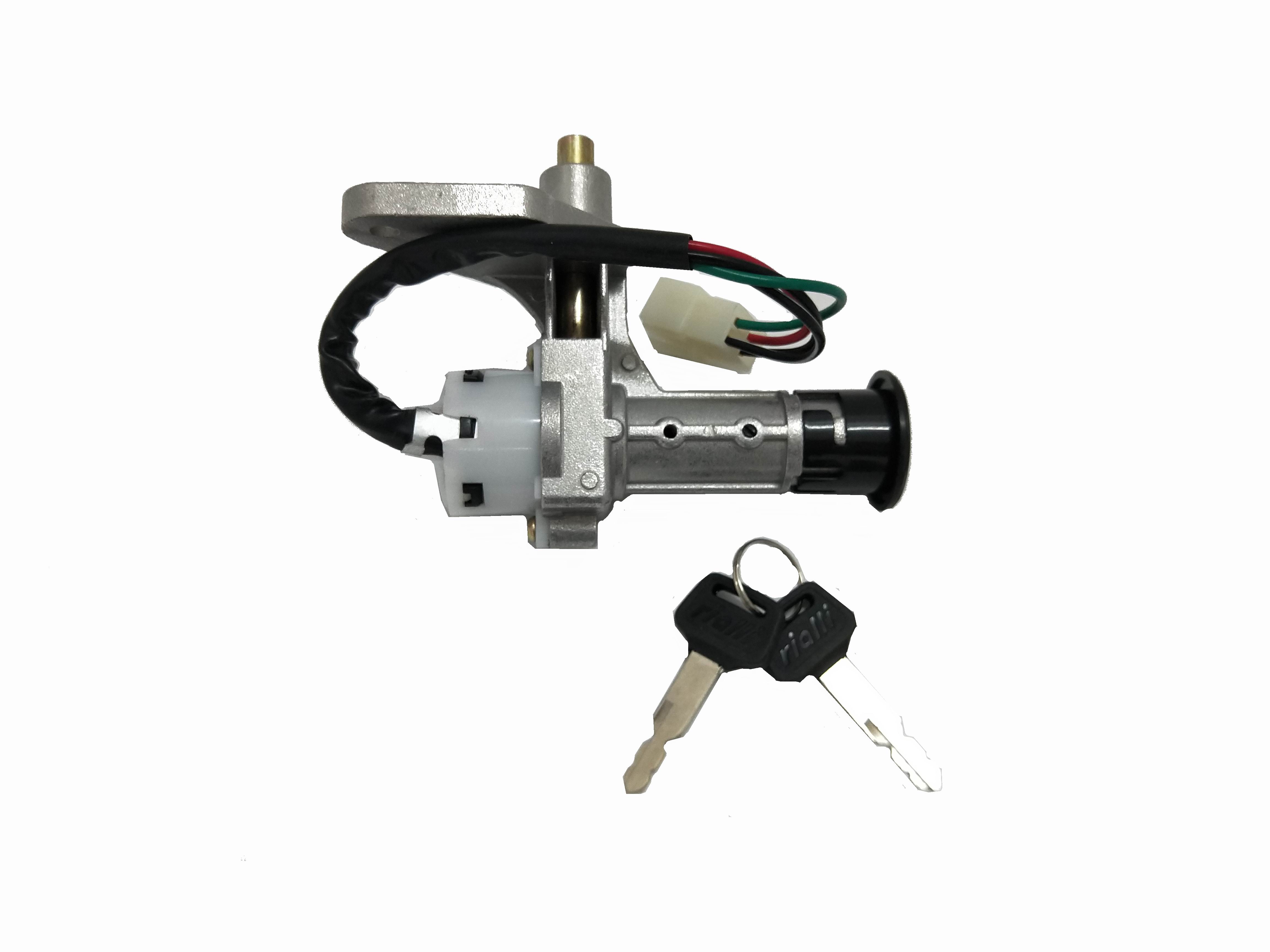
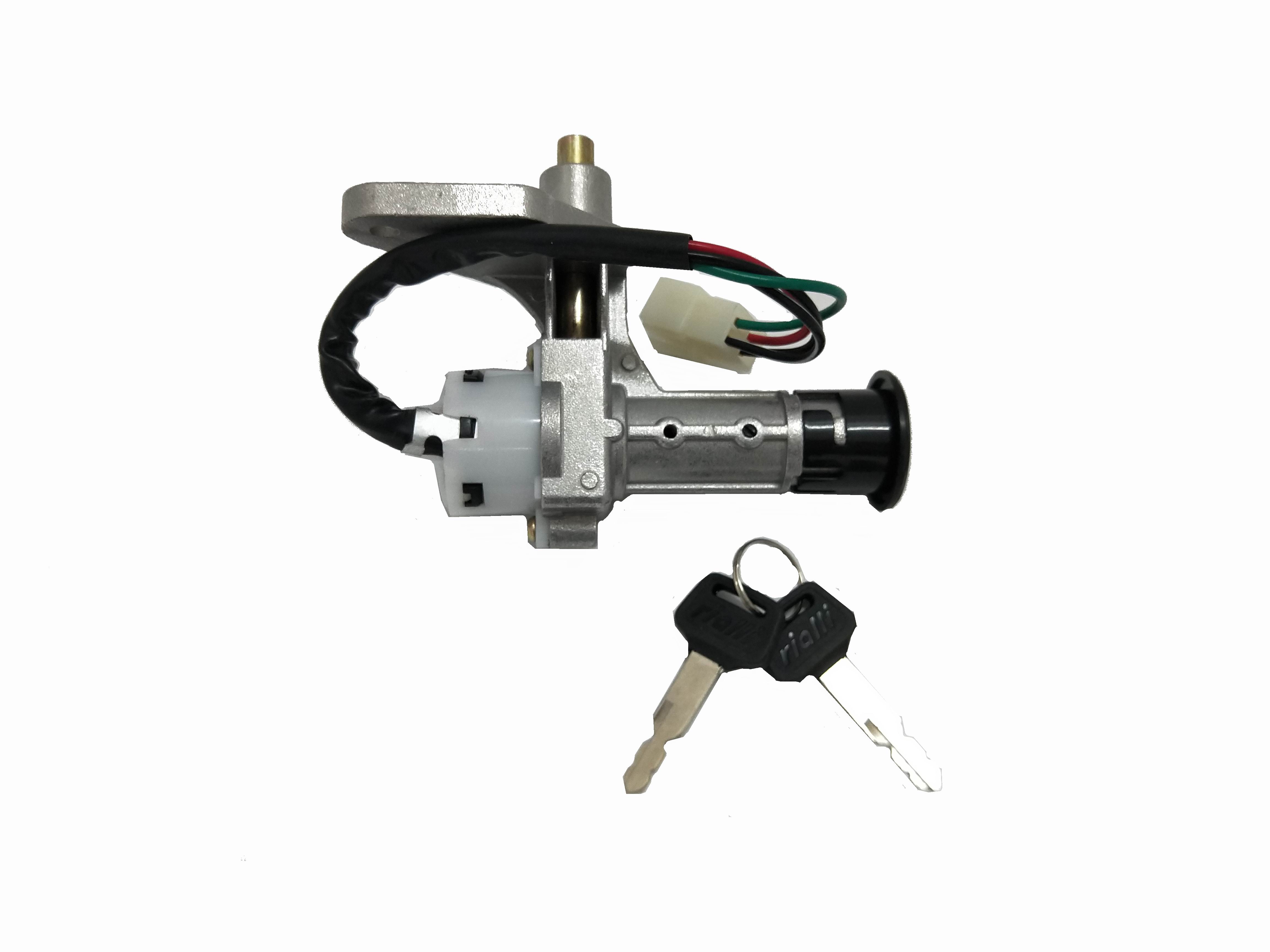
Motorcycle Switches
Source reliable motorcycle switches from vetted manufacturers and suppliers. This category is designed for importers, wholesale distributors, and aftermarket brands seeking bulk purchasing and OEM/private-label production. Ensure strict electrical compliance and durable performance for your high-volume orders.
Sourcing motorcycle switches at scale requires balancing electrical reliability with environmental durability. Whether you are supplying the aftermarket or integrating components into new builds, switch failures are highly visible and immediately impact rider safety. The core challenge lies in verifying that a manufacturer's claims regarding ingress protection, contact life, and housing durability actually hold up under continuous vibration, UV exposure, and heavy rain.
Critical Specifications for Motorcycle Switchgear
When qualifying a supplier, the technical specifications of the switch assemblies dictate both their lifespan and their suitable applications. A switch intended for high-draw auxiliary lighting requires vastly different internal architecture than a low-current signal switch.
Key Specifications to Define with Suppliers
- Contact Material: Specify silver-alloy contacts for high-current applications to prevent arcing and carbon buildup; avoid cheap brass contacts for critical circuits.
- Ingress Protection (IP Rating): Demand IP65 as a baseline for basic weather resistance, and IP67 for premium adventure or off-road switchgear.
- Wire Harness Quality: Mandate pure copper wiring (OFC) rather than Copper-Clad Aluminum (CCA) to ensure optimal conductivity and prevent wire fatigue from handlebar movement.
- Lifecycle Rating: Require a minimum of 10,000 to 50,000 actuation cycles, verified by automated testing reports.
Navigating electrical component sourcing requires strict supplier vetting. We can help you identify manufacturers with proven track records in motorcycle switchgear production.
Talk to our teamManufacturing Vulnerabilities and Quality Control
The gap between a premium switch and a high-failure-rate unit is often found in the assembly process. Top-tier manufacturers utilize automated soldering and ultrasonic welding for housing seals, whereas lower-tier factories rely heavily on manual assembly, introducing inconsistencies.
Common defects include poor potting around the wire exit points, leading to moisture ingress, and inconsistent tactile feedback caused by out-of-tolerance internal springs. To mitigate these risks, implementing strict quality control & inspection protocols is essential. In-line inspections should verify soldering integrity before the housings are sealed, while pre-shipment inspections must include functional testing under simulated load.
Furthermore, conducting thorough factory audits before placing bulk orders ensures the supplier actually possesses the necessary environmental testing chambers (for salt spray and water ingress) and automated cycle-testing rigs.
| Specification | Standard Aftermarket | Premium / OEM Grade |
|---|---|---|
| Housing Material | Injection-molded ABS or Nylon | CNC Machined Aluminum Alloy or High-Temp PA66 |
| Internal Sealing | Basic rubber gaskets | Silicone potting and ultrasonic welding |
| Tactile Feedback | Spongy, inconsistent | Crisp, defined detents |
| Wiring Connections | Manual hand-soldered | Automated PCB-mounted microswitches |
Buying Mechanics: MOQs, Lead Times, and Pricing
The sourcing landscape for motorcycle switches is primarily concentrated in specialized electrical manufacturing hubs in China, particularly in Zhejiang and Guangdong provinces. Pricing is heavily dependent on the complexity of the switch cluster, the materials used, and the level of customization.
For buyers looking to develop proprietary designs, leveraging OEM/ODM services allows for custom housing molds, specific wiring pinouts, and branded packaging. However, this impacts upfront costs and minimum order quantities.
Tooling costs for custom ABS injection molds typically range from three thousand to six thousand dollars, depending on complexity. CNC aluminum housings require less upfront tooling investment but carry a significantly higher per-unit cost.
Need to align your target pricing with strict quality standards? Let us negotiate with vetted switch manufacturers on your behalf.
Get a free consultationFrequently Asked Questions
Securing a reliable supply chain for motorcycle switches means looking past surface-level aesthetics and digging into the internal architecture and factory-level quality systems. Partnering with manufacturers who understand the harsh realities of motorcycle environments is the most effective way to protect your brand reputation and minimize warranty claims.
Get Sourcing Help for Motorcycle Switches
Tell us your requirements and our experts will connect you with verified manufacturers.