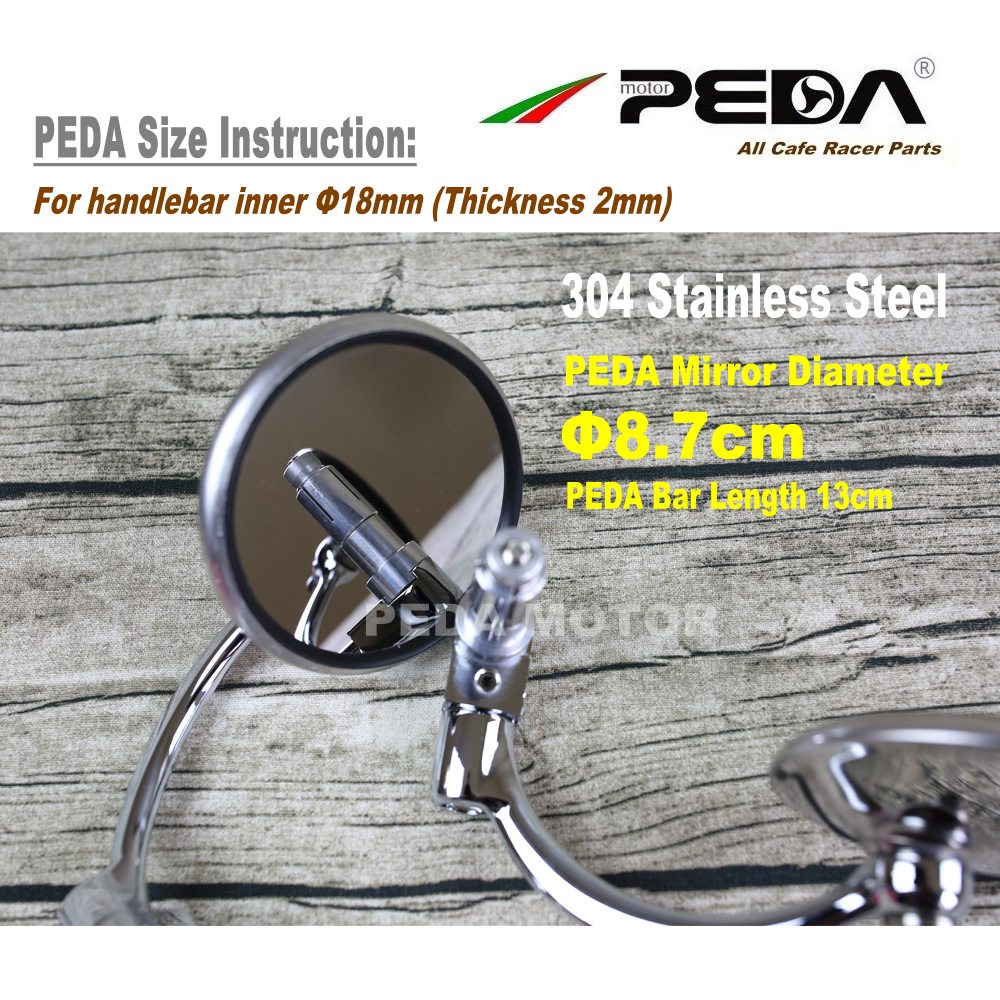
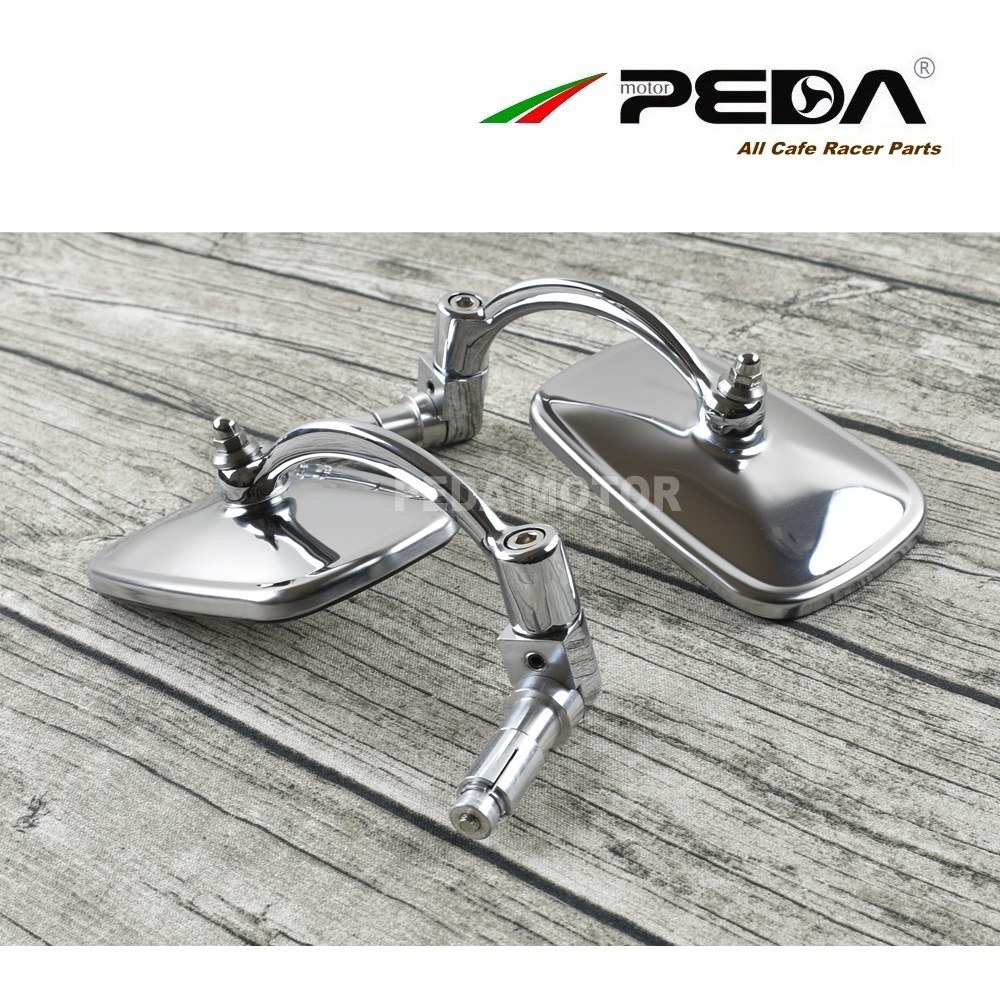
Motorcycle Mirrors
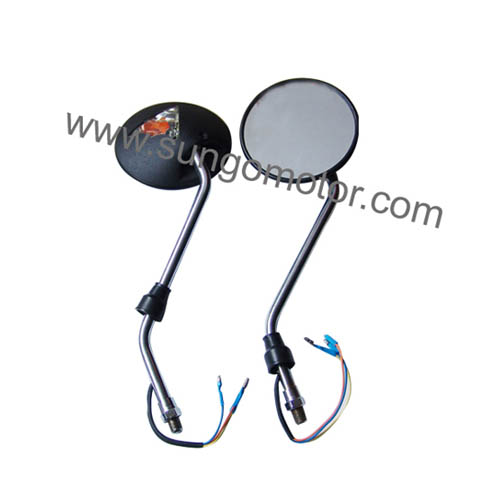
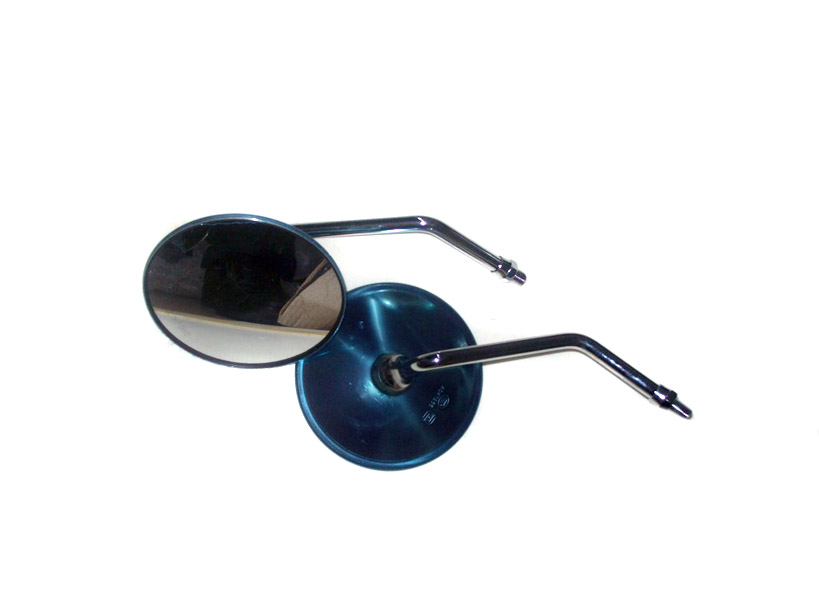
Source high-quality wholesale motorcycle mirrors directly from vetted manufacturers and suppliers. Designed for importers, distributors, and brands seeking OEM or private-label production, our network delivers reliable, compliant mirror assemblies built for durability and optical clarity at scale.
Sourcing motorcycle mirrors at volume requires balancing aesthetic design with critical safety compliance and durability. A mirror that looks great on a CAD rendering can easily fail in the field if the stem material fails to dampen engine vibration, or if the glass curvature distorts the rider's field of view. For volume buyers, securing a reliable supply chain means vetting factories on their tooling capabilities, material consistency, and adherence to international homologation standards.
Material Specifications and Manufacturing Processes
The structural integrity of a motorcycle mirror dictates its vibration resistance and lifespan. Manufacturers typically construct the housing and stem from one of three primary materials, each carrying distinct production and pricing implications.
| Material | Vibration Damping | Tooling Cost | Target Application |
|---|---|---|---|
| Injection-Molded ABS | Moderate | Low to Moderate | High-volume OEM & commuter models |
| Die-Cast Zinc/Aluminum | High | High | Heavyweight cruisers & standard aftermarket |
| CNC Machined Aluminum | Excellent | Low (No molds required) | Premium aftermarket & custom builds |
When developing custom designs through OEM/ODM Services, the choice between die-casting and CNC machining is critical. Die-casting requires significant upfront mold investment but yields a lower unit cost at high volumes. CNC machining allows for rapid prototyping and intricate designs with zero mold costs, though the per-unit price remains higher.
Optical Glass and Coatings
The mirror glass itself must meet strict optical standards. Factories supply flat, convex, or aspherical glass. Convex glass is the industry standard for motorcycles, typically manufactured with a radius of curvature between R1000 and R1400 to maximize the field of view without severe distance distortion.
Anti-glare properties are achieved through vacuum coating processes. Blue-tinted or amber-tinted glass reduces headlight glare during night riding. Ensure your supplier uses a durable physical vapor deposition (PVD) coating rather than a cheap surface film that will peel or degrade under UV exposure.
Navigating regional homologation standards and material specs requires precision. Let us help you vet suppliers with proven compliance track records and superior tooling capabilities.
Talk to our teamQuality Control and Homologation Standards
Motorcycle mirrors are safety-critical components. Depending on your target market, they must pass specific regulatory testing. In Europe, mirrors require E-mark certification (ECE R81), which dictates minimum reflective surface area, impact resistance, and curvature limits. In the US, they must comply with DOT FMVSS 111.
Relying solely on a factory's word for compliance is risky. Implementing rigorous Quality Control & Inspection protocols before shipment is essential to catch defects before they leave the factory floor.
Critical Pre-Shipment Inspection Checks
- Thread tolerance verification (M8/M10 standard and reverse threads)
- Ball-joint tension testing (must hold position under simulated high-speed wind/vibration)
- Salt spray testing on stems and housings for corrosion resistance (minimum 48-72 hours)
- Optical distortion checks and verification of required curvature radius
- Verification of E-mark or DOT stamps on the mirror housing or glass
To guarantee long-term reliability, conducting thorough Factory Audits is highly recommended. Audits confirm that the manufacturer possesses the necessary testing equipment—such as vibration tables and optical spectrometers—in-house.
Pricing, MOQs, and Production Lead Times
Pricing for motorcycle mirrors fluctuates based on raw material costs (aluminum vs. plastic), glass treatments, and the complexity of the ball-joint mechanism.
If you are purchasing CNC-machined mirrors, MOQs can often be negotiated lower (e.g., 100 to 200 pairs) since no custom molds are required, though the unit cost will reflect the extended machining time.
Planning a large-scale mirror production run? We can negotiate favorable MOQs, manage tooling schedules, and ensure your specifications are met exactly.
Get a free consultationFrequently Asked Questions
Successfully importing motorcycle parts requires more than just finding a factory with an attractive catalog. By partnering with a dedicated Product Sourcing team, you can mitigate the risks of poor optical clarity, weak vibration damping, and failed homologation, ensuring your shipments arrive market-ready and built to last.
Get Sourcing Help for Motorcycle Mirrors
Tell us your requirements and our experts will connect you with verified manufacturers.