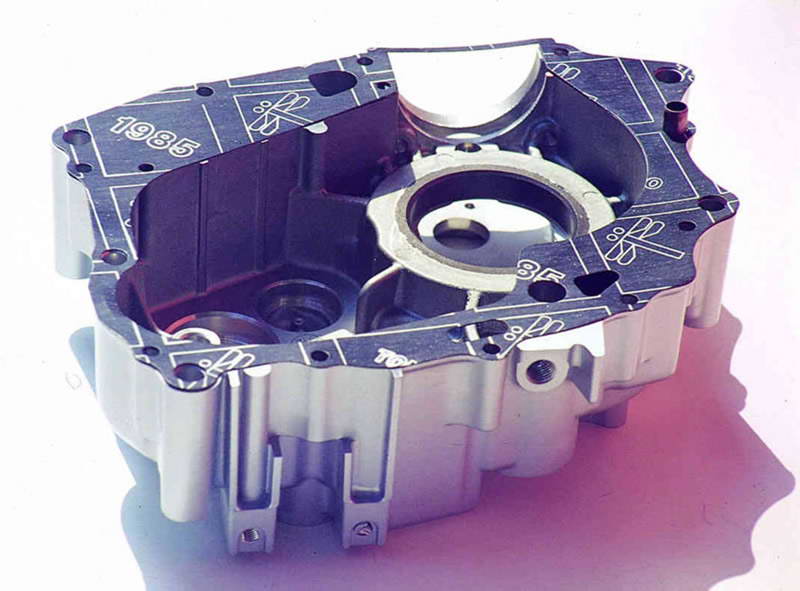
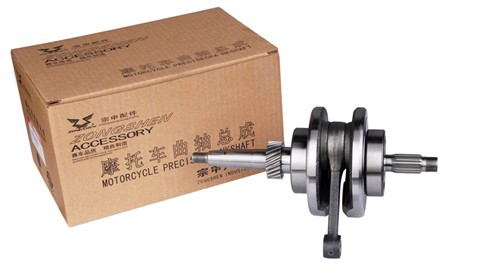
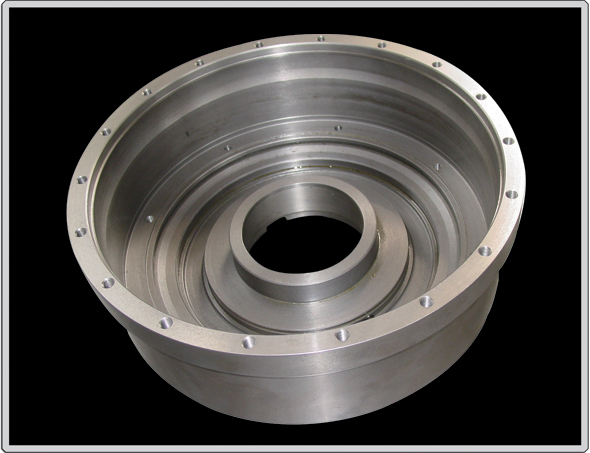
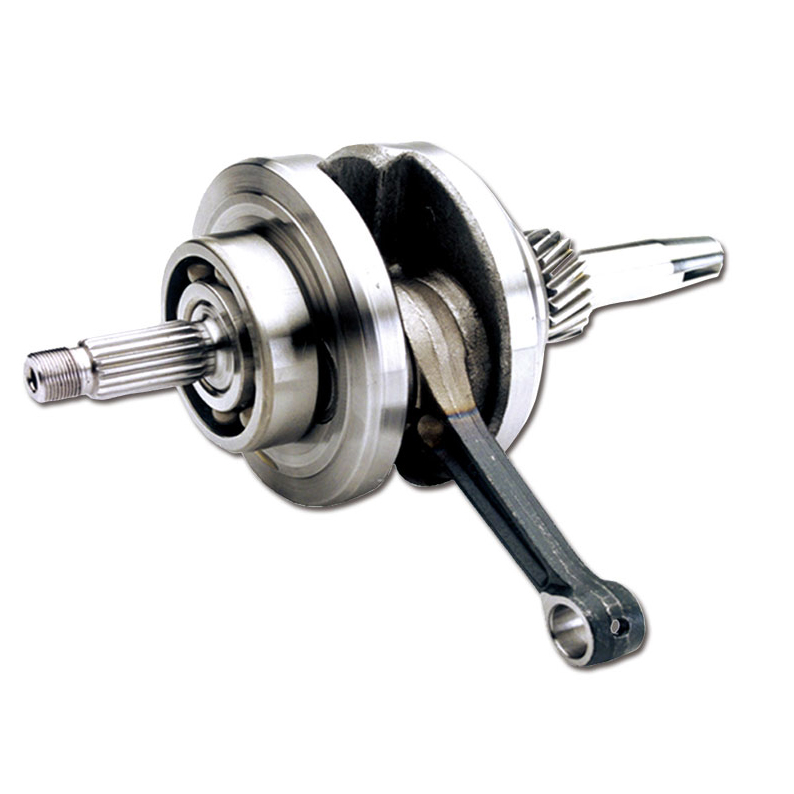
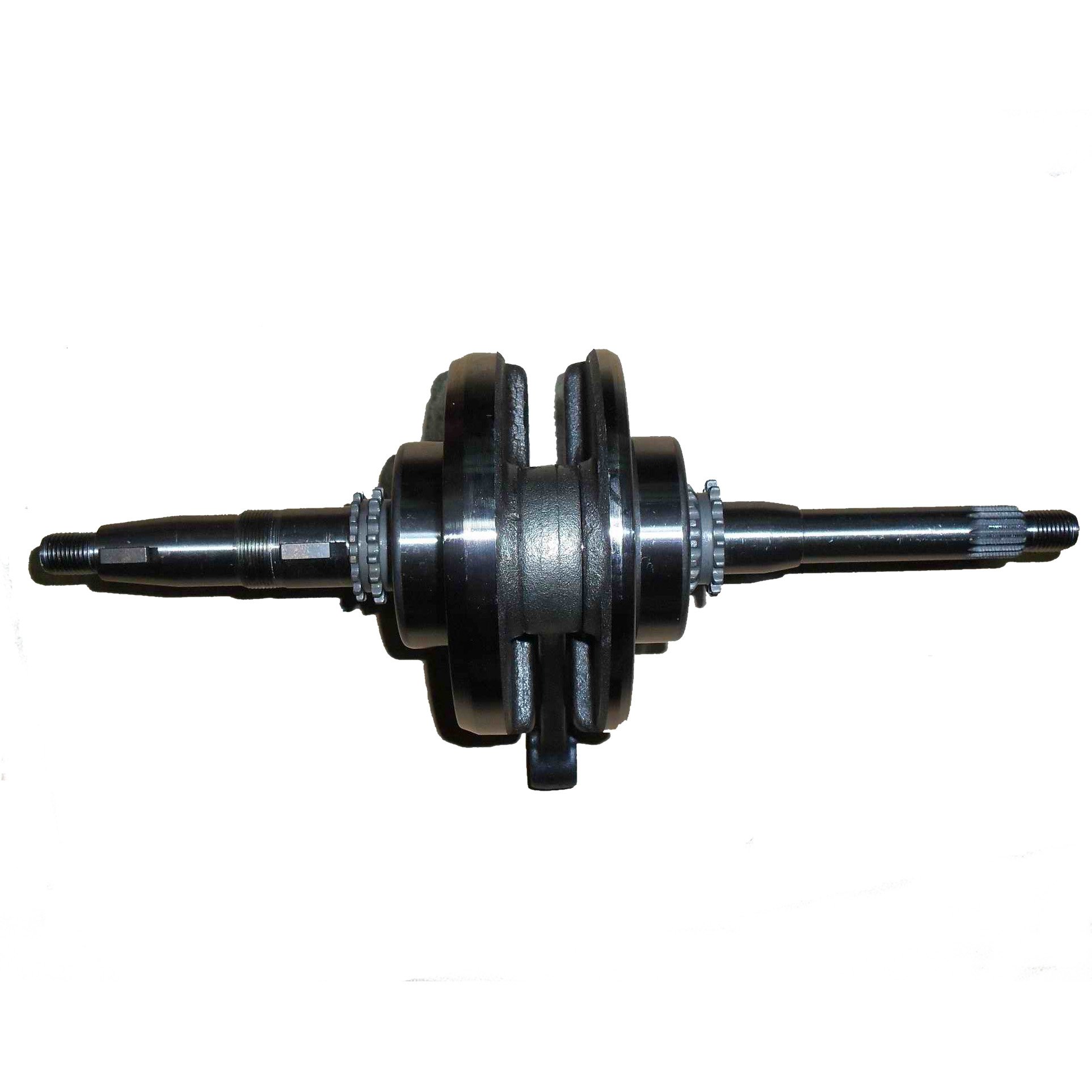
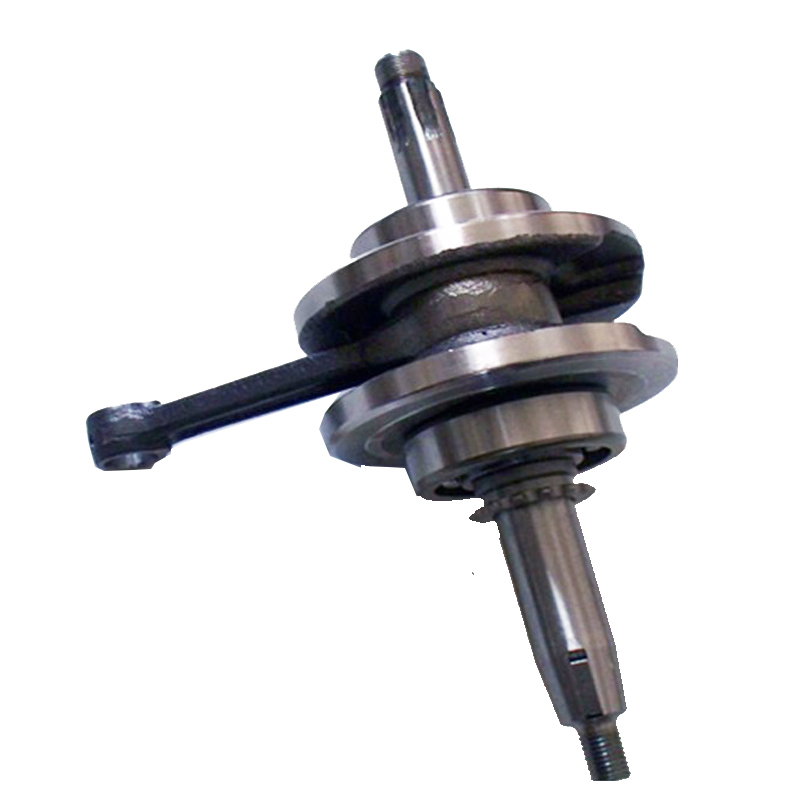
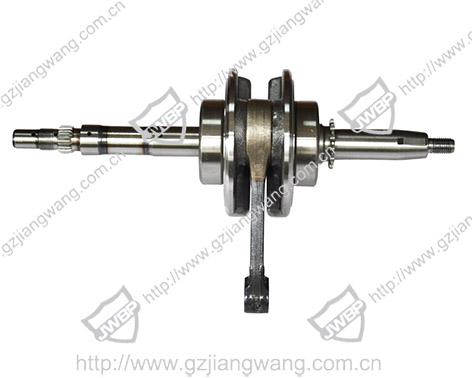
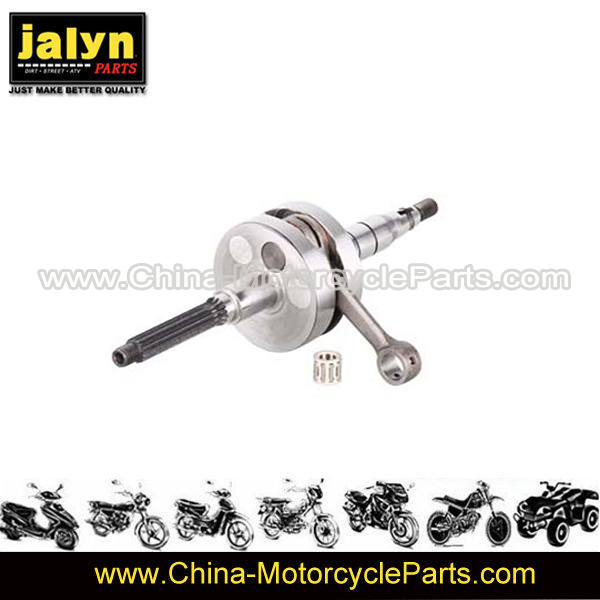
Motorcycle Crank Mechanisms
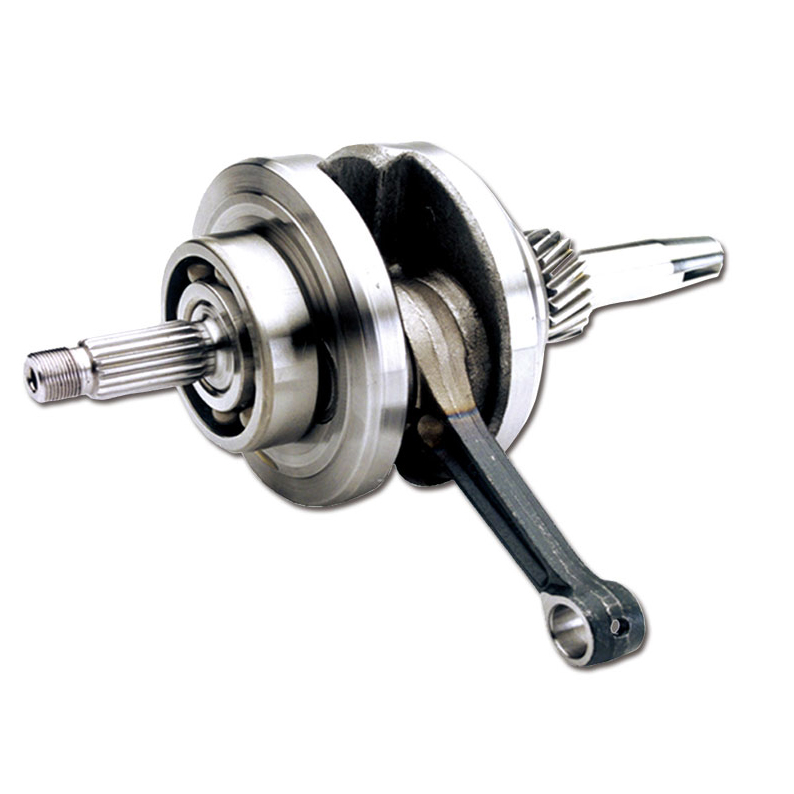
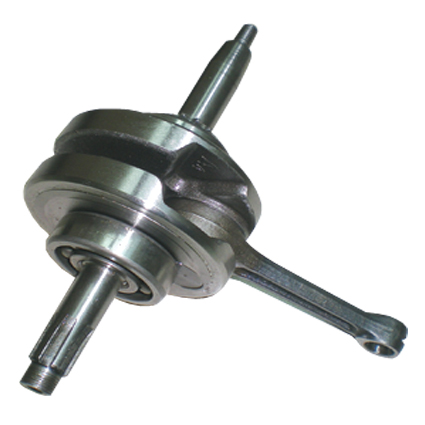
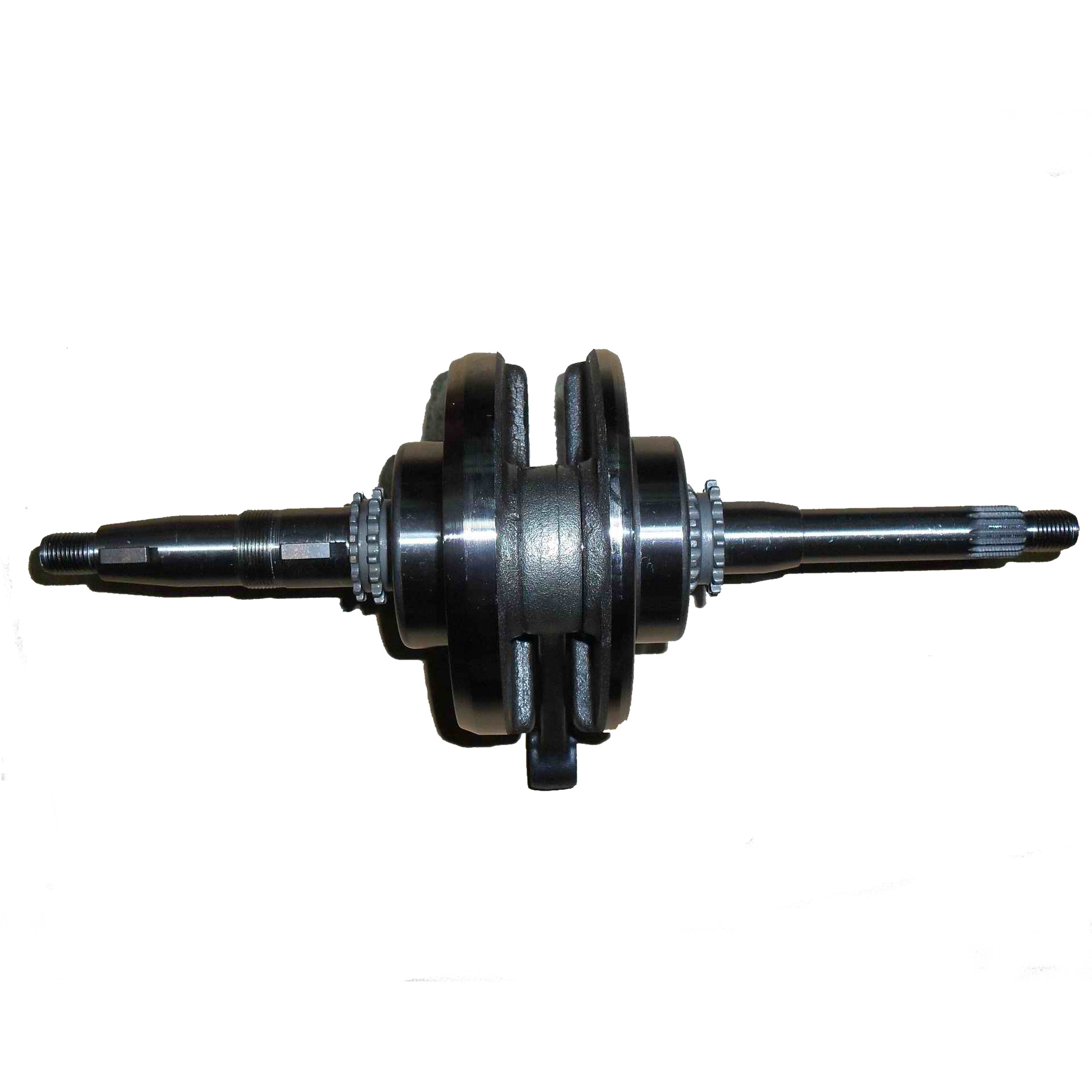
Source high-performance motorcycle crank mechanisms in bulk directly from vetted manufacturers and suppliers. Designed for importers, wholesalers, distributors, and brands requiring reliable OEM and aftermarket production, our network delivers precision-engineered crankshaft assemblies built to exact specifications.
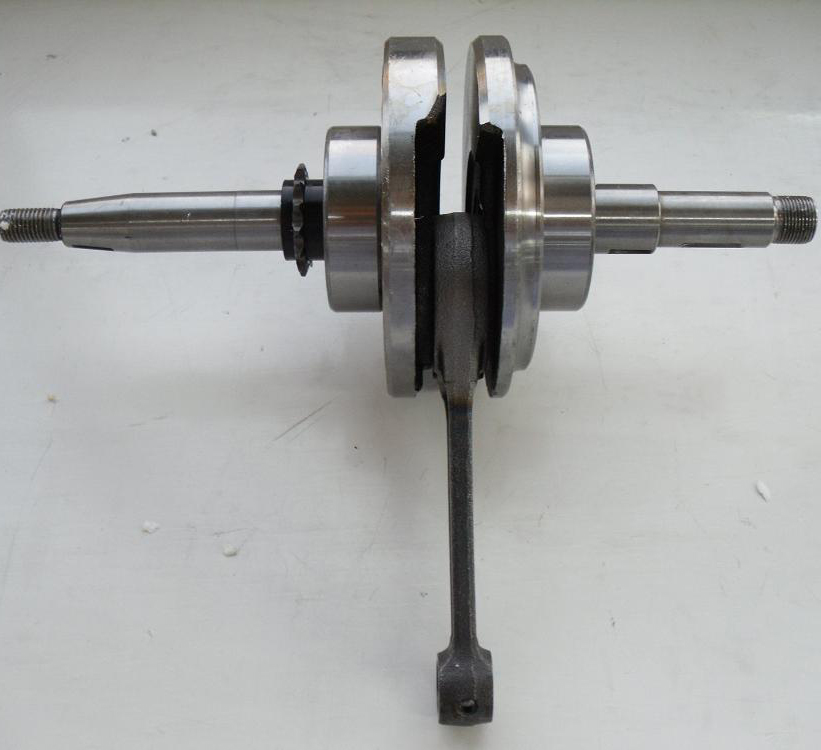
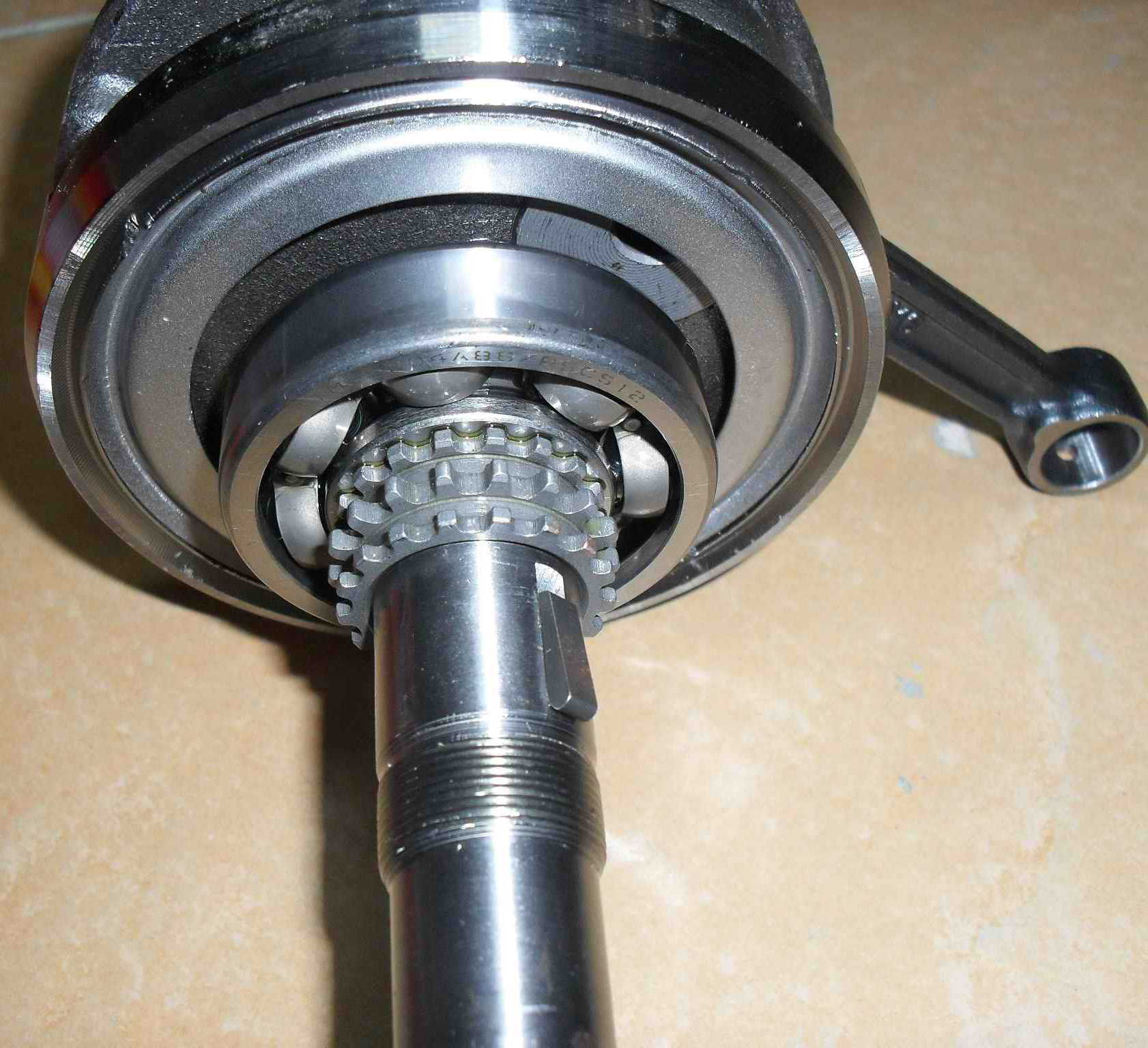
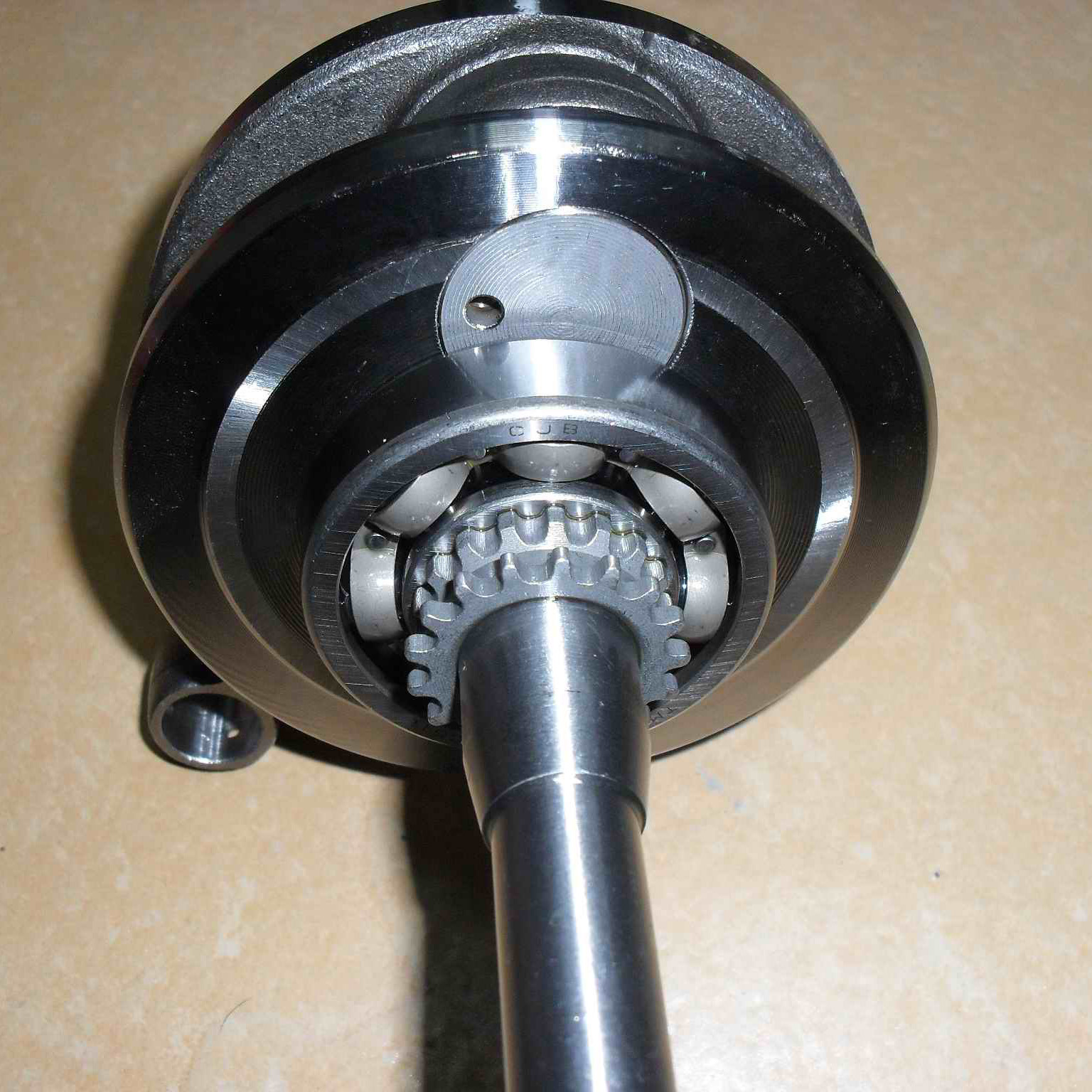
The crank mechanism is the structural and operational foundation of any motorcycle engine. Because it absorbs the immense forces of combustion and converts them into rotational energy, sourcing these components requires absolute certainty in material science and machining precision. For volume buyers, the primary challenge is finding a manufacturing partner capable of maintaining micron-level tolerances and consistent heat treatments across large production runs, ensuring the bottom end of the engine remains bulletproof.
Material Selection and Manufacturing Methods
The choice of material and forming process dictates the strength, weight, and cost of the crank mechanism. While commuter bikes prioritize cost-effective casting, performance applications demand advanced forging or billet machining.
| Construction | Common Materials | Best Suited For |
|---|---|---|
| Nodular Cast Iron | QT600-3, QT700-2 | Low-cc commuter and utility engines |
| Forged Steel | 4340, 4140, 20CrMo | Mid to high-displacement, performance engines |
| Billet Steel | EN36, 4340 Billet | Racing applications, low-volume custom builds |
When developing custom stroke profiles or upgrading materials for aftermarket performance parts, working with a factory that offers comprehensive OEM/ODM Services is critical. The supplier must have the in-house engineering capability to calculate counterweight mass and dynamic balance based on your specific piston and connecting rod weights.
Critical Tolerances and Factory Capabilities
Quality is won or lost on the CNC grinders and balancing machines. A supplier might have excellent forging capabilities but lack the precision grinding equipment necessary for finishing the main and rod journals.
Need to ensure a factory meets strict tolerance requirements? We audit facilities and manage quality control on the ground to prevent costly defects.
Talk to our teamWhen vetting a manufacturer's production line, pay close attention to their quality control processes for the following parameters:
Key Inspection Points for Crank Mechanisms
- Journal Roundness: Must be maintained under 0.005mm to prevent premature bearing wear.
- Runout (TIR): Total Indicator Reading across the main journals should not exceed 0.01mm to 0.02mm depending on the application.
- Surface Finish (Ra): Journals typically require a micro-polished finish of Ra 0.2 or better for optimal oil film retention.
- Heat Treatment Depth: Induction hardening or nitriding must achieve the specified case depth (typically 1.5mm to 2.5mm) without embrittling the core.
- Dynamic Balancing: Ensure the factory uses computerized balancing machines to drill or add Mallory metal to exact specifications.
Implementing rigorous Quality Control & Inspection prior to shipment is non-negotiable. Checking runout and journal diameters on a statistically significant sample size prevents out-of-spec batches from reaching your assembly line or distribution network.
Sourcing Realities: MOQs, Pricing, and Lead Times
The motorcycle parts manufacturing hubs in China—primarily in Chongqing (a massive hub for complete engines and internal components) and Zhejiang—offer varying tiers of quality and scale. Understanding the baseline expectations for bulk orders helps in planning your procurement cycle.
Pricing is heavily influenced by the cost of raw steel, the complexity of the heat treatment process, and the precision of the final grind. Be wary of quotes that fall significantly below market average; this often indicates a compromise in material grade (e.g., substituting 4340 steel with a lower carbon equivalent) or skipping crucial stress-relief cycles after forging. Conducting thorough Factory Audits is the most effective way to verify that a supplier actually possesses the heat-treatment and CNC equipment they claim to have.
Evaluating a new crankshaft manufacturer? Let us verify their production capabilities, audit their facilities, and negotiate MOQs on your behalf.
Get a free consultationFrequently Asked Questions
Ultimately, sourcing motorcycle crank mechanisms is an exercise in risk management. A supplier's ability to forge or cast a blank is common; their ability to consistently machine, heat-treat, and balance that blank to exact tolerances across thousands of units is rare. Partnering with suppliers who have proven, verifiable quality management systems is the only way to ensure the long-term reliability of the engines your components will power.
Get Sourcing Help for Motorcycle Crank Mechanisms
Tell us your requirements and our experts will connect you with verified manufacturers.