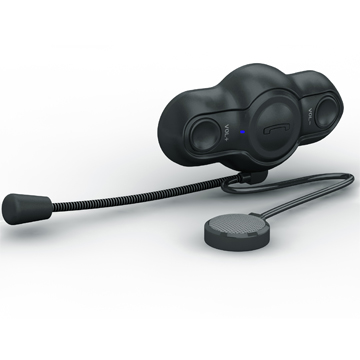
Motorcycle Communication Systems
Source high-quality motorcycle communication systems from vetted manufacturers and wholesale suppliers across Asia. Designed for importers, distributors, and brands seeking reliable OEM and private-label production, our network delivers advanced Bluetooth and mesh intercom solutions ready to scale your product line.
Sourcing motorcycle communication systems requires balancing advanced chipset capabilities, battery reliability, and rugged weatherproofing. The core challenge for buyers is distinguishing between factories that engineer and assemble high-grade printed circuit board assemblies (PCBAs) and those that merely repackage generic consumer electronics into motorcycle helmets. A failure in noise cancellation algorithms, waterproof sealing, or network stability at highway speeds will immediately impact your brand's reputation.
Core Specifications and Chipset Architecture
The foundation of any reliable motorcycle intercom is its chipset and protocol architecture. When specifying requirements with a manufacturer, the processor dictates the ceiling of your product's performance, particularly regarding rider capacity, range, and audio clarity.
| Specification | Standard Bluetooth (5.0+) | Dual-Core Mesh Systems |
|---|---|---|
| Network Topology | Linear (Daisy Chain) | Dynamic Routing (Self-healing) |
| Rider Capacity | 2 to 4 riders | Up to 24 riders (or limitless in public mode) |
| Audio Processing | Basic DSP noise reduction | Advanced CVC/DSP with dual-mic support |
| Ideal Application | Budget OEM, commuter markets | Premium private-label, touring markets |
When negotiating with suppliers, verify the chipset origin. Premium systems typically utilize Qualcomm (CSR) or advanced BES chips. Lower-tier factories may substitute these with cheaper alternatives that struggle with multi-channel audio (e.g., listening to GPS navigation while maintaining an active intercom channel).
Struggling to verify factory chipset claims? We can help you identify manufacturers with genuine engineering capabilities and secure the right components for your target market.
Talk to our teamManufacturing Tolerances and Quality Vulnerabilities
Motorcycle communication devices operate in extreme environments. Wind noise, heavy rain, and constant vibration expose manufacturing shortcuts quickly.
Critical Inspection Points on the Factory Floor
- Environmental Sealing: Look for IP65 to IP67 ratings. The best factories use ultrasonic welding for the casing and high-grade silicone gaskets for ports. Cheaper production runs often rely on basic adhesives that degrade under UV exposure and temperature fluctuations.
- Battery Integration: Lithium-polymer (Li-Po) batteries must be securely mounted to withstand engine and road vibration. Poor soldering at the battery terminal is a leading cause of premature failure.
- Audio Jack Durability: The connection point between the helmet headset and the main unit undergoes constant stress. Reinforced Type-C or proprietary multi-pin connectors are mandatory for longevity.
Catching these issues requires rigorous quality control at the factory level, including vibration testing and water-immersion checks before final packaging.
Compliance, Certifications, and Testing
Importing wireless communication devices into Western markets triggers strict regulatory requirements. A factory claiming "CE/FCC compliance" on Alibaba is not enough; you need verifiable test reports for the exact PCBA and battery combination you are purchasing.
Mandatory Regulatory Certifications
- FCC Part 15 (US) / CE RED (Europe) for wireless transmission
- BQB Certification (Bluetooth Qualification Body) to legally use the Bluetooth logo
- UN38.3 and MSDS for safe shipping of integrated lithium batteries
- RoHS and REACH compliance for material safety
If you are modifying a factory's existing design, re-certification is often required. Utilizing professional compliance testing ensures your shipment won't be seized by customs or removed from retail shelves.
Production Realities: MOQs, Pricing, and Lead Times
Pricing in this category is highly dependent on the chipset, battery capacity (typically 800mAh to 1200mAh), and the level of customization.
If you are pursuing OEM/ODM services to create a unique shell design or proprietary button layout, expect tooling costs to range from $3,000 to $8,000 depending on the complexity of the mold and the number of physical buttons requiring waterproofing.
Need to negotiate better MOQs or develop a custom intercom system? Our sourcing experts manage the entire process from factory selection to final delivery.
Get a free consultationFrequently Asked Questions
Navigating the supply chain for motorcycle communication systems means looking past glossy product catalogs and diving into the technical realities of RF engineering and weatherproofing. By conducting thorough factory audits and enforcing strict quality standards during assembly, you can secure reliable products that build long-term brand loyalty among riders.
Get Sourcing Help for Motorcycle Communication Systems
Tell us your requirements and our experts will connect you with verified manufacturers.