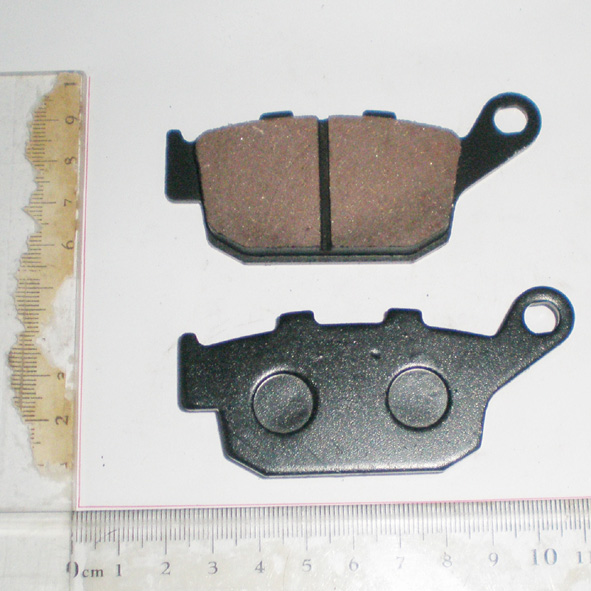
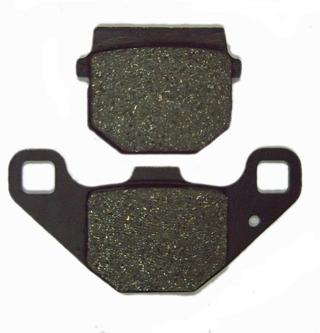
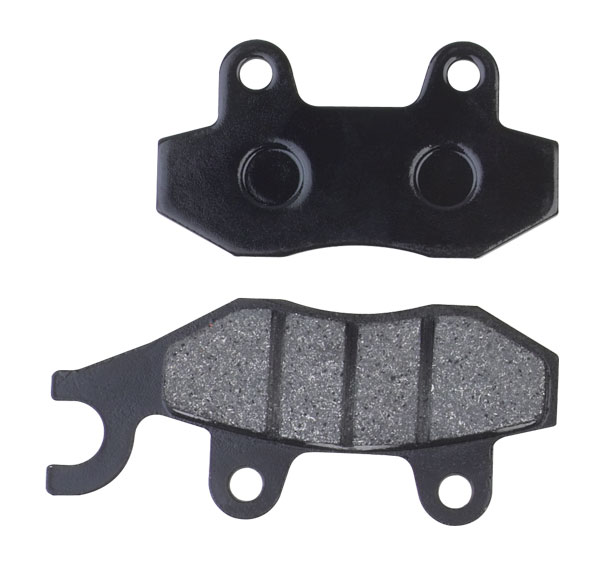
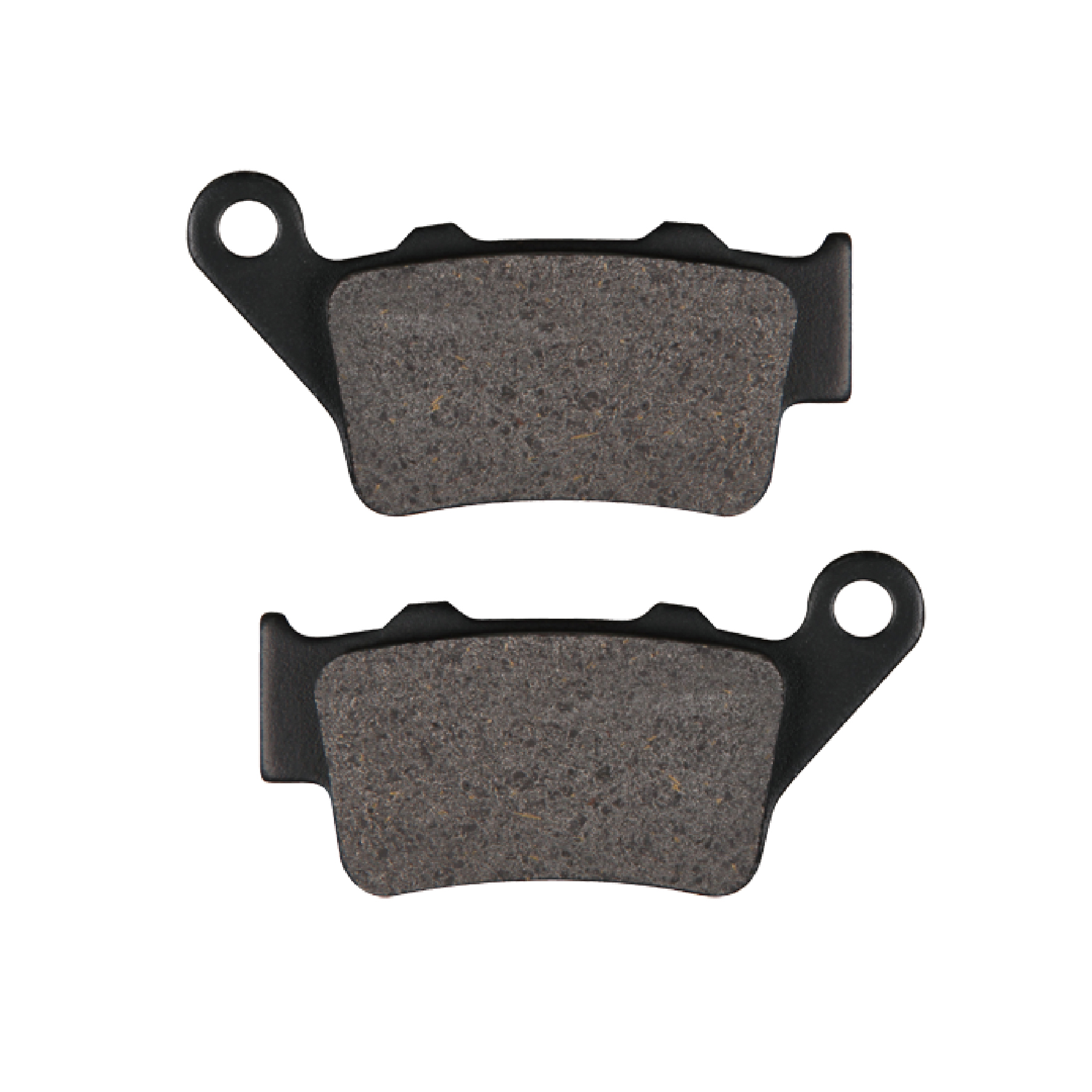
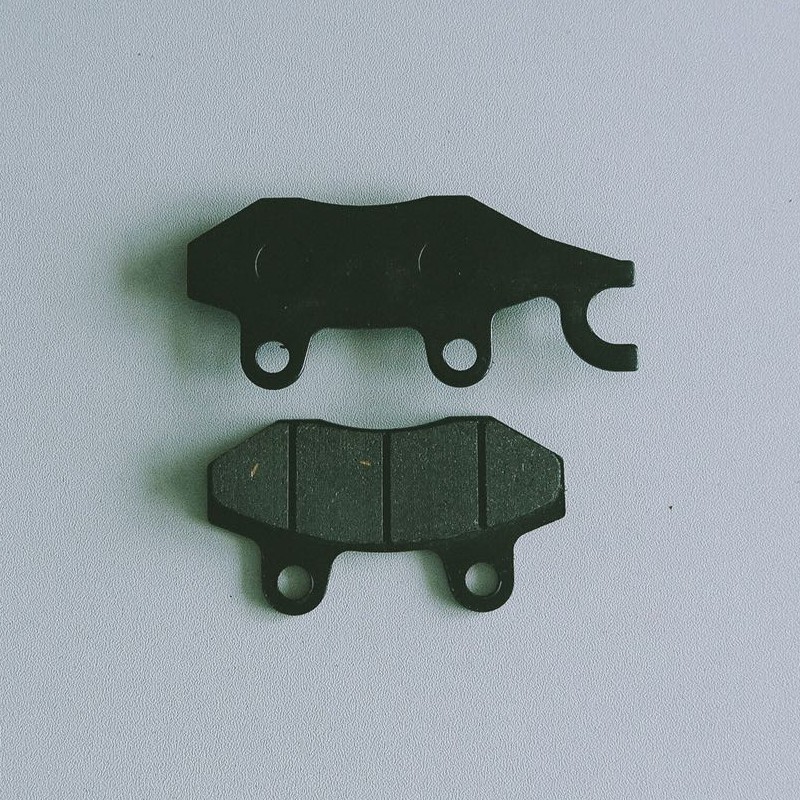
Motorcycle Brake Pads
Source high-performance motorcycle brake pads from vetted suppliers and manufacturers. Designed for importers, wholesale distributors, and brands seeking reliable OEM or private-label production. Ensure strict safety compliance, consistent friction performance, and scalable bulk manufacturing for your supply chain.
Sourcing motorcycle brake pads at scale requires balancing stopping power, rotor wear, and thermal stability across diverse riding conditions. For bulk buyers and aftermarket brands, the primary challenge lies in securing consistent friction formulations and flawless backing-plate adhesion from batch to batch. A minor deviation in the curing process or compound mixing can lead to catastrophic brake fade, noise issues, or premature wear.
Specifying Friction Materials
The core of any brake pad sourcing strategy is the friction material. Manufacturers typically offer standard formulations, but developing a proprietary compound is common for brands utilizing OEM/ODM Services. You must align the compound with the target vehicle's weight, intended use, and rotor material.
| Material Type | Friction Coefficient (approx) | Thermal Stability | Primary Application |
|---|---|---|---|
| Sintered (Copper/Metal Alloy) | High (0.55 to 0.65) | Excellent (up to 850 C) | Sportbikes, Off-Road, Heavy Cruisers |
| Organic / NAO (Non-Asbestos) | Medium (0.35 to 0.45) | Moderate (up to 400 C) | Commuter, Scooters, Light Street |
| Semi-Metallic | Medium-High (0.40 to 0.50) | Good (up to 600 C) | Touring, General Street |
| Ceramic Composite | Stable (0.45 to 0.55) | Very Good (up to 700 C) | Premium Street, Low-Dust requirements |
When negotiating specifications, clarify the exact percentage of metallic fibers in semi-metallic pads and verify the absence of heavy metals (like lead or asbestos) to comply with international environmental standards.
Need help matching friction formulations to your target market? Let's discuss your technical requirements.
Talk to our teamManufacturing Quality and Factory Floor Realities
A supplier's capability is tested in the mixing, pressing, and curing stages. Poorly mixed friction compounds result in hard spots that score rotors. Inadequate curing leads to off-gassing under heavy braking, creating a microscopic layer of gas between the pad and rotor that causes severe brake fade.
Before committing to a production run, conducting thorough Factory Audits is essential to verify the manufacturer's pressing equipment and quality management systems (such as IATF 16949 certification).
Critical Pre-Shipment Quality Checks
- Shear Strength Testing: Verifying the bond between the friction block and the steel backing plate.
- Compressibility Testing: Ensuring the pad does not compress excessively under hydraulic pressure, which causes a spongy lever feel.
- Backing Plate Flatness: Checking for warping post-stamping; uneven plates cause drag and uneven wear.
- Slotting and Chamfering Accuracy: Confirming expansion slots and edge chamfers meet dimensional tolerances to mitigate vibration and noise.
- Scorching Verification: Ensuring pads are properly heat-scorched at the factory to reduce the initial break-in period for the end-user.
Implementing strict Quality Control & Inspection protocols before shipping ensures that destructive testing (like shear and fade tests) meets your agreed-upon acceptable quality limits (AQL).
Compliance and Testing Standards
Motorcycle brake pads are critical safety components and are heavily regulated. Depending on your target market, specific certifications are non-negotiable.
- ECE R90: Mandatory for replacement brake pads in Europe. It requires the aftermarket pad to perform within plus or minus 15 percent of the original equipment (OE) pad.
- AMECA / DOT: Required for the US market, focusing on friction coefficient grading (e.g., GG, HH ratings stamped on the backing plate).
- JASO standards: Often referenced for Asian markets and specific OEM requirements.
Partnering with a supplier who already holds valid test reports for their base formulations can save months of development time. If you are customizing the compound, factor in the cost and time for independent Compliance & Testing.
Typical MOQs, Lead Times, and Pricing Drivers
Pricing for motorcycle brake pads is dictated by the raw material costs (especially copper for sintered pads), the complexity of the backing plate tooling, and the required certifications.
To manage costs, buyers often consolidate orders across multiple motorcycle models that share the same backing plate design, varying only the friction material based on the performance tier.
Looking to optimize your purchasing volume and consolidate shipments? We can help structure your sourcing strategy.
Get a free consultationFrequently Asked Questions
Sourcing motorcycle brake parts is an exercise in risk management. By clearly defining technical specifications, verifying factory capabilities through rigorous audits, and enforcing strict pre-shipment testing, you can secure a reliable supply of safe, high-margin brake pads for your distribution network.
Get Sourcing Help for Motorcycle Brake Pads
Tell us your requirements and our experts will connect you with verified manufacturers.