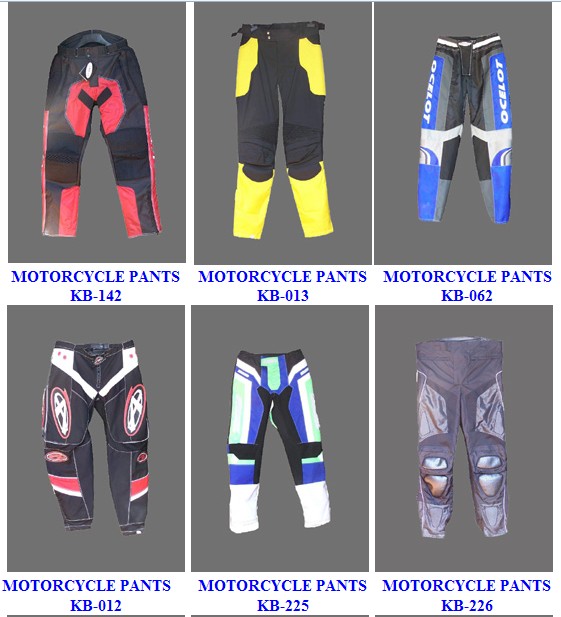
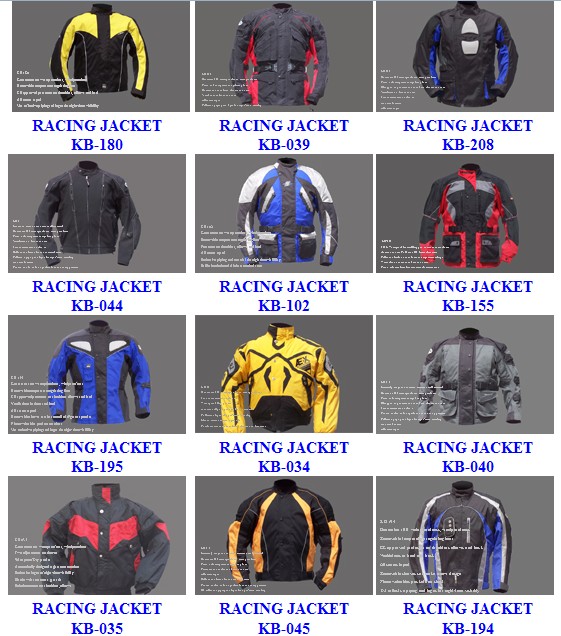
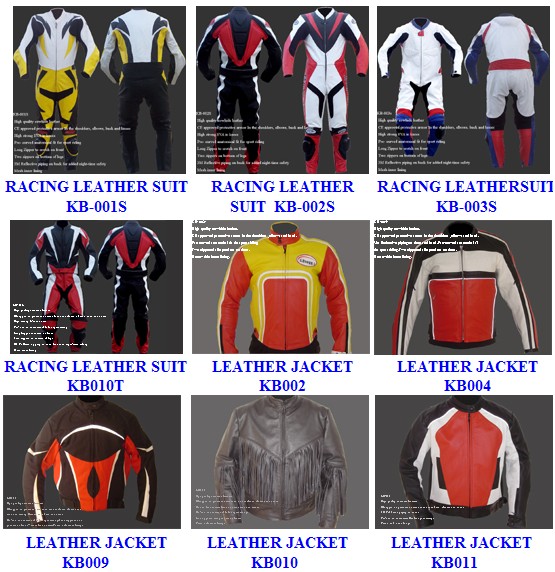
Motorcycle & Auto Racing Wear
Source high-performance motorcycle and auto racing wear directly from vetted manufacturers and suppliers. This selection is curated for importers, distributors, and brands seeking reliable OEM and private-label production in bulk. Secure competitive wholesale pricing on certified protective gear designed for professional and recreational racing.
Sourcing protective motorsport apparel requires balancing critical safety certifications with ergonomic performance and unit economics. Whether you are developing fire-retardant auto racing suits or high-abrasion leather motorcycle gear, the margin for error in production is zero. Relying on unverified suppliers often leads to failed compliance tests, inconsistent sizing across production batches, and compromised seam integrity under stress.
Core Material and Construction Specifications
The foundation of any racing garment is its material composition and the engineering of its seams. Auto racing and motorcycle riding demand entirely different protective properties—thermal resistance versus impact and abrasion resistance. When specifying tech packs for OEM/ODM Services, precision in material callouts is non-negotiable.
| Material Type | Primary Application | Critical Specifications |
|---|---|---|
| Top-Grain Cowhide (1.1-1.3mm) | Motorcycle Track & Street | High abrasion resistance; requires safety stitching (ISO 4916). |
| Aramid Fiber (Nomex/Kevlar) | Auto Racing & Moto Reinforcement | Thermal resistance (FIA 8856-2018); high tensile strength. |
| High-Denier Cordura (600D+) | Adventure/Touring Motorcycle | Abrasion and tear resistance; often paired with waterproof membranes. |
Beyond the raw material, seam construction dictates the garment's failure point. A standard single-needle lockstitch is insufficient for racing wear. Tech packs must specify hidden safety stitching (where the structural stitch is protected from abrasion by folded leather) and triple-stitched impact zones using bonded nylon or Kevlar thread.
Ensure your next production run meets strict structural standards without compromising on your target margins.
Talk to our teamManufacturing Vulnerabilities and Quality Control
Producing heavy-duty racing wear requires specialized machinery, such as walking-foot sewing machines capable of penetrating multiple layers of 1.3mm leather and CE-rated armor pockets. Many standard apparel factories will attempt to accept motorsport orders without the proper equipment, leading to dropped stitches and needle holes that compromise the garment's structural integrity. Conducting thorough Factory Audits is essential to verify a supplier's technical capability before placing a deposit.
Critical Pre-Shipment Inspection Points
- Seam strength and integrity: Verify hidden safety seams in all high-impact zones.
- Armor pocket placement: Ensure internal pockets for CE Level 1/2 armor do not shift during grading across different sizes.
- Hardware durability: Test YKK or equivalent heavy-duty zippers for smooth operation under lateral tension.
- Pattern articulation: Check pre-curved arms and legs for proper ergonomic fit in the riding/driving position.
- Homologation labeling: Confirm all FIA or CE certification tags are permanently affixed according to regulatory standards.
Implementing rigorous Quality Control & Inspection protocols at the factory level prevents defective, potentially dangerous gear from reaching your warehouse.
Buying Mechanics: MOQs, Lead Times, and Pricing
The motorsport apparel supply chain moves slower than standard fashion due to the complexity of the garments, the specialized nature of the materials, and the stringent testing requirements.
Pricing is heavily influenced by material yields. Leather suits, for example, require large, unblemished hides for major panels. Poor grading or lower-grade hides will drastically increase the factory's rejection rate, driving up your unit cost. Additionally, if you are developing new protective structures, budget for third-party Compliance & Testing to achieve CE (EN 17092) or FIA certification, which can add weeks to your development timeline and require specific testing budgets.
Navigate complex MOQs, material yields, and compliance testing with a dedicated sourcing partner on the ground.
Get a free consultationFrequently Asked Questions
Successfully scaling a motorsport apparel brand requires looking past the initial unit price and focusing on long-term factory reliability. A supplier's ability to consistently source high-grade materials and maintain strict quality control over complex seam construction is what ultimately protects both the end-user and your brand's reputation.
Get Sourcing Help for Motorcycle & Auto Racing Wear
Tell us your requirements and our experts will connect you with verified manufacturers.