Molybdenum
Source high-purity molybdenum from vetted suppliers and manufacturers across Asia. Designed for industrial importers, alloy manufacturers, and wholesale distributors buying in bulk, our network offers reliable access to raw molybdenum powder, sintered billets, and custom-machined parts with verified quality and competitive pricing.
Sourcing molybdenum requires navigating a highly concentrated supply chain where purity, processing capabilities, and raw material volatility dictate your final costs and product performance. Whether you are procuring molybdenum powder for thermal spray coatings, sintered billets for superalloy production, or custom-machined components for high-temperature vacuum furnaces, securing a consistent, high-purity supply is critical to avoiding catastrophic failures in high-stress applications.
Defining Molybdenum Specifications
When buying molybdenum in bulk, "pure" is a relative term that must be rigorously defined in your purchase orders. Industrial applications typically demand a minimum purity of 99.95%, but the allowable limits for specific trace elements (like oxygen, carbon, iron, and nickel) vary heavily depending on whether the material will be used in semiconductors, aerospace alloys, or industrial heating elements.
| Material Grade | Typical Composition | Primary Applications |
|---|---|---|
| Pure Molybdenum | 99.95% minimum Mo | Vacuum furnace parts, semiconductor tooling, lighting |
| TZM Alloy | Mo + 0.5% Ti, 0.08% Zr, 0.02% C | High-temp structural components, die casting, forging dies |
| Mo-La (Lanthanated) | Mo + 0.3-0.7% La2O3 | Creep-resistant furnace elements, high-temperature wire |
For molybdenum powder, particle size distribution (measured in Fisher Sub-Sieve Sizer or FSSS) and apparent density are just as important as chemical purity. Specify your required FSSS range (e.g., 2.0 to 4.0 microns for standard metallurgical pressing) to ensure the powder behaves predictably during your own manufacturing processes.
Manufacturing Processes and Quality Risks
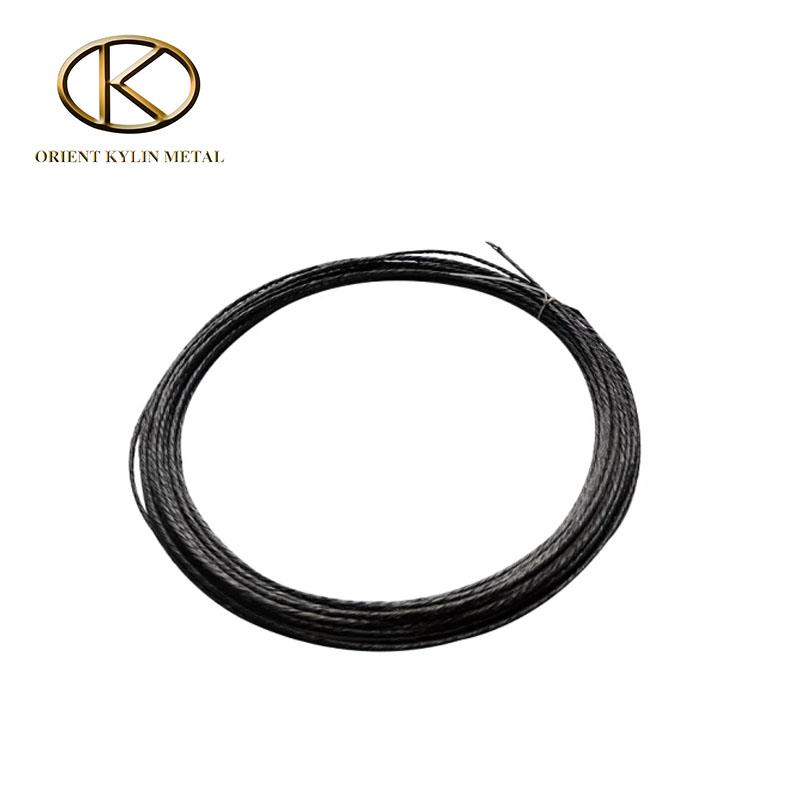
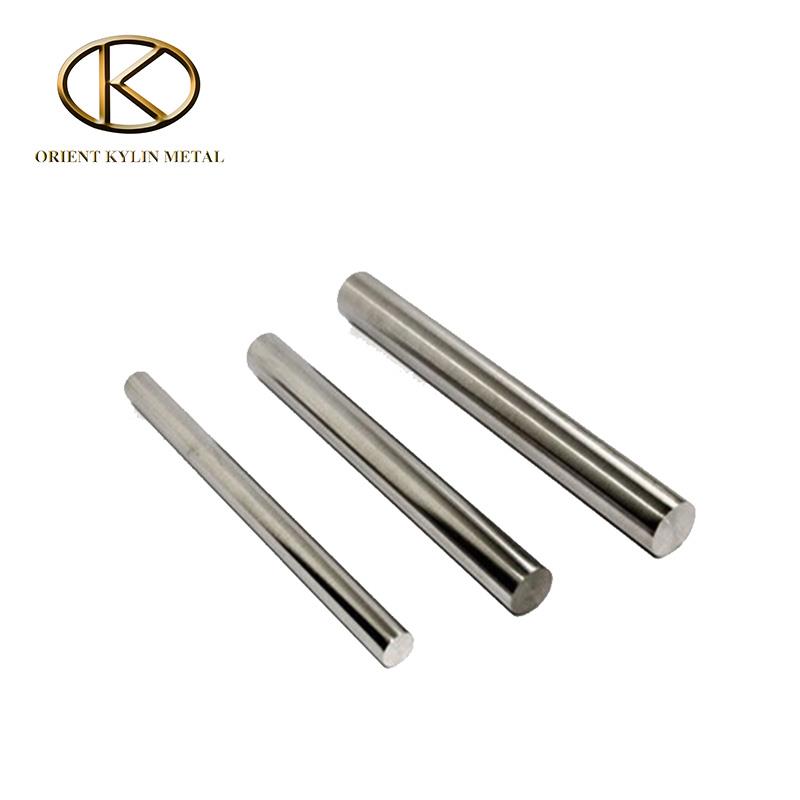
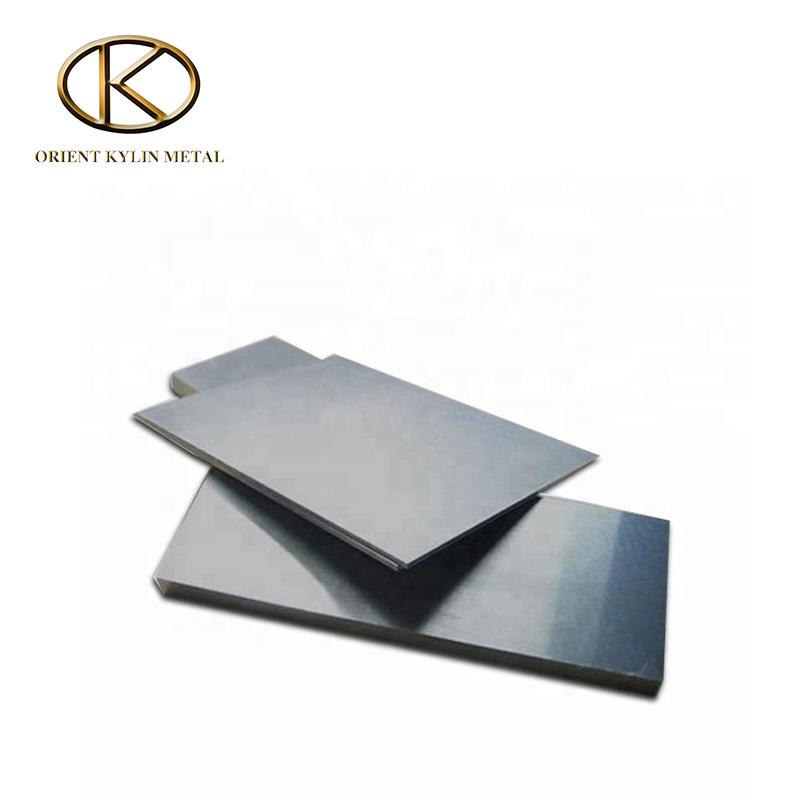
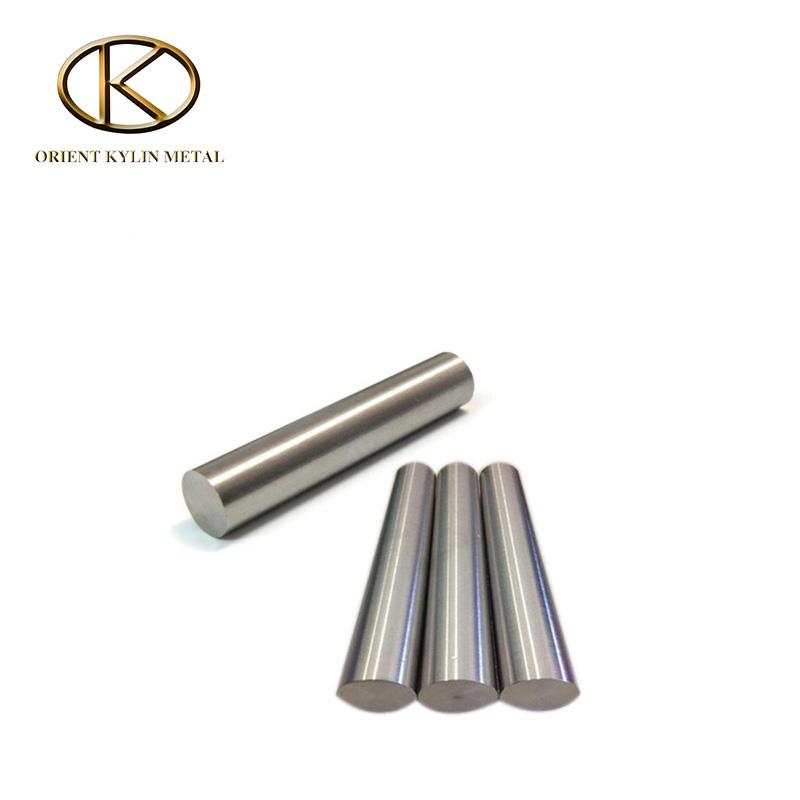
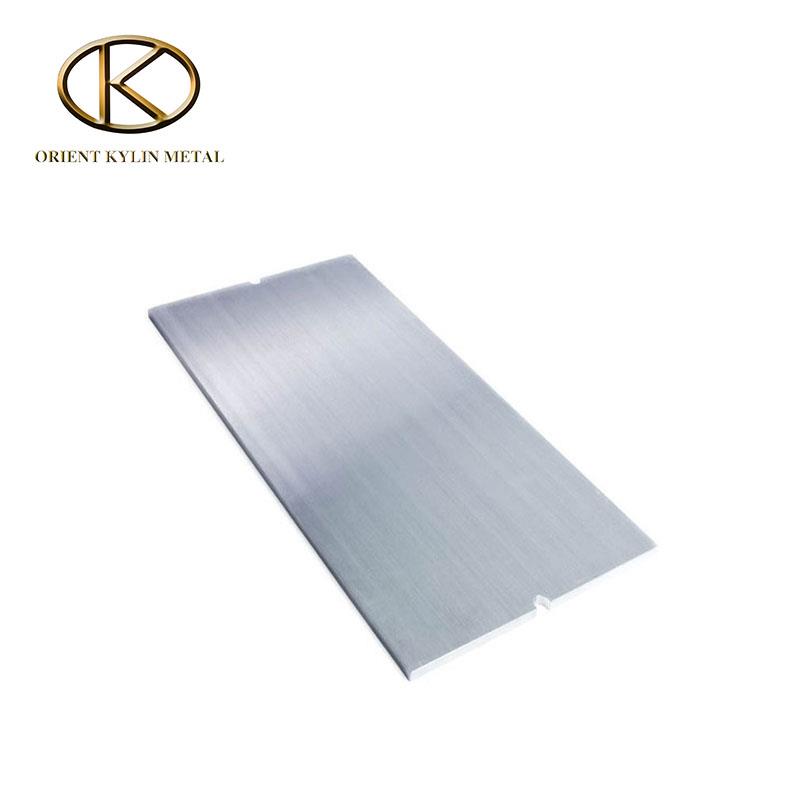
The vast majority of molybdenum products are manufactured via powder metallurgy. Raw molybdenum powder is pressed into shapes (isostatic pressing), sintered at extreme temperatures in a hydrogen atmosphere, and then forged, rolled, or drawn into final mill products like sheet, rod, or wire.
Quality is won or lost during the pressing and sintering phases. Incomplete sintering leads to high porosity and low density, which drastically reduces the material's mechanical strength and thermal conductivity.
Critical Quality Checks for Molybdenum Procurement
- Chemical Composition: Verify trace impurities via ICP-OES (Inductively Coupled Plasma) testing.
- Density Verification: Sintered molybdenum should achieve a density of over 9.8 g/cm³, approaching the theoretical 10.22 g/cm³.
- Grain Structure: For machined parts, request cross-sectional microstructural analysis to ensure uniform grain size.
- Surface Finish: Inspect sheets and rods for delamination, cracks, or heavy oxidation.
Relying solely on factory-provided mill test certificates (MTCs) is a common vulnerability for importers. Implementing independent Quality Control & Inspection protocols, including third-party lab verification for chemical composition, ensures the material meets your exact specifications before it leaves the processing facility.
Need reliable molybdenum suppliers? We audit metallurgical facilities and verify material purity before you commit to a bulk order.
Talk to our teamSupplier Vetting in a Concentrated Market
China dominates global molybdenum mining and processing. However, the market is highly tiered. Primary processors who handle the extraction and reduction of molybdenum oxide into powder operate differently than secondary processors who press, sinter, and machine the metal into finished components.
When sourcing finished components (like crucibles or TZM fasteners), it is crucial to verify whether your supplier has in-house sintering and machining capabilities or if they are simply outsourcing the work. Conducting thorough Factory Audits helps you identify true manufacturers, evaluate their vacuum furnace equipment, and assess their quality management systems (such as ISO 9001 or AS9100 for aerospace applications).
Pricing Structures, MOQs, and Lead Times
Molybdenum pricing is inherently volatile. Unlike base metals, molybdenum is often priced based on regional indices (like Chinese domestic spot prices or European moly oxide metrics) rather than a single global exchange.
- Pricing Mechanics: Suppliers typically quote based on the current raw material index plus a processing fee. Because raw material costs fluctuate daily, quotes are often only valid for 3 to 7 days.
- Typical MOQs: Minimum order quantities depend heavily on the product form. Molybdenum powder often requires MOQs of 50 to 100 kg. Standard mill products (rods, sheets) may require 100 to 500 kg. Custom-machined parts can often be sourced at lower quantities (10 to 50 pieces) but will incur higher per-unit processing and setup fees.
- Lead Times: Standard powder or common rod sizes can often ship in 2 to 4 weeks. Custom sintered billets or complex machined components typically require 6 to 10 weeks, depending on the factory's furnace scheduling.
Managing these fluctuating costs and lead times requires tight Supply Chain Management to synchronize your purchase orders with favorable market dips and ensure steady inventory flow.
Protect your margins with strategic sourcing and transparent pricing tied directly to raw material indices.
Get a free consultationFrequently Asked Questions
Procuring molybdenum in volume is an exercise in risk management. Success depends on aligning yourself with capable metallurgical processors, enforcing rigorous testing standards, and understanding the cost drivers behind the metal. Engaging local expertise to audit facilities and oversee production ensures you receive the high-performance materials your applications demand.
Get Sourcing Help for Molybdenum
Tell us your requirements and our experts will connect you with verified manufacturers.