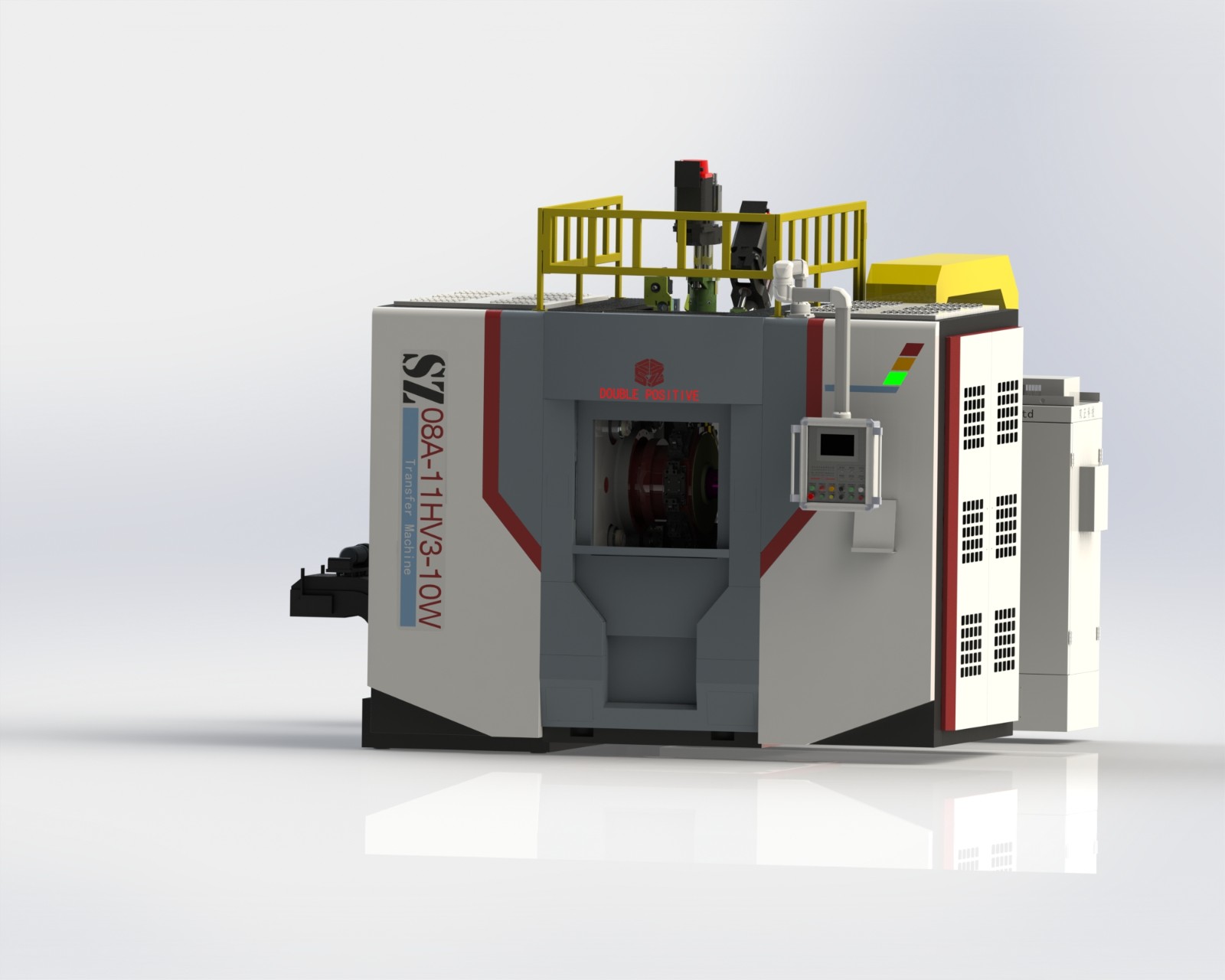
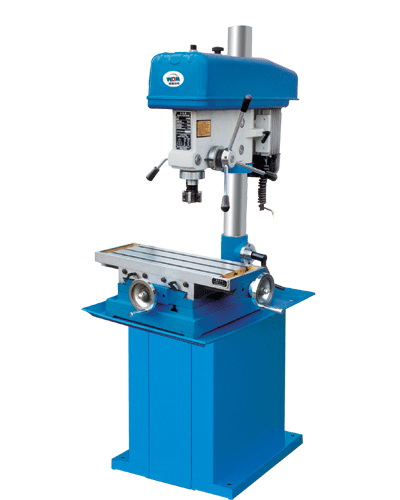
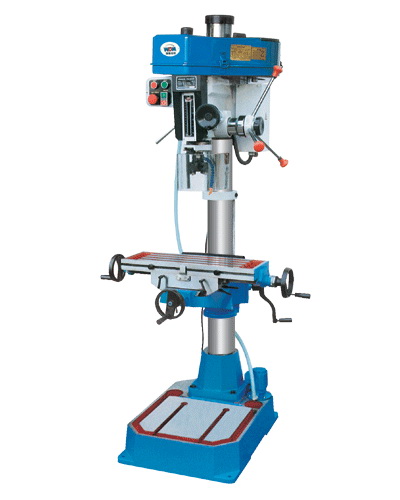
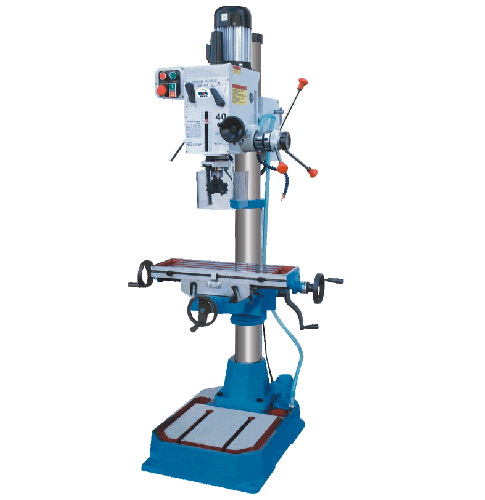
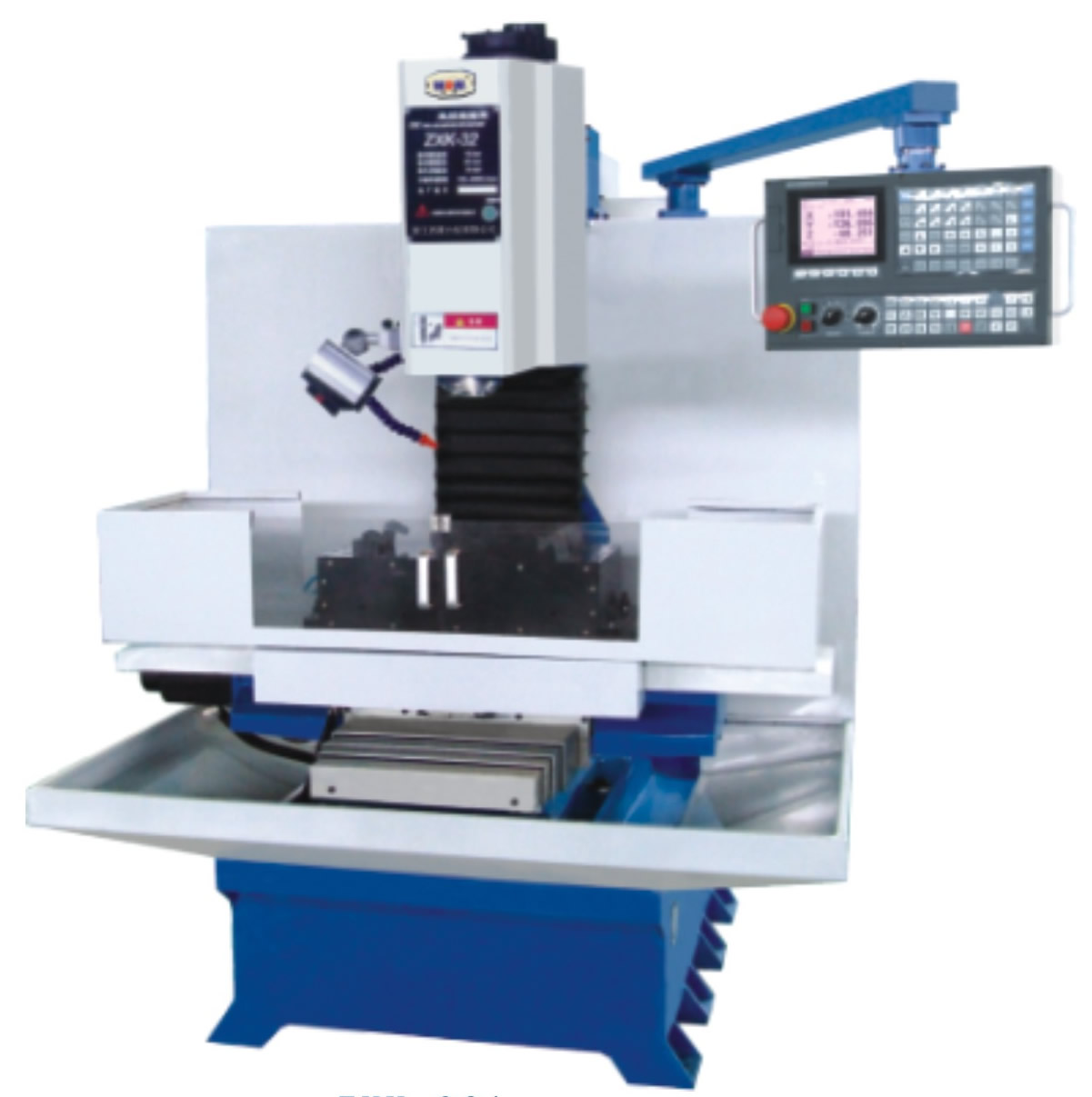
Modular Machine Tools
Source high-precision Modular Machine Tools from vetted manufacturers and suppliers in China and Asia. Designed for industrial equipment importers, distributors, and brands requiring reliable OEM production, our wholesale sourcing solutions ensure you secure optimal pricing, strict quality control, and scalable manufacturing for custom machining applications.
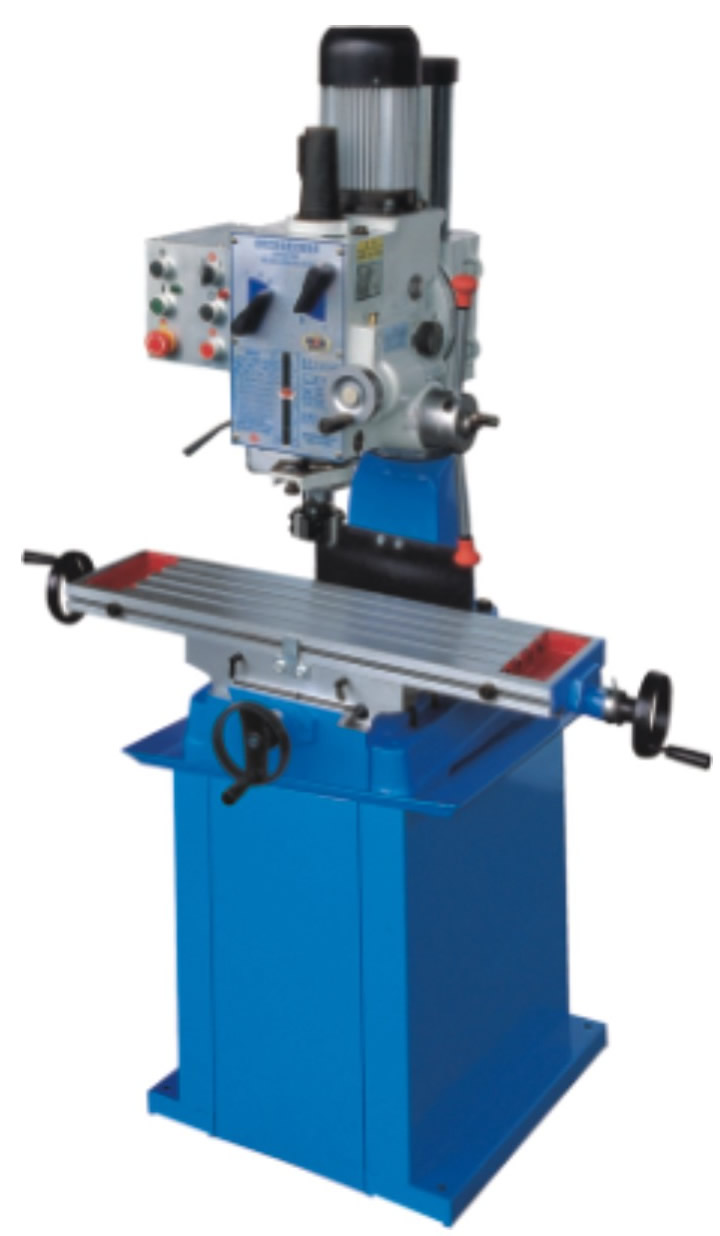
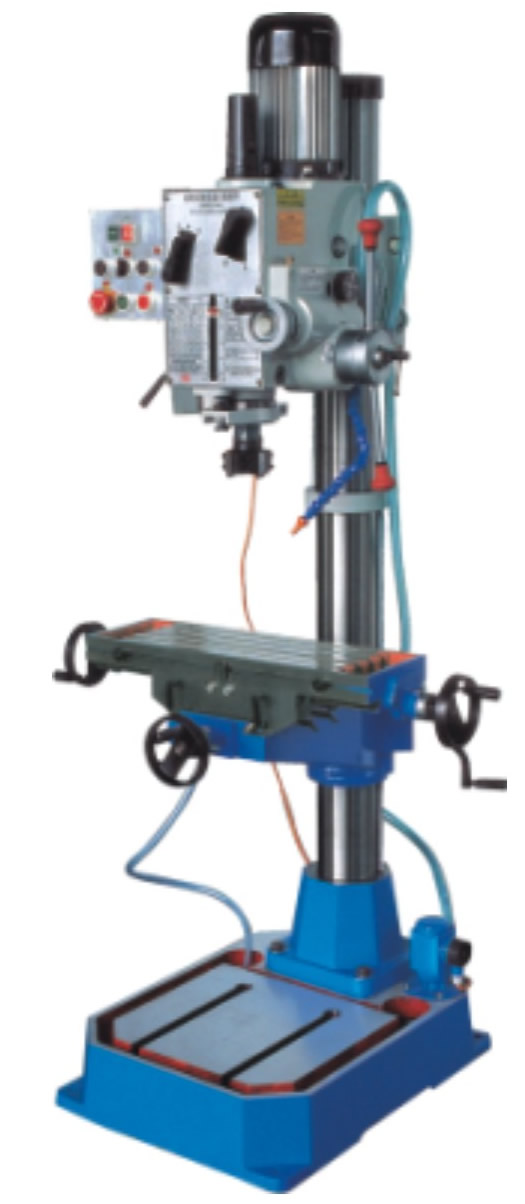
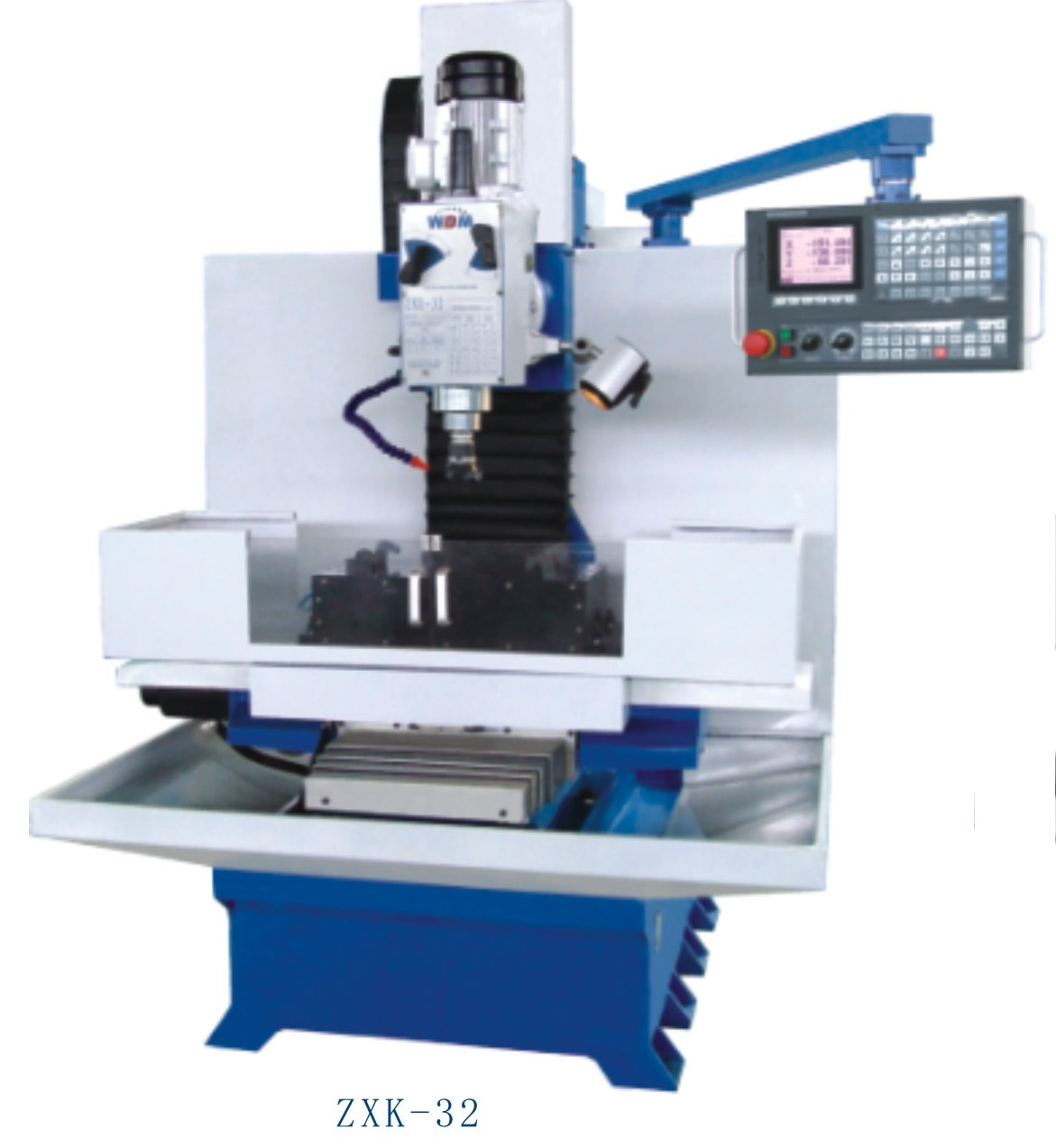
Modular machine tools provide the flexibility of standardized components combined with the high throughput of special purpose machines (SPMs). Sourcing these units—whether you are purchasing individual spindle heads, slide bases, or fully integrated multi-station machines—requires rigorous technical alignment. The primary sourcing challenge is ensuring the overseas manufacturer can deliver the required structural rigidity, positioning repeatability, and control system integration without cutting corners on critical sub-components.
Specifying Core Modules and Tolerances
When importing modular machine tools in volume, the specifications must be exact down to the component level. A modular system is only as reliable as its weakest sub-assembly.
Key modules you must define include:
- Spindle Units: Specify the spindle taper (e.g., BT40, BT50, HSK63), maximum RPM, motor power (kW), and acceptable runout (typically under 0.005mm at the spindle nose).
- Slide Units (Feed Mechanisms): Define the stroke length, feed rate, and the precision class of the ball screws (e.g., C3 or C5).
- Bases and Columns: The foundation dictates the machine's vibration dampening capabilities. Specify the grade of cast iron (such as HT250 or HT300) and the stress-relief method used.
| Guideway Type | Primary Application | Vibration Dampening | Travel Speed |
|---|---|---|---|
| Linear Guideways | High-speed, lighter cutting | Moderate | High (up to 48m/min) |
| Box / Hardened Ways | Heavy-duty milling, boring | Excellent | Lower (max 15-20m/min) |
Need help verifying a machine tool manufacturer's technical capabilities and component sourcing?
Talk to our teamSupplier Vetting: Manufacturers vs. Assemblers
The Asian machine tool market is highly fragmented. Many suppliers are simply integrators who purchase castings, spindles, and controllers from third parties and assemble them. While this is standard practice, the critical differentiator is how they manage alignment, calibration, and quality control during assembly.
Executing thorough Factory Audits is non-negotiable. When evaluating a factory's capability to produce modular machine tools, look for specific in-house capabilities.
Critical Factory Capabilities to Verify
- In-house precision machining of bases and columns (using large-scale double-column machining centers).
- Proper aging processes for cast iron components (natural aging outdoors for 6+ months or controlled thermal stress relief).
- Use of laser interferometers for calibrating positioning accuracy and repeatability.
- Dynamic balancing equipment for high-speed spindle assemblies.
- A dedicated, temperature-controlled assembly room for precision components.
Factory Acceptance Testing (FAT) Protocols
Because modular machine tools are often configured for specific part production, you cannot rely on standard pre-shipment inspections alone. A rigorous Factory Acceptance Test (FAT) must be written into your supplier contract.
Effective Quality Control & Inspection for machinery involves running the equipment under load before it leaves the factory floor.
Geometric Alignment Check
Verifying the squareness, parallelism, and concentricity of all modules using dial indicators and test mandrels before power-on.
Dry Run Protocol
Running the machine continuously for 24 to 48 hours without cutting to test thermal stability, spindle bearing temperatures, and slide unit lubrication.
Machining Capability Test (Cp/Cpk)
Machining a batch of your actual production parts to verify cycle times, surface finish, and dimensional tolerances, aiming for a Cpk greater than 1.33.
Pricing, MOQs, and Production Lead Times
Unlike consumer goods, modular machine tools are capital equipment. MOQs for complete, multi-station machines are typically one unit, though component distributors often source individual modules (spindle heads, hydraulic slides, indexing tables) in batches of 10 to 50 units to secure favorable pricing.
Lead times are heavily dependent on the availability of customized castings and imported CNC controllers.
Managing complex machinery sourcing, FAT, and heavy-freight logistics requires precision. Let our experts handle the execution.
Get a free consultationBuyer FAQ
Sourcing modular machine tools is an exercise in risk mitigation. Success depends entirely on locking down technical specifications early, verifying the factory's calibration equipment, and executing a flawless FAT before the equipment is crated for export. A structured, engineering-led sourcing process is the only way to ensure the machinery performs reliably on your production floor.
Get Sourcing Help for Modular Machine Tools
Tell us your requirements and our experts will connect you with verified manufacturers.