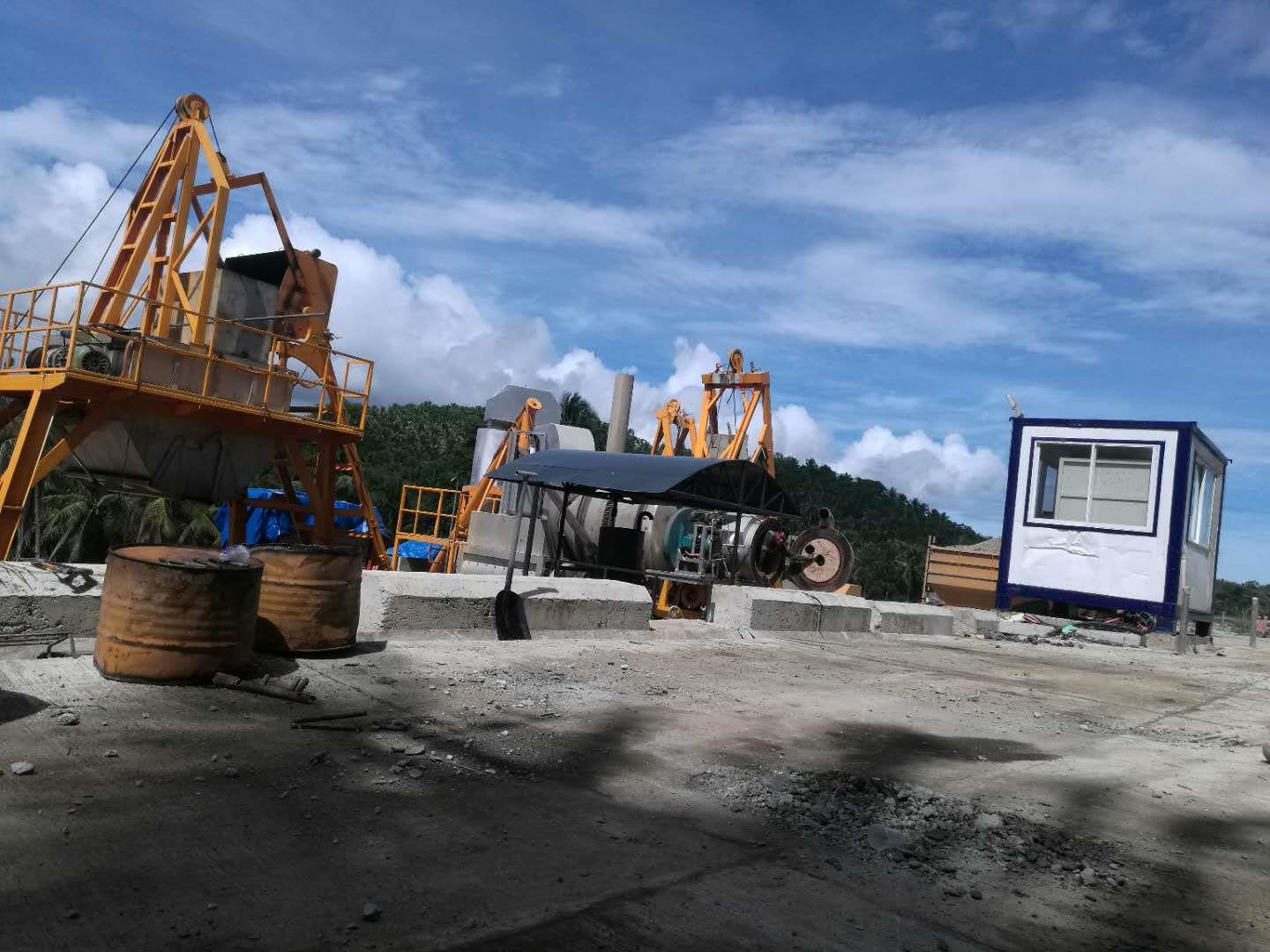
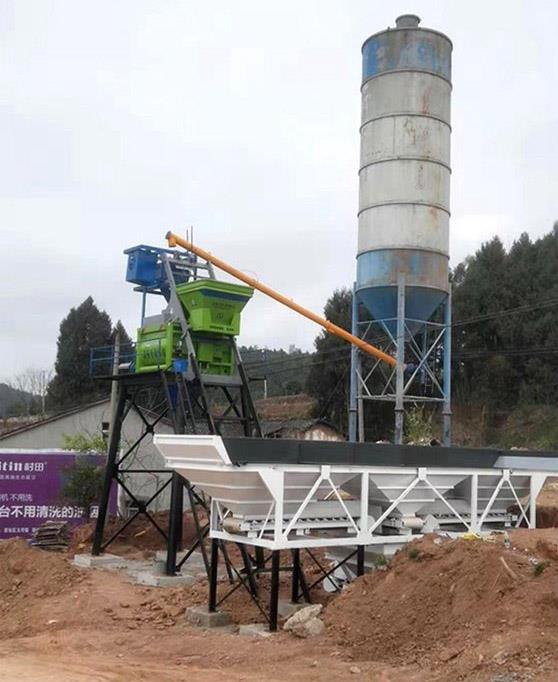
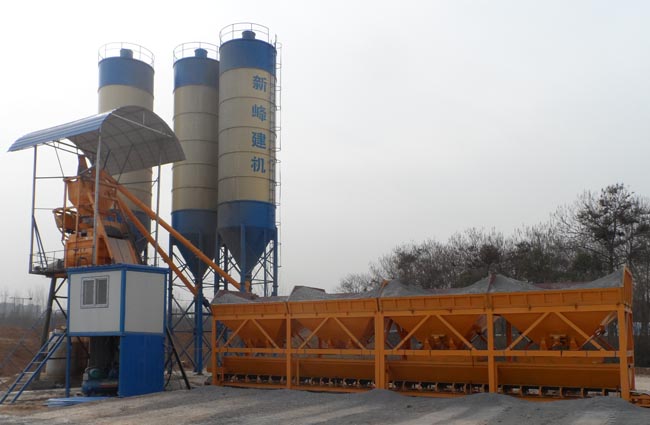
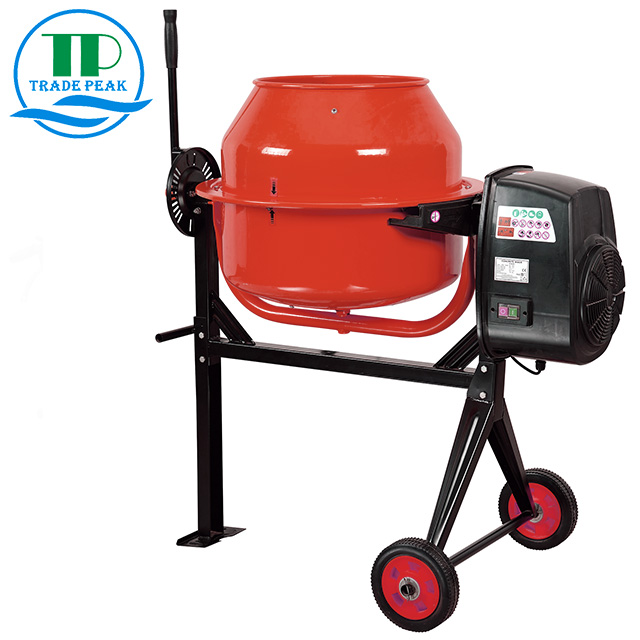
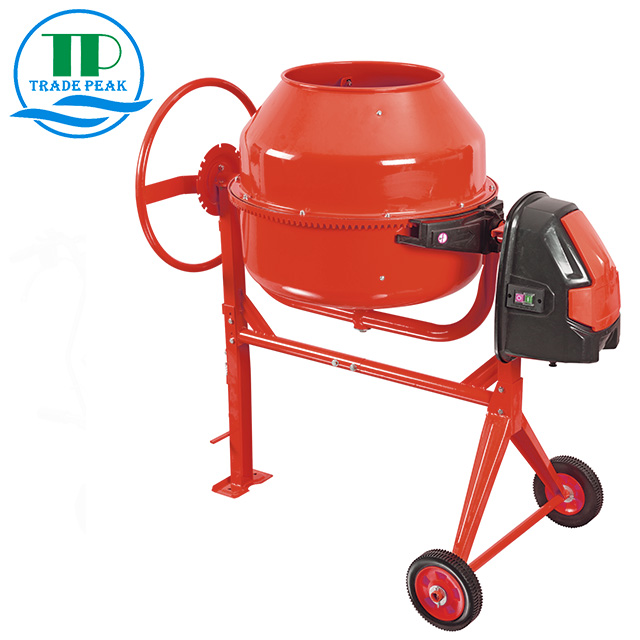
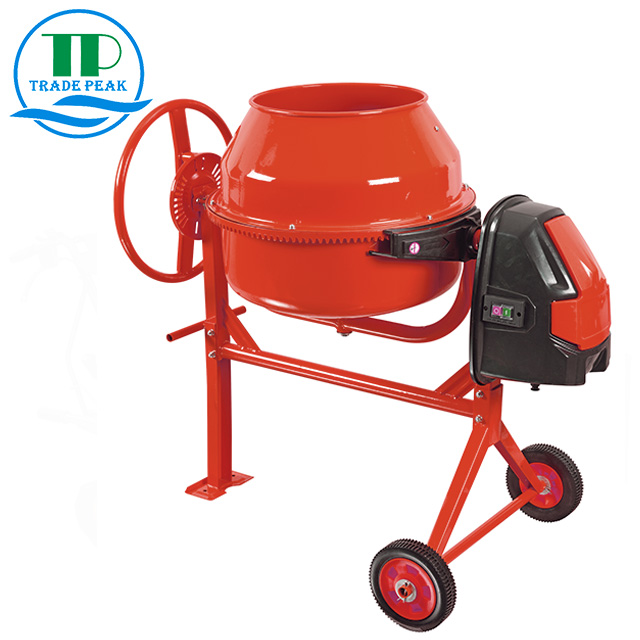
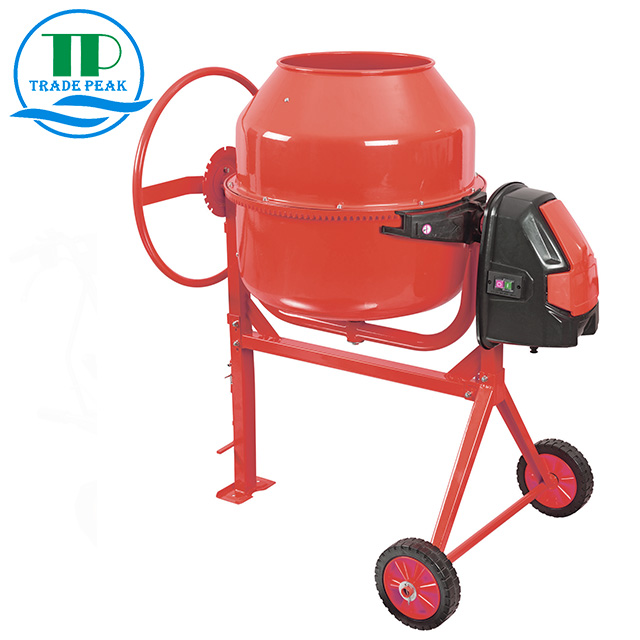
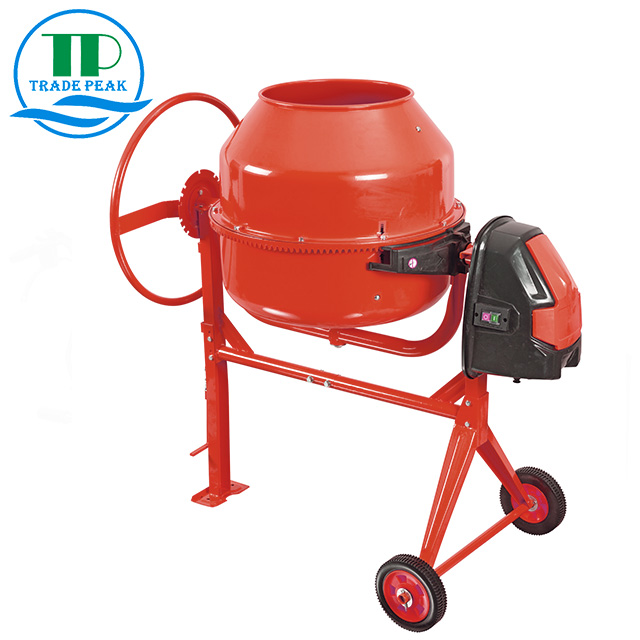
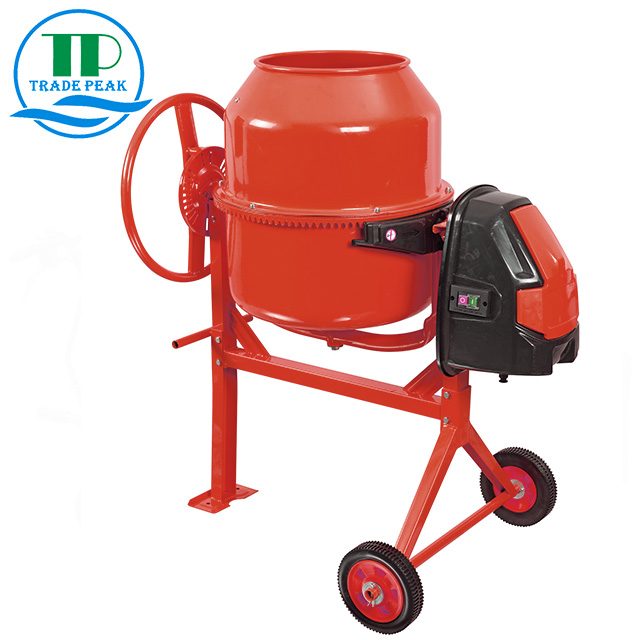
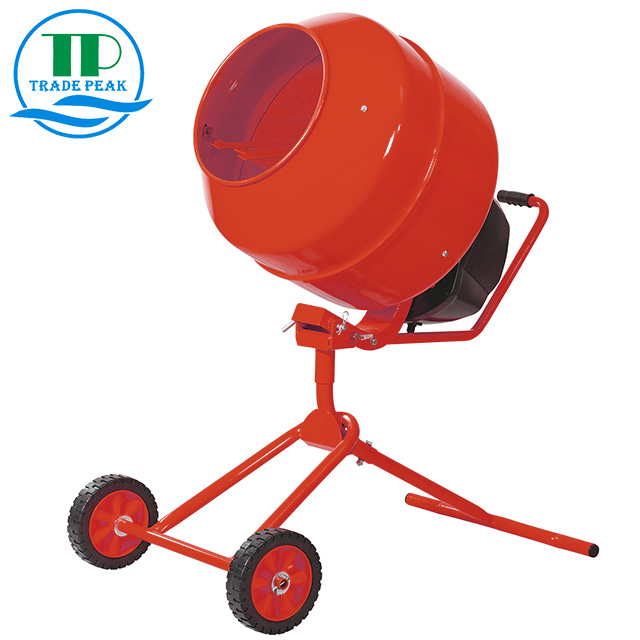
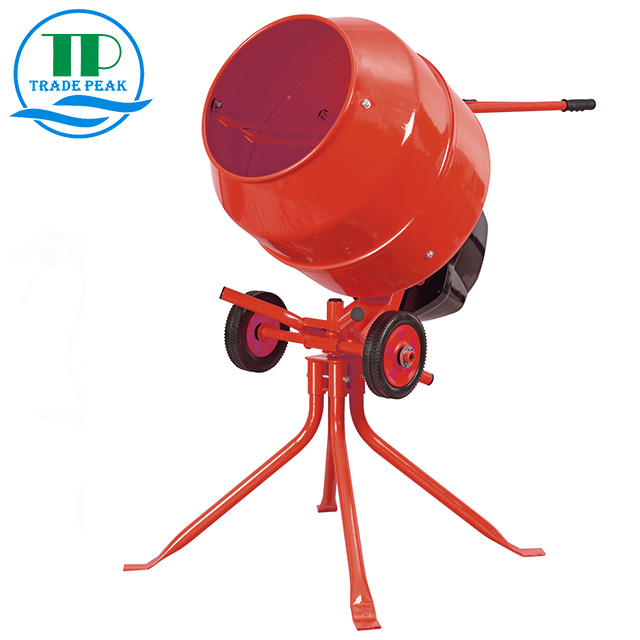
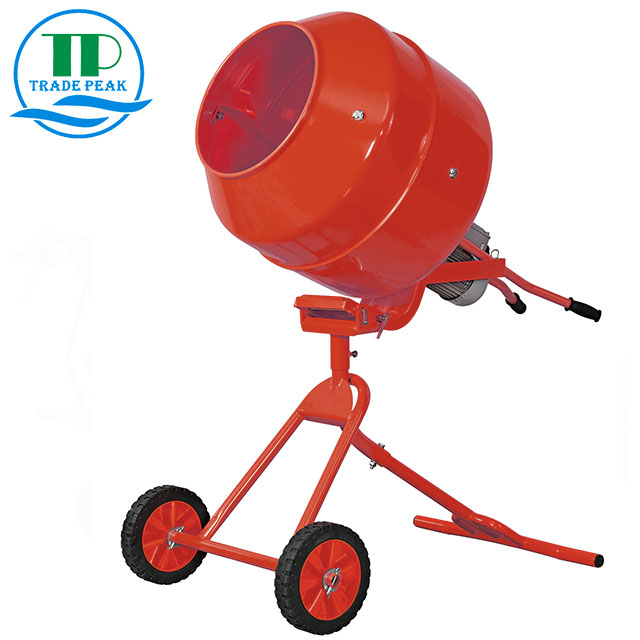
Mixing Plants/Mixers
Source industrial-grade mixing plants and concrete mixers directly from vetted manufacturers and suppliers. Designed for importers, wholesalers, construction equipment distributors, and procurement managers looking for reliable, high-capacity machinery in bulk. Ensure performance and compliance with expert factory-direct sourcing.
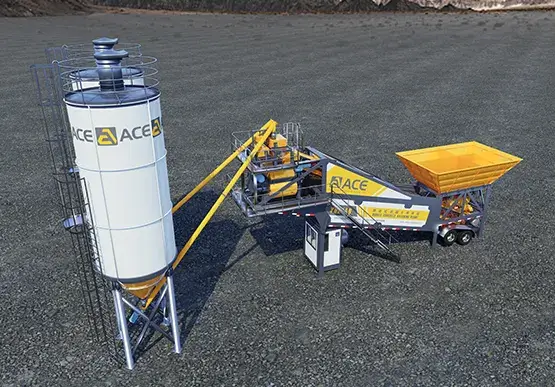
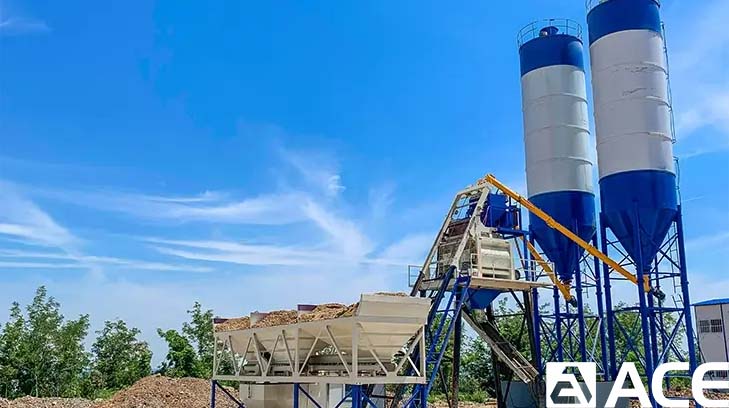
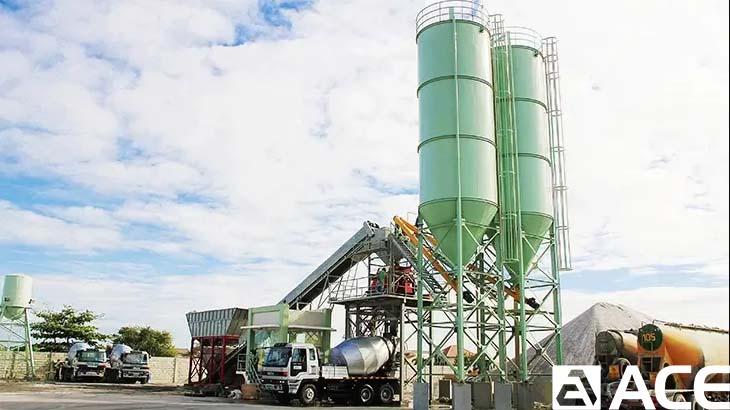
Sourcing concrete mixing plants and standalone mixers requires balancing output capacity with rigorous durability standards. Whether you are procuring stationary batching plants for large-scale infrastructure projects or mobile mixers for regional distribution, the margin for error is zero. Equipment failure halts construction, meaning your sourcing strategy must prioritize structural integrity, component reliability, and seamless integration of control systems over baseline FOB prices.
Core Specifications and Configurations
Defining exact technical requirements upfront prevents costly miscommunications with overseas manufacturers. Factories typically build to order, allowing for significant customization of the mixing system, aggregate batching, and pneumatic controls.
When specifying mixing equipment, focus on these primary drivers:
- Theoretical Output Capacity: Measured in cubic meters per hour (m3/h). Ensure the manufacturer's stated capacity aligns with realistic operational cycles, not just theoretical maximums.
- Discharge Height: Standard export models typically offer discharge heights between 3.8 meters and 4.1 meters to accommodate standard transit mixers.
- Control Systems: Specify the origin of PLC (Programmable Logic Controller) components. Reliable manufacturers will integrate internationally recognized brands (like Siemens, Schneider, or Omron) to ensure local replacement parts are available in your market.
| Mixer Type | Twin-Shaft Compulsory | Planetary / Pan |
|---|---|---|
| Primary Application | Commercial ready-mix, standard concrete | Precast concrete, high-performance blocks |
| Mixing Action | Horizontal dual-shaft rotation | Complex vertical axis rotation |
| Material Suitability | Large aggregate, dry-hard concrete | Fine aggregate, colored concrete |
| Maintenance Profile | Easier access to liners and blades | More complex gearbox maintenance |
Need help verifying supplier capabilities and technical specs for heavy machinery?
Get a free consultationManufacturing Quality and Factory Validation
The industrial machinery sector in China is vast, ranging from premium export-focused manufacturers to domestic-market workshops. Assessing a supplier's true capability requires looking past their catalog and examining their factory floor processes.
Conducting comprehensive Factory Audits is critical before placing an order. You must verify that the supplier has the heavy fabrication equipment necessary to maintain tight tolerances on large structural components.
Critical Quality Control Checkpoints
- Steel Quality and Thickness: Structural frames and mixer drums must utilize high-grade, wear-resistant steel (equivalent to Q345 or Q235 standards). Undersized plate thickness is a common cost-cutting measure that leads to premature structural fatigue.
- Welding Standards: Look for automated submerged arc welding on critical seams and require non-destructive testing (NDT) reports for major structural joints.
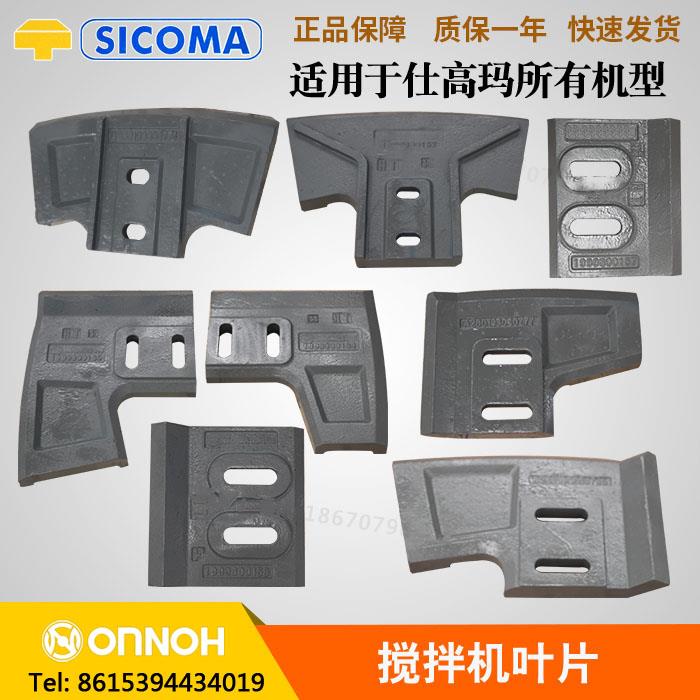
- Wear Parts: Mixing blades and internal liners should be cast from high-chromium alloy. Verify the hardness rating (HRC) of these components, as they dictate the maintenance intervals of the machine.
- Pneumatic and Hydraulic Systems: Ensure all cylinders, valves, and air compressors are sourced from reputable suppliers to prevent batching inaccuracies.
Implementing rigorous Quality Control & Inspection protocols prior to shipment is non-negotiable. Once a multi-ton mixing plant is loaded into containers, rectifying manufacturing defects becomes exponentially more expensive.
Pre-Shipment Inspection Focus Areas
- Dry-run testing of the complete PLC automation system
- Verification of motor and gearbox nameplates against the BOM
- Measurement of steel plate thickness on silos and mixer drums
- Inspection of anti-corrosion primer and final paint thickness
- Inventory check of all included spare parts and wear liners
Logistics, Lead Times, and Pricing Realities
Shipping mixing plants is a complex logistical undertaking. A standard 60m3/h batching plant can require three to four 40HQ containers, while larger configurations or oversized components (like fully assembled cement silos) may necessitate flat racks, open-top containers, or RORO (Roll-on/Roll-off) vessels.
Coordinating this requires precise packing plans from the factory to maximize container space and minimize freight costs. Engaging specialized Shipping & Freight services ensures that heavy machinery is properly secured, documented, and cleared through customs without demurrage delays.
Streamline your heavy machinery sourcing, quality control, and international logistics.
Talk to our teamBuyer FAQ
Sourcing mixing plants and concrete mixers is fundamentally an exercise in risk management. Success depends entirely on matching your technical requirements with a manufacturer capable of consistent heavy fabrication, followed by rigorous pre-shipment validation. By focusing on total cost of ownership—factoring in reliability, maintenance, and logistics—rather than just the lowest initial quote, you secure machinery that performs reliably in the field.
Get Sourcing Help for Mixing Plants/Mixers
Tell us your requirements and our experts will connect you with verified manufacturers.