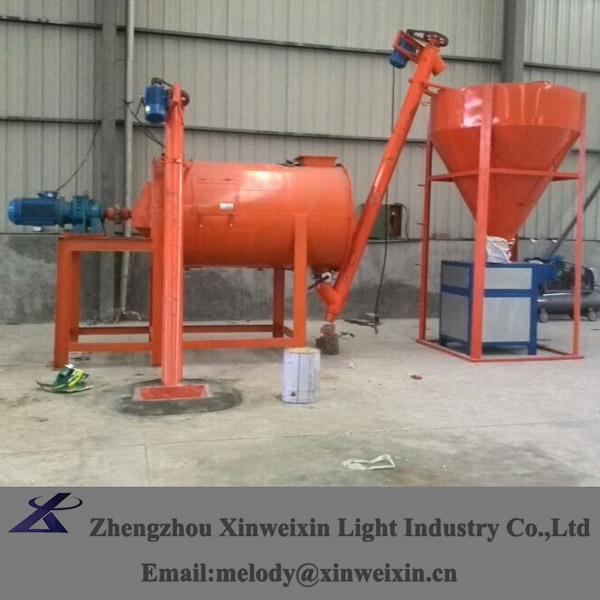
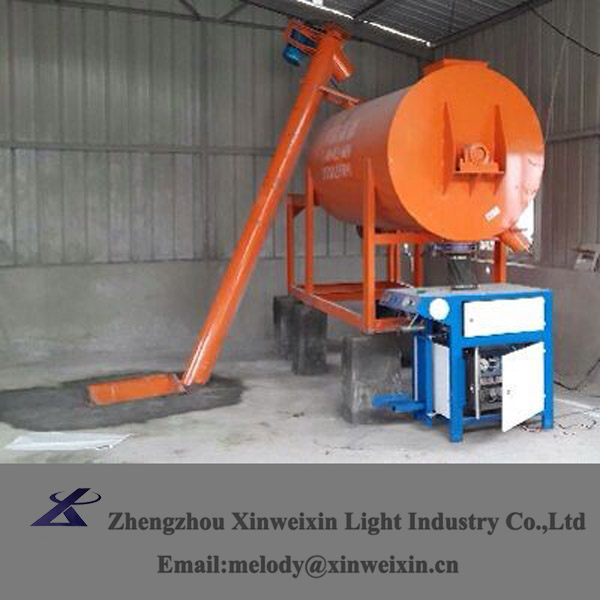
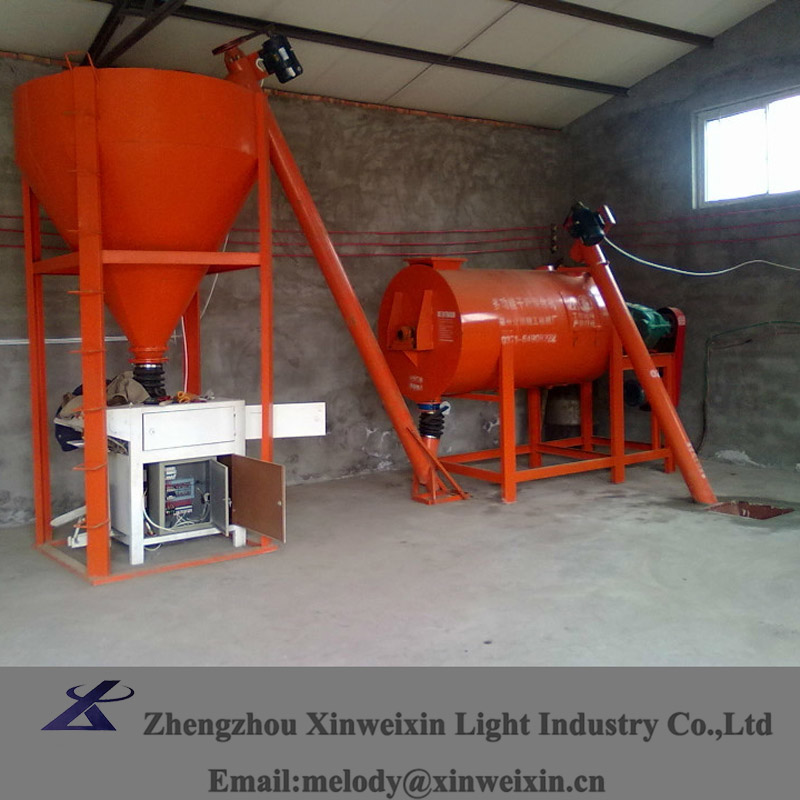
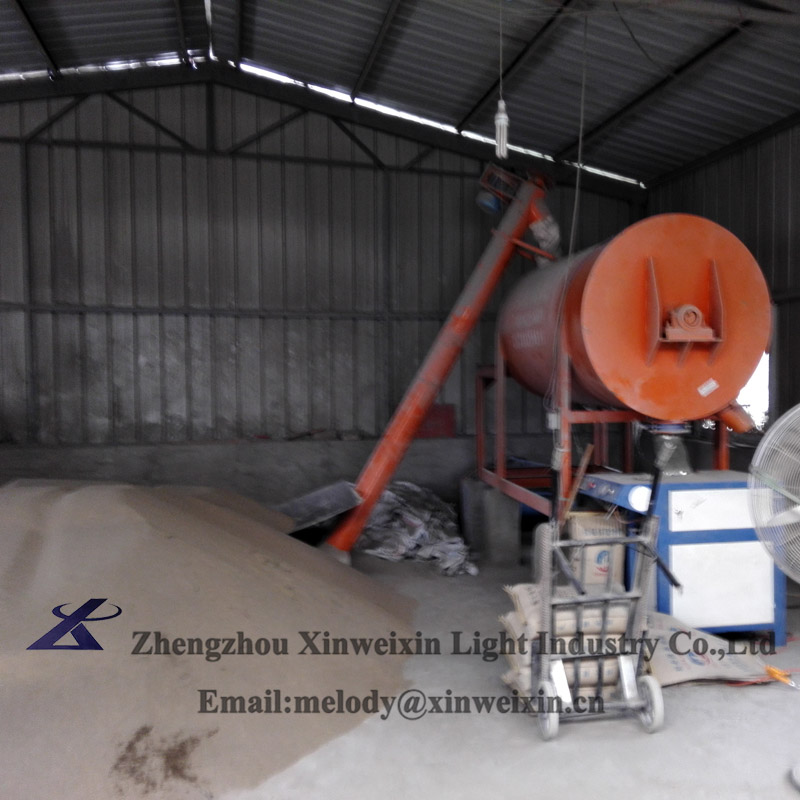
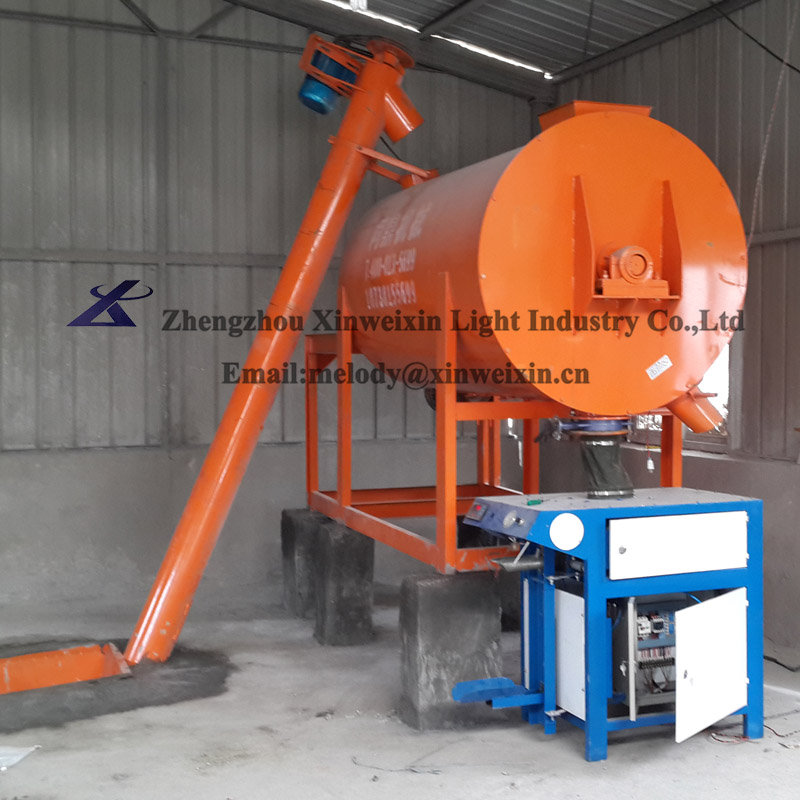
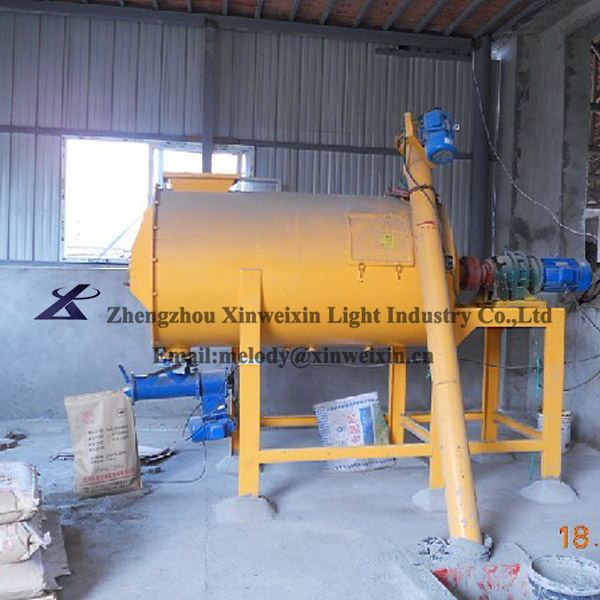
Mixing Equipment
Source industrial-grade Mixing Equipment from vetted manufacturers and suppliers in China and across Asia. Designed for procurement managers, chemical distributors, and processing facilities, our network provides reliable OEM and wholesale production. Secure competitive bulk pricing and stringent quality oversight for your next equipment order.
Industrial mixing equipment is the backbone of chemical, pharmaceutical, and food processing lines. Sourcing these units overseas requires moving beyond basic capacity specifications to scrutinize material provenance, weld integrity, and drive system reliability. When importing heavy processing machinery, a poorly specified seal or an underpowered gearbox can halt an entire production line, making rigorous factory vetting and technical clarity non-negotiable.
Defining Critical Specifications
When engaging manufacturers, providing a detailed technical dossier prevents costly misunderstandings. Standard "off-the-shelf" models often require modifications to meet specific viscosity, shear rate, and regulatory requirements.
Key parameters to define upfront include:
- Wetted Materials: Specify the exact steel grade (e.g., SUS304 for general chemicals, SUS316L for corrosive or sanitary applications). Demand material test reports (MTRs) to verify composition.
- Surface Finish: For sanitary applications, internal polishing must be specified by roughness average (e.g., Ra under 0.4 micrometers).
- Agitator Design: Match the impeller type (anchor, paddle, ribbon, high-shear dispersion) to the fluid's rheology and specific gravity.
- Drive Systems: Specify motor power (kW), gearbox reduction ratios, and whether variable frequency drives (VFDs) are required for RPM control.
| Specification | General Chemical | Sanitary / Pharma Grade |
|---|---|---|
| Wetted Material | SUS304 / Carbon Steel | SUS316L Stainless Steel |
| Internal Polish | Ra under 0.8 μm | Ra under 0.4 μm (Mirror) |
| Sealing Mechanism | Standard Packing / Single Seal | Double Mechanical Seal |
| Weld Treatment | Ground smooth | Flush, ground, and passivated |
Manufacturing Quality & Common Failure Points
The disparity between top-tier chemical machinery manufacturers and lower-end workshops often lies in the fabrication details rather than the spec sheet. Shaft alignment, for instance, is critical; a misaligned shaft will rapidly destroy mechanical seals and bearings, leading to leaks and downtime.
Conducting thorough Factory Audits before placing an order allows you to evaluate a supplier's machining capabilities, specifically their CNC boring and welding automation.
Critical Factory-Level Inspections
- Dynamic balancing of the agitator shaft to prevent vibration at operating speeds.
- Dye penetrant or X-ray testing on pressure-vessel welds.
- Verification of mechanical seal installation and pressure testing of the jacket (if applicable).
- Run-off testing (empty and water-load) to monitor motor temperature and gearbox noise.
Ensure your next mixing equipment order meets strict industry tolerances with our on-the-ground engineering support.
Talk to our teamCustomization and OEM Production
Most bulk buyers require some degree of customization, whether it is integrating specific control panels (PLC/HMI), adding heating/cooling jackets, or scaling a prototype design to a full production vessel. Utilizing professional OEM/ODM Services ensures that your proprietary designs are protected and manufactured exactly to your blueprints.
If your equipment will operate in hazardous environments, you must explicitly specify explosion-proof requirements. Reputable manufacturers can supply motors and electrical cabinets compliant with ATEX or IECEx standards, often integrating internationally recognized brands like Siemens, ABB, or WEG upon request.
Pricing, MOQ, and Production Realities
Procuring industrial mixing equipment is a capital-intensive process where lead times and component choices heavily influence the final cost.
Payment terms typically involve a 30% to 50% deposit, with the balance due after successful Factory Acceptance Testing (FAT). To mitigate risk, implementing rigorous Quality Control & Inspection prior to container loading ensures that the equipment performs to spec before it leaves the factory floor.
Review supplier capabilities and negotiate favorable terms with our expert sourcing team.
Get a free consultationFrequently Asked Questions
Successfully importing industrial mixing equipment requires balancing upfront capital costs with long-term operational reliability. By strictly defining material grades, mandating specific component brands, and enforcing rigorous pre-shipment testing, you can secure high-performance machinery that delivers excellent ROI.
Get Sourcing Help for Mixing Equipment
Tell us your requirements and our experts will connect you with verified manufacturers.