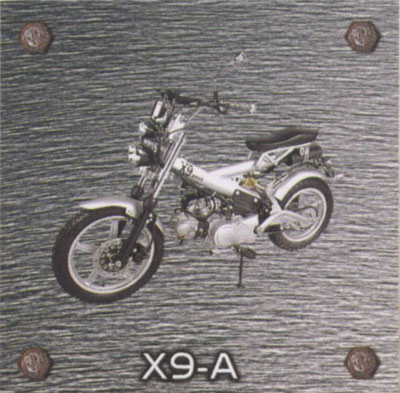
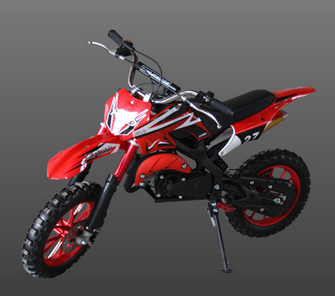
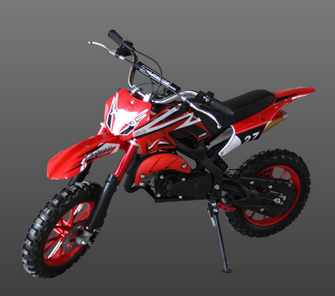
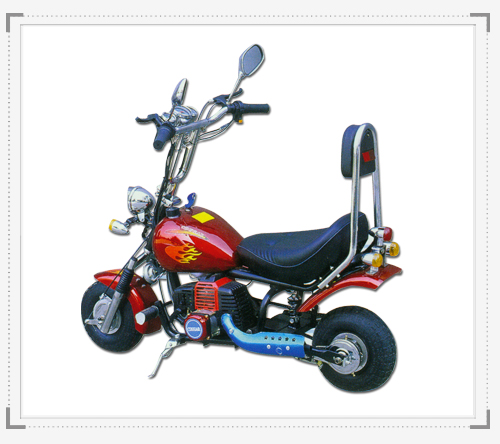
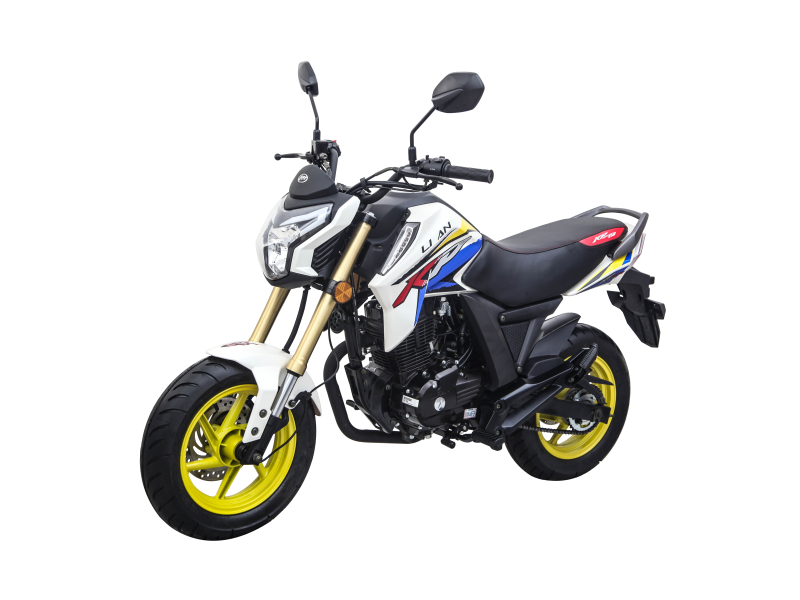
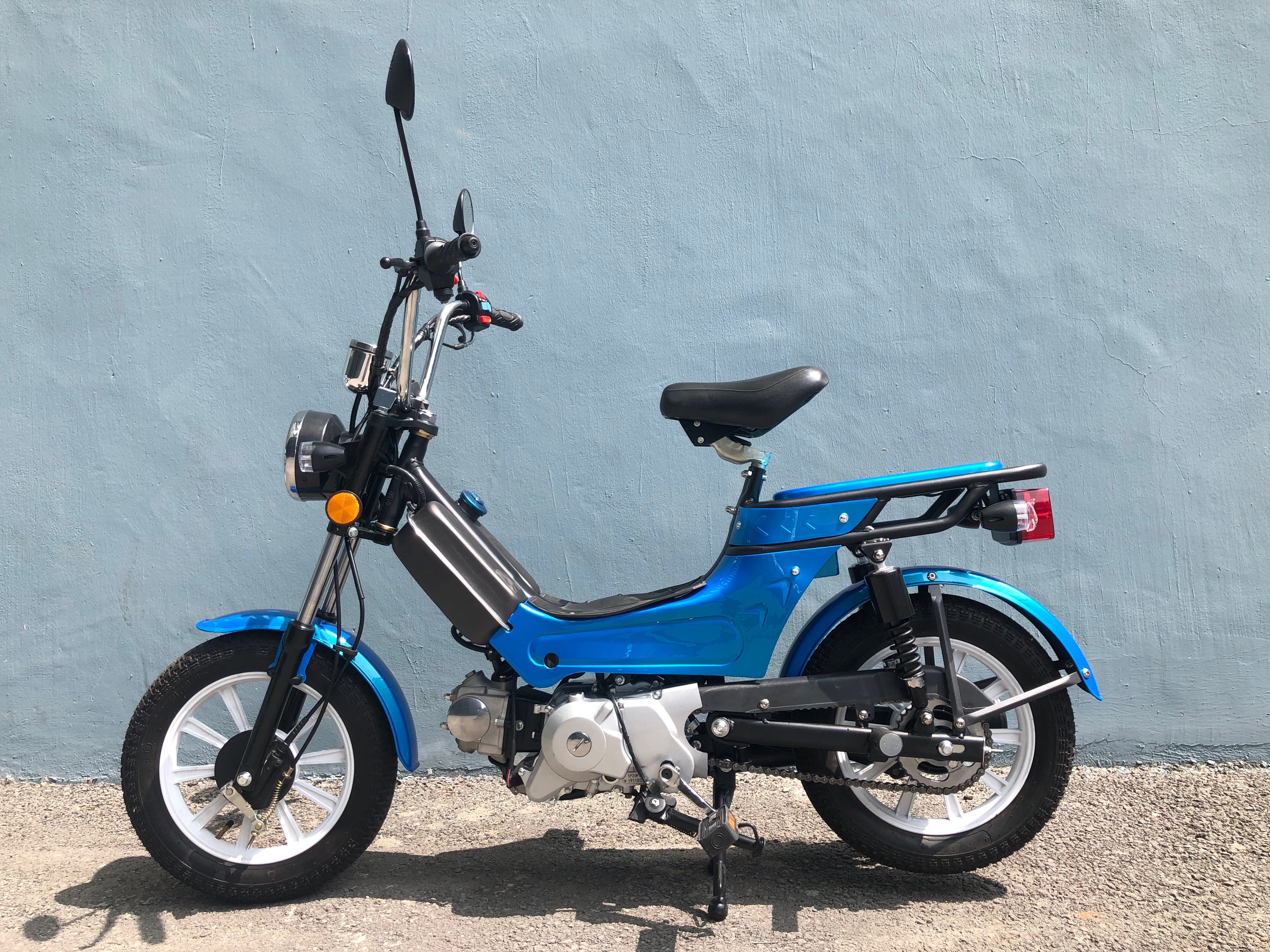
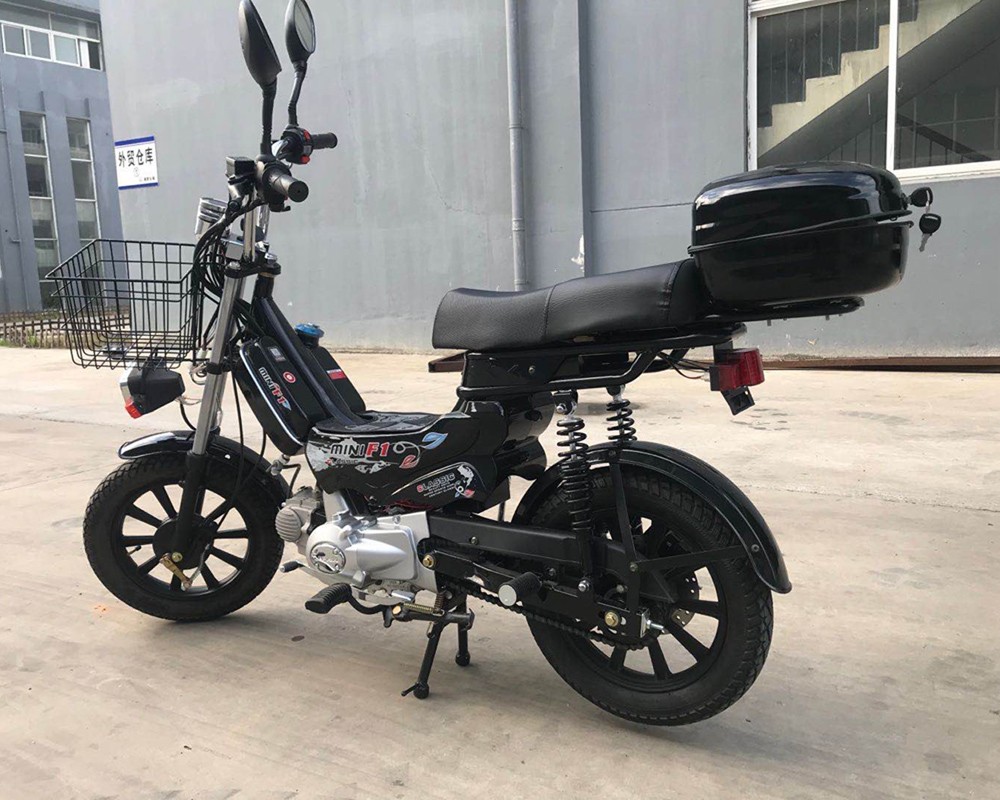
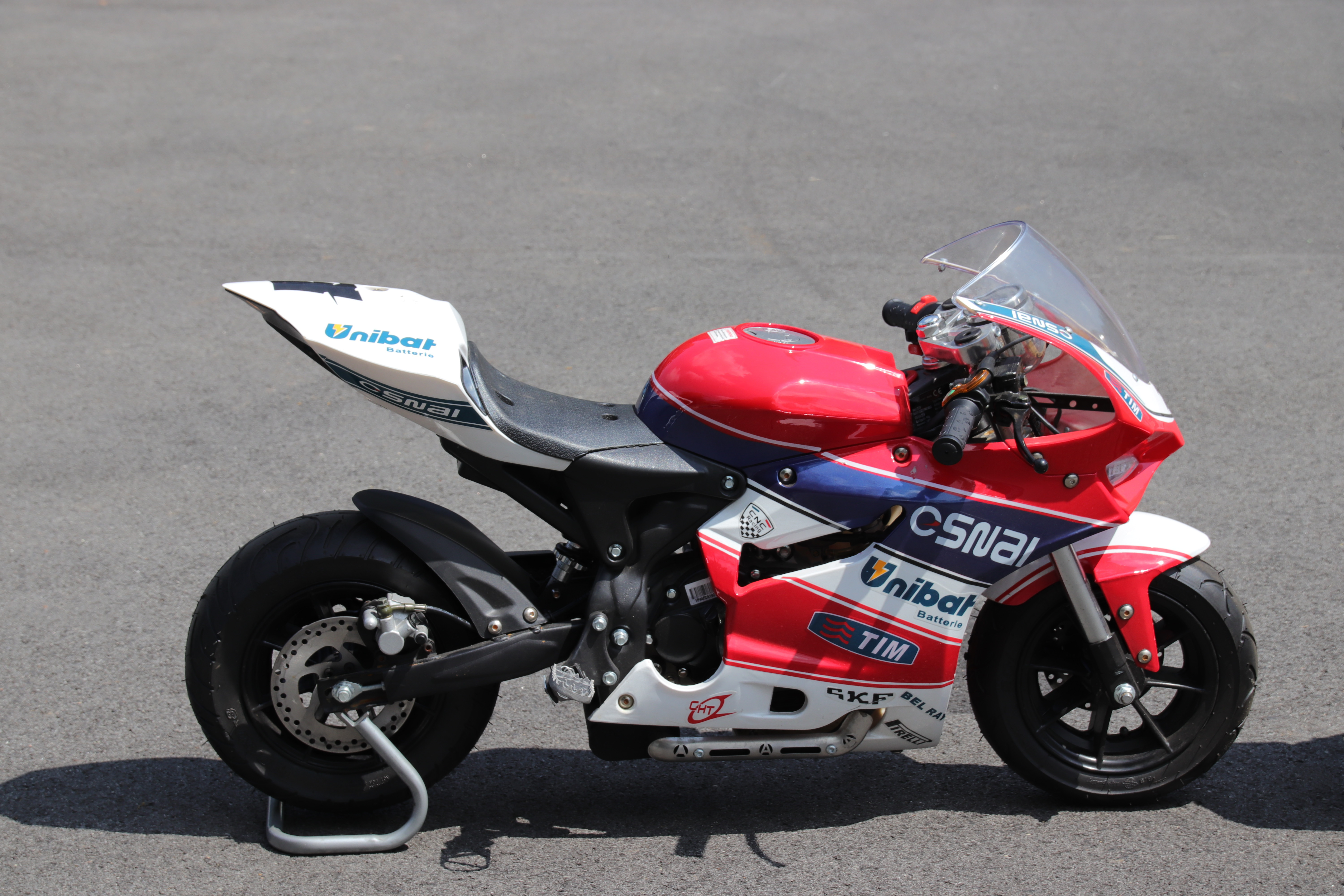
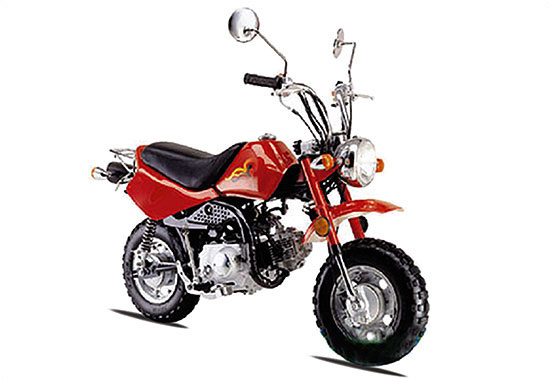
Minibikes & Pocket Bikes
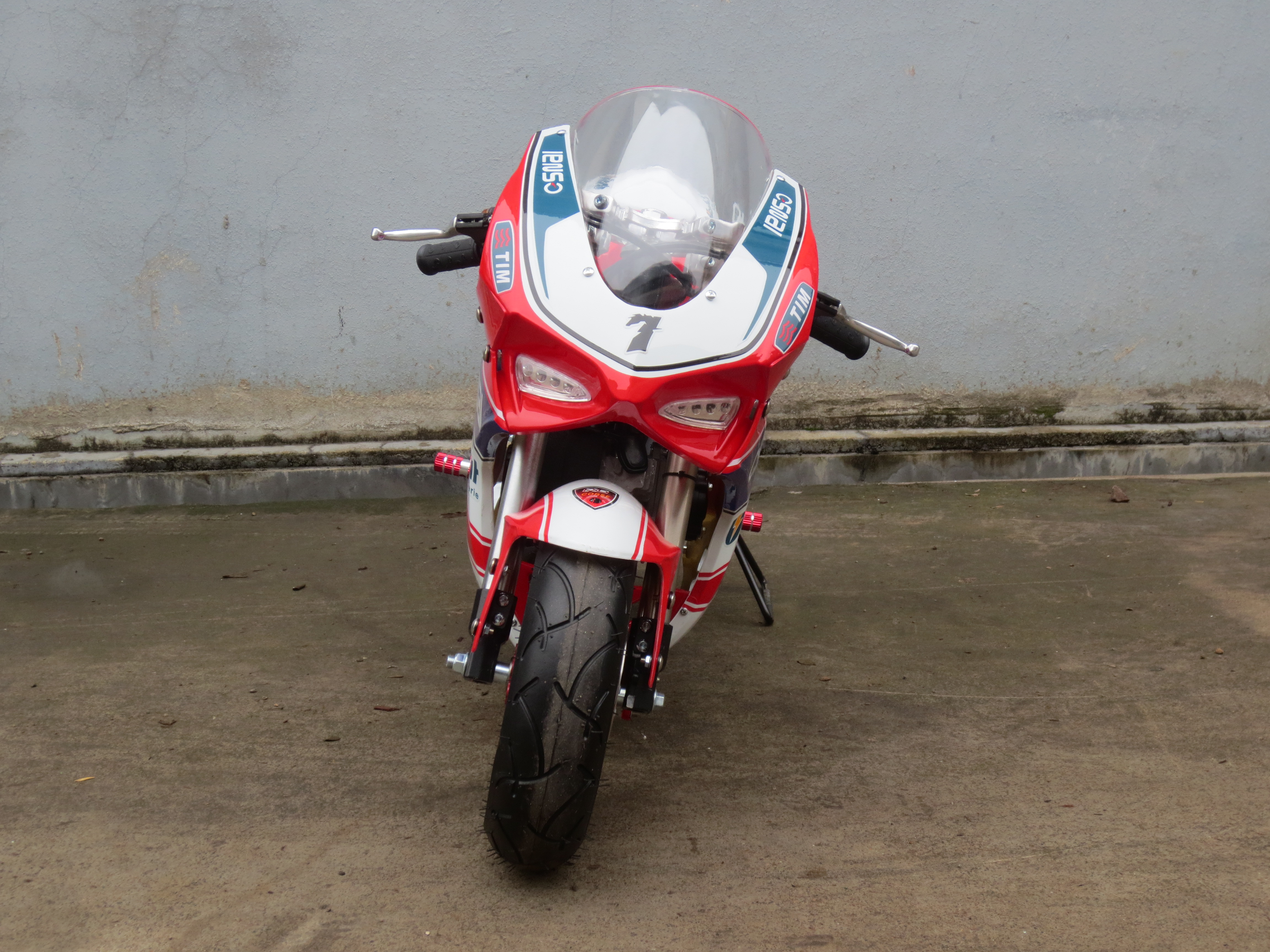
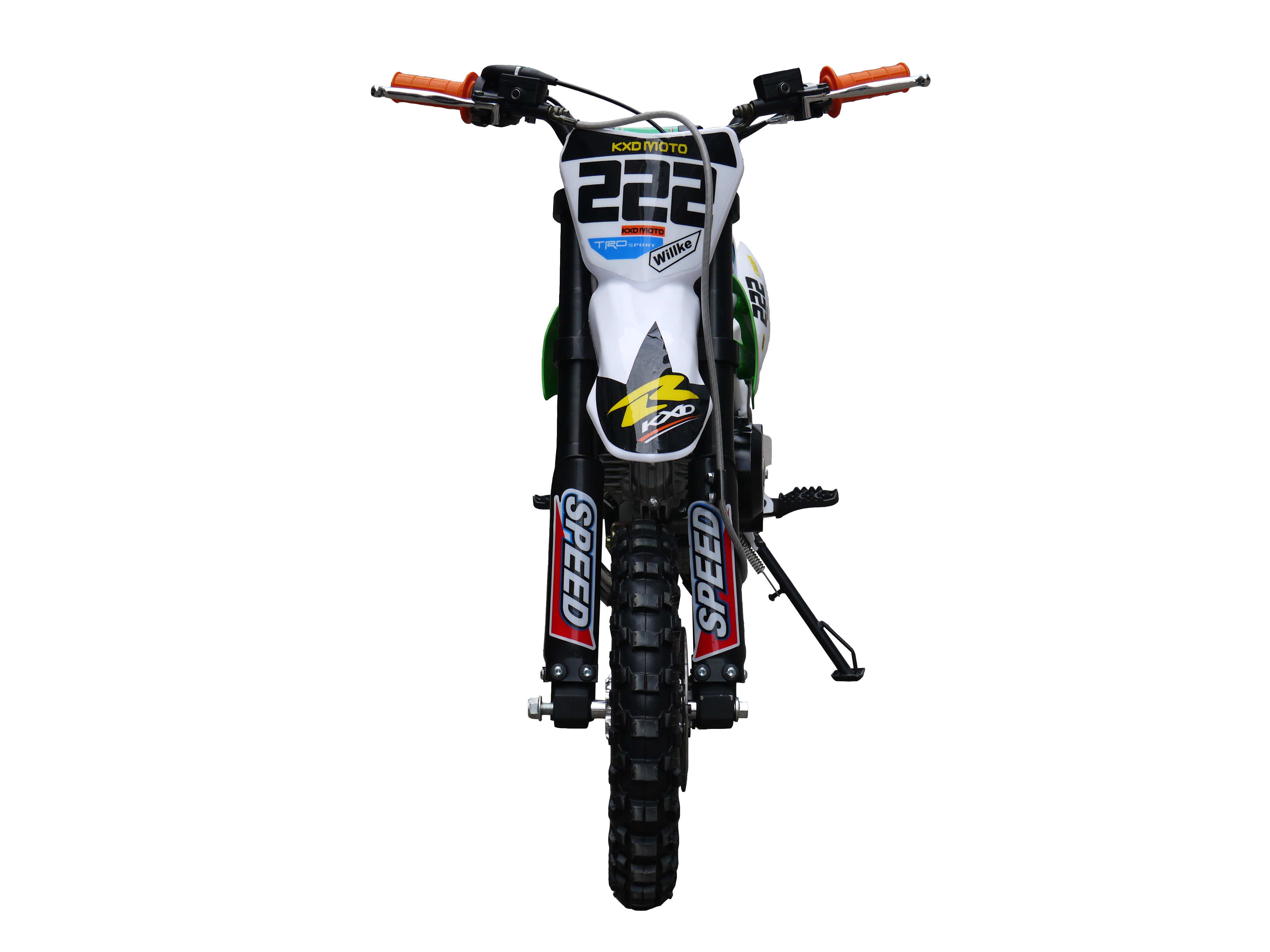
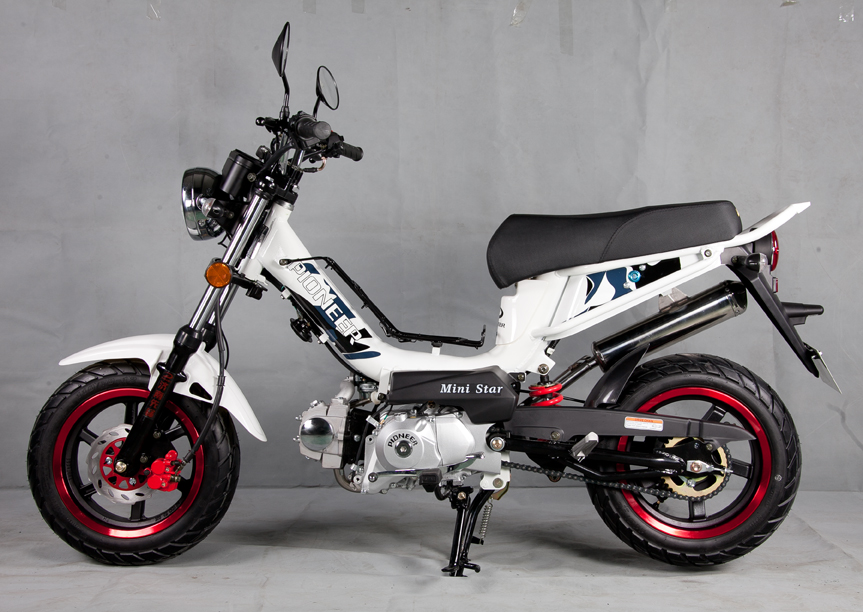
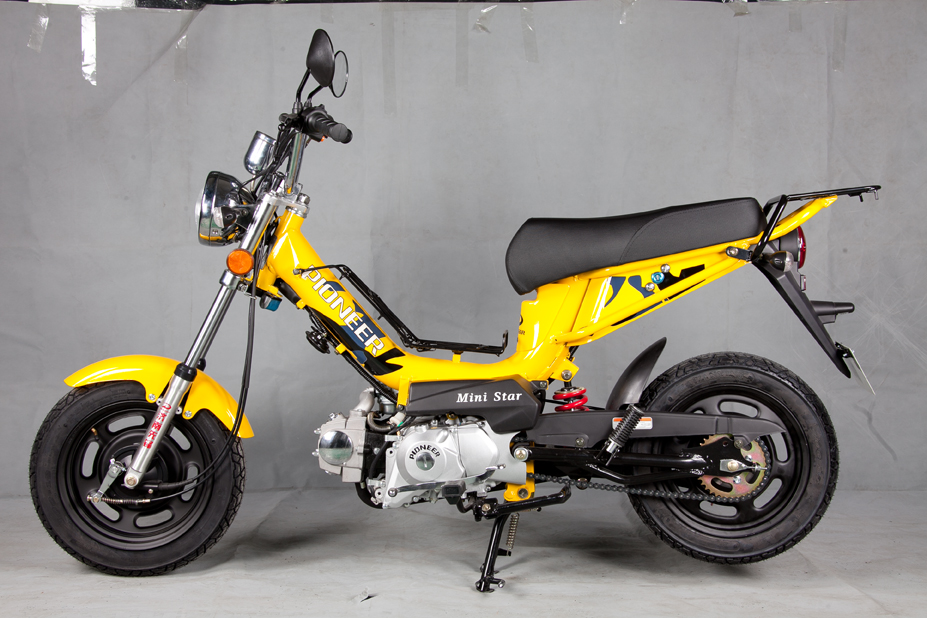
Source premium Minibikes and Pocket Bikes from vetted manufacturers and suppliers across Asia. Built for importers, wholesale distributors, and brands seeking reliable OEM or private-label production, our network delivers high-performance recreational vehicles engineered to your exact specifications and market compliance standards.
Sourcing minibikes and pocket bikes at scale requires navigating a fragmented manufacturing base primarily located in Zhejiang and Guangdong provinces. The challenge is not just finding a factory that can assemble a tubular frame and mount a motor; it is securing a partner capable of consistent weld quality, reliable engine sourcing, and strict adherence to destination-market emissions and safety regulations.
For high-volume buyers, success depends on locking down technical specifications early and maintaining rigorous oversight over the entire assembly process.
Specifying Powertrains and Frame Construction
The core of any minibike or pocket bike order is the powertrain and frame geometry. Suppliers typically source engines from specialized motor manufacturers rather than building them in-house. Your bill of materials (BOM) must explicitly state the exact engine manufacturer, displacement, and carburetor specifications to prevent unauthorized substitutions during production.
| Powertrain Type | Typical Application | Key Sourcing Consideration |
|---|---|---|
| 49cc 2-Stroke | Entry-level pocket bikes | Requires strict EPA/CE verification due to high emissions profiles |
| 110cc - 125cc 4-Stroke | Off-road minibikes & pit bikes | Heavier frame requirements; check engine mount weld penetration |
| 500W - 1000W+ Electric | Urban and youth recreational | Battery cell origin (tier 1 vs generic) and BMS reliability |
Frame construction is equally critical. Most factory-standard frames utilize tubular steel, but the wall thickness and weld quality vary drastically between suppliers. Specify a minimum steel wall thickness (typically 1.5mm to 2.0mm for off-road applications) and demand robotic welding or certified manual TIG welding for critical stress points like the steering head and swingarm pivots.
Need an experienced team on the ground to verify factory capabilities and secure your supply chain?
Talk to our teamManufacturing Vulnerabilities and Quality Control
Minibike assembly lines are highly manual. Even with a perfect prototype, quality fade can occur if the factory rushes assembly to meet peak-season deadlines. Implementing robust quality control protocols is non-negotiable.
During in-line and pre-shipment inspections, inspectors should focus on mechanical safety and assembly tolerances. Loose fasteners, pinched brake lines, and poorly aligned sprockets are common defects that can lead to catastrophic failure in the field.
Critical Inspection Points for Minibikes
- Frame weld integrity (checking for proper penetration and excessive spatter)
- Brake line routing, caliper tension, and fluid bleed (for hydraulic systems)
- Engine mounting bolt torque specifications and thread-locker application
- Chain alignment and proper tensioning
- Electrical harness routing and connector waterproofing (especially on EV models)
Before placing a volume order, it is highly recommended to conduct comprehensive factory audits to ensure the supplier has the necessary testing equipment on-site, such as chassis dynamometers and frame fatigue testing rigs.
Navigating Compliance and Certifications
Importing motorized vehicles involves strict regulatory hurdles. In the US, gas-powered minibikes must comply with Environmental Protection Agency (EPA) and California Air Resources Board (CARB) emission standards. In Europe, they fall under the Machinery Directive and require CE marking, alongside strict noise emission limits.
Certification Verification
Never accept a supplier's EPA or CE certificate at face value. It is common practice for lower-tier factories to use expired certificates or documents belonging to a different engine model. Always verify the certificate number directly with the issuing regulatory body.
If you are developing a custom model, you must factor the time and cost of compliance testing into your product launch timeline. Testing can add several weeks and significant capital expenditure before mass production can legally begin.
Production Realities: MOQ, Pricing, and Lead Times
Pricing for minibikes is heavily dictated by raw material costs (steel, aluminum) and the tier of components specified (e.g., brand-name carburetors vs. generic). Most suppliers operate on relatively standard terms for wholesale orders, but custom tooling for unique fairings or frame geometries will require higher volume commitments.
For brands looking to differentiate, utilizing OEM/ODM services allows you to customize fairing molds, apply proprietary graphics, and upgrade suspension components. Upgrading to CNC-machined triple clamps or adjustable rear shocks can significantly increase your retail margins, provided the factory has the engineering capability to integrate them seamlessly.
Ready to negotiate pricing and production terms for your next vehicle container?
Get a free consultationFrequently Asked Questions
Successfully importing minibikes and pocket bikes requires more than just finding a low price on a B2B directory. It demands a rigorous approach to supplier selection, precise specification management, and active quality oversight on the factory floor. By controlling the technical details and verifying compliance early, you protect your margins and your brand's reputation.
Get Sourcing Help for Minibikes & Pocket Bikes
Tell us your requirements and our experts will connect you with verified manufacturers.