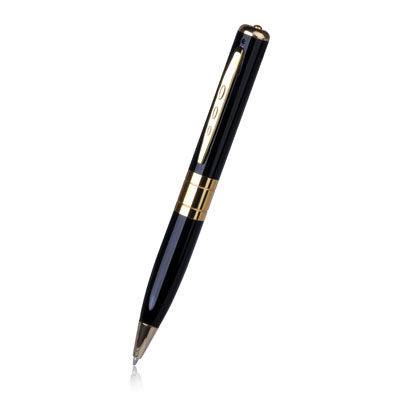
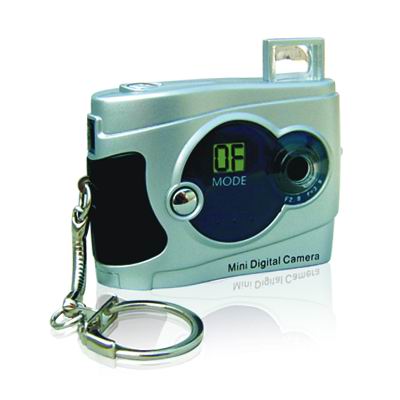
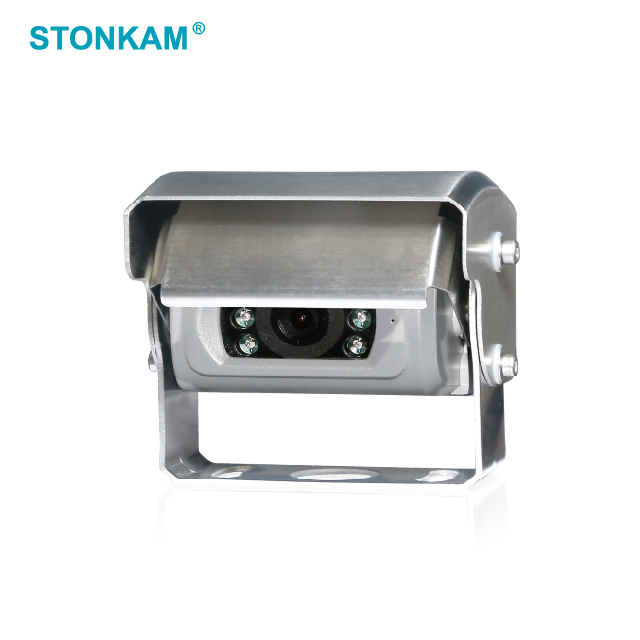
Mini Cameras
Source high-performance Mini Cameras from vetted manufacturers and suppliers in Asia. Designed for importers, wholesalers, and brands seeking reliable OEM and private-label production, our bulk sourcing solutions ensure competitive pricing, strict quality control, and full compliance with international standards.
Sourcing mini cameras at scale requires navigating a complex trade-off between form factor, thermal management, and image quality. When a device is compressed into a housing barely larger than a coin, component selection and assembly precision become highly critical. For volume buyers, securing a reliable supply chain means looking past superficial specifications to understand the underlying hardware architecture and the factory's assembly capabilities.
Critical Component Selection
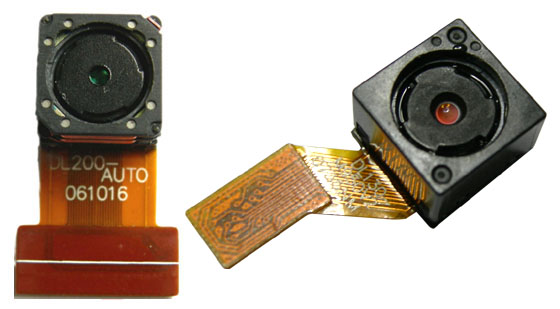
The performance of a mini camera is dictated by its internal stack. Because physical space is severely restricted, buyers must specify components that balance power draw with output quality.
- Image Sensors: The sensor dictates low-light performance and dynamic range. While Sony IMX series sensors offer premium low-light capabilities and color accuracy, OmniVision or GalaxyCore sensors are often specified for mid-tier or entry-level units where cost is a primary driver.
- Processing Chipsets (SoC): The System-on-Chip handles image signal processing (ISP), video compression (H.264/H.265), and Wi-Fi connectivity. Heat generation is directly tied to the SoC's efficiency. Specifying an older, less efficient chipset will inevitably lead to thermal throttling in a miniature housing.
- Lenses and FOV: Wide field-of-view (FOV) lenses are standard, but distortion correction must be handled either optically (adding depth to the lens assembly) or digitally (demanding more from the SoC).
- Power Density: Miniature lithium-polymer batteries must deliver stable voltage under load. High-density cells are mandatory, but they leave zero margin for error regarding thermal expansion.
| Sensor Tier | Typical Applications | Cost Impact | Thermal Profile |
|---|---|---|---|
| Entry (e.g., GC series) | Basic monitoring, toys | Low | Moderate |
| Mid-Range (e.g., OV series) | Consumer security, dash cams | Medium | Moderate to High |
| Premium (e.g., Sony IMX) | Body cams, prosumer gear | High | High (Requires optimization) |
Manufacturing Vulnerabilities and Quality Control
The primary failure point for mini cameras is thermal mismanagement. In standard cameras, the housing acts as a heatsink; in mini cameras, the PCB, sensor, and battery are packed so tightly that heat cannot easily escape. This leads to sensor degradation, focus shift (as plastic lens barrels warp), and battery failure.
When executing Quality Control & Inspection protocols, inspectors must focus on specific vulnerabilities inherent to miniaturized electronics.
Pre-Shipment Inspection Focus Areas
- Thermal stress testing: Continuous operation at maximum resolution to verify heat dissipation.
- Lens focus stability: Checking for focus shift after the unit reaches operating temperature.
- Battery swelling checks: Verifying cell integrity after rapid charge/discharge cycles.
- Wi-Fi antenna placement: Ensuring internal shielding does not degrade signal strength.
- Microphone isolation: Confirming the mic is insulated from internal electronic noise.
Struggling with high defect rates on miniature electronics? Let our engineers audit your supplier's assembly process.
Talk to our teamCustomization and OEM/ODM Integration
For brands looking to differentiate, off-the-shelf hardware is rarely sufficient. Engaging in OEM/ODM Services allows you to customize both the physical hardware and the software ecosystem.
A critical consideration for Wi-Fi-enabled mini cameras is the companion app. Many white-label factories rely on generic, third-party IoT platforms (like Tuya or generic alternatives). If your brand requires a proprietary app, you must ensure the factory can provide the necessary SDKs/APIs or is capable of flashing custom firmware during assembly. Furthermore, custom tooling for modified housings (to accommodate specific mounting brackets or larger batteries) will require upfront investment in injection molds.
Sourcing Economics: MOQs, Pricing, and Lead Times
Pricing in this category is highly volatile, driven by global sensor and chipset availability. Factories in Shenzhen and Dongguan dominate the production landscape, offering varying tiers of quality.
When negotiating with a factory, remember that aggressive price reduction usually results in component substitution (e.g., swapping a glass lens for plastic, or downgrading the battery capacity). A robust Product Sourcing strategy focuses on total landed cost and defect rates, rather than just the lowest unit price.
Need accurate pricing and lead times for your next production run? We can negotiate directly with vetted manufacturers on your behalf.
Get a free consultationCompliance and Battery Certifications
Because mini cameras are electronic devices that often transmit data wirelessly and contain lithium batteries, they are subject to strict regulatory oversight.
- RF Emissions: Devices must pass FCC Part 15 (US) or CE RED (Europe) to ensure they do not cause harmful interference.
- Battery Safety: Any device containing a lithium battery requires UN38.3 certification for air and sea freight, alongside MSDS documentation.
- Material Safety: RoHS compliance is mandatory for the EU and increasingly expected globally.
Working with a partner who understands Compliance & Testing ensures your shipment won't be seized at customs due to missing or fraudulent factory documentation.
Successfully importing mini cameras requires meticulous attention to component specifications and factory assembly standards. By controlling the bill of materials and implementing rigorous thermal testing, volume buyers can secure reliable products that protect their brand reputation.
Get Sourcing Help for Mini Cameras
Tell us your requirements and our experts will connect you with verified manufacturers.