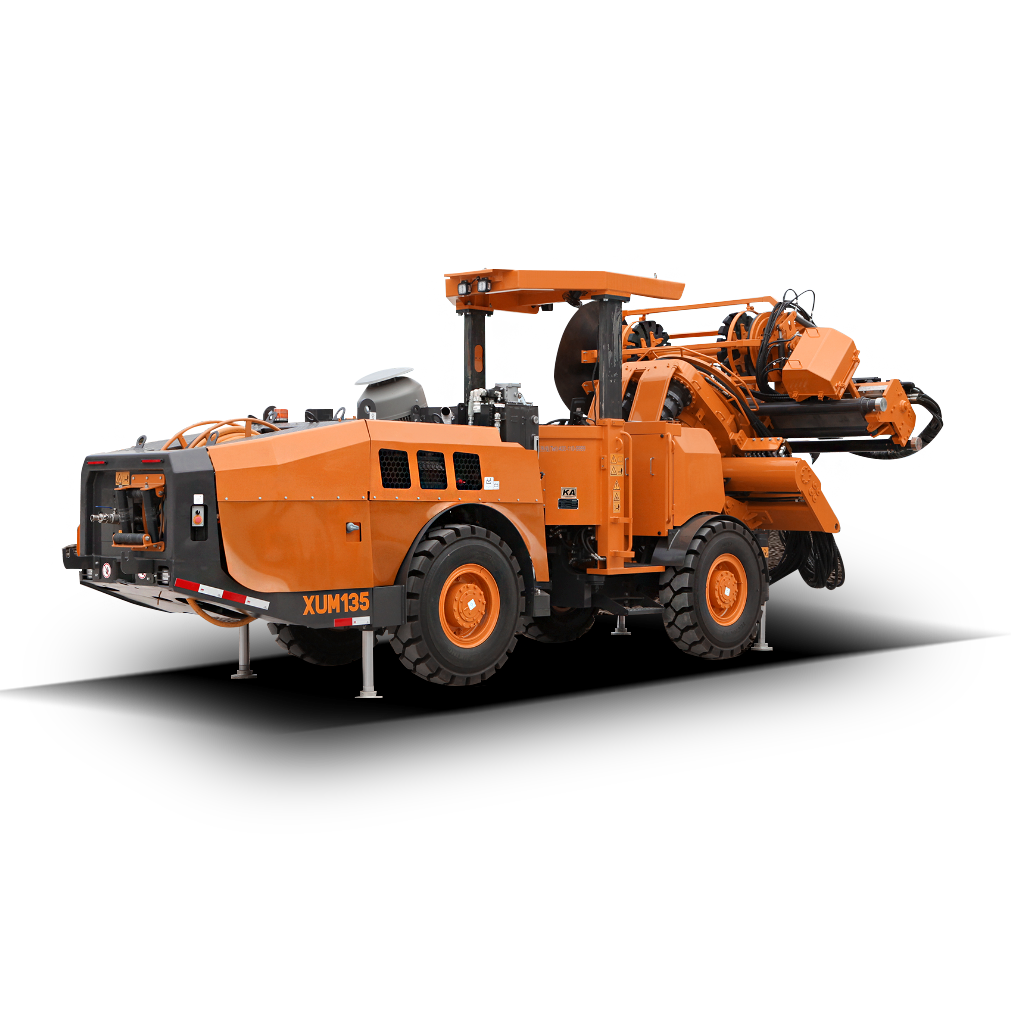
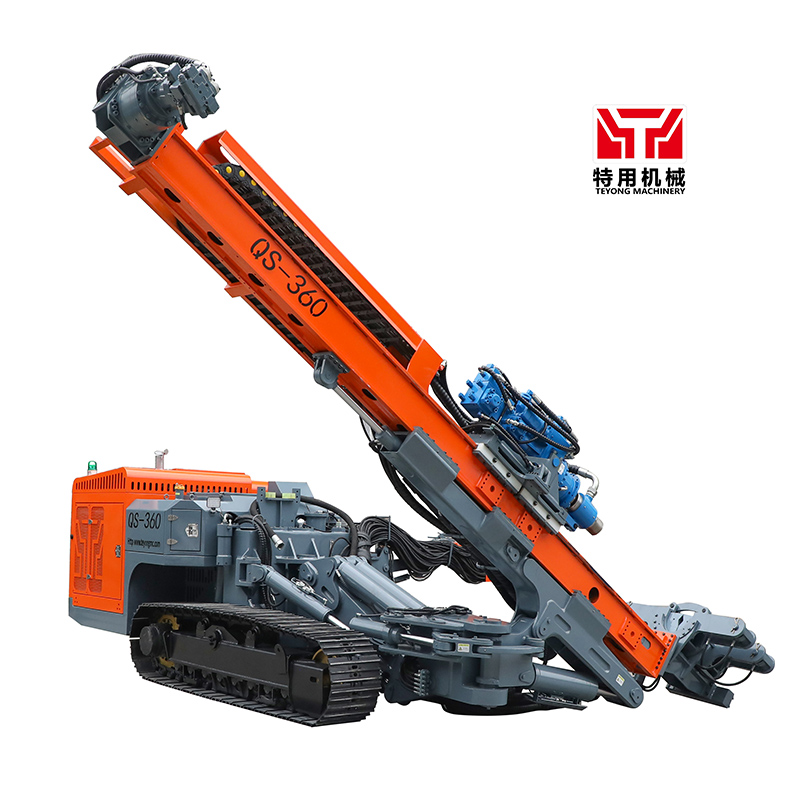
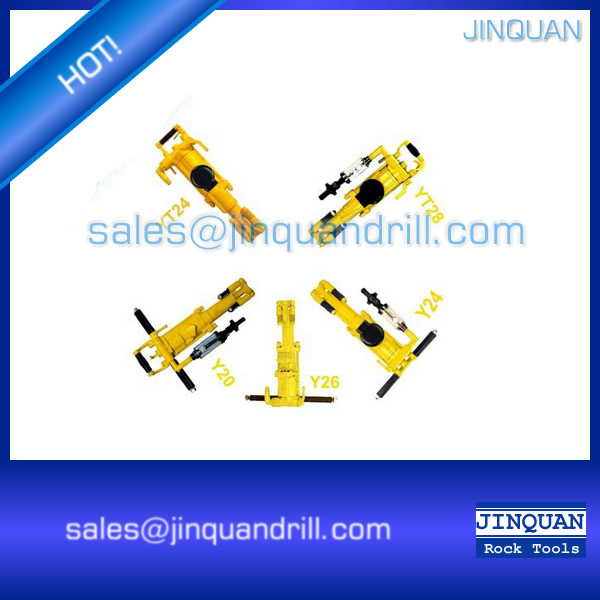
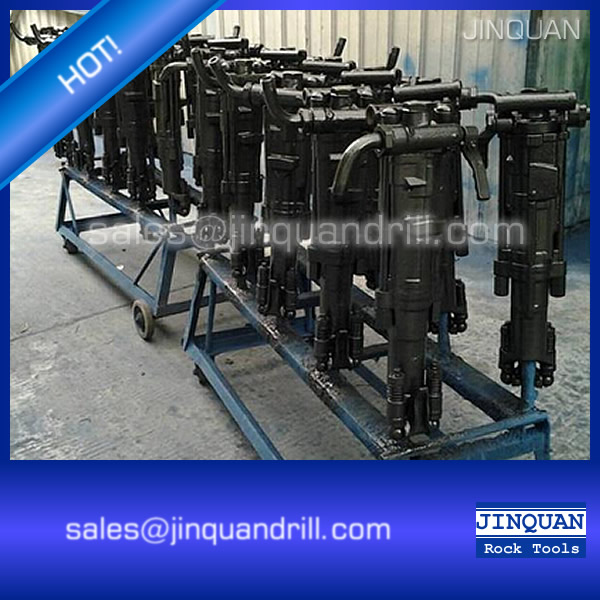
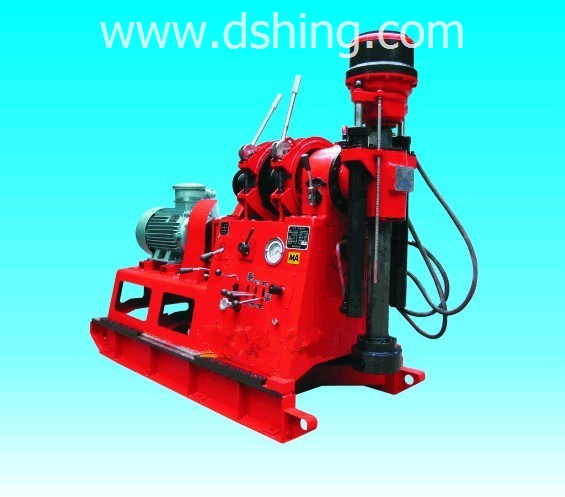
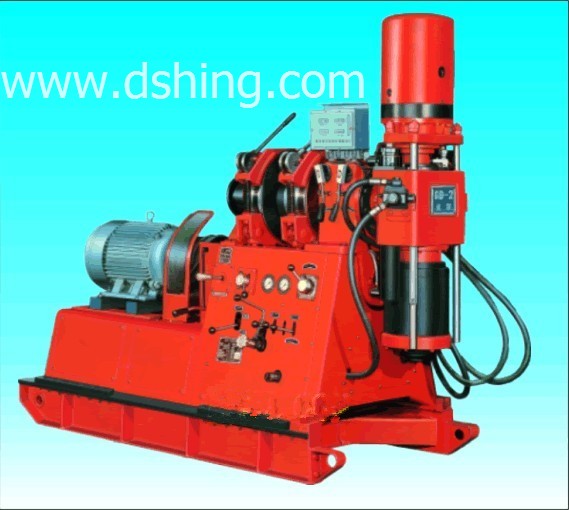
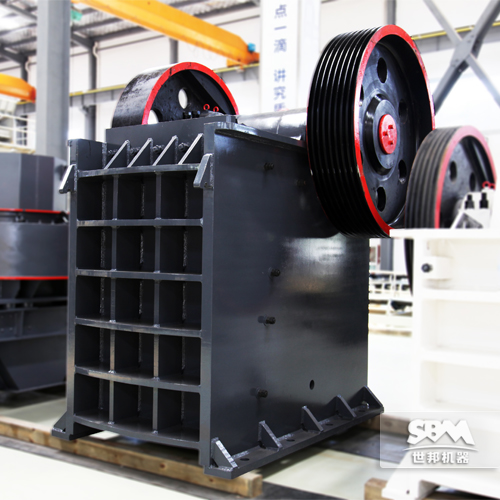
Mine Drilling Rigs
Source high-performance mine drilling rigs directly from vetted Chinese manufacturers and suppliers. Designed for mining importers, industrial equipment distributors, and OEM brands buying in bulk, this catalog offers competitive wholesale pricing on reliable surface and underground drilling equipment.
Sourcing heavy mining machinery requires balancing extreme operational reliability with capital efficiency. When importing mine drilling rigs in volume or under an OEM agreement, the primary challenge is ensuring the manufacturer isn't just assembling lower-tier domestic components that will fail under continuous rock-drilling loads. Success in this category demands strict control over the bill of materials, rigorous hydraulic testing, and a clear understanding of the factory's fabrication capabilities.
Critical Specifications for Bulk Procurement
A drilling rig's performance is dictated by its power unit, hydraulic system, and air compressor capacity. When negotiating with manufacturers, vague specifications lead to assumed compromises. You must define the exact parameters for your target market's geological conditions.
Key parameters to define in your purchase order:
- Engine Power & Emissions: Specify the exact kilowatt (kW) rating and required emission standards (e.g., Tier 3, Tier 4 Final, or Stage V) for your destination market.
- Hydraulic System Pressure: Operating pressure (MPa) dictates tramming speed, rotation torque, and feed force.
- Drilling Depth & Hole Diameter: Ensure the rotary head torque and mast length align with your required hole diameter (mm) and maximum depth (m).
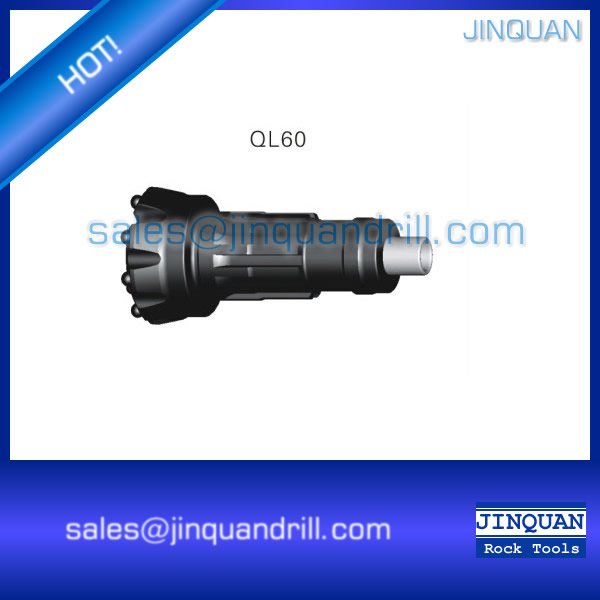
- Compressor Output: Free Air Delivery (FAD) and pressure (bar) must match the requirements of the DTH (Down-The-Hole) hammer or top hammer being used.
Need help verifying supplier specifications and component authenticity? Merhein's engineering team can review factory technical sheets to ensure they meet your operational requirements.
Talk to our teamComponent Sourcing & Manufacturing Quality
The difference between a rig that lasts 10,000 hours and one that suffers catastrophic failure at 2,000 hours usually comes down to component selection and structural welding. China has a vast ecosystem of heavy machinery assemblers, but their default component choices may not suit high-intensity mining.
| System | Standard Export Configuration | Premium / OEM Configuration |
|---|---|---|
| Engine | Domestic (e.g., Yuchai, Weichai) | Imported (e.g., Cummins, Perkins) |
| Hydraulic Pumps/Valves | Top-tier Chinese brands | Rexroth, Danfoss, or Kawasaki |
| Mast & Boom Steel | Q345 (Standard High Strength) | Hardox or equivalent wear-resistant steel |
| Air Compressor | Integrated domestic unit | Atlas Copco / Epiroc air ends |
If you are developing a proprietary line of equipment, utilizing OEM/ODM Services allows you to specify these premium components while still leveraging the cost advantages of Asian fabrication and assembly. However, you must verify that the factory has legitimate supply chain access to these international brands. Conducting thorough Factory Audits before placing a deposit is essential to confirm their assembly capacity and component sourcing legitimacy.
Factory-Level Quality Control
Heavy machinery cannot be easily returned if it fails in the field. Quality control must happen on the factory floor, well before the equipment is prepped for export.
Essential Pre-Shipment Inspection Points for Drilling Rigs
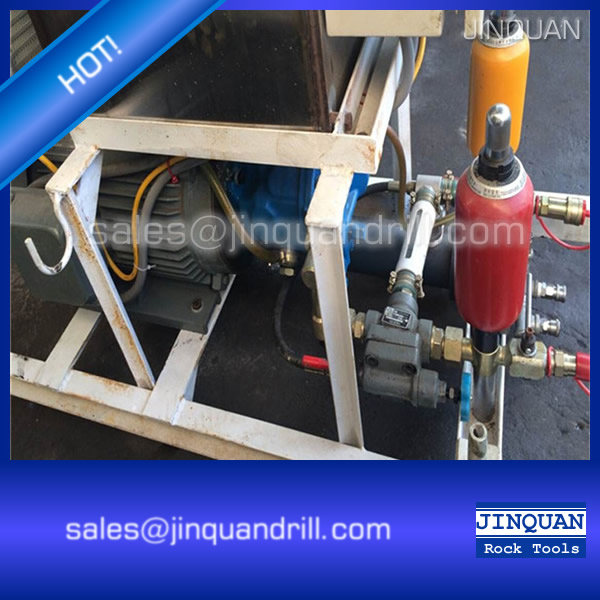
- Hydraulic Load Testing: Sustained pressure tests to check for valve leaks and hose integrity under maximum load.
- Tramming & Articulation: Track tension, motor synchronization, and chassis articulation tests on an incline.
- NDT on Critical Welds: Non-destructive testing (ultrasonic or magnetic particle) on the mast, boom base, and chassis joints.
- Rotary Head Run-Out: Measuring spindle alignment and vibration during high-RPM operation.
- Emissions & Safety Compliance: Verification of engine nameplates, ROPS/FOPS cabin certification, and emergency stop functionality.
Implementing independent Quality Control & Inspection protocols ensures these tests are actually performed and documented, rather than just checked off on a factory's internal sheet.
Pricing, MOQs, and Lead Times
Because mine drilling rigs are high-value, capital-intensive goods, the buying mechanics differ significantly from standard industrial consumables.
Cost Drivers
Pricing is highly variable based on the level of automation (e.g., rod handling systems, anti-jamming software) and the origin of the primary powertrain. Upgrading from a domestic engine and hydraulic system to global tier-one components can increase the unit cost by 30 to 50 percent, but drastically reduces total cost of ownership (TCO) for the end user.
Heavy machinery logistics require specialized handling. Let us coordinate the factory production schedule with complex flat-rack or RoRo vessel bookings.
Get a free consultationShipping these units is a logistical hurdle. Depending on the rig's dimensions, it may require RoRo (Roll-on/Roll-off), flat rack containers, or break bulk shipping. Coordinating the factory output with specialized Shipping & Freight services is critical to avoid massive port storage fees if vessels are delayed.
Frequently Asked Questions
Sourcing mine drilling rigs successfully requires moving past the glossy brochures and digging into the engineering schematics and bill of materials. By strictly defining your component requirements and enforcing rigorous on-site testing, you can secure heavy machinery that performs reliably in the most demanding mining environments.
Get Sourcing Help for Mine Drilling Rigs
Tell us your requirements and our experts will connect you with verified manufacturers.