Milking Machines
Source commercial-grade milking machines directly from vetted manufacturers and suppliers. Designed for agricultural equipment importers, wholesale distributors, and brands requiring reliable OEM production, our network delivers scalable, high-performance dairy extraction systems for bulk procurement.
Procuring milking machines at scale requires balancing extraction efficiency with strict animal welfare and hygiene standards. For agricultural equipment distributors and OEM brands, the sourcing challenge lies in verifying that a manufacturer can consistently deliver stable vacuum systems and genuine food-grade materials across production runs. A poorly calibrated pulsator or substandard stainless steel can lead to livestock injury, milk contamination, and massive product recalls.
Core Specifications and Component Sourcing
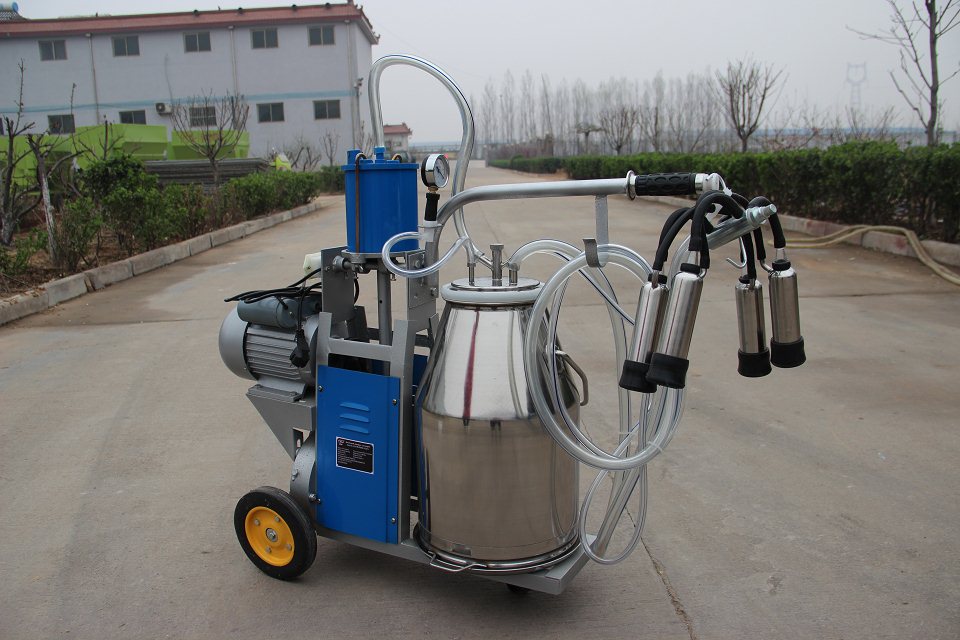
The reliability of a milking machine depends entirely on its core pneumatic and mechanical components. When evaluating suppliers, pay close attention to the origin and material specifications of the vacuum pump, pulsator, and milk claw.
| Pump Type | Typical Application | Maintenance Requirement | Lifespan/Durability |
|---|---|---|---|
| Oil-Lubricated Rotary Vane | Large portable units & parlor systems | High (requires regular oil checks/changes) | Excellent durability in continuous operation |
| Dry Vane (Graphite) | Small portable units & cold climates | Low (no oil required) | Susceptible to moisture; vanes require periodic replacement |
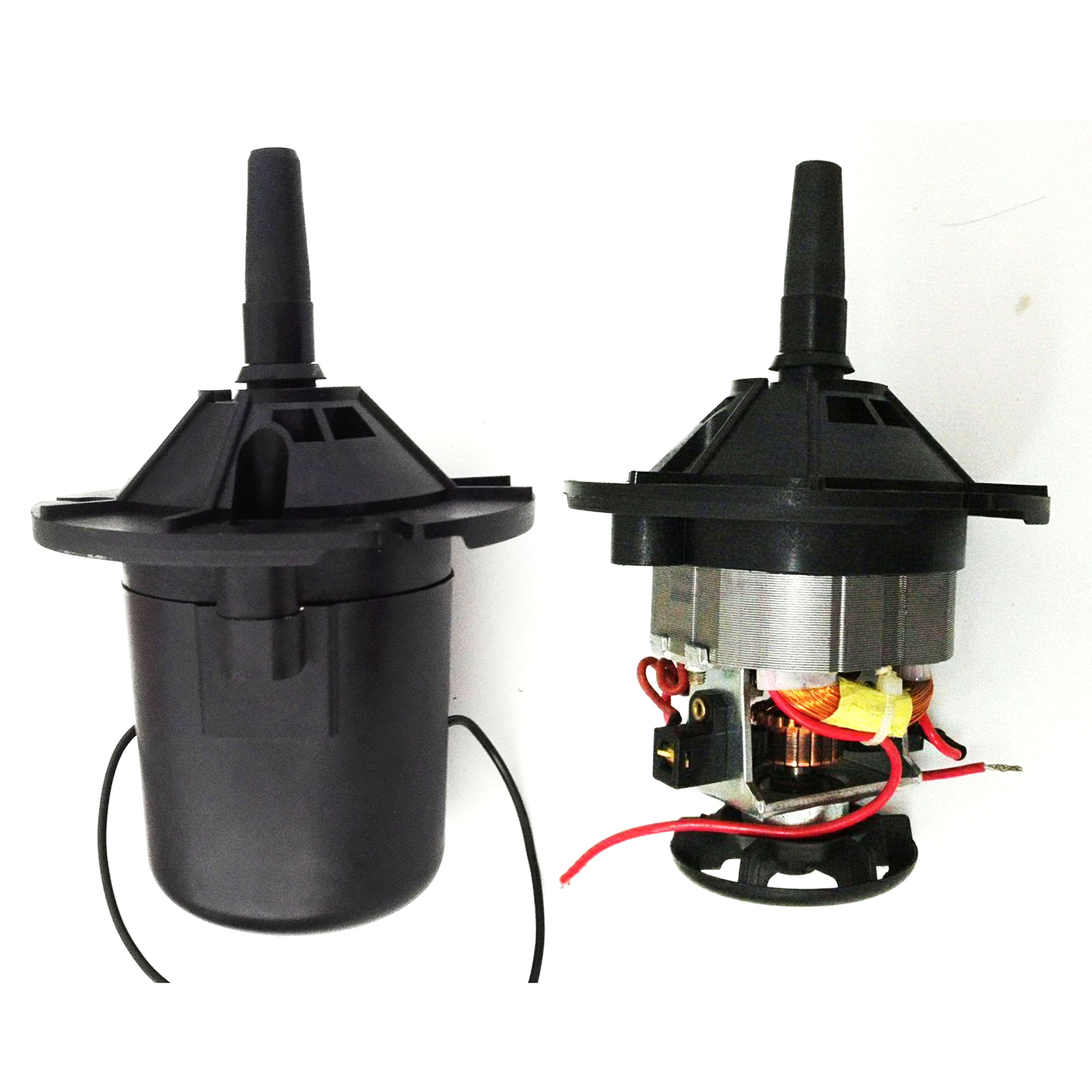
For importers developing proprietary equipment, specifying the exact motor winding (pure copper is mandatory for longevity) and pulsator type (pneumatic vs. electronic) is critical. If you are customizing the chassis or integrating smart tracking features, utilizing professional OEM/ODM Services ensures your technical specifications are accurately translated to the factory floor.
Struggling to verify component quality and motor specifications with overseas factories? Let our sourcing engineers handle the vetting.
Talk to our teamMaterial Compliance and Factory Quality Control
Because milking machines handle products destined for human consumption, material compliance is non-negotiable. Many lower-tier factories attempt to substitute 304 stainless steel with 201 stainless steel for milk buckets and claws to cut costs. While SS201 looks identical initially, it will rust when exposed to dairy acids and aggressive cleaning chemicals.
Furthermore, all milk liners and tubing must be made from high-grade, non-toxic silicone or specialized rubber that complies with FDA or European food safety standards.
To prevent costly defects, rigorous Quality Control & Inspection should be implemented before shipment.
Critical Pre-Shipment Inspection Points
- Material verification (spectrometer testing for SS304/SS316 on all milk-contact surfaces).
- Vacuum stability testing (verifying consistent kPa pressure without fluctuations).
- Pulsation ratio calibration (ensuring exact 60:40 or 50:50 ratios depending on livestock type).
- Motor temperature rise testing under continuous load.
- Visual inspection of silicone liners for molding defects or off-gassing odors.
Before committing to a large order, it is highly recommended to conduct thorough Factory Audits to verify the supplier's ISO 9001 certification, their in-house testing equipment, and their ability to maintain strict hygiene standards during assembly. If your target market requires specific regulatory documentation, coordinating Compliance & Testing early in the sourcing process is essential.
MOQs, Lead Times, and Pricing Dynamics
Pricing in the milking machine category is primarily driven by the motor capacity, pump type, and the volume of stainless steel used.
- Portable Milking Machines: Typical Minimum Order Quantities (MOQs) for portable, single or double-bucket units range from 20 to 50 units for standard models. For OEM branding (custom colors, stamped logos), MOQs usually start at 100 units.
- Parlor Systems: Fixed pipeline or parlor systems are often highly customized and sold as complete projects. MOQs are typically evaluated on a per-project basis.
- Lead Times: Standard production runs take 25 to 35 days. Custom OEM orders requiring new molds for milk claws or specialized silicone liners can extend lead times to 45 to 60 days.
Need to consolidate shipments from multiple agricultural equipment suppliers? Discover how we streamline complex supply chains.
Get a free consultationSuccessfully sourcing commercial milking equipment requires looking past the unit price and focusing on total cost of ownership. A machine that fails in the field or contaminates a milk yield will cost your brand far more than the initial savings from a cheaper supplier. By enforcing strict material standards and validating factory capabilities upfront, you build a resilient, profitable agricultural supply chain.
Get Sourcing Help for Milking Machines
Tell us your requirements and our experts will connect you with verified manufacturers.