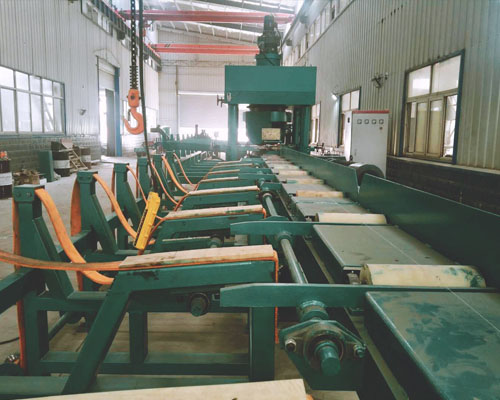
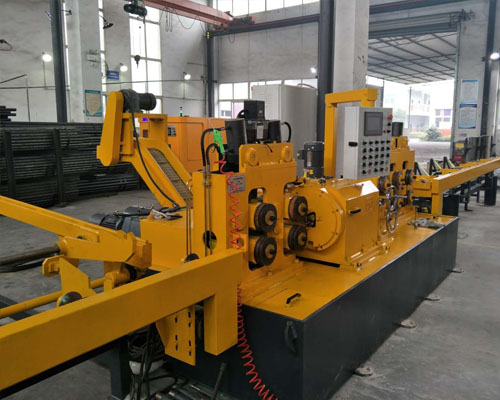
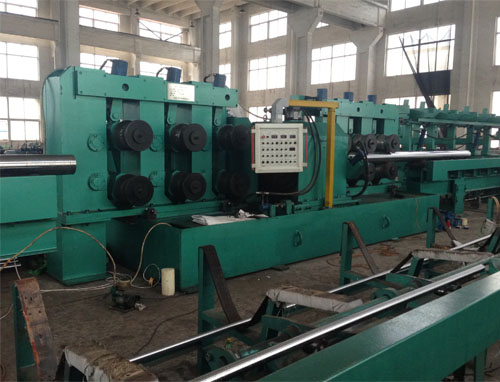
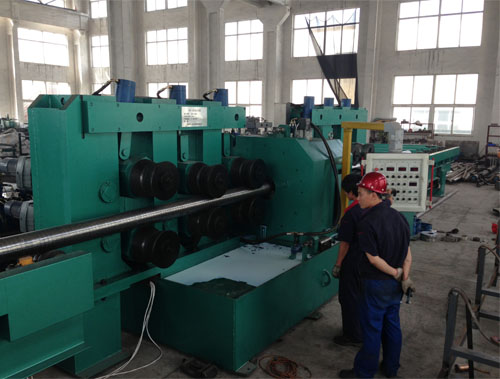
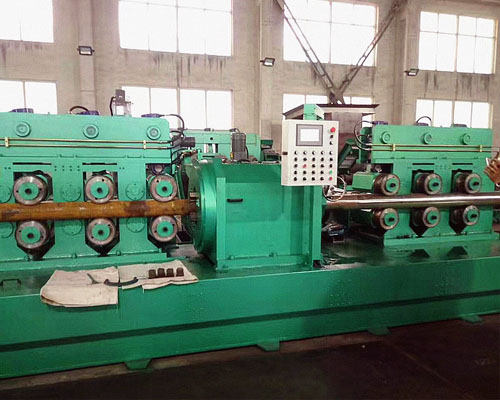
Metal Straightening Machinery
Source heavy-duty metal straightening machinery from vetted manufacturers and suppliers in China and Asia. Designed for industrial importers, distributors, and brands requiring reliable OEM production, our wholesale network delivers precision equipment engineered for high-volume metalworking and metallurgy applications.
Sourcing industrial metal straightening machinery requires aligning precise technical specifications with a manufacturer's engineering capabilities. Whether you are procuring leveling machines for sheet metal, rotary straighteners for pipes, or multi-roll systems for wire and bar stock, the margin for error is zero. A machine that fails to hold tolerance under continuous heavy loads will bottleneck your customers' entire production lines.
Critical Specifications and Engineering Standards
When negotiating with factory engineers, the core focus must be on the rigidity of the machine frame and the metallurgical properties of the straightening rollers. Machines subjected to high-yield-strength metals will experience severe deflection if the frame is not adequately stress-relieved or if the roller shafts lack sufficient diameter.
Roller Material and Treatment
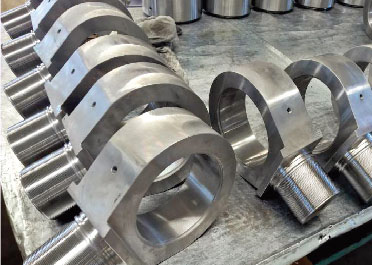
The rollers do the actual work and endure the most wear. Standard carbon steel rollers will deform quickly when processing thick or high-tensile materials. Specify high-alloy tool steels like Cr12MoV, SKD11, or at minimum GCr15. Ensure the supplier utilizes proper quenching and tempering processes to achieve a surface hardness of HRC 58 to 62, followed by precision grinding.
Frame Construction
The base and frame must absorb massive kinetic energy. Look for welded steel plate construction that has undergone complete thermal stress relief (annealing) before machining. If a factory skips this step to cut costs, the frame will gradually warp during operation, permanently destroying the machine's calibration.
Need help verifying a manufacturer's engineering capabilities? We can evaluate technical drawings and facility standards on your behalf.
Talk to our teamManufacturing Quality and Supplier Vetting
China is home to hundreds of machinery assemblers, but true manufacturers with in-house CNC machining centers for large components are fewer. Assemblers who outsource their roller machining and frame welding often struggle with quality consistency and after-sales support.
Conducting thorough factory audits is essential before placing a deposit. You need to verify that the facility possesses the necessary boring mills and heavy-duty lathes to machine the frame and rollers accurately.
| Component | Standard Configuration | High-Precision Configuration |
|---|---|---|
| Control System | Manual handwheel adjustment | CNC / PLC (Siemens/Mitsubishi) with motorized adjustment |
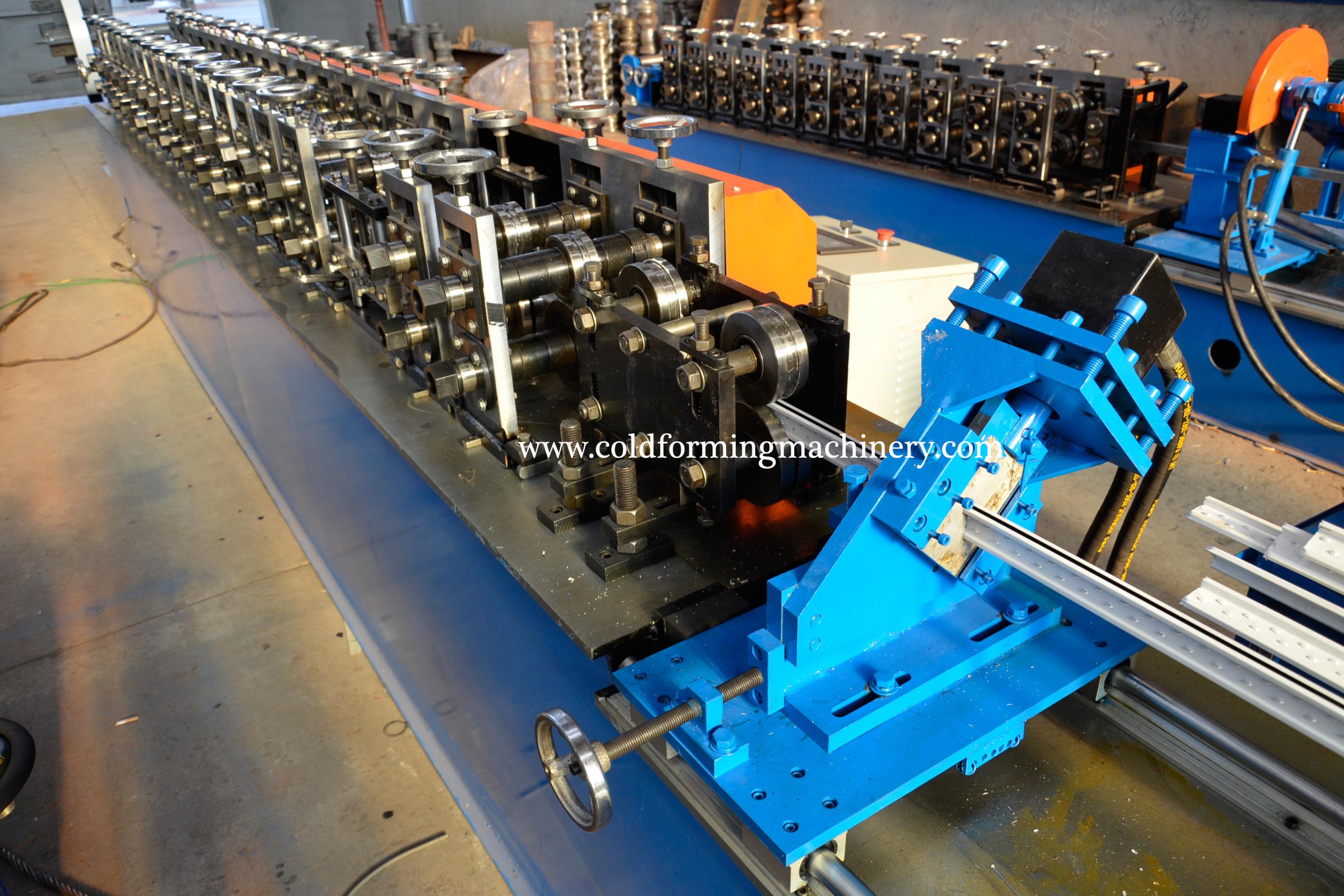
| Roller Count | 5 to 9 rollers (thicker materials) | 11 to 23 rollers (thin, high-precision leveling) |
| Drive System | Single motor with distribution gearbox | Individual servo motors per roller |
The Factory Acceptance Test (FAT)
Never ship heavy machinery without a rigorous FAT. Comprehensive quality control at the factory level ensures the machine performs to your exact tolerances using your specified test materials.
Essential FAT Checkpoints
- Run test materials at maximum rated thickness and yield strength.
- Measure the output material with precision straightedges and dial indicators.
- Verify motor temperature and gearbox noise levels during continuous operation.
- Test all emergency stops, safety interlocks, and PLC programming logic.
- Confirm electrical components match the destination country's voltage and frequency (e.g., 480V/60Hz).
Pricing Drivers, MOQs, and Lead Times
Because metal straightening machinery is highly customized to the end-user's material (thickness, width, yield strength), the Minimum Order Quantity (MOQ) is universally set at 1 unit.
Pricing is highly variable, driven primarily by the number of rollers, the width capacity, and the control system. A basic 7-roll manual straightener for narrow strip metal requires a vastly different budget than a 21-roll CNC precision leveler for wide high-tensile steel sheets.
Lead times typically range from 30 to 60 days, extending up to 90 days for highly customized or exceptionally large machines. Keep in mind that heavy machinery logistics require careful planning. These units often require flat rack containers, specialized rigging, and robust anti-rust packaging. Coordinating proper shipping and freight early in the production cycle prevents costly port delays.
Planning a heavy machinery import? Let us map out the production schedule, quality control, and freight logistics.
Get a free consultationFrequently Asked Questions
Sourcing industrial metalworking equipment demands rigorous technical oversight from the first specification sheet to the final container loading. By partnering with experienced sourcing professionals, you ensure your capital investment yields machinery that performs reliably on the production floor.
Get Sourcing Help for Metal Straightening Machinery
Tell us your requirements and our experts will connect you with verified manufacturers.