Metal Product Processing Lines
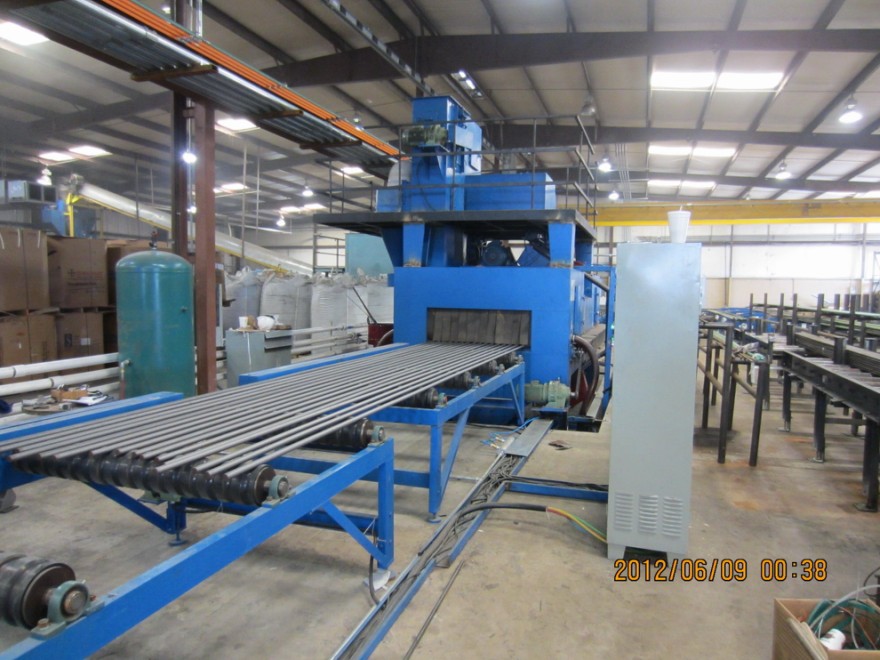
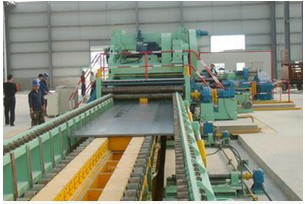
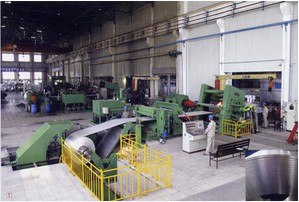
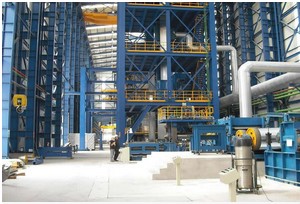
Source industrial metal product processing lines from vetted manufacturers in China and Asia. Designed for machinery importers, distributors, and manufacturing brands, our wholesale suppliers engineer custom roll forming, slitting, and cut-to-length lines with reliable quality control and end-to-end logistics support.
Procuring a complete metal product processing line is a complex capital expenditure. Whether you are sourcing a cut-to-length line, a high-speed coil slitting system, or a heavy-duty roll forming setup, the success of the investment relies heavily on precise engineering alignment between your specifications and the factory’s technical capabilities. Sourcing industrial machinery from overseas requires rigorous validation of component origins, structural integrity, and electrical compliance.
Defining Your Processing Line Specifications
A processing line is rarely an off-the-shelf purchase. Manufacturers configure the line based on the exact metallurgical properties of the material you intend to process. Failing to specify these parameters accurately will result in underpowered motors, excessive blade wear, or out-of-tolerance finished products.
When detailing your requirements to a manufacturer, you must lock down the following operational parameters:
- Material Yield Strength & Tensile Strength: Standard mild steel requires vastly different shear forces compared to high-strength low-alloy (HSLA) steel or stainless steel. Specify the maximum Megapascals (MPa) the line must handle.
- Gauge Range: Define the absolute minimum and maximum thickness. A line optimized for 0.5mm to 2.0mm will not perform well if pushed to 3.0mm, and a heavy-duty line designed for 12mm plate will struggle to cleanly slit 1mm sheet.
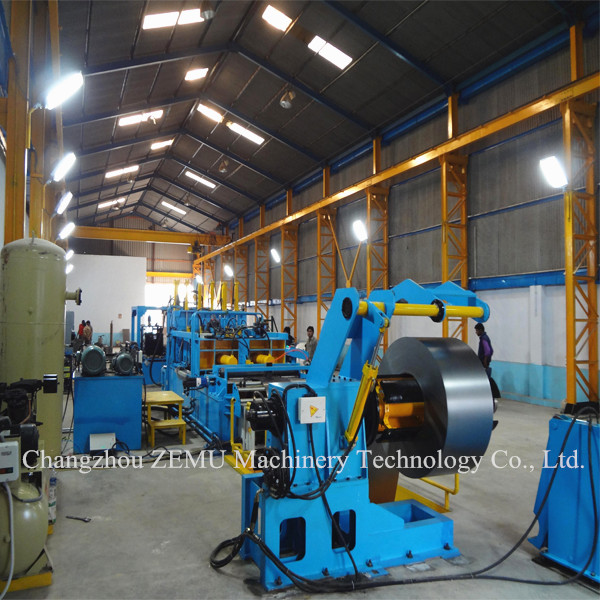
- Coil Parameters: Maximum coil weight (often 10 to 35 tons), maximum coil width, and inner/outer diameter (ID/OD) specifications dictate the design of the uncoiler and recoiler mandrels.
- Line Speed vs. Output: Specify continuous line speed (e.g., meters per minute) and the expected parts-per-minute or cuts-per-minute. High-speed lines require more sophisticated looping pits and braking tension stands.
Need help matching your technical requirements with a capable manufacturer? Our team can vet suppliers based on your exact engineering specifications.
Talk to our machinery expertsComponent Sourcing: Where Quality is Won or Lost
The core difference between a processing line that operates flawlessly for a decade and one that suffers constant downtime lies in the bill of materials (BOM). Top-tier Asian manufacturers build robust mechanical frames but often integrate electrical and hydraulic components from globally recognized brands to ensure reliability and local serviceability in your destination country.
| System | Standard Domestic Configuration | Export-Grade Configuration |
|---|---|---|
| PLC & Drives | Local brands (e.g., Delta, Inovance) | Siemens, Allen-Bradley, Yaskawa |
| Hydraulics | Standard domestic pumps/valves | Rexroth, Parker, or Yuken |
| Slitting/Shear Blades | Cr12 or standard tool steel | SKD11, D2, or H13 (heat treated) |
| Bearings | HRB or generic domestic | SKF, NSK, or Timken |
Verifying that a factory actually uses the premium components they quote is a common sourcing challenge. Conducting rigorous Factory Audits before placing a deposit is essential to confirm the supplier has the technical infrastructure, assembly floor space, and supply chain relationships to deliver an export-grade processing line.
Quality Control and Factory Acceptance Testing (FAT)
You should never authorize the shipment of a processing line without a successful Factory Acceptance Test (FAT). The FAT is your final opportunity to prove the machinery runs your specific material at the required speed and tolerance before it leaves the factory floor.
Critical FAT Requirements
- Run-off testing using your exact material grade and thickness (shipped to the factory if necessary).
- Verification of cut length accuracy and diagonal tolerances across a sustained production run.
- Inspection of slitting burrs and edge quality under maximum gauge conditions.
- Thermal testing of hydraulic systems and motors during continuous operation.
- Verification of CE, UL, or CSA compliance for all electrical cabinets and safety interlocks.
Because traveling overseas for a multi-day FAT is not always feasible, utilizing independent Quality Control & Inspection teams with mechanical engineering expertise ensures the run-off is supervised, documented with video evidence, and verified against the contract specifications.
Pricing, Lead Times, and Heavy Logistics
Metal processing lines are project-based, built-to-order assets. Costs scale dramatically based on the level of automation, the width and thickness capacities, and the origin of the electronic controls.
Shipping a processing line is highly complex. A single line often requires multiple 40-foot High Cube (40HQ) containers. Oversized components, such as heavy uncoilers or massive hydraulic shears, may exceed standard container dimensions and require Flat Rack or Open Top containers. Coordinating this requires specialized Shipping & Freight management to handle out-of-gauge (OOG) cargo, proper lashing, rust-prevention packaging (VCI), and complex customs documentation.
Shipping heavy processing lines requires specialized freight handling. Let us map out the most secure and cost-effective logistics route for your machinery.
Get a logistics consultationFrequently Asked Questions
Sourcing a metal processing line is ultimately about managing total cost of ownership. A line that is 15 percent cheaper upfront but utilizes sub-standard bearings, underpowered drives, or weak structural steel will quickly erase those savings through maintenance downtime and scrapped material. Partnering with experienced sourcing professionals ensures your investment is protected from the initial engineering drawing through to final installation.
Get Sourcing Help for Metal Product Processing Lines
Tell us your requirements and our experts will connect you with verified manufacturers.