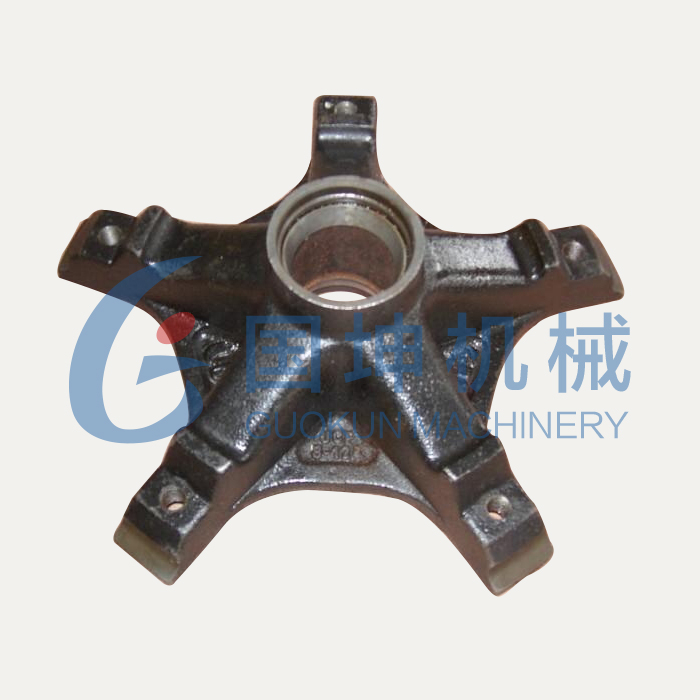
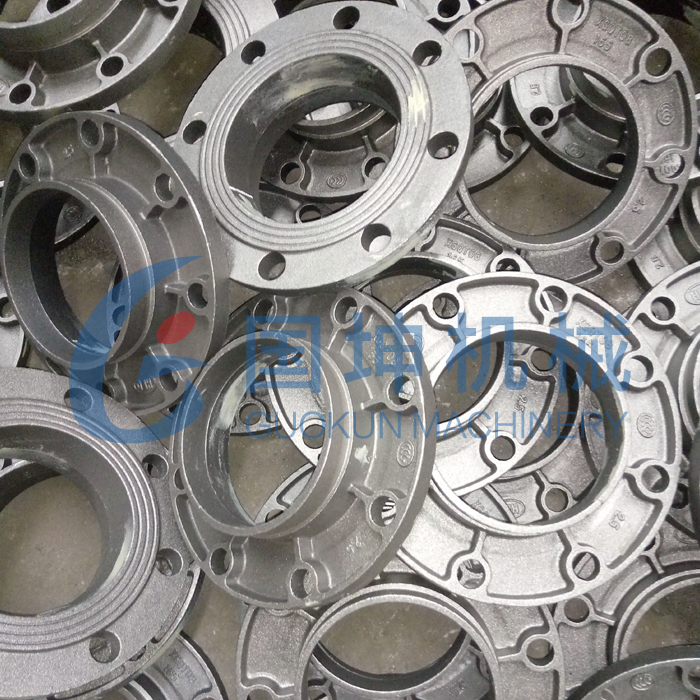
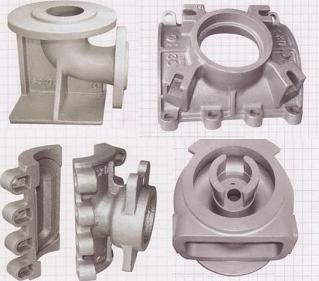
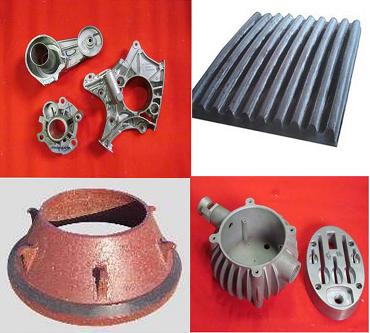
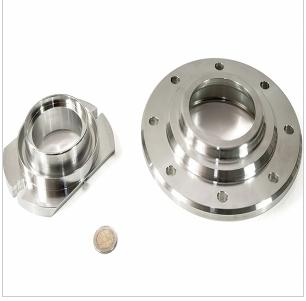
Metal Casting Machinery
Source high-performance Metal Casting Machinery from vetted suppliers and manufacturers. Designed for industrial importers, distributors, and manufacturers looking for reliable bulk procurement or custom OEM equipment. Streamline your supply chain with factory-direct pricing, rigorous quality control, and seamless logistics.
Sourcing industrial metal casting machinery requires rigorous technical vetting. Whether you are procuring equipment for automotive parts, aerospace components, or consumer hardware, the difference between a high-yield production asset and a maintenance liability lies entirely in the supplier's engineering capabilities and component sourcing. Evaluating heavy machinery manufacturers in Asia demands looking past the outer casing to scrutinize hydraulic integrity, control systems, and machining precision.
Defining Critical Specifications in Your RFQ
When approaching manufacturers, vague requirements lead to misaligned quotes and substituted components. Professional buyers must specify exact parameters to ensure the equipment meets their production demands.
Key Specifications for Casting Machinery RFQs
- Clamping Force (Tonnage): Specify exact requirements (e.g., 150T to over 4000T) based on part size and cavity count.
- Tie Bar Spacing: Dictates the maximum mold size the machine can accommodate.
- Injection Pressure & Stroke: Critical for filling complex molds quickly and avoiding porosity.
- Platen Dimensions: Ensure compatibility with your existing tooling and mold designs.
- Control Systems (PLC): Specify preferred international brands (Siemens, Allen-Bradley, Mitsubishi) for easier local maintenance.
Many factories will quote a highly competitive baseline price by using domestic-tier hydraulic valves and electronics. If your production requires high uptime, you must explicitly request tier-one international components in your initial spec sheet.
Need help standardizing your technical RFQ to compare suppliers accurately? We can help you define specs and identify capable manufacturers.
Talk to our teamManufacturing Quality and Component Verification
The structural integrity of casting machinery begins with the frame and platens. High-quality manufacturers cast their platens using high-grade ductile iron and machine them using advanced CNC boring and milling centers. Lower-tier suppliers may outsource this machining to smaller workshops, leading to microscopic misalignments that cause uneven clamping force and flash on your final cast parts.
Conducting thorough factory audits is essential before placing a deposit. You need to verify that the supplier actually possesses the heavy machining equipment they claim, rather than just assembling parts bought from a local supply chain.
Watch Out for Hydraulic Substitution
A common cost-cutting tactic is installing lower-grade hydraulic pumps and directional valves. Always mandate that the Bill of Materials (BOM) lists the exact brand and model of every major hydraulic and electrical component, and verify these during inspection.
Factory Acceptance Testing (FAT)
You cannot afford to discover a defect after a 30-ton machine arrives at your facility. Rigorous quality control at the factory level is mandatory. A standard FAT protocol for casting machinery should include:
Dry Cycling
Running the machine continuously for 24 to 48 hours without material to test hydraulic stability, cooling systems, and overall mechanical reliability.
Pressure & Alignment Checks
Verifying platen parallelism under full clamping force using precision dial indicators to ensure tolerances are met.
Mold Trial (Wet Testing)
Running a test mold with molten metal to evaluate injection speed, pressure consistency, and part quality.
Pricing, Lead Times, and Heavy Logistics
Unlike consumer goods, metal casting machinery is built to order. Standard models with minor modifications typically require lead times of 45 to 60 days, while heavily customized or extremely high-tonnage machines can take 90 to 120 days or more.
| Factor | Standard Configuration | Custom/Heavy-Duty |
|---|---|---|
| Typical Lead Time | 45 - 60 Days | 90 - 120+ Days |
| MOQ | 1 Unit | 1 Unit |
| Component Sourcing | Domestic/Standard Tier | Specified International Brands |
| Payment Terms | 30% Deposit / 70% Pre-Ship | Progressive (e.g., 30/40/30) |
Logistics for this category present their own challenges. Large casting machines often exceed standard container dimensions and weight limits, requiring Out-of-Gauge (OOG) shipping, Flat Rack containers, or breakbulk vessels. Coordinating heavy-lift transport from the factory floor to the port, securing the load for ocean transit, and managing destination customs requires specialized shipping and freight expertise to avoid delays and damage.
Let us handle the complexities of heavy machinery sourcing, from supplier vetting to flat-rack logistics and customs clearance.
Get a free consultationFrequently Asked Questions
Procuring metal casting machinery is a capital-intensive process where upfront savings on equipment can quickly be erased by downtime, maintenance, and poor part quality. Success requires treating the purchase as an engineering project: defining strict tolerances, mandating component transparency, and enforcing rigorous testing before the equipment ever leaves the factory floor.
Get Sourcing Help for Metal Casting Machinery
Tell us your requirements and our experts will connect you with verified manufacturers.