Mercury Lamps
Source high-quality Mercury Lamps in bulk directly from vetted Chinese manufacturers and suppliers. Designed for commercial importers, electrical distributors, and industrial wholesalers, this catalog provides reliable, compliant lighting solutions at competitive wholesale prices for your procurement needs.
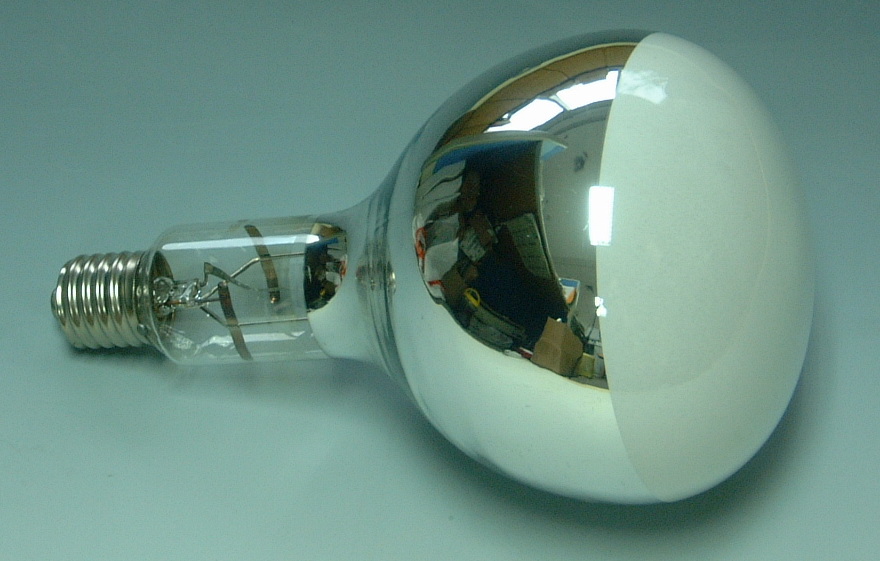
While solid-state lighting dominates new installations, mercury vapor lamps remain necessary for specific legacy infrastructure maintenance, industrial replacements, and specialty UV applications. Sourcing these High-Intensity Discharge (HID) lamps in bulk requires navigating stringent environmental regulations, ensuring precise arc tube manufacturing, and verifying exact ballast compatibility.
When buying direct from manufacturers, success relies on tightly defined specifications and rigorous oversight of the factory's glassworking and gas-filling processes.
Defining Technical Specifications for Production
Mercury lamps operate at high internal pressures and temperatures. Failing to specify exact parameters will result in poor lumen maintenance, premature electrode failure, or catastrophic arc tube rupture. When negotiating with suppliers, you must define:
- Wattage and Efficacy: Standard industrial lamps range from 50W to 1000W. Specify the required initial lumens per watt (lm/W) and acceptable lumen depreciation over the first 2,000 hours of operation.
- Base Type and Material: Specify E27, E40, or mogul bases. Ensure the base material (typically nickel-plated brass) is specified to prevent seizing in high-heat industrial fixtures.
- Phosphor Coating (for coated variants): If sourcing color-corrected lamps, specify the yttrium vanadate phosphor coating thickness. Uneven coating leads to severe color shifting.
| Lamp Configuration | Ballast Requirement | Typical Application | Sourcing Complexity |
|---|---|---|---|
| Self-Ballasted (Blended) | Internal tungsten filament | Direct replacement / Retrofit | Low to Medium |
| Externally Ballasted | Requires specific HID ballast | High-bay industrial, Street lighting | High (Requires exact matching) |
Struggling to find reliable manufacturers for legacy HID lighting? We can match your technical requirements with vetted factories that still maintain high-quality mercury lamp production lines.
Talk to our teamManufacturing Tolerances and Quality Control
The lifespan of a mercury lamp is won or lost in the arc tube assembly and the gas-filling environment. Many lower-tier factories cut costs on quartz glass purity or employ inconsistent vacuum sealing processes.
To prevent high defect rates, your quality control and inspection protocols must focus on the following critical failure points:
Factory Floor Inspection Priorities for Mercury Lamps
- Quartz Arc Tube Purity: Inspect for micro-fissures or impurities in the quartz glass which can cause explosive failure under high pressure.
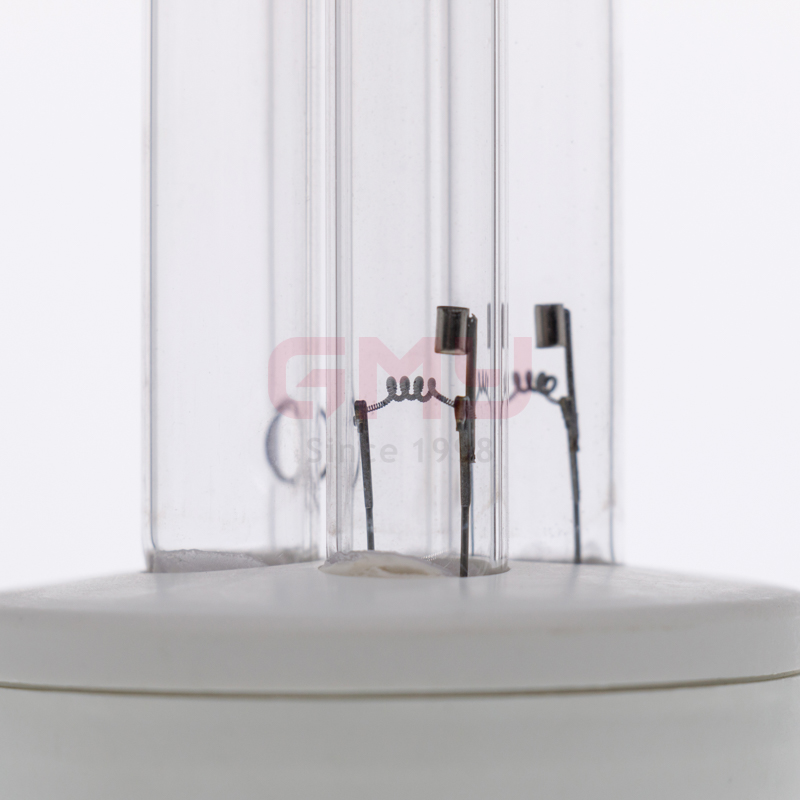
- Electrode Sputtering: Verify the tungsten electrodes are properly treated with emission mix (barium/calcium/strontium oxides) to prevent early blackening of the arc tube.
- Vacuum and Gas Fill: Ensure the factory uses automated, precision-dosed argon and mercury filling to maintain exact starting pressures.
- Base Cementing: Test the torque strength of the base cement. High operating temperatures can degrade cheap adhesives, causing the glass envelope to detach from the base.
Regulatory Compliance and Environmental Restrictions
The Minamata Convention on Mercury
General lighting mercury vapor lamps are heavily restricted or outright banned in many global markets (including the EU and parts of North America) due to the Minamata Convention and RoHS directives.
Before placing a bulk order, you must confirm whether your specific market allows the import of mercury lamps for your intended application (e.g., specialty UV, scientific, or specific replacement exemptions). Engaging in thorough compliance and testing is mandatory to ensure the factory's products meet the exact exemption criteria and labeling requirements of your destination country. Customs will seize non-compliant shipments.
Typical MOQs, Pricing, and Lead Times
Because global demand for mercury lamps has shifted, many factories no longer run continuous production lines for this category. They operate on a batch-production basis, which impacts both minimum order quantities (MOQs) and lead times.
Pricing is heavily influenced by the raw material costs of quartz glass, tungsten, and the specific phosphor powders used. When comparing quotes, be wary of prices that sit significantly below the market average. This usually indicates the use of recycled quartz glass or inferior base cement, which drastically reduces the lamp's operational lifespan. Conducting proper factory audits before placing a deposit is the most effective way to verify that a supplier has the specialized equipment required for safe, high-quality HID manufacturing.
Need to secure stable pricing and compliant production for your HID lighting supply chain? Let us handle the factory vetting and quality assurance.
Get a free consultationFrequently Asked Questions
Sourcing legacy lighting technologies like mercury lamps requires specialized knowledge of high-pressure glass manufacturing and an acute awareness of global environmental regulations. By partnering with a sourcing team that understands these technical and compliance hurdles, you can secure reliable inventory without risking catastrophic failures or customs rejections.
Get Sourcing Help for Mercury Lamps
Tell us your requirements and our experts will connect you with verified manufacturers.