Medical X-ray Equipment & Accessories
Source professional Medical X-ray Equipment & Accessories from vetted manufacturers and suppliers in China and Asia. Designed for medical device importers, distributors, and healthcare procurement teams buying in bulk, our network offers reliable OEM and private-label production tailored to strict regulatory standards.
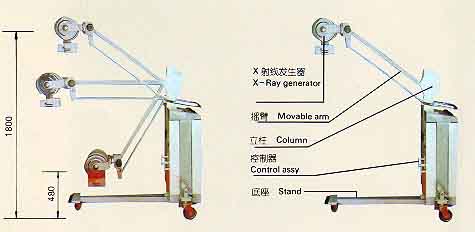
Sourcing medical X-ray equipment and accessories in bulk requires navigating a complex landscape of regulatory compliance, precision engineering, and radiation safety standards. Whether you are procuring mobile radiography units, digital flat panel detectors, or protective shielding accessories, the core sourcing challenge lies in verifying that a manufacturer’s technical capabilities match your target market's stringent medical device requirements.
Core Components and Technical Specifications
The reliability of radiological equipment hinges on three primary components: the high-voltage generator, the X-ray tube, and the digital detector. When negotiating with suppliers, procurement managers must drill down into the sub-component supply chain, as many assemblers source tubes and detectors from third-party specialists.
Key specifications to define in your purchase agreements include:
- Generator Power Output (kW): Determines the ability to penetrate dense tissue. Standard mobile units range from 4kW to 32kW, while fixed hospital systems typically require 50kW to 80kW.
- Tube Anode Heat Capacity: Measured in kilo-Heat Units (kHU) or Mega-Heat Units (MHU). Higher capacities are mandatory for facilities with high patient throughput to prevent tube overheating and failure.
- Focal Spot Size: Dual focal spots (e.g., 0.6mm and 1.2mm) are standard, balancing fine detail resolution with higher power output capabilities.
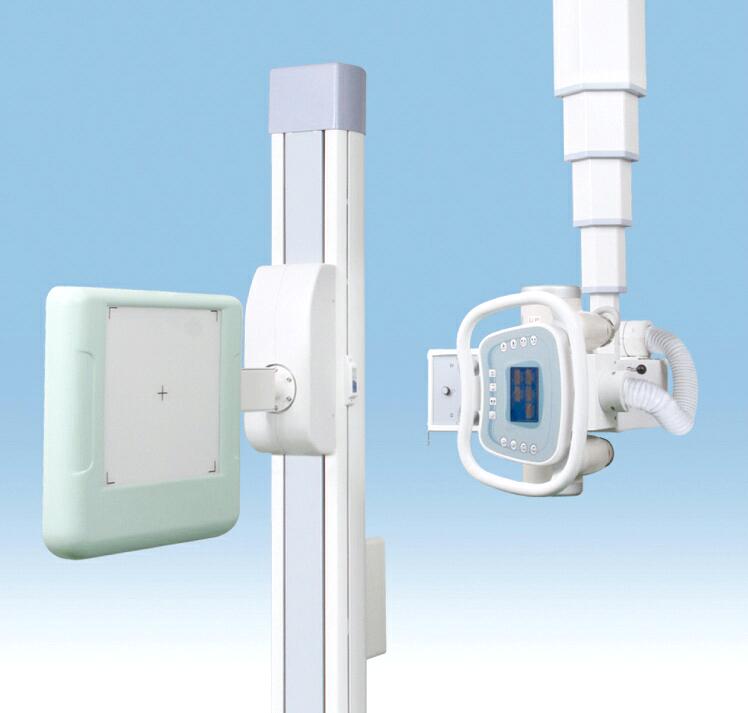
For digital radiography (DR) upgrades and complete systems, the choice of scintillator material in the Flat Panel Detector (FPD) is the primary driver of both image quality and unit cost.
| Scintillator Material | Dose Efficiency | Cost Profile | Primary Application |
|---|---|---|---|
| Cesium Iodide (CsI) | High (requires lower patient dose) | Premium | Human clinical diagnostics, pediatrics |
| Gadolinium Oxysulfide (Gadox) | Standard | Economical | Veterinary, budget medical, industrial |
Need help verifying technical specifications and sub-component origins with Asian medical device manufacturers?
Talk to our teamManufacturing Quality Control & Compliance
Medical device manufacturing leaves zero room for error. A supplier claiming ISO 13485 certification is only the baseline; the true test is their in-process quality control and testing infrastructure. You must ensure that the factory performs rigorous end-of-line testing for radiation leakage, high-voltage stability, and software integration.
Integrating professional Quality Control & Inspection during production—rather than just before shipment—is critical for capital medical equipment. Defect remediation after a unit is fully assembled is costly and delays shipments significantly.
Critical Factory Floor QA Verifications
- High-voltage generator output consistency and waveform stability
- Radiation leakage mapping around the tube housing and collimator
- Image resolution and contrast testing using standardized QA phantoms
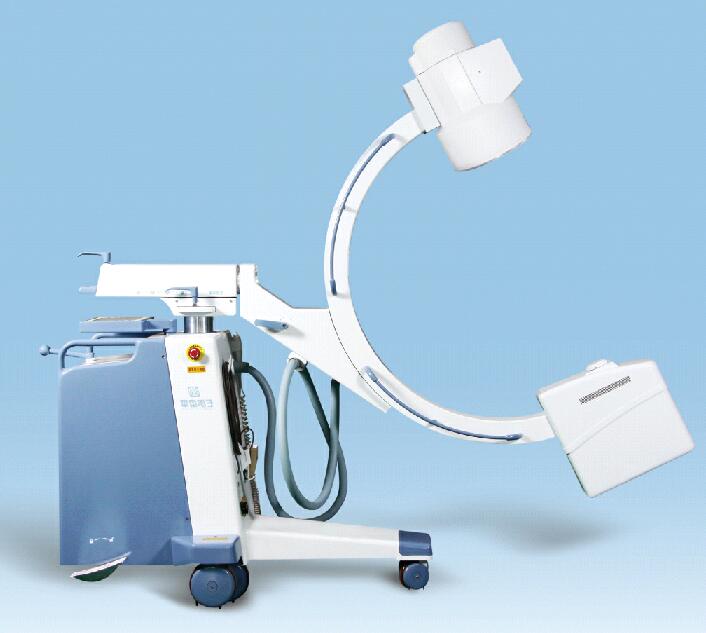
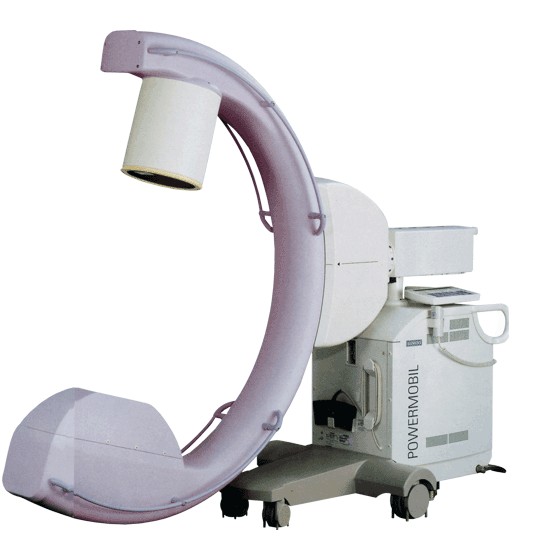
- Mechanical stress testing for motorized C-arms and mobile unit chassis
- Verification of lead equivalence (e.g., 0.35mm or 0.5mm Pb) in protective aprons and glass
Furthermore, if you are importing into regulated markets like the EU or the US, navigating CE MDR or FDA 510(k) requirements is paramount. Proper Compliance & Testing requires reviewing the manufacturer's technical files and ensuring their testing data aligns with your local regulatory body's expectations.
Production Mechanics: MOQs, Pricing, and Lead Times
The procurement mechanics for medical X-ray equipment differ vastly from consumer electronics. Capital equipment (like DR rooms or mobile C-arms) typically carries very low Minimum Order Quantities (MOQs), whereas accessories (like lead aprons, grids, and positioning blocks) require higher volume commitments.
Pricing is heavily influenced by the level of customization. Engaging in OEM/ODM Services for customized software interfaces, specific hardware configurations, or private-label branding requires detailed tooling and engineering negotiations. Because of the high capital risk, comprehensive Factory Audits are essential to verify the supplier's engineering team, financial stability, and historical export performance before any funds are transferred.
Planning a bulk order or private-label medical device run? Let's discuss your procurement and compliance strategy.
Get a free consultationBuyer FAQ
Success in sourcing medical radiology equipment requires more than negotiating a favorable unit price; it demands rigorous validation of engineering capabilities and strict adherence to global safety standards. Partnering with experienced sourcing professionals ensures your supply chain remains compliant, reliable, and secure from factory floor to final delivery.
Get Sourcing Help for Medical X-ray Equipment & Accessories
Tell us your requirements and our experts will connect you with verified manufacturers.