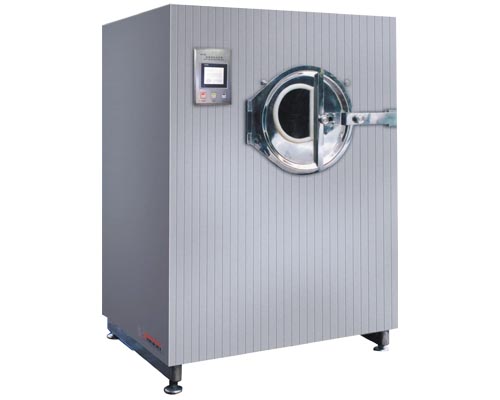
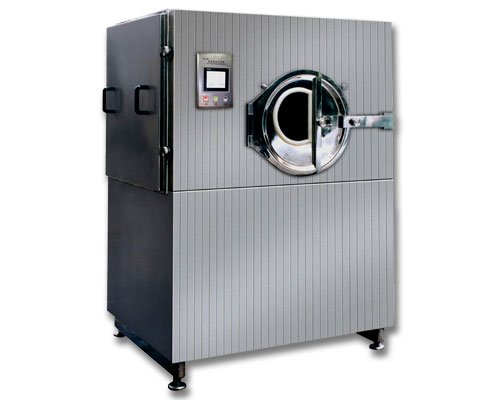
Medical & Pharmaceutical Machinery
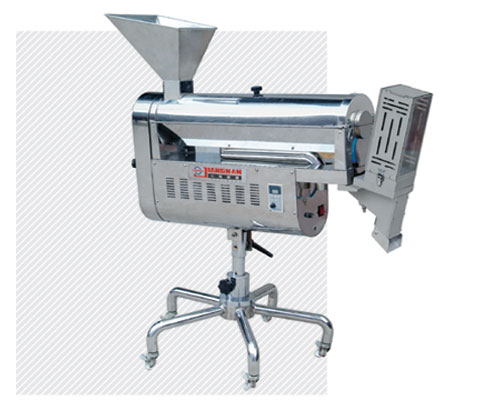
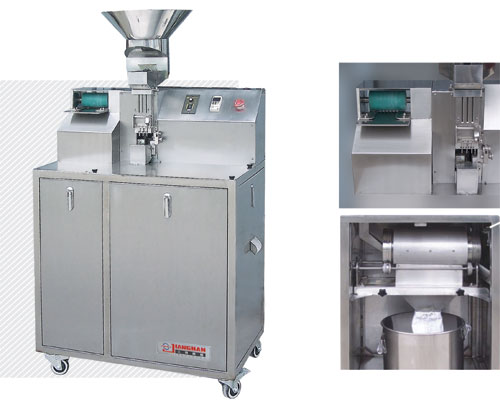
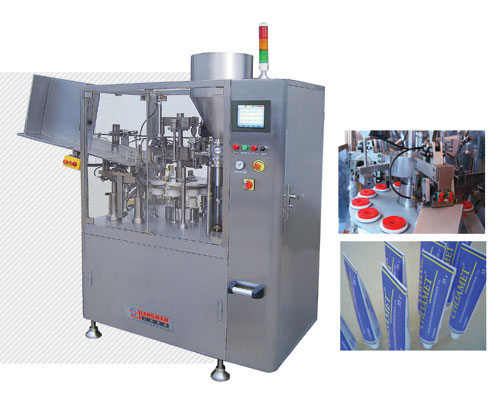
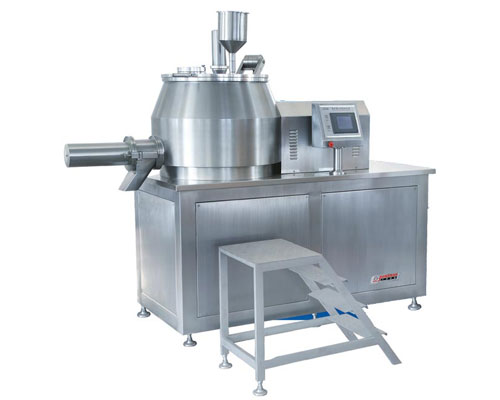
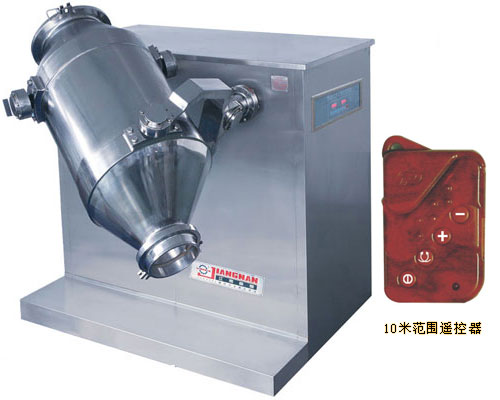
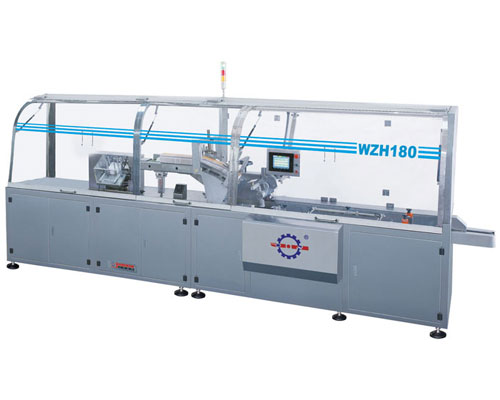
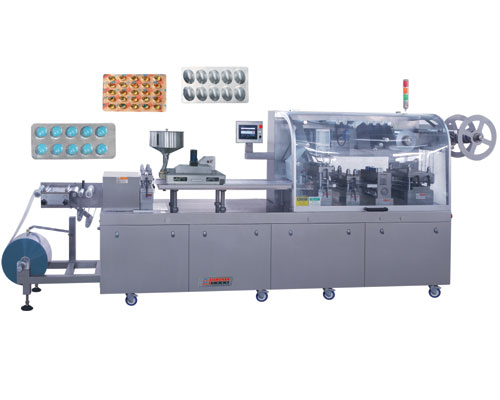
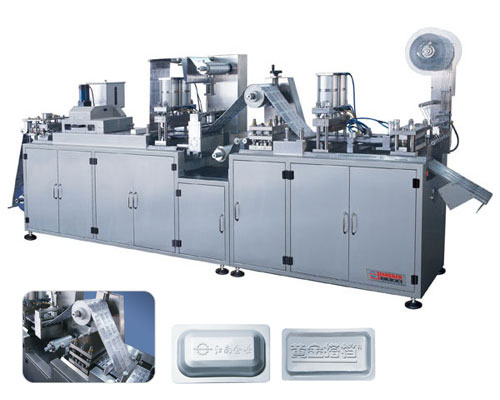
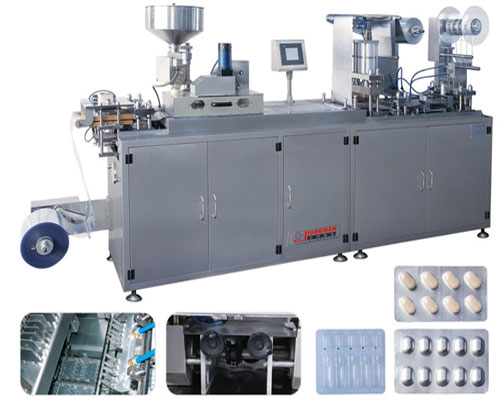
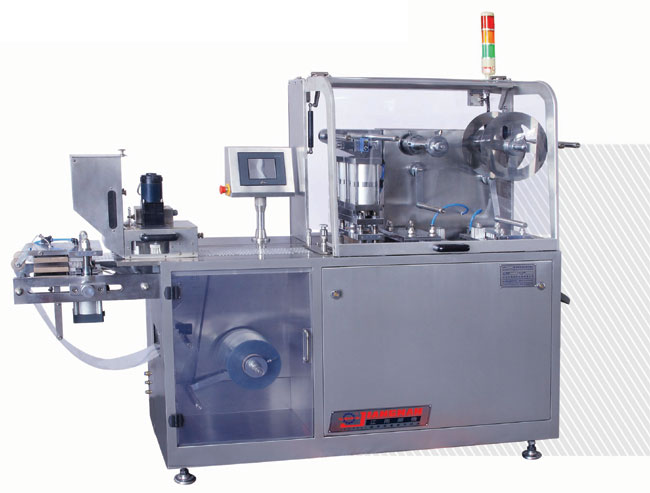
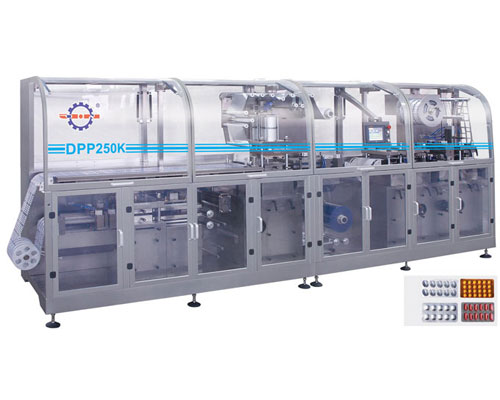
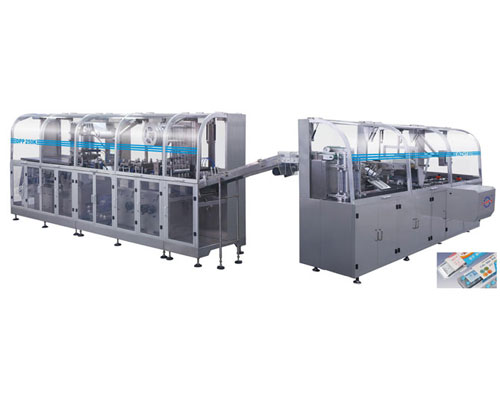
Source high-performance medical and pharmaceutical machinery from vetted manufacturers and suppliers across Asia. Designed for industrial importers, distributors, and pharmaceutical brands scaling production, our wholesale network delivers reliable, GMP-compliant equipment for processing, packaging, and cleanroom operations.
Importing pharmaceutical and medical manufacturing equipment requires balancing rigorous regulatory compliance with capital efficiency. The primary sourcing challenge isn't simply finding a factory capable of building the machine; it is identifying a manufacturing partner who understands Good Manufacturing Practice (GMP) standards, provides full material traceability, and delivers the comprehensive documentation required for facility validation.
Critical Specifications for Pharma-Grade Machinery
When sourcing medical and pharmaceutical equipment, the baseline specifications must align with international cleanroom and production standards. Standard industrial machinery cannot simply be repurposed for pharmaceutical use.
Key Specifications to Verify
- Material of Construction: All product-contact parts must be SS316L (SUS316L), while non-contact structural frames can be SS304. Request material composition certificates.
- Surface Finish: Internal contact surfaces typically require a roughness average (Ra) of under 0.4 micrometers, often electropolished to prevent bacterial adherence.
- Control Systems: For markets requiring 21 CFR Part 11 compliance (electronic records and signatures), ensure the machine uses recognized PLC/HMI architectures (e.g., Siemens, Allen-Bradley) with audit trail capabilities.
- Sanitization Integration: The equipment must support CIP (Clean-In-Place) and SIP (Sterilize-In-Place) protocols without dead legs or inaccessible crevices.
Assessing a supplier's ability to meet these specifications requires looking beyond their marketing materials. Conducting comprehensive Factory Audits is essential to verify their ISO 13485 certification, internal quality management systems, and actual production environment.
Need to verify a machinery supplier's GMP and ISO capabilities before placing a deposit?
Talk to our teamValidation and Quality Control Protocols
The value of pharmaceutical machinery is inextricably linked to its documentation. Without proper validation protocols, even perfectly engineered equipment cannot be legally deployed in a regulated facility.
The quality control process for this category is highly specialized. It culminates in the Factory Acceptance Test (FAT), which must be executed before the final balance is paid and the equipment is crated.
Design Qualification (DQ)
Reviewing the technical drawings, P&ID (Piping and Instrumentation Diagram), and component lists to ensure the proposed design meets your User Requirement Specification (URS).
In-Process Inspection
Verifying welding quality (orbital welding for piping), surface polishing, and material certificates during the fabrication phase.
Factory Acceptance Testing (FAT)
Running the machine with placebo materials at the manufacturer's facility to verify throughput, sensor accuracy, and safety interlocks.
Documentation Handover
Securing the IQ (Installation Qualification) and OQ (Operational Qualification) draft protocols, calibration certificates, and user manuals.
Executing a rigorous FAT often requires specialized engineers on the ground. Utilizing professional Quality Control & Inspection services ensures that the machine performs to specification before it leaves the factory floor.
Sourcing Realities: Lead Times, MOQs, and Logistics
Medical machinery is rarely kept in stock. Most equipment is built-to-order based on your specific URS, which dictates the production timeline and payment structure.
Pricing Drivers
Price variance in this sector is driven heavily by component sourcing. A machine utilizing domestic Chinese pneumatics and PLCs will cost significantly less than the exact same chassis fitted with SMC pneumatics, a Siemens S7 PLC, and SEW motors. Always specify the exact brand of critical wear parts and electronics in your contract. Furthermore, ensure your supplier understands the target market's regulatory environment, as achieving compliance often requires specialized Compliance & Testing prior to export.
Looking to align your equipment specifications with your budget and regulatory requirements?
Get a free consultationFreight and Customs
Transporting heavy, sensitive equipment requires meticulous logistics planning. Machines must be vacuum-sealed with desiccants to prevent moisture damage during ocean transit. Oversized production lines often necessitate flat-rack or open-top containers. Coordinating this requires experienced Shipping & Freight management to ensure the equipment clears customs without delays due to missing FDA or CE documentation.
Frequently Asked Questions
Successfully importing medical and pharmaceutical machinery relies on airtight specifications and relentless verification. By treating the documentation and validation protocols as equally important to the physical steel, you protect your capital investment and ensure a smooth path to production.
Get Sourcing Help for Medical & Pharmaceutical Machinery
Tell us your requirements and our experts will connect you with verified manufacturers.