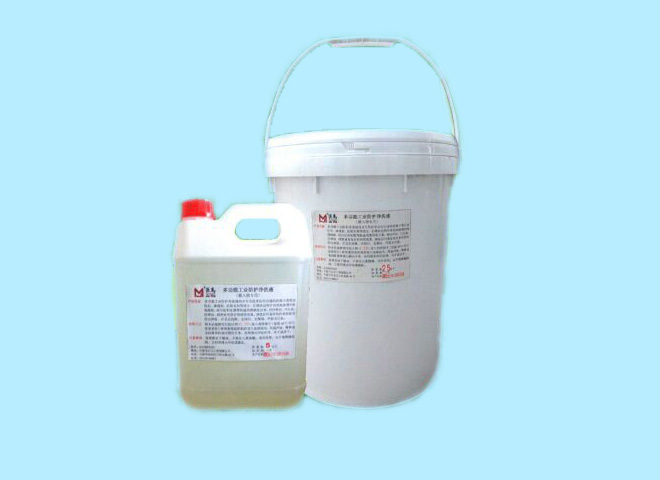
Medical Disinfection Products
Source wholesale Medical Disinfection Products directly from vetted manufacturers and suppliers in China and across Asia. Designed for healthcare distributors, importers, and brands seeking reliable OEM and private-label production, our network ensures strict compliance with global medical standards and reliable supply chains.
Sourcing medical disinfection products at scale requires bridging the gap between chemical efficacy and strict regulatory frameworks. Whether you are importing hospital-grade surface wipes, clinical hand rubs, or instrument sterilization liquids, the primary sourcing challenge lies in maintaining active ingredient stability from the factory floor to the end user. A minor variance in formulation or a substandard packaging seal can render an entire shipment non-compliant or ineffective.
Formulations and Active Ingredient Tolerances
Procuring disinfection consumables is fundamentally a chemical sourcing exercise. Buyers must specify exact concentrations and acceptable variance limits for active ingredients. The most common active agents include Ethanol, Isopropyl Alcohol (IPA), Quaternary Ammonium Compounds (Quats), and Hydrogen Peroxide.
When negotiating with a formulator, specify the exact grade of the raw materials. For instance, medical-grade alcohol must be free of toxic denaturants (like methanol) that are sometimes found in cheaper industrial-grade supplies.
| Active Ingredient | Typical Concentration | Primary Sourcing Challenge |
|---|---|---|
| Ethanol / IPA | 70% to 85% | Evaporation during filling; volatile raw material pricing |
| Quats (Benzalkonium Chloride) | 0.1% to 0.5% | Residue buildup; potential binding with wipe substrates |
| Hydrogen Peroxide | 0.5% to 3.0% | Rapid degradation if exposed to light or reactive packaging |
Need to verify a supplier's formulation capabilities and cleanroom standards before placing a bulk order?
Get a free consultationManufacturing Standards and Factory Validation
Medical disinfection products cannot be produced in standard cosmetic facilities. The manufacturing environment directly impacts the product's shelf life and safety profile. When evaluating a new manufacturing partner, rigorous Factory Audits are non-negotiable.
Key manufacturing requirements to verify:
- Cleanroom Standards: Formulating and filling should occur in ISO Class 7 or ISO Class 8 cleanrooms to prevent particulate and microbial contamination.
- Water Purification: Facilities must use Reverse Osmosis (RO) or Deionized (DI) water systems. Tap water introduces minerals that can neutralize active ingredients like Quats.
- Substrate Compatibility: For disinfection wipes, the non-woven fabric (often spunlace polyester/viscose blends) must not absorb or bind the active ingredient. If the fabric binds the disinfectant, the liquid expressed onto the surface will be under-strength.
Packaging Integrity and Quality Control
The most common point of failure in disinfection products is not the chemical formulation, but the packaging. Alcohol-based products are highly volatile; poor seals lead to evaporation, reducing the concentration below the legally required minimums before the product even reaches your warehouse.
Implementing stringent Quality Control & Inspection protocols at the factory is critical.
Pre-Shipment Inspection Focus Areas
- Seal Integrity Testing: Vacuum leak tests on bottles, canisters, and flexible flow-packs.
- Active Ingredient Titration: Lab testing samples from the production line to ensure concentration matches the specification sheet.
- Weight Verification: Checking gross weight to ensure exact liquid volume per unit, compensating for any evaporation during the filling process.
- Valve and Pump Functionality: Stress-testing dispensing mechanisms for leaks and reliable output.
If you are developing custom packaging or proprietary dispensing mechanisms, utilizing professional OEM/ODM Services ensures that the factory uses chemically compatible plastics (like HDPE or PET) that will not degrade or leach when exposed to harsh disinfectants.
Navigating Compliance and Certifications
Medical disinfectants are heavily regulated, and the requirements shift drastically depending on the destination market and the product's intended use (e.g., human skin vs. medical devices vs. general surfaces).
- United States: Hand sanitizers are regulated by the FDA as Over-The-Counter (OTC) drugs, requiring an NDC number and facility registration. Surface disinfectants are regulated by the EPA under FIFRA.
- European Union: Products may fall under the Biocidal Products Regulation (BPR) or the Medical Device Regulation (MDR) if intended specifically for disinfecting medical devices.
Importers must ensure the factory can provide valid test reports (such as EN 14476 for virucidal activity or ASTM standards) from accredited third-party labs. Proper Compliance & Testing oversight prevents customs seizures and costly recalls.
Typical MOQs, Pricing Drivers, and Lead Times
Pricing in this category is highly sensitive to global raw material indices (especially petroleum for plastics and alcohol) and the cost of the specialized packaging components.
Because packaging minimums (like custom-printed canister labels or specific pump nozzles) often dictate the overall order minimum, buyers can sometimes negotiate lower initial product runs by agreeing to purchase and store the excess packaging materials at the factory for future orders.
Looking to optimize your unit costs and manage complex compliance requirements for your next order?
Talk to our teamFrequently Asked Questions
Successful procurement in the medical disinfection category comes down to controlling volatility—both in the chemical sense and in the supply chain. By defining strict material tolerances, mandating cleanroom production, and enforcing rigorous seal integrity tests, buyers can secure reliable, compliant products that perform exactly as labeled.
Get Sourcing Help for Medical Disinfection Products
Tell us your requirements and our experts will connect you with verified manufacturers.