Medical Caps & Shoe Covers
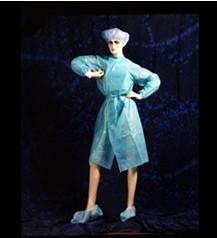
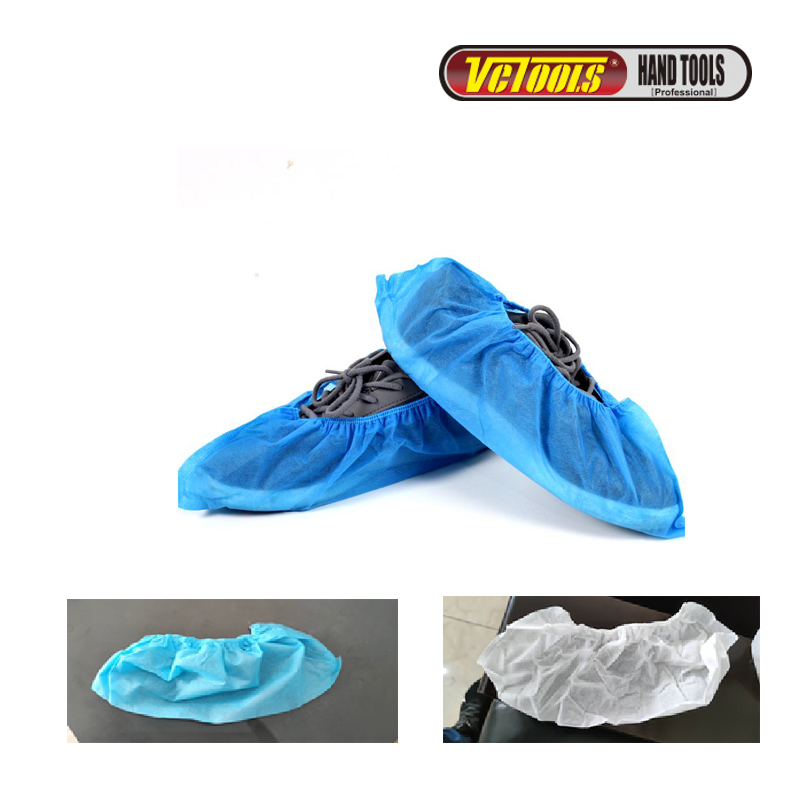
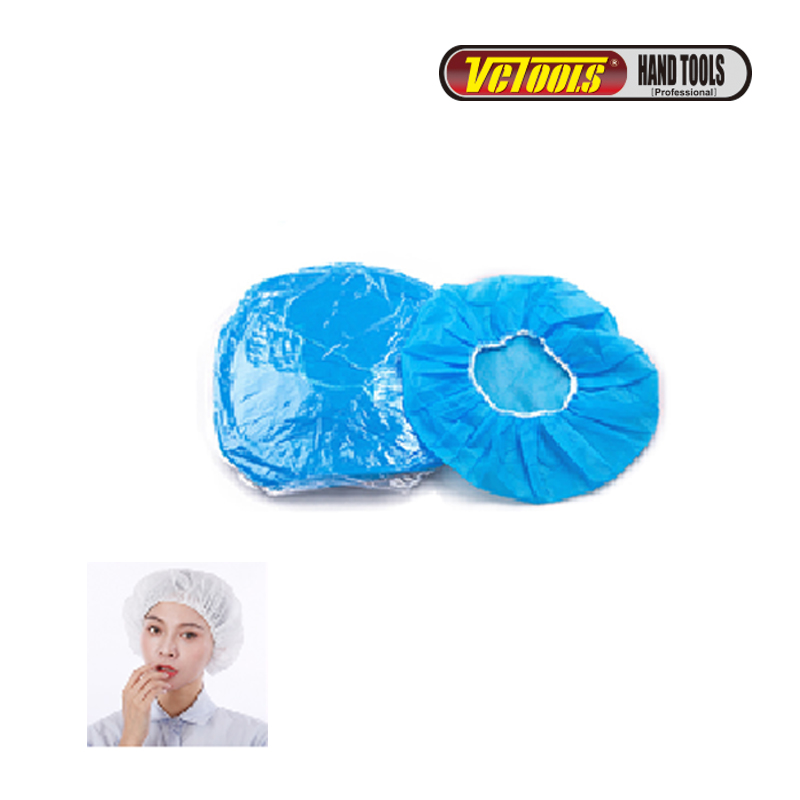
Source premium medical caps and shoe covers in bulk from vetted manufacturers and wholesale suppliers. Tailored for importers, healthcare distributors, and brands seeking reliable OEM and private-label production, our network delivers compliant, high-volume consumables to meet strict facility standards.
Sourcing disposable medical caps and shoe covers in volume requires balancing aggressive unit costs with reliable barrier protection. Because these are high-velocity, single-use consumables, minor inconsistencies in material weight or seam integrity at the factory level can lead to unacceptable failure rates on the clinical floor.
Material Specifications and Barrier Performance
The core cost and performance driver for medical headwear and footwear covers is the non-woven fabric or polymer used. Buyers must clearly specify the material type and weight, typically measured in Grams per Square Meter (GSM) or grams per piece.
| Material Type | Typical Weight | Primary Application | Barrier Profile |
|---|---|---|---|
| Spunbond Polypropylene (PP) | 10 to 30 GSM | Bouffant caps, basic shoe covers | Breathable, low fluid resistance |
| SMS (Spunbond-Meltblown) | 30 to 50 GSM | Surgical caps, premium shoe covers | Moderate to high fluid barrier |
| Chlorinated Polyethylene (CPE) | 2 to 4 grams/piece | Waterproof shoe covers | Complete liquid barrier, non-breathable |
| Microporous Film | 40 to 60 GSM | High-risk surgical environments | Blood and viral penetration resistant |
Specifying the correct GSM is critical. A supplier quoting an unusually low price for SMS shoe covers is often downgrading the GSM from a standard 40 GSM to 25 GSM, severely compromising durability.
Need help standardizing your material specifications across multiple suppliers? We can help you lock in exact GSM and barrier requirements before production begins.
Talk to our teamManufacturing Processes and Quality Vulnerabilities
The method used to join the materials dictates both the production speed and the product's final integrity.
For fluid-resistant applications, ultrasonic welding is mandatory. Traditional stitched seams create needle holes, which act as direct pathways for fluid penetration. When sourcing, always verify the factory's machinery capabilities. A facility relying heavily on manual stitching is unsuitable for high-barrier medical consumables.
Critical Quality Control Checkpoints
To prevent mass defects, implement strict quality control and inspection protocols focusing on the following areas:
Factory-Floor QC Focus Areas
- Elastic Attachment: Verify the tension and ultrasonic weld strength of the elastic bands to prevent snapping during donning.
- Seam Integrity: Conduct stress tests on ultrasonically welded seams to ensure they do not split under standard stretching.
- Material Uniformity: Check for thin spots or uneven meltblown distribution in SMS fabrics.
- Dimensional Accuracy: Ensure the expanded size matches specifications (e.g., 21-inch vs. 24-inch bouffant caps).
Compliance and Facility Verification
Medical consumables, even Class I non-sterile items like basic caps and shoe covers, require strict regulatory adherence depending on your target market (e.g., FDA registration in the US, CE marking under MDR in Europe).
Never accept a supplier's certificates at face value. It is essential to conduct thorough factory audits to verify that their ISO 13485 quality management systems are actively implemented on the floor, not just framed on the wall. Furthermore, independent compliance and testing should be utilized to validate claims regarding fluid resistance (such as AAMI level standards) and flammability.
Buying Mechanics: MOQs, Pricing, and Lead Times
Because these products are manufactured on high-speed automated lines, minimum order quantities (MOQs) are inherently large.
Pricing is highly sensitive to raw material indices (primarily crude oil, which dictates polypropylene resin costs) and currency fluctuations. When negotiating OEM/ODM services for private-label packaging, factor in the cost of custom printed inner dispenser boxes, which typically adds a few cents per unit but significantly increases brand value for distributors.
Managing high-volume consumable orders requires precise coordination. Let us help you negotiate pricing and manage the production schedule.
Get a free consultationFrequently Asked Questions
Successfully sourcing medical caps and shoe covers means securing a supply chain that won't compromise on material weight or seam quality to hit a price point. By strictly defining your GSM, enforcing ultrasonic welding standards, and verifying factory compliance, you can build a reliable, high-margin consumable catalog.
Get Sourcing Help for Medical Caps & Shoe Covers
Tell us your requirements and our experts will connect you with verified manufacturers.