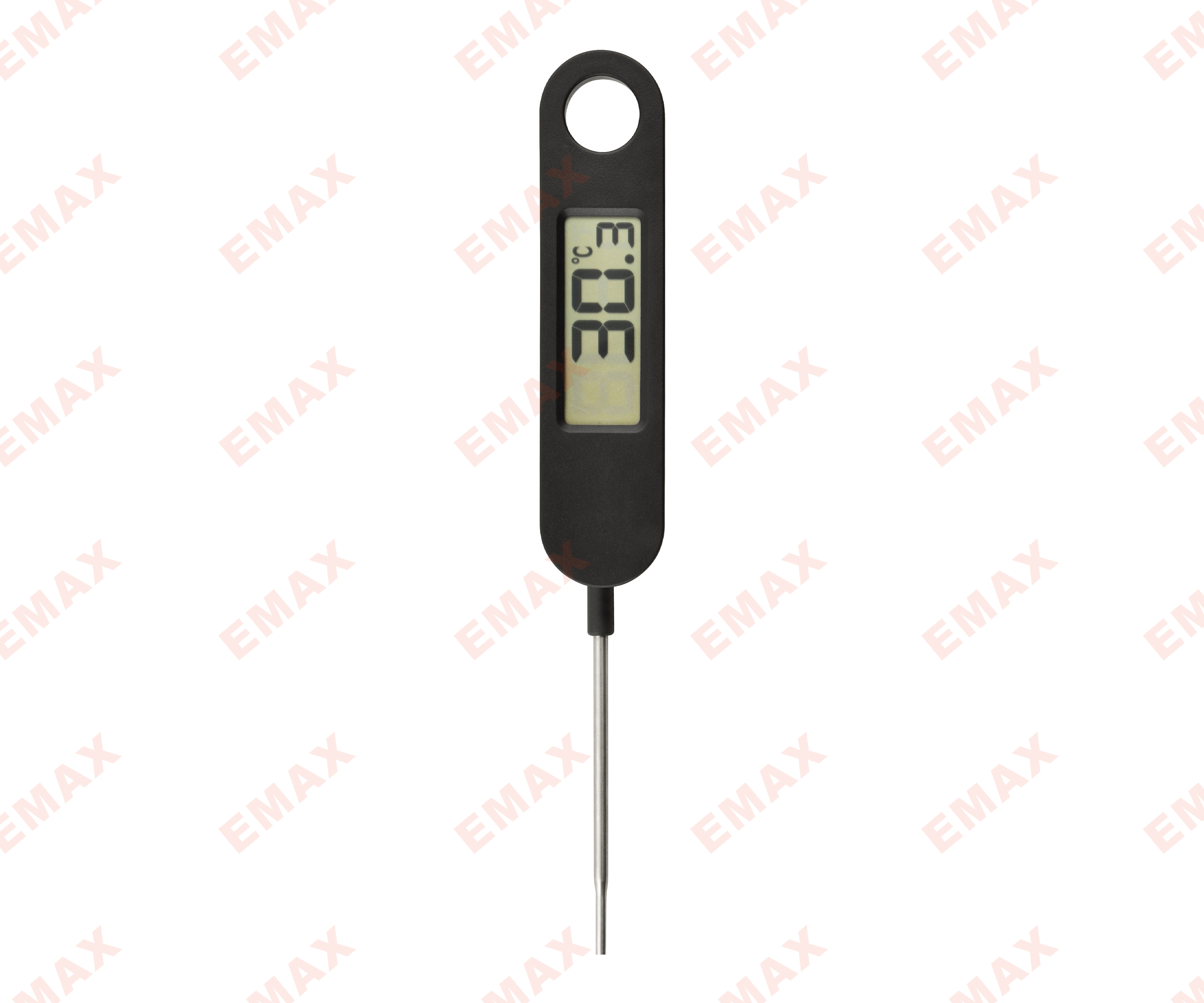
Meat & Poultry Tools
Source high-quality meat and poultry tools directly from vetted manufacturers and wholesale suppliers. Built for importers, distributors, and brands seeking OEM/ODM production, our factory-direct catalog ensures durable, food-safe kitchenware engineered for volume retail and commercial procurement.
Sourcing meat and poultry tools at scale requires navigating a complex matrix of food-contact regulations, material durability, and assembly quality. From heavy-duty zinc-alloy tenderizers to precision-forged poultry shears, the difference between a retail success and a costly recall usually comes down to factory-level material verification and strict tooling standards.
Material Specifications and Manufacturing
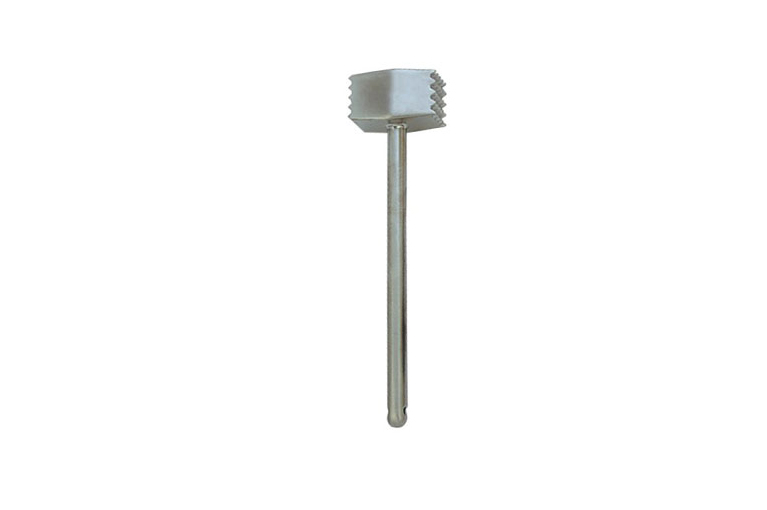
The core of any meat tool is its material composition. Die-cast zinc and aluminum dominate heavy impact tools like meat mallets, while stainless steel is non-negotiable for shears, injector needles, and blade tenderizers. For bladed items, the Rockwell Hardness (HRC) must be specified; standard poultry shears should hit HRC 52 to 55 to maintain an edge through bone and cartilage without becoming brittle.
| Material | Primary Application | Durability Profile | Cost Impact |
|---|---|---|---|
| Zinc Alloy | Heavy mallets, tenderizers | High impact resistance, requires plating | Moderate to High |
| Aluminum Alloy | Lightweight tenderizers | Prone to oxidation if unanodized | Low to Moderate |
| 420J2 Stainless Steel | Shear blades, cutting tools | Excellent hardness, good corrosion resistance | Moderate |
| 304 Stainless Steel | Injectors, handles, hardware | Maximum corrosion resistance, food safe | High |
Handles require food-grade ABS or Polypropylene (PP), often over-molded with TPR (Thermoplastic Rubber) for slip resistance. The injection molding process must be tightly controlled to prevent flash or gaps where the handle meets the metal, as these crevices can harbor bacteria from raw meat.
Need to verify a factory's die-casting or forging capabilities? Let's discuss your product specifications and manufacturing requirements.
Talk to our teamQuality Control and Food Safety Compliance
Kitchen tools handling raw meat face stringent food-contact regulations. US markets require FDA compliance (specifically 21 CFR), while the EU demands LFGB certification, which is notably stricter on heavy metal migration in alloys and plastics.
Critical QC Checks for Meat Tools
- Salt spray testing (typically 48 hours) to verify corrosion resistance on plated zinc or steel.
- Pull-force testing on handles to ensure blades or mallet heads do not detach under heavy use.
- Heavy metal migration testing to guarantee food safety compliance (LFGB/FDA).
- Spring fatigue testing for poultry shears to ensure longevity of the return mechanism.
- Visual inspection for injection molding flash and smooth passivation on metal surfaces.
Incorporating rigorous Quality Control & Inspection during production ensures that these standards are met before the goods leave the factory floor. If you are developing custom tools or introducing new materials, comprehensive Compliance & Testing must be integrated into your timeline before mass production begins.
Production Hubs, MOQs, and Pricing Realities
China's kitchenware manufacturing is highly specialized by region. Yangjiang in Guangdong province is the undisputed hub for shears and bladed tools, offering deep supply chains for forging and heat treatment. Yongkang in Zhejiang province excels in hardware and die-casting, making it the ideal sourcing region for heavy tenderizers and alloy-based tools.
Pricing is heavily sensitive to raw material fluctuations (particularly zinc and steel) and the level of finishing required. Mirror polishing, for example, requires significantly more manual labor than sandblasting or tumbling, impacting your unit cost. Buyers utilizing OEM/ODM Services should lock in material specifications early to avoid "fade" where factories substitute lower-grade alloys to maintain margins.
Planning a custom private-label run? We can help you negotiate tooling costs and manage production schedules.
Get a free consultationFrequently Asked Questions
Securing Your Supply Chain
Sourcing meat and poultry tools in volume demands rigorous oversight from raw material selection to final assembly. By prioritizing material integrity, mechanical durability, and food-contact compliance, you protect your brand reputation and your margins. When you need experienced boots on the ground to manage your next procurement cycle and hold factories accountable, our sourcing team is ready to execute.
Get Sourcing Help for Meat & Poultry Tools
Tell us your requirements and our experts will connect you with verified manufacturers.