Meat Mixers
Source commercial-grade Meat Mixers from vetted suppliers and manufacturers across Asia. Designed for importers, wholesalers, and brands seeking reliable OEM production, this catalog connects you with high-capacity processing equipment built to meet rigorous food safety and operational standards.
Sourcing commercial meat mixers requires balancing high-torque motor reliability with stringent food-grade sanitation standards. When procuring these units in volume, the primary challenge lies in verifying that a manufacturer's claims about steel grades, motor duty cycles, and IP ratings hold up under rigorous factory washdown conditions. Success in this category depends on looking past the spec sheet and scrutinizing the factory's engineering tolerances, welding quality, and component sourcing.
Core Specifications and Drive Systems
For commercial and industrial applications, the drive system and paddle configuration dictate the machine's efficiency and lifespan. Buyers must specify the exact operational requirements to ensure the factory uses appropriate gearboxes and motors, rather than cheaper, light-duty alternatives.
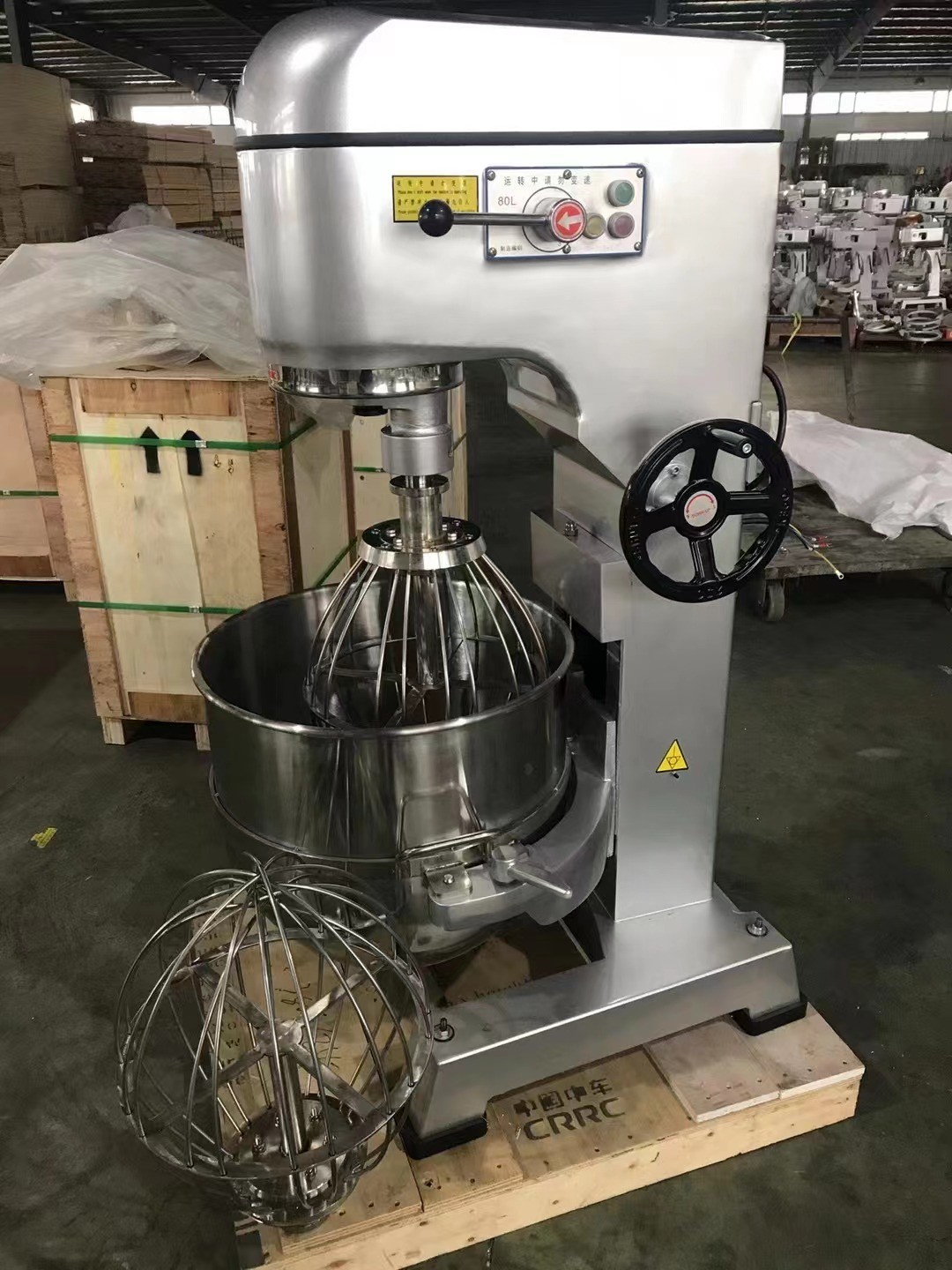
When defining your product requirements, pay close attention to the transmission type. Direct-drive gear motors are preferred for heavy, viscous mixes (like sausage batter) because they eliminate the slip and maintenance issues associated with belt-driven or chain-driven models. Additionally, if you are utilizing OEM/ODM Services to develop custom equipment, you must specify the paddle style—such as Z-arm, ribbon, or paddle—based on the end-user's primary meat product.
Need help verifying supplier specifications or engineering a custom meat mixer line?
Talk to our teamMaterial Grades and Sanitation Standards
Food processing equipment lives or dies by its ability to be cleaned quickly and thoroughly. The metal used, the quality of the welds, and the electrical enclosures must all withstand daily chemical washdowns.
| Material Grade | Typical Application | Washdown Durability |
|---|---|---|
| SUS201 | Budget/Light commercial | Low - prone to rust over time |
| SUS304 | Standard commercial processing | High - industry standard |
| SUS316 | High-salinity/corrosive environments | Maximum - premium tier |
A common factory shortcut is using SUS304 for the food-contact surfaces (the hopper and paddles) but substituting cheaper SUS201 or painted carbon steel for the frame and motor housing. You must explicitly specify "full SUS304 construction" if your market demands it. Furthermore, all internal welds must be continuous TIG welds, ground flush, and polished to a surface roughness (Ra) of under 0.8 micrometers to prevent bacterial harborage.
Conducting thorough Factory Audits before placing an order is the most effective way to verify a manufacturer's metal fabrication and polishing capabilities.
Quality Control on the Factory Floor
Catching defects before the equipment leaves the factory is critical; returning heavy machinery from overseas is rarely economically viable.
Critical Factory Inspection Points
- Motor load testing under maximum rated capacity to check for overheating.
- Verification of safety interlocks (e.g., the machine must stop instantly when the lid is lifted).
- Inspection of shaft seals to ensure meat juices cannot penetrate the gearbox or motor housing.
- Confirmation of IP65 or higher ratings for all switches, relays, and electrical enclosures.
- Measurement of the gap between the paddle and the hopper wall to ensure efficient mixing without grinding metal.
Implementing rigorous Quality Control & Inspection protocols ensures these functional and safety checks are performed on every unit, or at a statistically significant AQL, before container loading.
Pricing Drivers, MOQs, and Lead Times
Pricing in the meat mixer category is highly dependent on motor origin, steel thickness, and electronic components. A machine utilizing domestic Chinese motors and standard contactors will cost significantly less than one built with imported Siemens PLCs and SEW-Eurodrive gear motors.
Minimum Order Quantities (MOQs) scale inversely with machine size. Small countertop commercial mixers (20L to 50L) typically require MOQs of 20 to 50 units. Large industrial vacuum mixers (200L and above) can often be sourced with MOQs of 1 to 5 units. Lead times generally range from 30 to 45 days for standard models, though custom tooling or specialized electrical configurations for specific Compliance & Testing requirements (like strict UL/NSF standards for the US market) can extend this to 60 days or more.
Managing lead times, quality control, and compliance across heavy equipment orders is complex. Let us streamline your supply chain.
Get a free consultationFrequently Asked Questions
When sourcing commercial meat mixers, the total cost of ownership is far more important than the initial FOB price. A machine that suffers a gearbox failure or fails a health inspection due to poor welding will cost your end-users—and your brand's reputation—dearly. Focus your procurement strategy on verifiable material grades, robust drive systems, and suppliers with proven track records in heavy-duty food processing equipment.
Get Sourcing Help for Meat Mixers
Tell us your requirements and our experts will connect you with verified manufacturers.