Measuring Tools
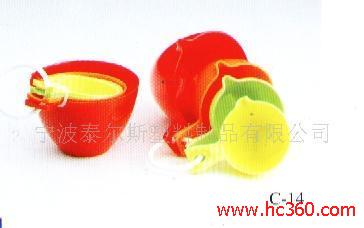
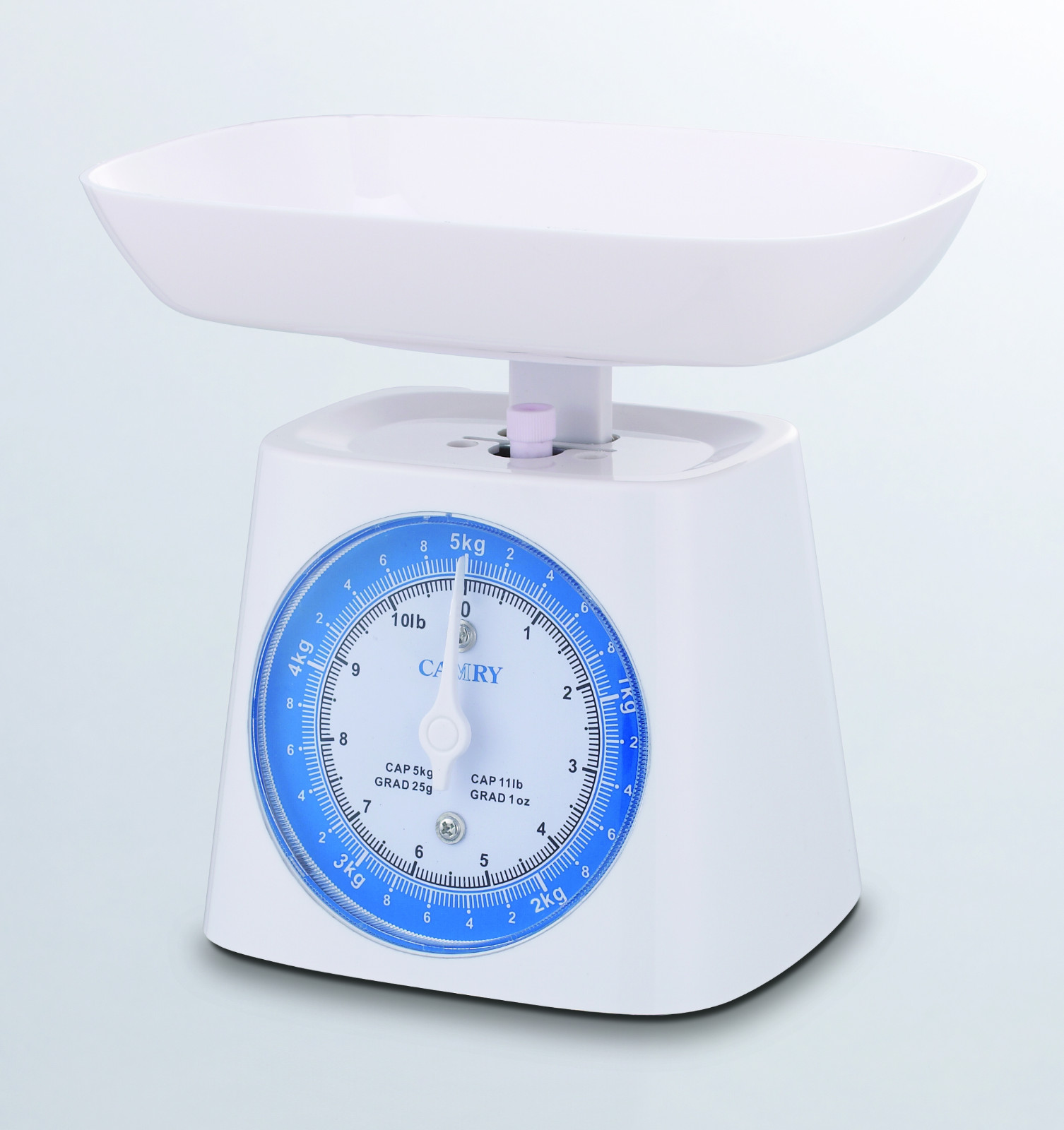
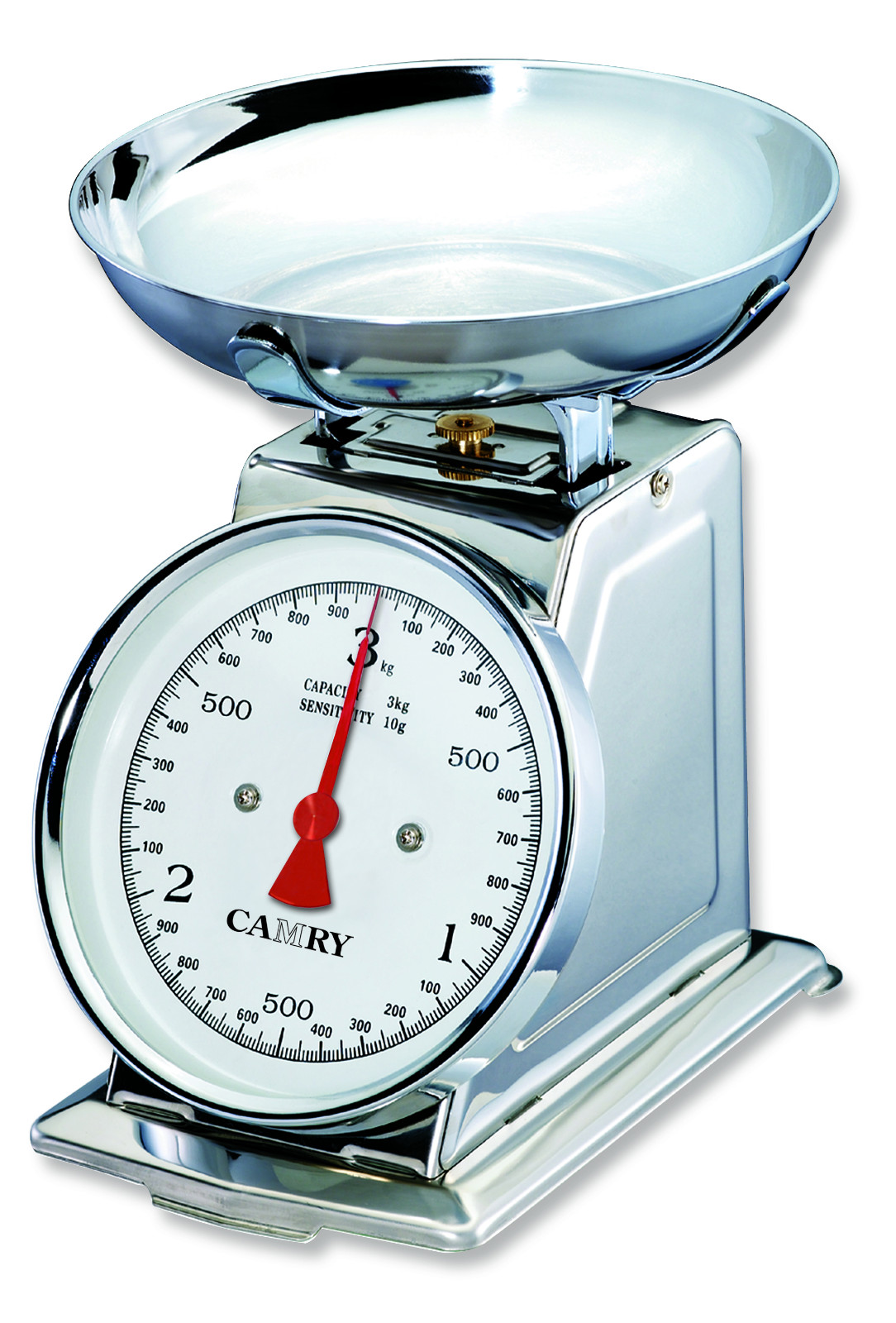
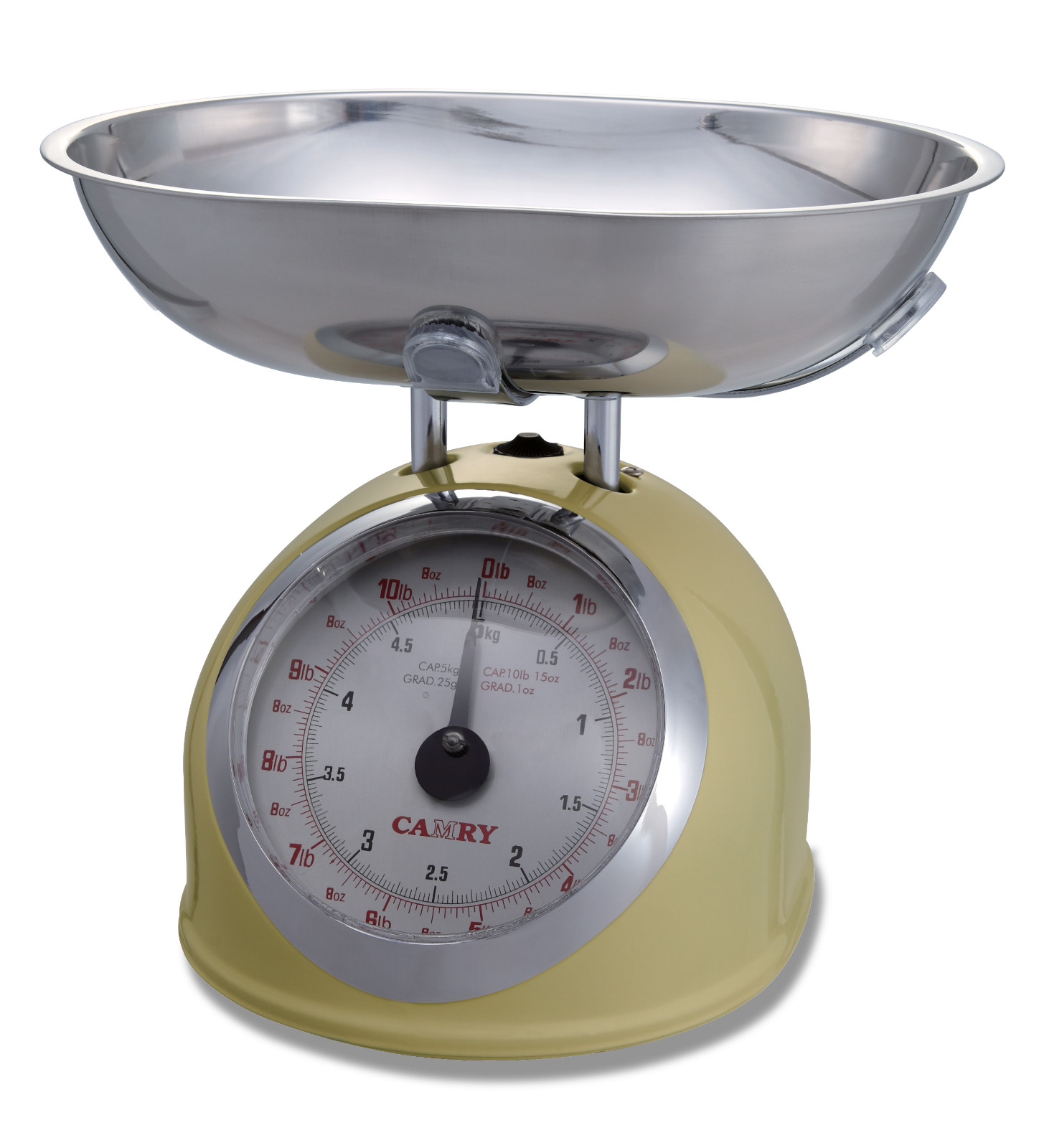
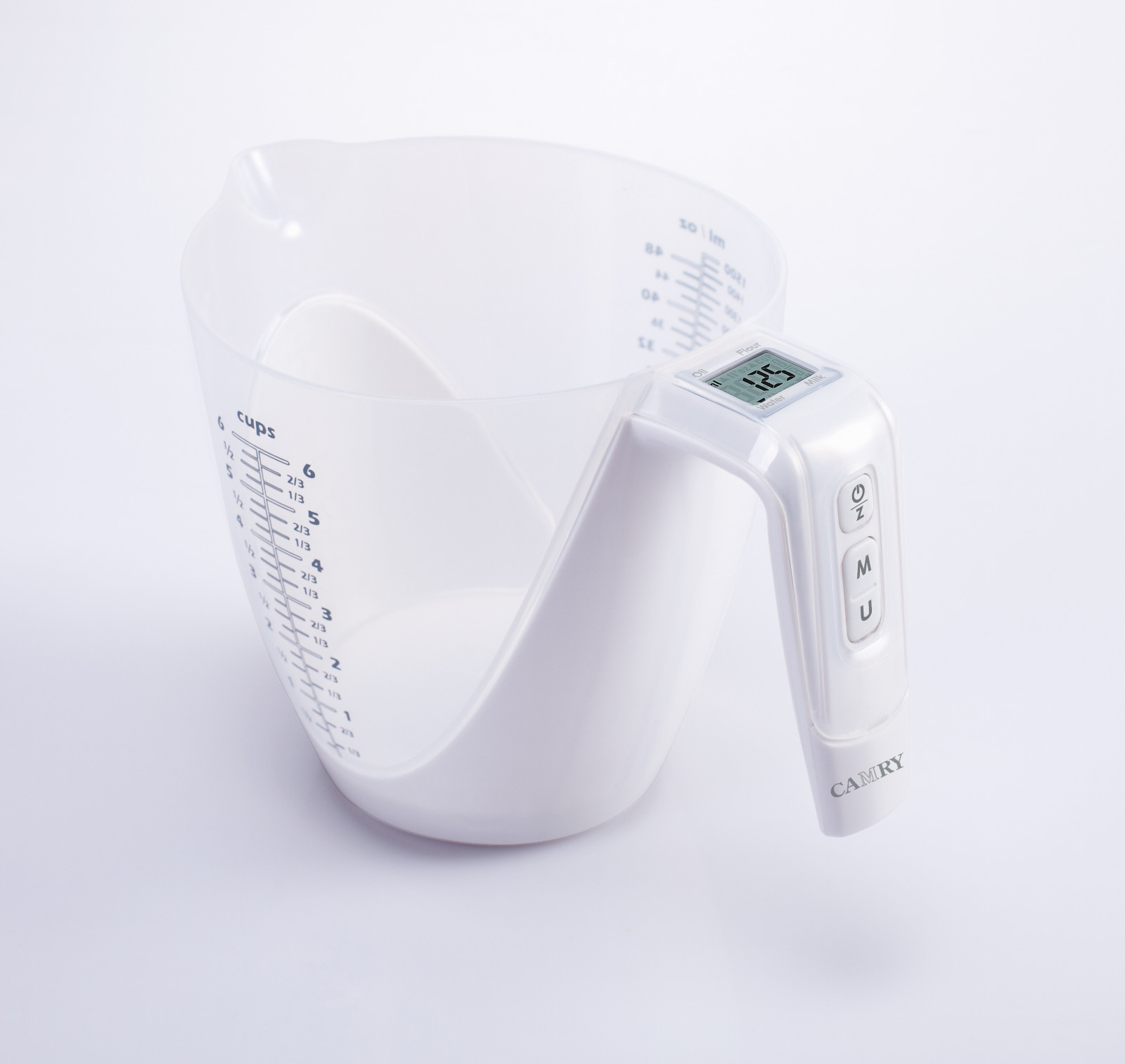
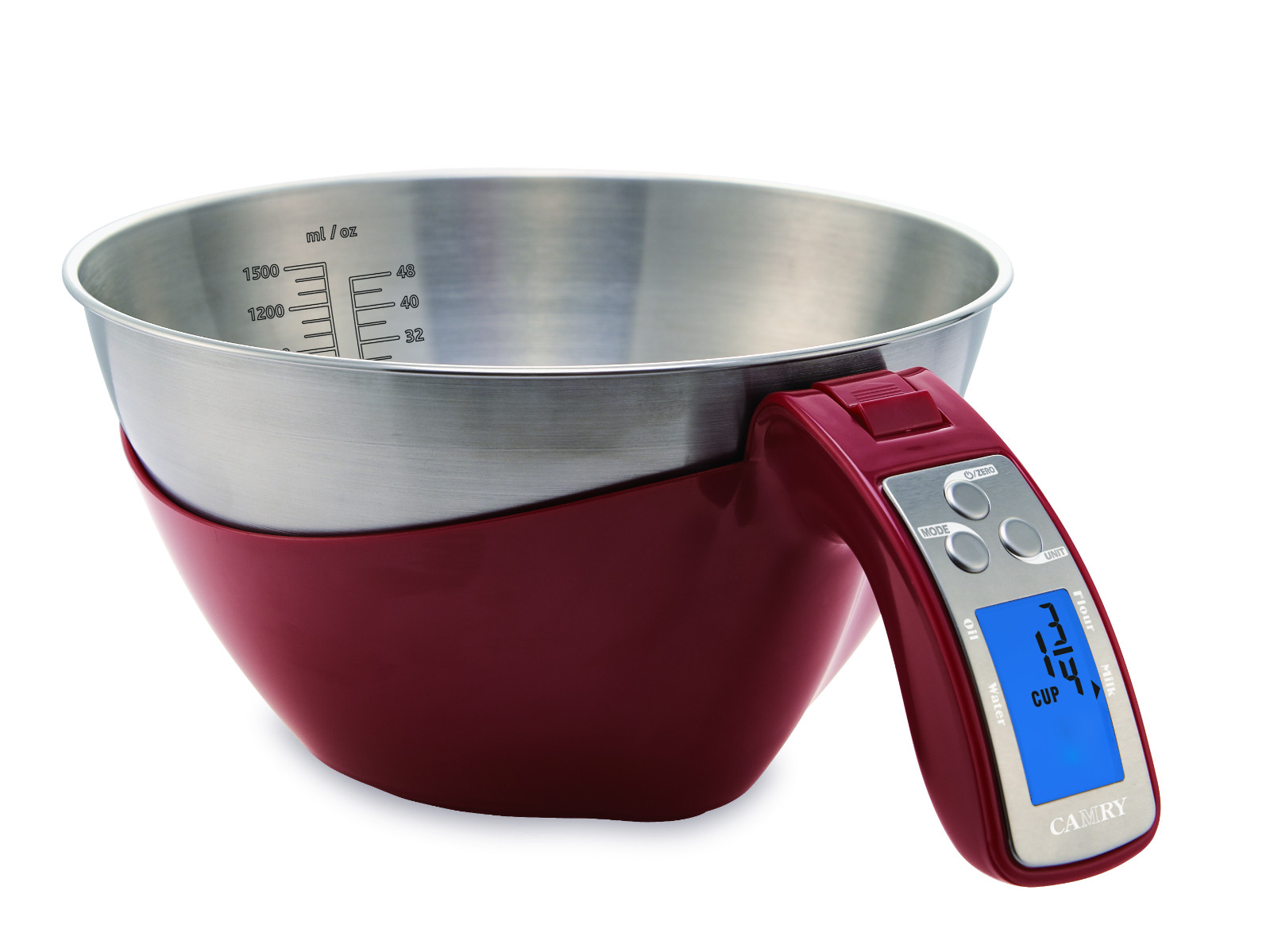
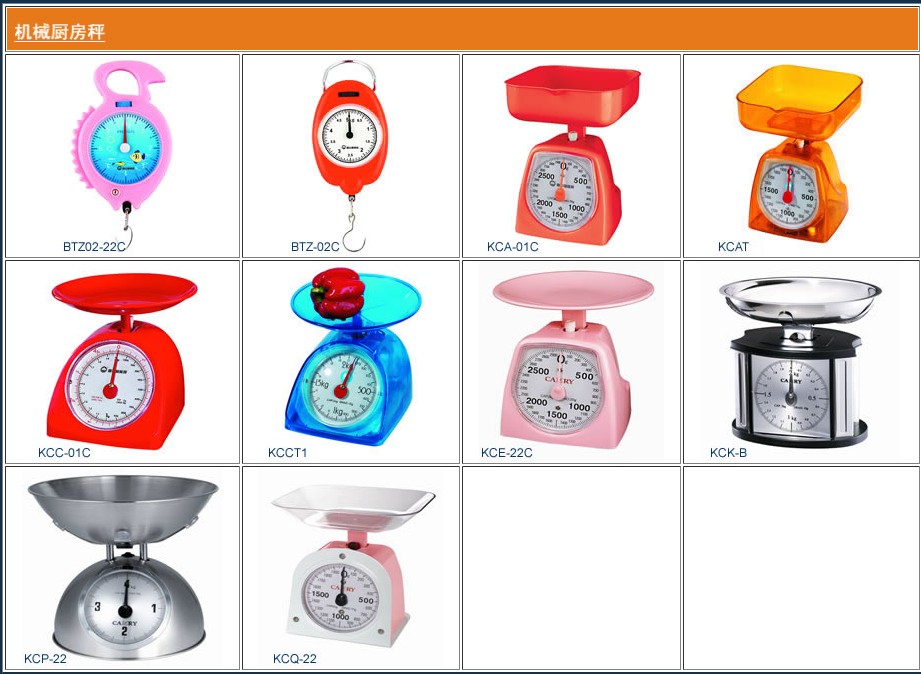
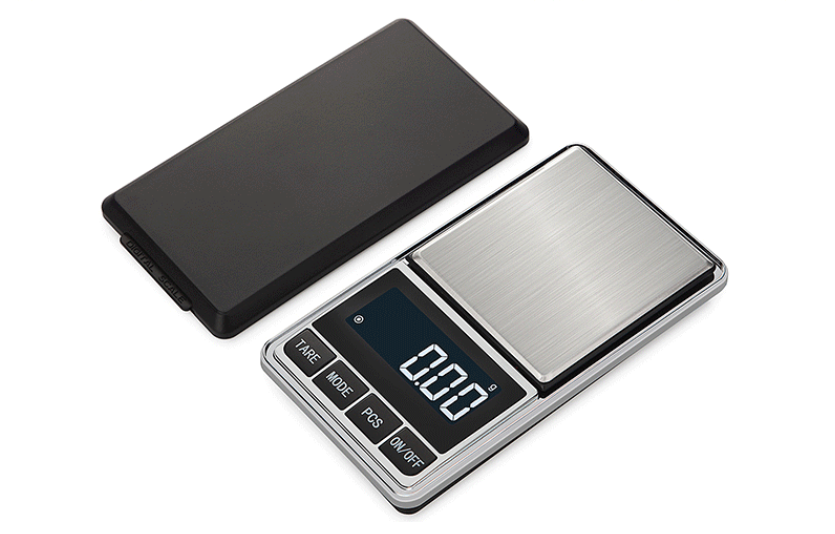
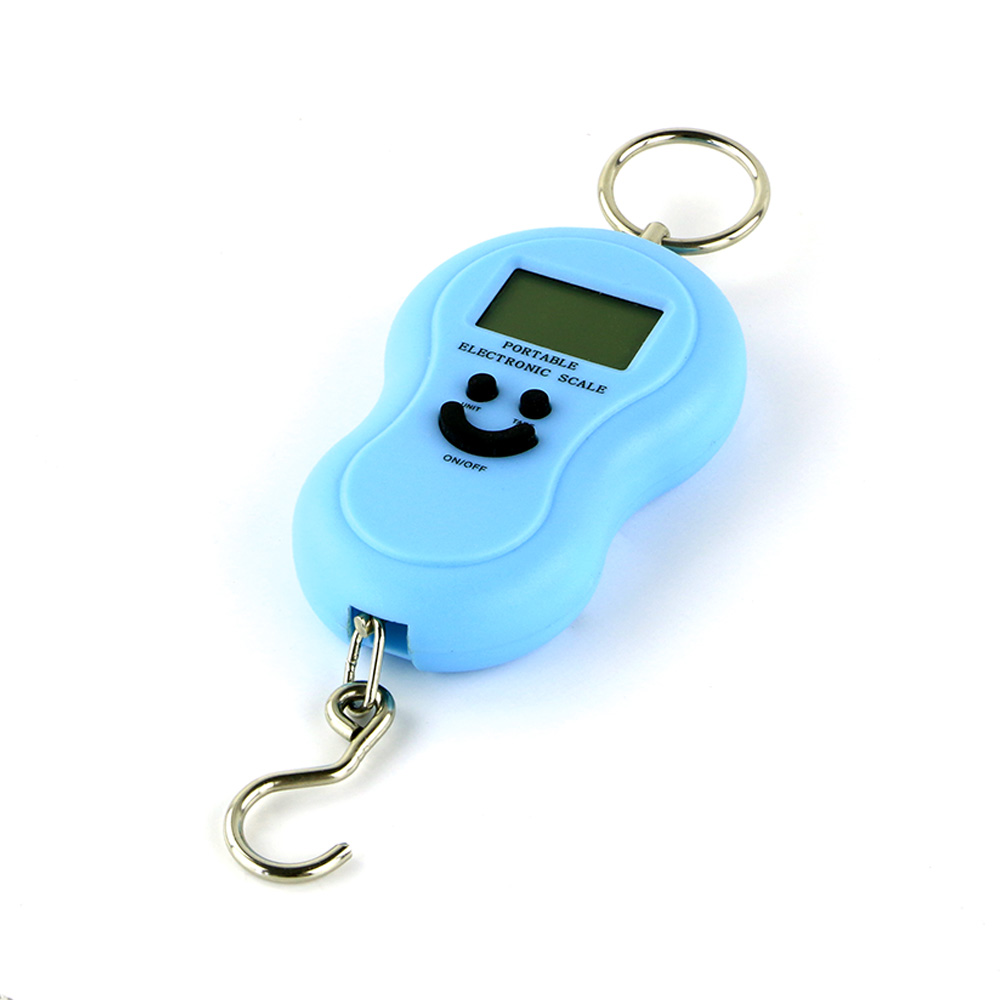
Source bulk measuring tools from vetted Chinese manufacturers and suppliers. Designed for importers, wholesalers, and kitchenware brands requiring reliable OEM and private-label production. Ensure food-grade compliance and precise calibration across your entire order volume.
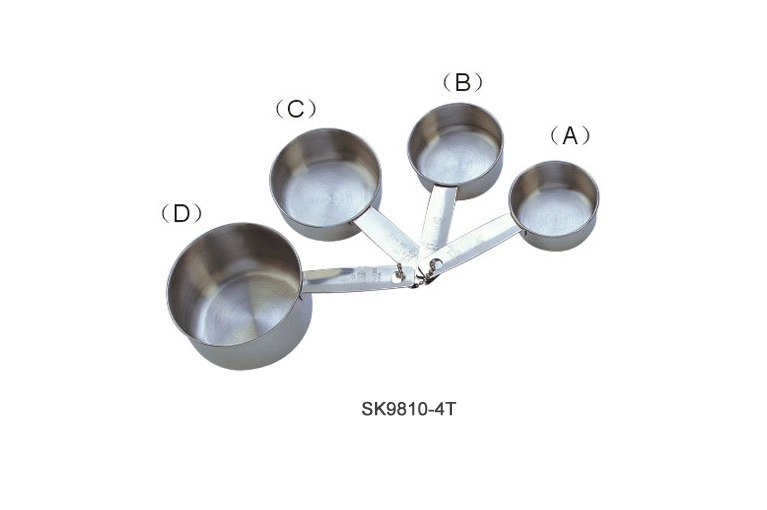
Sourcing kitchen measuring tools at volume requires balancing strict food-contact compliance with precise manufacturing tolerances. Whether you are importing basic plastic measuring spoon sets or premium stainless steel liquid measuring cups, the core challenge remains consistent: ensuring accurate volumetric calibration, highly durable measurement markings, and verified food-safe materials across high-volume production runs.
Material Specifications and Compliance
The foundational decision in sourcing measuring tools is material selection, which dictates both your unit cost and your target market compliance. Kitchenware plastics and metals must pass stringent migration tests depending on the destination market.
For plastics, Polypropylene (PP) is the standard for cost-effective, opaque measuring sets. However, for clear liquid measuring jugs, buyers must choose between SAN (Styrene Acrylonitrile), which is affordable but prone to cracking, and Tritan (copolyester), which offers premium shatter-resistance and BPA-free clarity.
For stainless steel, the alloy grade directly impacts rust resistance, especially for items frequently exposed to dishwashers and acidic ingredients.
| Material Grade | 304 (18/8) | 430 (18/0) | 201 |
|---|---|---|---|
| Corrosion Resistance | Excellent | Moderate | Poor |
| Magnetic | No | Yes | Yes |
| Typical Use Case | Premium retail brands | Mid-market sets | Budget/Promotional |
Navigating the difference between FDA (US) and LFGB (Europe) standards is critical. LFGB testing is significantly stricter regarding heavy metal and chemical migration. Failing to specify the correct standard before production can result in seized shipments. Engaging proper Compliance & Testing protocols early in the sourcing phase is non-negotiable for serious importers.
Manufacturing and Marking Durability
A measuring tool is only as good as its legibility. The method used to apply volume indicators (milliliters, cups, ounces) is a primary differentiator between budget and premium products.
Pad printing or silk-screening is common on plastic and low-end metal tools, but these markings often fade after repeated dishwasher cycles. For lasting quality, mechanical or laser-based marking is required.
Permanent Marking Methods for Metal Tools
Advantages
- Stamping/Debossing: Extremely durable, cannot be washed away.
- Stamping/Debossing: Cost-effective for high-volume runs once tooling is paid.
- Laser Etching: Highly precise and allows for intricate brand logos.
- Laser Etching: Leaves a smooth surface that does not trap food particles.
Disadvantages
- Stamping/Debossing: Deep stamps can distort the metal if the gauge is too thin.
- Stamping/Debossing: Grooves can collect debris if not properly polished.
- Laser Etching: Slower production time per unit, slightly increasing costs.
- Laser Etching: Contrast can fade slightly over years of abrasive scrubbing.
Need help verifying supplier material grades and compliance testing capabilities before you commit to a high-volume order?
Talk to our teamQuality Control and Factory Verification
The manufacturing of measuring tools involves injection molding for plastics or deep-drawing and stamping for metals. Inconsistent machine calibration or poor mold maintenance leads to flashing on plastic edges, sharp burrs on metal handles, or inaccurate volumetric capacities.
Conducting thorough Factory Audits ensures your chosen supplier has well-maintained tooling equipment and an organized raw material storage system to prevent cross-contamination of metal grades.
During production, your Quality Control & Inspection checklist must go beyond visual defects:
Critical QC Checks for Measuring Tools
- Volumetric Accuracy: Water-weight testing to ensure volumes are within a 2 percent tolerance.
- Salt Spray Testing: 24-hour or 48-hour tests to verify the stainless steel grade and rust resistance.
- Handle Spot-Welding: Stress testing the weld points on metal measuring cups to ensure they do not snap under load.
- Edge Finishing: Checking for sharp burrs on stamped metal edges or plastic flashing on injection-molded seams.
- Marking Adhesion: 3M tape tests for any printed logos or measurement indicators.
Pricing, MOQs, and Production Economics
Tooling costs for measuring tools are generally lower than larger kitchen appliances, making this an excellent category for custom designs. If you are pursuing OEM/ODM Services to create custom handle shapes, nesting features, or proprietary measurement increments, expect moderate upfront mold fees that can often be amortized over your first few production runs.
Planning a custom tooling project or looking to consolidate your kitchenware supply chain?
Get a free consultationFrequently Asked Questions
Success in sourcing measuring tools comes down to controlling the unseen details: the exact alloy of the metal, the permanence of the measurement markings, and the strict adherence to volumetric tolerances. By standardizing your specifications and enforcing rigorous quality control at the factory level, you ensure a reliable, compliant product that builds brand trust.
Get Sourcing Help for Measuring Tools
Tell us your requirements and our experts will connect you with verified manufacturers.