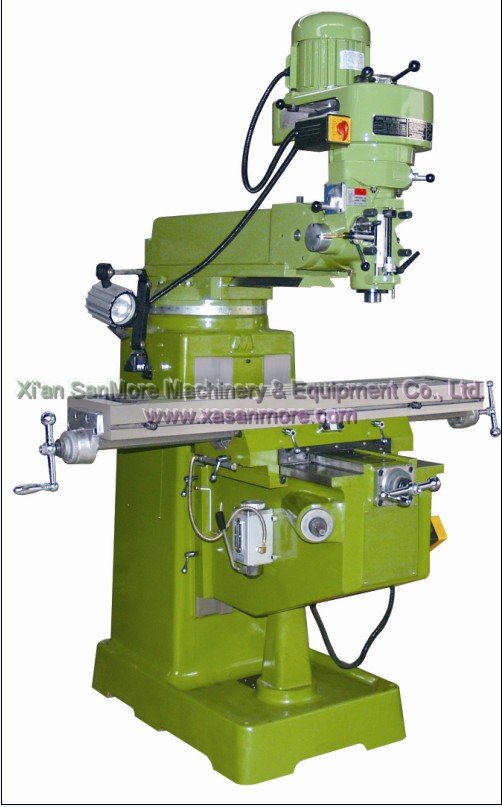
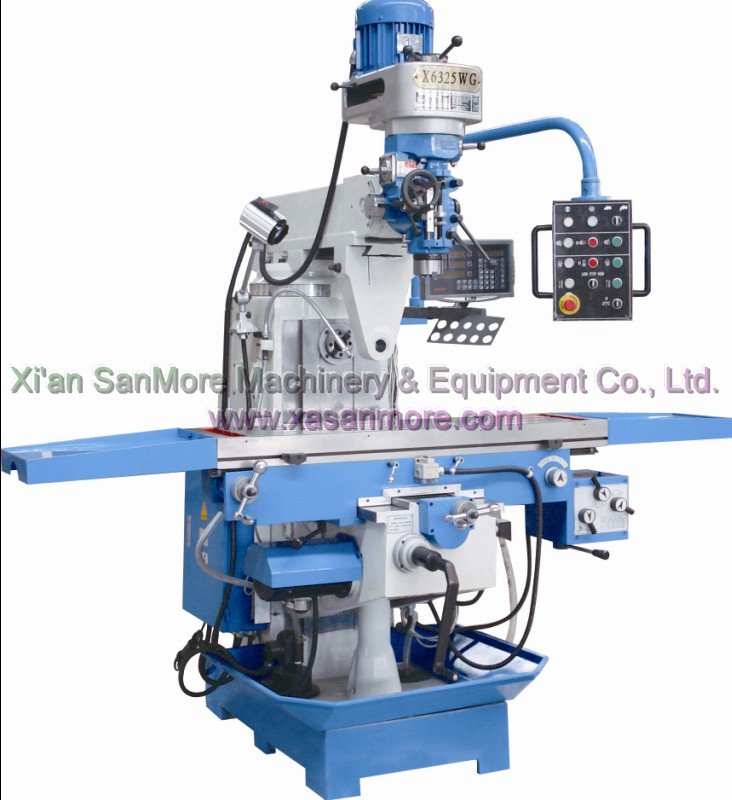
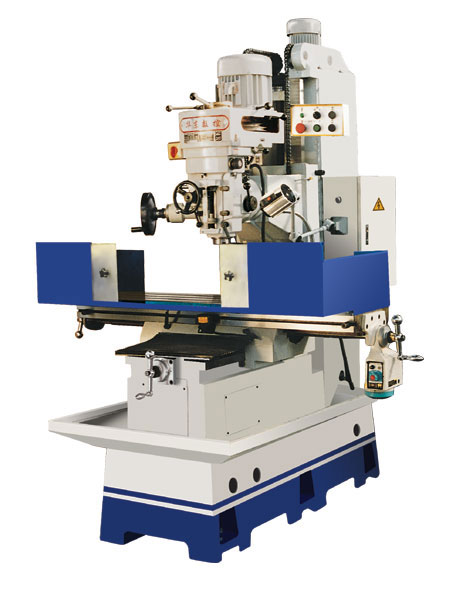
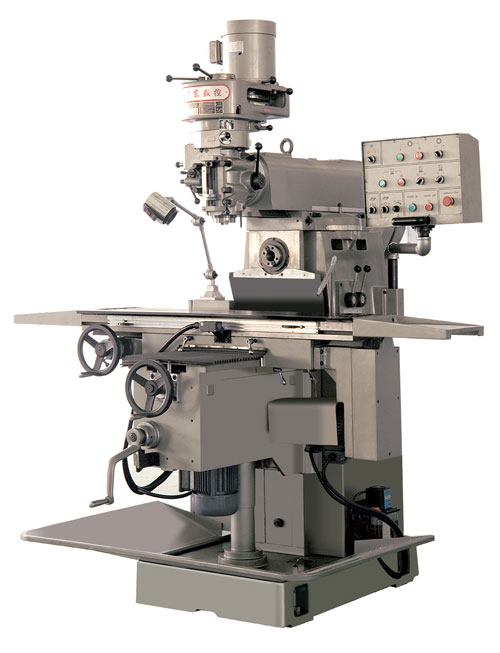
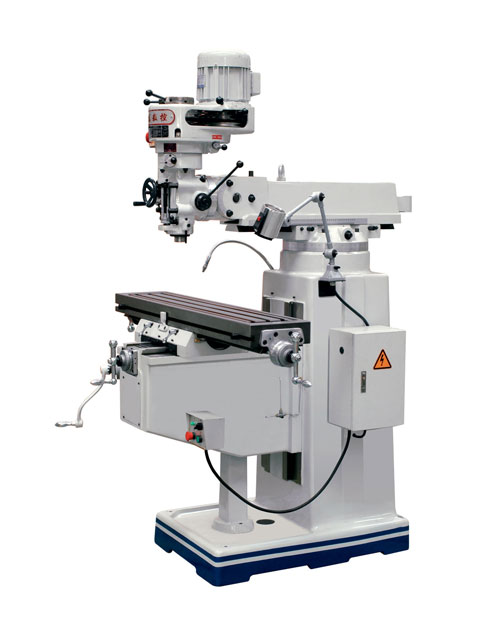
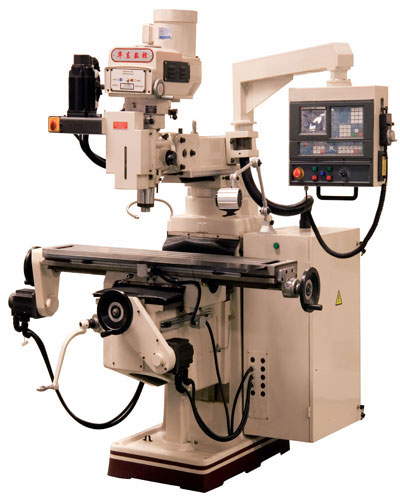
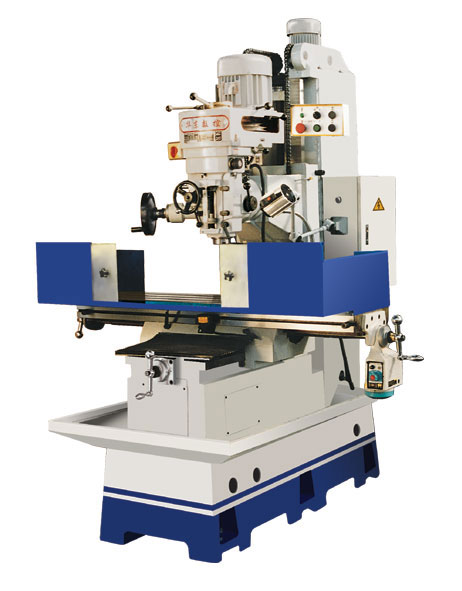
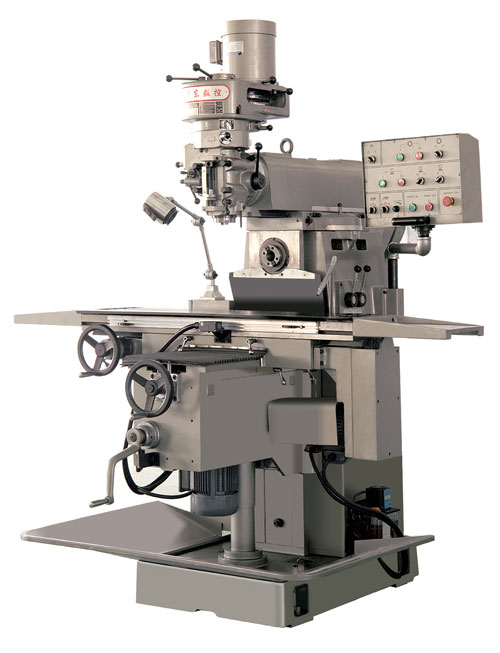
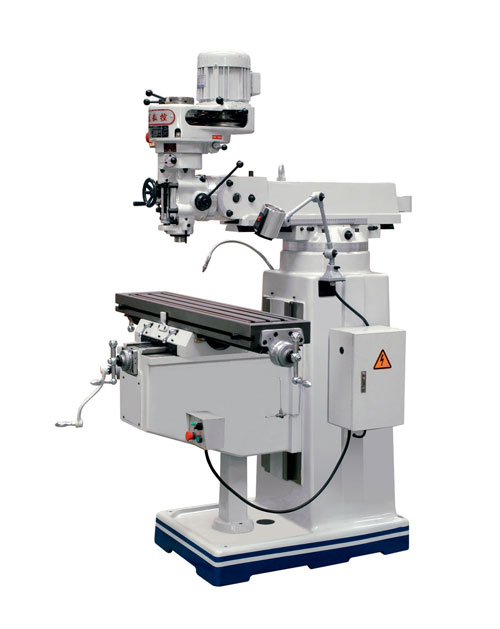
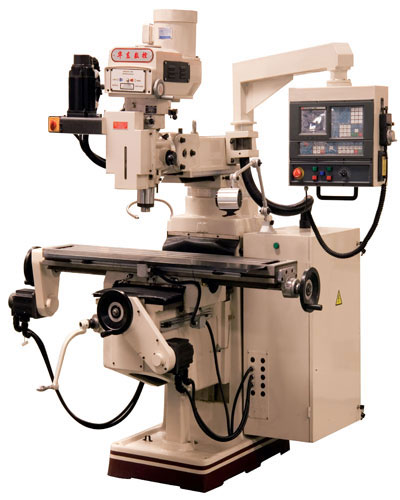
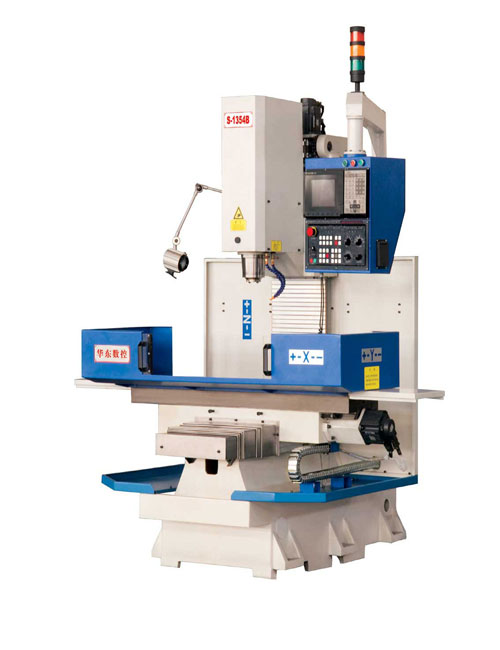
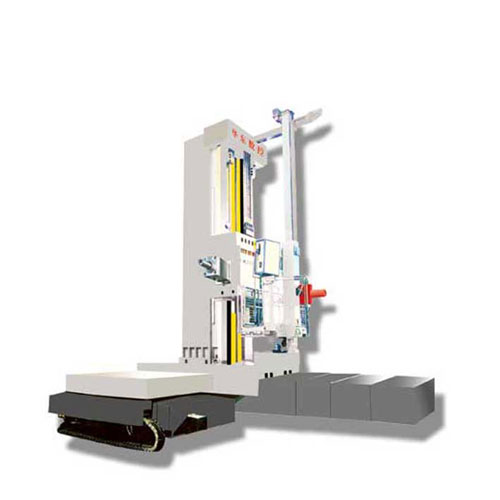
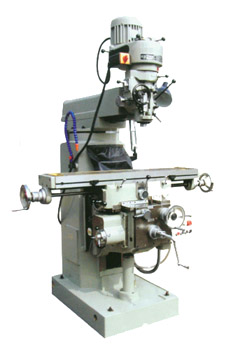
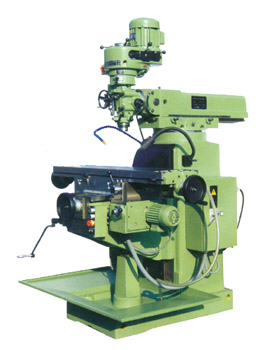
Manual Mills
Source industrial-grade manual mills from vetted suppliers and manufacturers across Asia. Designed for machinery importers, wholesale distributors, and equipment procurement managers, our network provides reliable bulk purchasing and OEM manufacturing. Ensure precision and durability for your machine tool catalog.
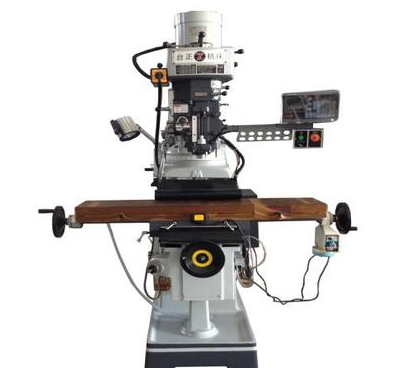
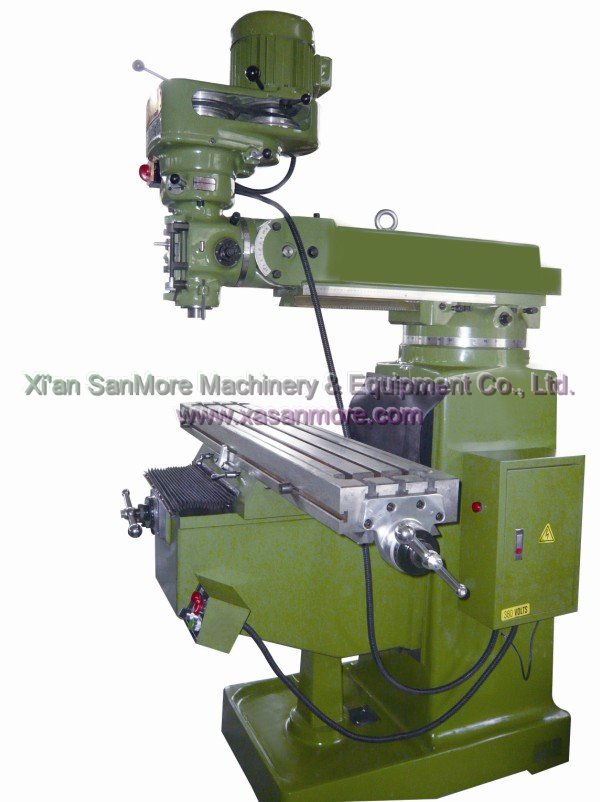
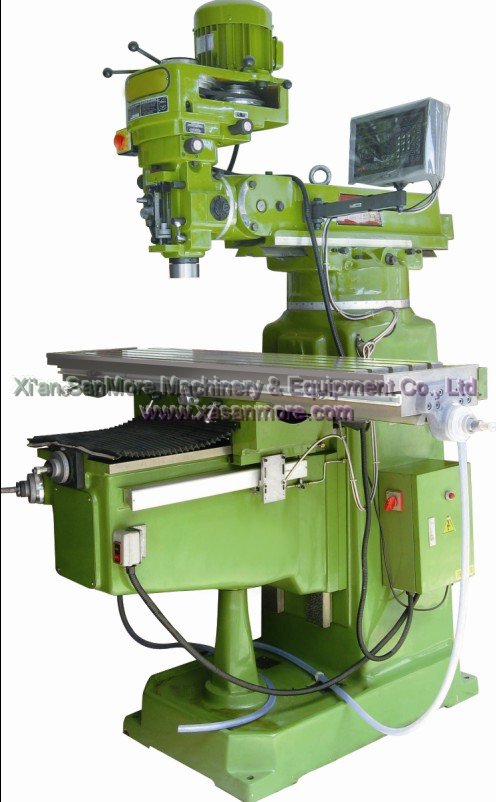
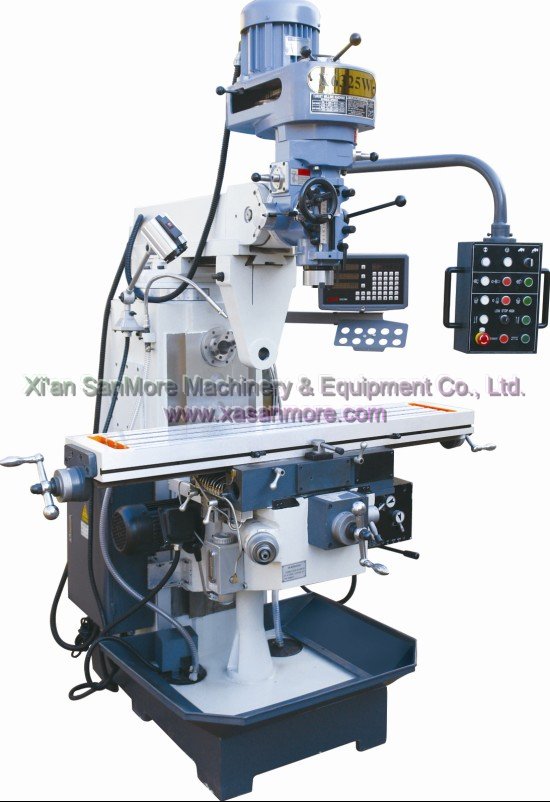
Manual milling machines remain a cornerstone for tool rooms, maintenance shops, and educational facilities where CNC equipment is unnecessary or cost-prohibitive. Sourcing these machines in bulk or under a private label requires navigating a complex supply chain of foundries, machining centers, and assembly facilities. The primary challenge is ensuring consistency in casting rigidity, spindle precision, and geometric accuracy across production runs, rather than just securing a low unit price.
Specifying Manual Mills for Production
When negotiating with manufacturers, vague specifications lead to inconsistent machine performance. You must define the core mechanical parameters to ensure the factory quotes the correct grade of equipment.
Beyond table size and travel distances (X, Y, and Z axes), the type of guideway significantly impacts the machine's rigidity and intended application.
| Guideway Type | Characteristics | Best Application |
|---|---|---|
| Dovetail Ways | Lighter, smoother movement, easier to adjust with gibs. | Knee mills, light-to-medium duty machining. |
| Box Ways | Maximum rigidity, higher friction, superior vibration dampening. | Bed mills, heavy cutting, hard materials. |
Need reliable machine tool manufacturers? We vet foundries and assembly plants to ensure your manual mills meet strict tolerance requirements.
Talk to our teamManufacturing Variables and Quality Control
The lifespan of a manual mill is determined long before assembly. Quality is won or lost in the foundry and during the machining of the main structural components.
Casting and Stress Relief
High-quality mills use Meehanite or high-tensile cast iron. Castings must undergo proper natural or artificial aging (vibratory stress relief) to prevent warping after machining.
Guideway Preparation
Mating surfaces should be precision ground and hand-scraped. Look for Turcite-B coating on the ways to reduce stick-slip and wear.
Spindle Assembly
The spindle cartridge must be assembled in a clean-room environment using P4 (ABEC 7) class precision angular contact bearings.
Verifying these steps requires an on-site presence. Relying solely on a factory's internal testing reports is risky. Conducting rigorous factory audits prior to placing an order ensures the supplier actually possesses the necessary grinding and hand-scraping capabilities. Furthermore, implementing strict quality control & inspection before the machines are crated is critical to catch geometric alignment issues before shipment.
Pricing Drivers and Supply Chain Mechanics
The cost of a manual mill fluctuates heavily based on the weight of the raw cast iron, the origin of critical components, and the quality of the electrical systems.
- Component Origin: Mills featuring imported Taiwanese variable-speed milling heads or Japanese bearings will command a 15 to 30 percent premium over standard domestic configurations.
- MOQ and Freight: While unit MOQs can be as low as one to three machines, shipping individual units LCL (Less than Container Load) exposes heavy machinery to damage and high freight costs. Most importers consolidate orders into 20ft or 40ft containers to optimize shipping and freight expenses.
- Lead Times: Standard lead times range from 45 to 60 days. Custom paint, OEM branding, or specific electrical configurations (e.g., CSA/UL compliant panels for North America) may add 15 to 20 days to the production cycle.
Optimize your machinery supply chain. We handle supplier negotiation, quality verification, and heavy-freight consolidation.
Get a free consultationFrequently Asked Questions
Sourcing manual milling machines requires a deep understanding of metallurgy, precision machining, and heavy equipment logistics. By partnering with suppliers who prioritize casting stability and rigorous geometric testing, you can build a reliable product line that minimizes after-sales support headaches. If you need a partner on the ground to manage the complexities of machine tool sourcing, our team is ready to assist.
Get Sourcing Help for Manual Mills
Tell us your requirements and our experts will connect you with verified manufacturers.