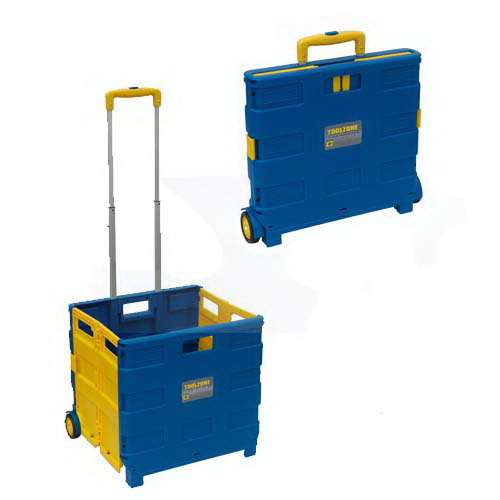
Luggage Carts
Source durable, high-capacity luggage carts directly from vetted manufacturers and suppliers. Designed for importers, wholesalers, distributors, and travel brands seeking bulk purchasing or custom OEM production. Secure reliable supply chains and competitive wholesale pricing for folding, heavy-duty, and lightweight travel carts.
Sourcing luggage carts in volume requires a strict focus on structural integrity, weight distribution, and mechanical reliability. A cart that fails under a heavy load or features a jamming telescopic handle damages brand reputation instantly. The primary sourcing challenge is identifying manufacturers capable of delivering consistent folding mechanisms, reliable wheel bearings, and durable tubing at a viable wholesale price, rather than just assembling off-the-shelf components.
Critical Specifications and Material Selection
The performance of a luggage cart is dictated by its tubing gauge, base plate design, and wheel assembly. When negotiating with suppliers, you must specify these components clearly to avoid silent downgrades in material quality.
- Tubing Material and Gauge: Aluminum alloy (typically 6000 series) is the standard for travel-focused folding carts due to its strength-to-weight ratio. Specify a minimum wall thickness of 1.0mm to 1.2mm. Steel tubing is reserved for heavy-duty industrial carts but adds prohibitive weight for standard travel use.
- Wheel Composition: Thermoplastic Rubber (TPR) and Polyurethane (PU) are the dominant materials. PU offers superior wear resistance and a smoother roll on abrasive surfaces. For carts rated for loads exceeding 35kg, dual sealed ball bearings in the wheel hub are mandatory to prevent axle friction and premature failure.
- Base Plate: Depending on the target market, base plates are either extruded aluminum for maximum durability or reinforced ABS plastic to reduce overall weight and cost.
| Material Profile | Typical Load Capacity | Primary Use Case | Cost Implication |
|---|---|---|---|
| Aluminum Alloy + PU Wheels | 35kg - 50kg | Premium travel, frequent flyers | Moderate to High |
| Steel + TPR Wheels | 70kg - 100kg+ | Heavy-duty commercial, industrial | Low (but high shipping weight) |
| ABS Plastic + PVC Wheels | 20kg - 30kg | Light duty, budget retail | Low |
Need help verifying factory capabilities and material specifications for your next production run?
Talk to our teamManufacturing Tolerances and Quality Control
The failure points on folding luggage carts are almost exclusively at the joints and moving parts. Rivets in the telescopic handle, the folding base hinge, and the wheel axles take the most stress during dynamic movement. Implementing rigorous Quality Control & Inspection protocols at the factory level is essential before shipment.
Critical Pre-Shipment Inspection Points
- Telescopic Handle Wobble: Check for excessive lateral play (wobble) when fully extended.
- Hinge Tension: Ensure the base plate folding mechanism locks securely without requiring excessive force.
- Dynamic Load Testing: Roll the cart over a standardized bump track with maximum rated weight for specified distances.
- Drop Testing: Perform static drop tests on the wheel base and handle to simulate aggressive baggage handling.
- Bungee Cord Elasticity: Verify the tensile strength and hook securement of the included tie-down straps.
Customization and OEM Production
For brands looking to differentiate, OEM/ODM Services allow for significant customization. Beyond simple logo printing on the handle grip, volume buyers often customize the handle ergonomics (using molded EVA foam instead of hard plastic), alter the wheel diameter for specific terrains (like cobblestone streets), or open new injection molds for branded, reinforced base plates.
Pricing, MOQs, and Lead Times
Luggage cart manufacturing is highly volume-dependent. Most established factories operate with strict Minimum Order Quantities to justify the setup time for tubing extrusion and assembly line balancing.
Discuss your production volume, target pricing, and customization requirements with our sourcing experts.
Get a free consultationFrequently Asked Questions
Ultimately, a luggage cart is only as good as its weakest rivet or bearing. By clearly defining your material tolerances and mandating strict performance testing, you can secure a product that withstands the rigors of travel. If you are scaling your purchasing and need on-the-ground verification, utilizing professional Factory Audits is a practical step to ensure your supplier actually possesses the engineering and assembly capabilities they claim.
Get Sourcing Help for Luggage Carts
Tell us your requirements and our experts will connect you with verified manufacturers.