Lock
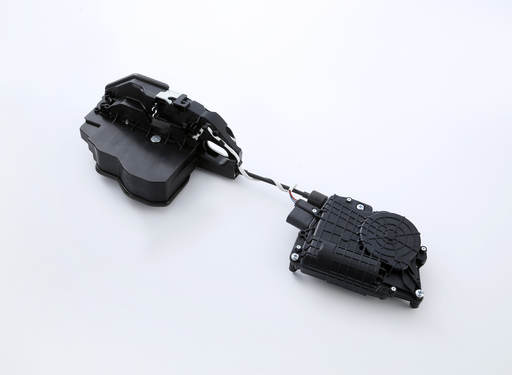
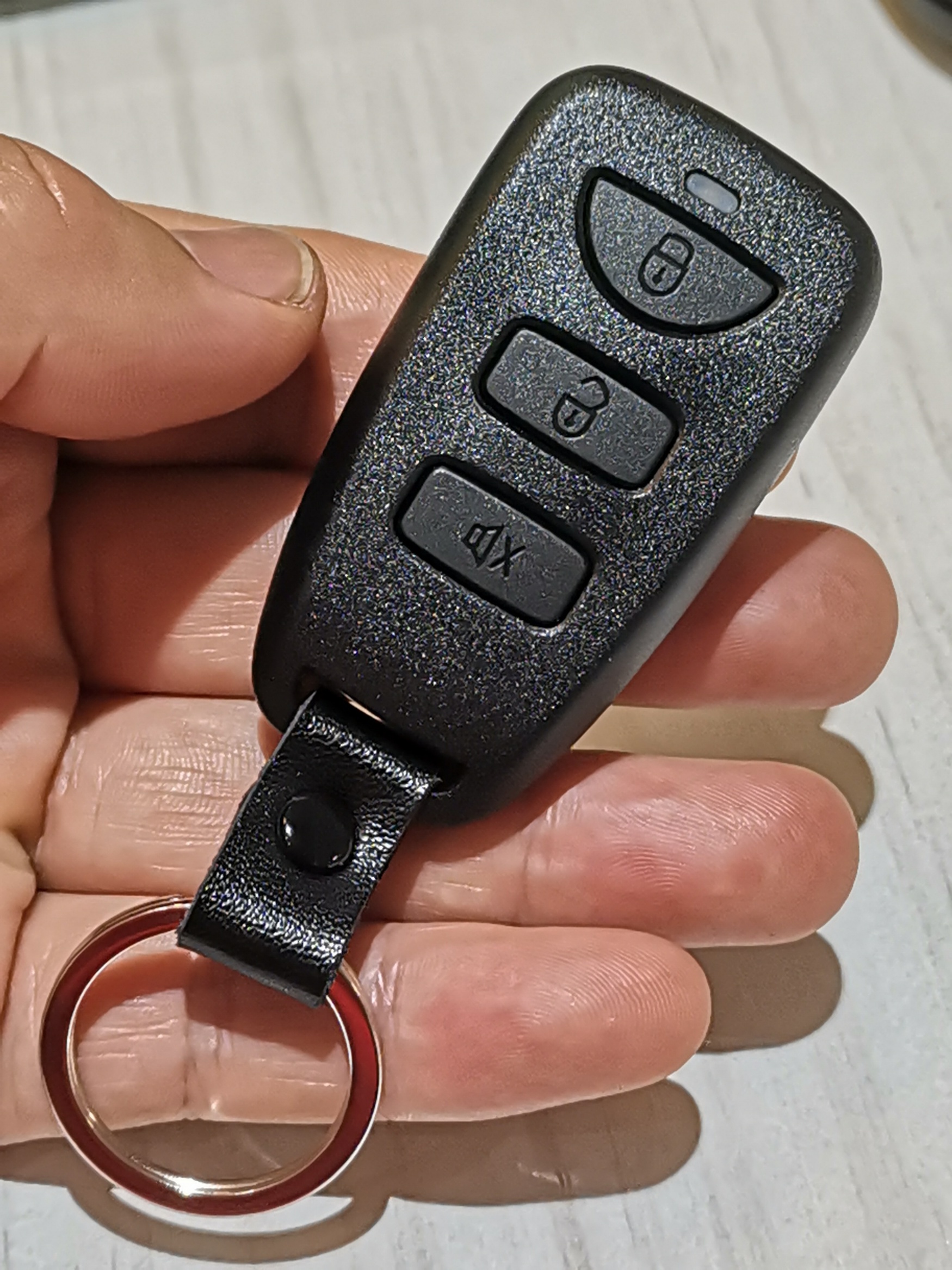
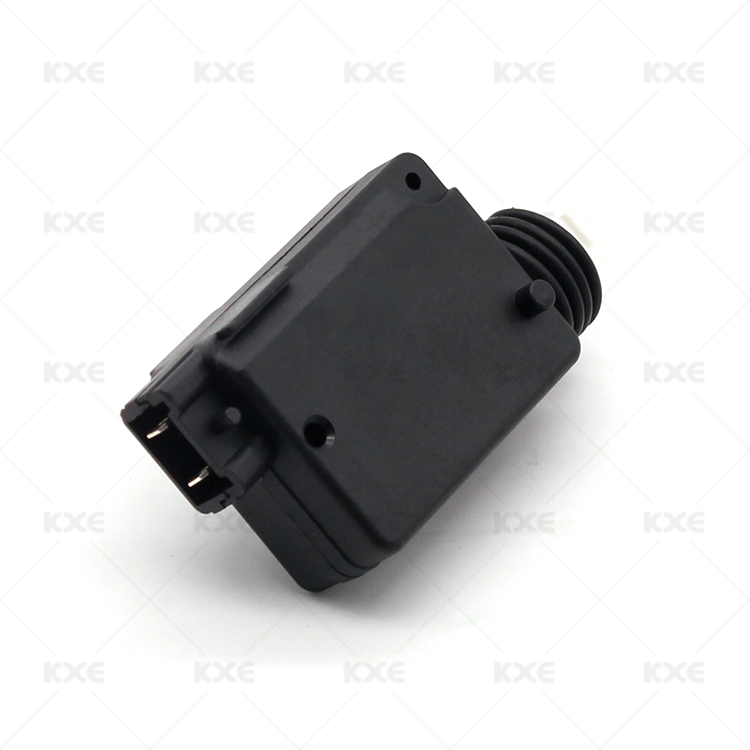
Source wholesale automotive locks from vetted Chinese manufacturers and Asian suppliers. Designed for auto parts importers, distributors, and brands seeking OEM/ODM production, this catalog features high-security anti-theft solutions. Secure competitive bulk pricing and reliable factory-direct supply for your automotive accessory lines.
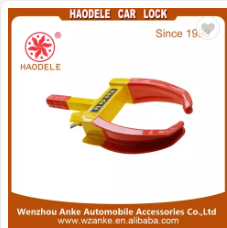
Sourcing aftermarket automotive locks—such as steering wheel, pedal, gear shift, and wheel lug locks—requires a strict focus on metallurgical integrity and cylinder complexity. For the end-user, a lock must serve as both a highly visible deterrent and a robust physical barrier. For the volume buyer, the challenge lies in balancing material hardness, tooling costs, and precision assembly to ensure the final product can withstand leverage, drilling, and cutting attacks without jamming or degrading over time.
Core Specifications and Material Selection
The security of an automotive lock is dictated by its base materials and the complexity of its locking cylinder. Manufacturers typically utilize carbon steel or hardened steel alloys for the main structural components, while lock bodies are often die-cast from zinc alloys for cost efficiency and complex shaping.
Cylinder Mechanisms
The lock cylinder is the most critical vulnerability. Factories offer several tier options depending on your target price point and security requirements:
| Cylinder Type | Security Level | Manufacturing Cost Impact |
|---|---|---|
| Standard Tubular | Moderate (Susceptible to impressioning) | Baseline |
| Dimple Key (Pin Tumbler) | High (Strong anti-pick resistance) | Medium |
| Laser Cut (Internal Track) | Very High (Requires specialized tooling) | Premium |
Material Hardness and Coatings
To resist hacksaw and bolt-cutter attacks, the steel components—particularly the shafts and hooks—must undergo proper heat treatment. Look for a Rockwell Hardness (HRC) rating of 45 or higher on critical load-bearing parts.
Equally important is the exterior finish. Automotive locks come into direct contact with leather steering wheels, plastic dashboards, and alloy wheels. Bare metal will cause severe interior damage. High-quality locks utilize thick, UV-resistant PVC dip coatings, rubberized grips, or heavy-duty powder coating. Inferior PVC coatings tend to off-gas, become sticky in high temperatures, or crack in cold weather, leading to high return rates.
Need help defining material specifications and cylinder tolerances for your next automotive security product?
Talk to our teamManufacturing Tolerances and Quality Control
The production of automotive locks involves metal stamping, CNC machining for the brass cylinder components, die casting, and final assembly. Because these products sit in vehicles exposed to extreme temperature variations, thermal expansion can cause poorly machined cylinders to seize.
When conducting Quality Control & Inspection, inspectors must evaluate both the mechanical function and the material integrity of the lock.
Critical Factory-Level QC Checks for Auto Locks
- Cylinder operation test: Minimum 5,000 cycle testing without binding or key failure.
- Environmental testing: Salt spray testing (minimum 48 to 72 hours) to verify corrosion resistance on exposed metal.
- Hardness verification: Spectrometer and HRC testing on steel shafts to confirm heat treatment claims.
- Coating adhesion: Pull-tests on PVC/rubber dips to ensure they do not peel under friction.
- Keyway alignment: Checking brass pin tolerances to prevent 'sticky' key insertion.
Partnering with a supplier that maintains strict in-house quality management is vital. Relying on Factory Audits before placing an order ensures the facility actually possesses the CNC and heat-treatment capabilities required, rather than outsourcing critical steps to unverified sub-tier workshops.
Customization and OEM Production
Many importers choose to develop custom molds to fit specific vehicle models or to create proprietary locking mechanisms. Engaging in OEM/ODM Services allows you to specify custom keyways, integrate alarm modules (motion-sensing sirens), or implement "keyed-alike" systems for commercial fleet buyers.
When developing a custom lock, tooling costs for zinc die-cast bodies and plastic injection-molded housings must be factored into your initial capital outlay. Modifying an existing factory mold (ODM) is a cost-effective way to achieve unique branding without the full expense of a ground-up design.
MOQs, Lead Times, and Pricing Drivers
Pricing in the automotive lock category is highly sensitive to raw material costs (steel, zinc, brass) and the complexity of the cylinder mechanism.
Bulk buyers should be wary of quotes that fall significantly below market average. These often indicate the use of unhardened mild steel, hollow shafts, or recycled zinc alloys that shatter under impact.
Evaluate your current factory pricing and explore OEM manufacturing options with our sourcing specialists.
Get a free consultationSourcing reliable automotive locks requires looking past the heavy exterior to understand the metallurgy and machining inside. By enforcing strict tolerances on cylinders, verifying heat treatments, and demanding durable interior-safe coatings, importers can build a highly profitable, low-return product line that genuinely protects end-user vehicles.
Get Sourcing Help for Lock
Tell us your requirements and our experts will connect you with verified manufacturers.