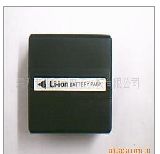
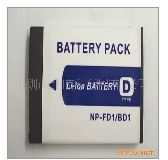
Lithium-Ion Battery Packs
Source high-performance Lithium-Ion Battery Packs from vetted suppliers and manufacturers across Asia. Designed for importers, distributors, and brands seeking reliable OEM and private-label production, our network delivers scalable manufacturing, rigorous compliance testing, and competitive wholesale pricing for volume buyers.
Sourcing lithium-ion battery packs at volume requires balancing exact energy density requirements with rigorous safety standards and supply chain reliability. Whether you are integrating power solutions into light electric vehicles, energy storage systems, or consumer electronics, success depends on specifying the right cell chemistry, a robust Battery Management System (BMS), and partnering with a facility capable of consistent, defect-free assembly.
Cell Chemistry and Architecture
The foundation of any battery pack is its cell chemistry. Factories typically specialize in either cylindrical cells (like 18650, 21700) or prismatic/pouch cells, utilizing different chemistries depending on the application's required discharge rate (C-rate) and operating environment.
| Chemistry | Energy Density | Cycle Life | Thermal Stability | Typical Applications |
|---|---|---|---|---|
| Lithium Iron Phosphate (LFP) | Moderate (90-160 Wh/kg) | High (2000-5000+ cycles) | Excellent | Energy storage, solar, golf carts, AGVs |
| Nickel Manganese Cobalt (NMC) | High (150-250 Wh/kg) | Moderate (1000-2000 cycles) | Moderate | E-bikes, power tools, medical devices |
Beyond the cells, the Battery Management System (BMS) acts as the brain of the pack. It must be programmed to protect against overcharge, over-discharge, short circuits, and thermal events. If you are developing custom power solutions, utilizing OEM/ODM Services ensures your BMS logic, communication protocols (CAN bus, RS485, Bluetooth), and custom housing are engineered specifically for your application's load profile.
Need a custom battery pack design or reliable Tier-1 cell sourcing? We connect you with vetted assembly facilities capable of meeting strict tolerances.
Talk to our teamManufacturing Tolerances and Quality Control
The gap between a reliable battery pack and a dangerous one is often determined on the assembly line. Subpar factories may cut costs by using B-grade or recycled cells, or by rushing the spot-welding process, leading to high internal resistance and premature failure.
To ensure longevity and safety, rigorous Quality Control & Inspection is non-negotiable.
Critical Factory Floor Quality Checks
- Cell Grading & Matching: Ensuring all cells in a series/parallel array have identical voltage and internal resistance.
- Spot Welding Integrity: Verifying nickel strip thickness and conducting pull-tests for weld strength.
- BMS Calibration: Load testing the BMS cut-off limits prior to final sealing.
- Thermal Management: Inspecting heat dissipation materials (thermal pads, potting compounds).
- Aging Process: Mandatory charge/discharge cycling to weed out early infant mortality failures.
Conducting thorough Factory Audits before production begins is the most effective way to verify a supplier's cell sourcing channels and ensure they have the automated grading and welding equipment required for consistent volume production.
Compliance and Hazardous Goods Testing
Lithium-ion batteries are heavily regulated. You cannot legally or safely ship a battery pack internationally without specific certifications. At a minimum, UN38.3 certification is required for all air and sea freight of Class 9 hazardous goods. Depending on your target market, you will also need to budget for IEC 62133, UL 1642 (for cells), UL 2054 (for packs), or CE certifications.
Navigating these regulatory requirements can delay product launches by months if the factory's internal designs fail initial lab tests. Coordinating Compliance & Testing early in the prototyping phase prevents expensive redesigns later.
MOQs, Lead Times, and Pricing Dynamics
Pricing for lithium-ion battery packs is highly volatile, driven by raw material costs (lithium, cobalt, nickel) and the tier of the cell manufacturer. Specifying Tier-1 cells (e.g., CATL, EVE, LG, Samsung) commands a premium but guarantees the stated cycle life and capacity.
Custom enclosures (injection-molded plastics or extruded aluminum) will increase your initial tooling costs and may push the MOQ closer to 500 units to justify the setup.
Struggling with hazmat shipping logistics or inconsistent cell quality? Let us manage your battery supply chain from factory floor to final delivery.
Get a free consultationFrequently Asked Questions
When sourcing lithium-ion battery packs, the total cost of ownership is determined by safety, cycle life, and compliance—not just the lowest unit price. Partnering with the right facility ensures your power solutions perform reliably under load, protecting both your brand reputation and your end-users.
Get Sourcing Help for Lithium-Ion Battery Packs
Tell us your requirements and our experts will connect you with verified manufacturers.