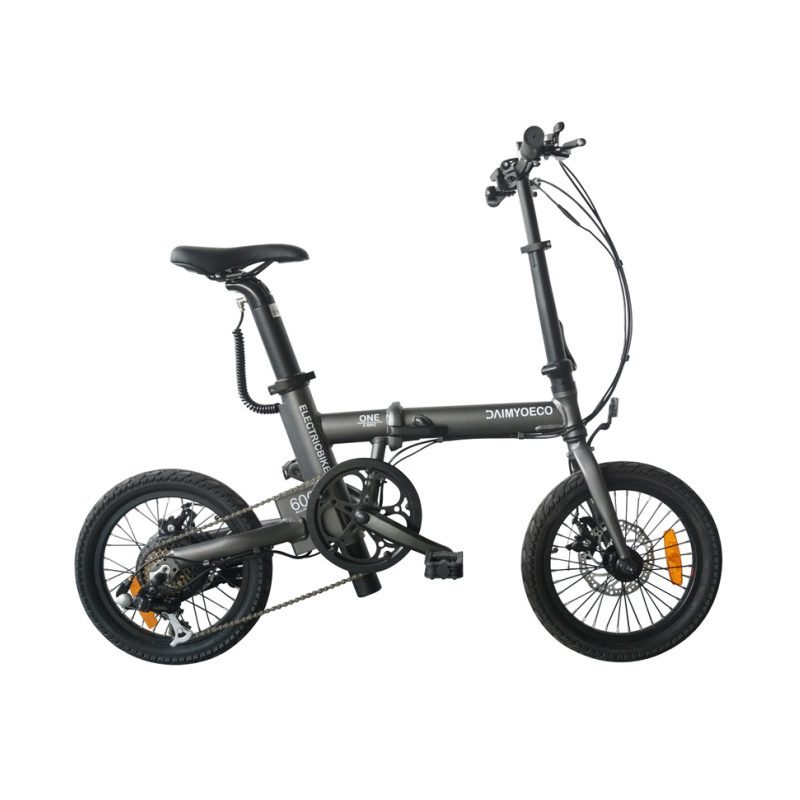
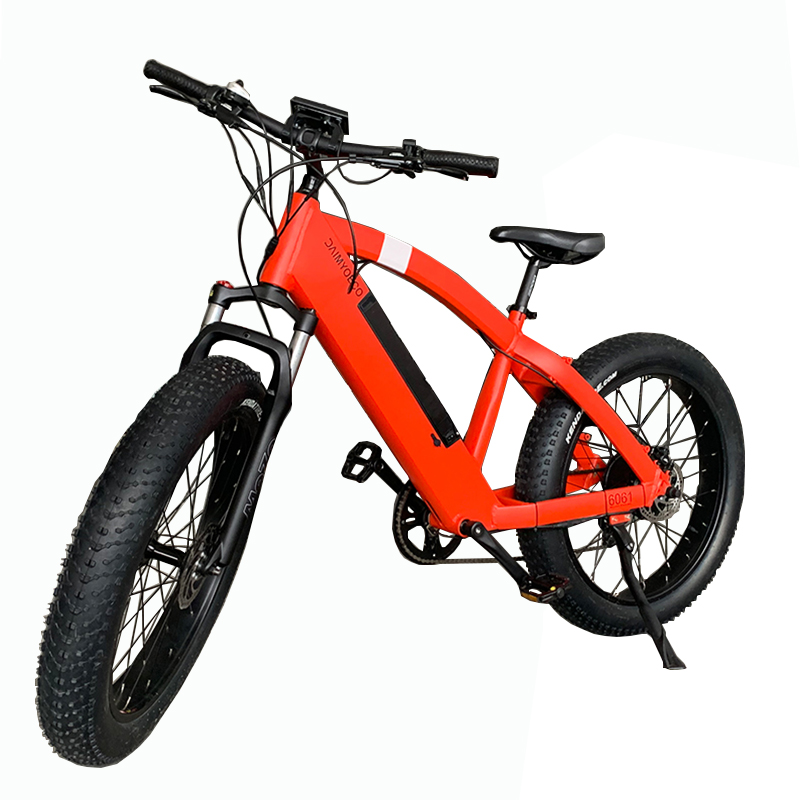
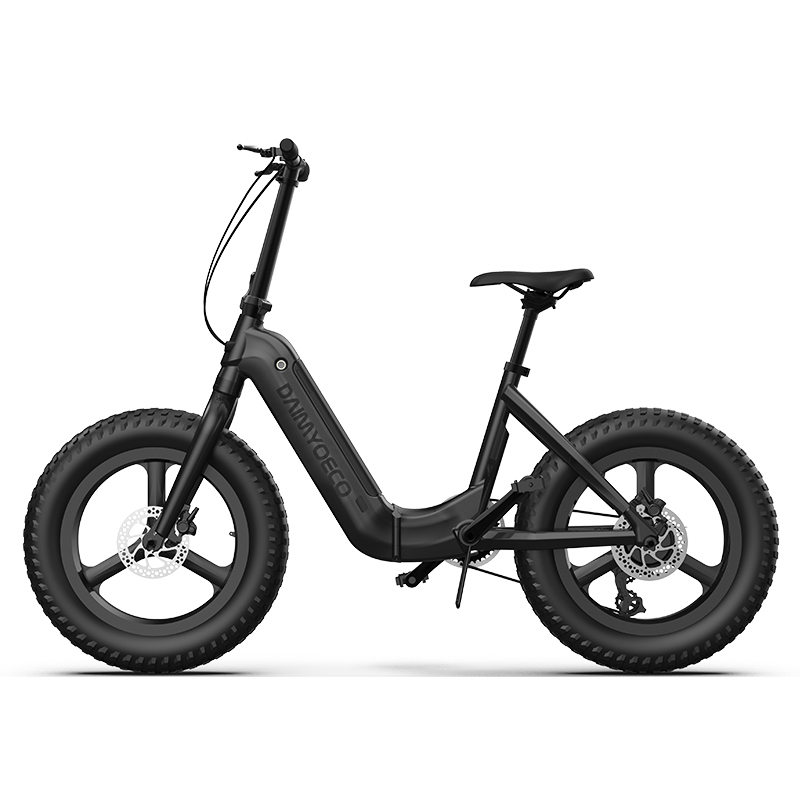
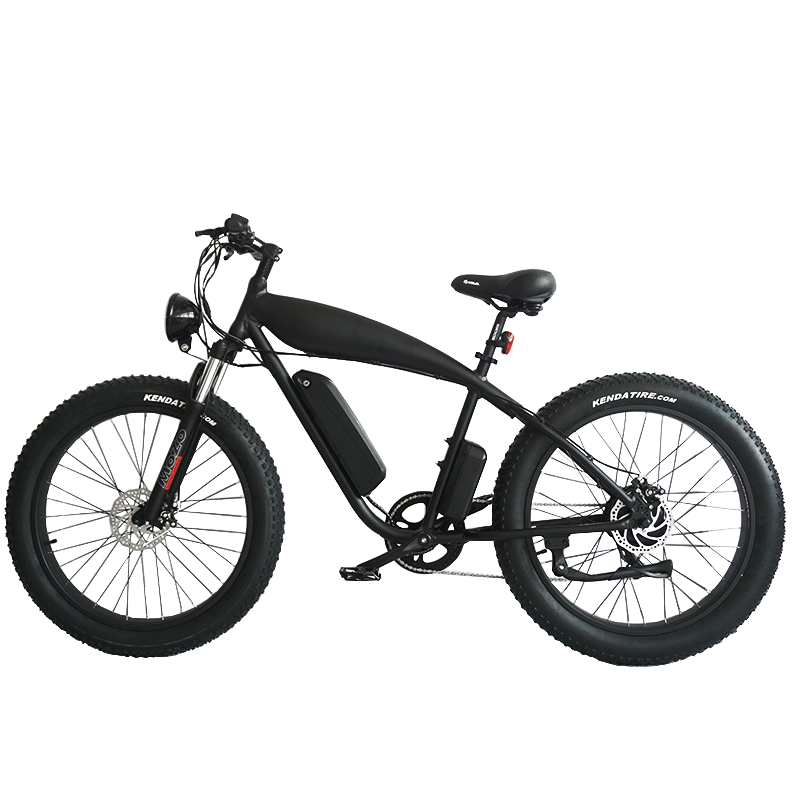
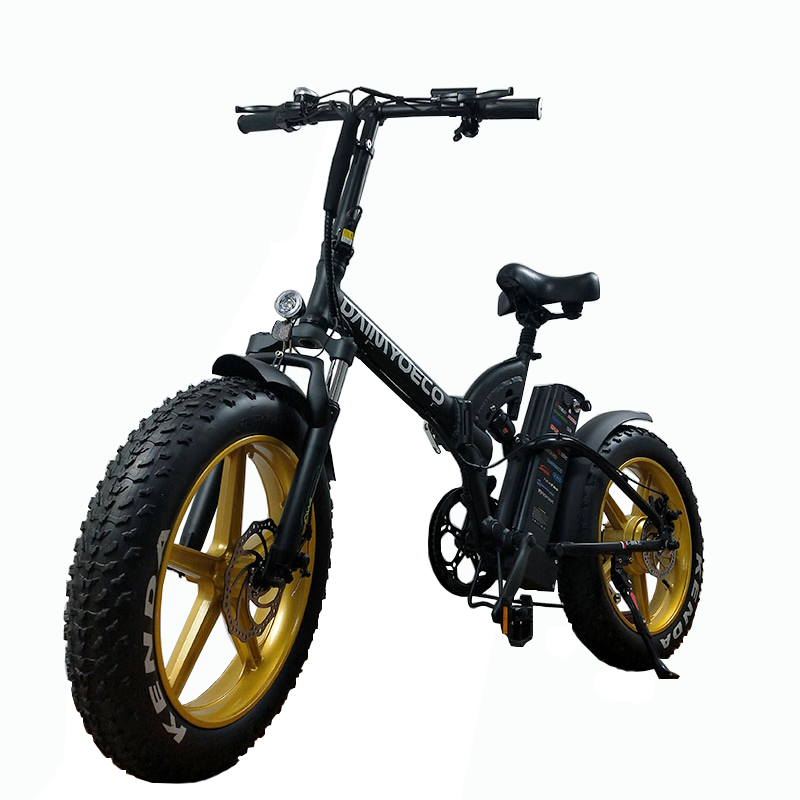
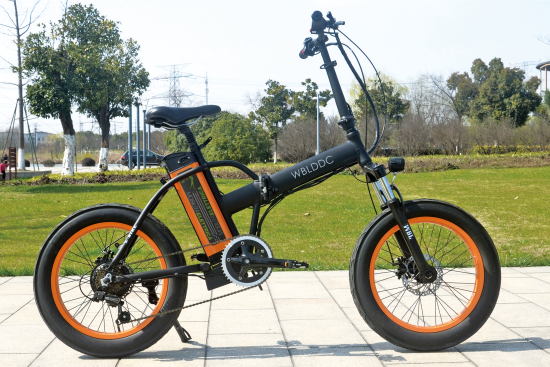
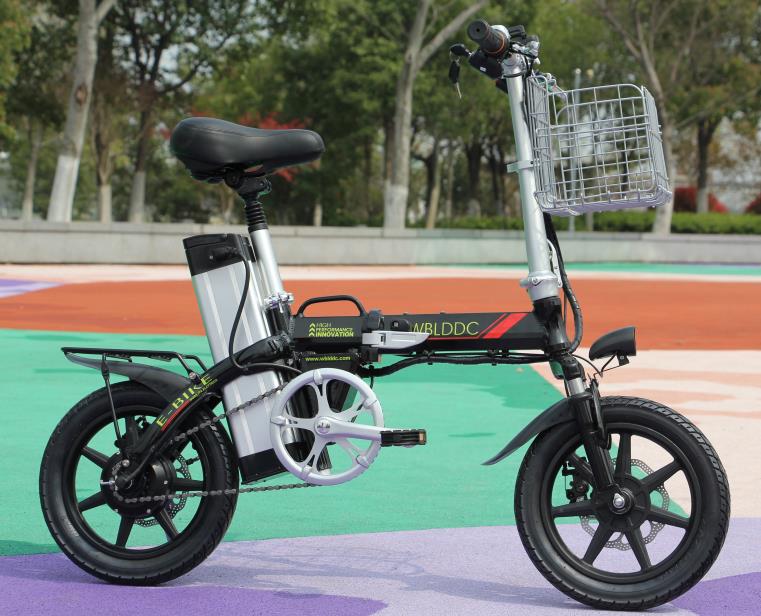
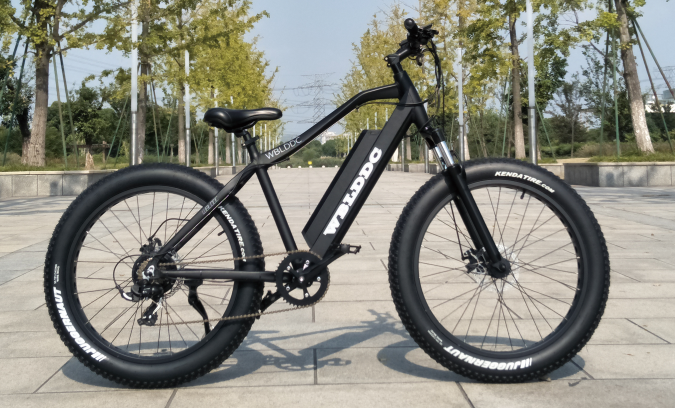
Lithium Ion Battery Bicycle
Source premium Lithium Ion Battery Bicycles from vetted suppliers and manufacturers across Asia. Designed for importers, wholesalers, and brands seeking reliable OEM or private-label production, our network provides scalable manufacturing solutions for urban commuter, folding, and high-performance e-bike segments.
Sourcing lithium-ion battery bicycles at scale requires navigating a complex supply chain of electronic components, frame fabrication, and strict international safety regulations. The difference between a high-performing fleet and a costly recall often comes down to how rigorously you specify the battery architecture, motor integration, and quality control tolerances at the factory level.
Battery Architecture: Cells, Capacity, and the BMS
The battery pack is the single most expensive and critical component of the bicycle. When negotiating with manufacturers, specifying "36V 10Ah" is insufficient. You must define the cell type, the cell brand, and the capabilities of the Battery Management System (BMS).
Most modern e-bikes utilize either 18650 or the newer 21700 cylindrical lithium-ion cells. While Tier 1 cells (Samsung, LG, Panasonic) offer superior longevity and safety, high-quality domestic Chinese cells (like BAK or Lishen) can provide excellent value for mid-tier markets if properly vetted.
| Cell Format | Energy Density | Thermal Management | Target Application |
|---|---|---|---|
| 18650 | Standard | Proven and stable | Entry to mid-tier commuter bikes |
| 21700 | High (approx 20% more capacity per volume) | Requires advanced BMS | Performance, e-MTB, and cargo bikes |
The BMS is equally crucial. It actively monitors cell voltage, preventing overcharging, deep discharging, and thermal runaway. A subpar BMS will drastically reduce the lifespan of even premium Tier 1 cells.
Need help vetting cell suppliers and validating BMS integration for your next production run?
Talk to our teamIntegration and Manufacturing Tolerances
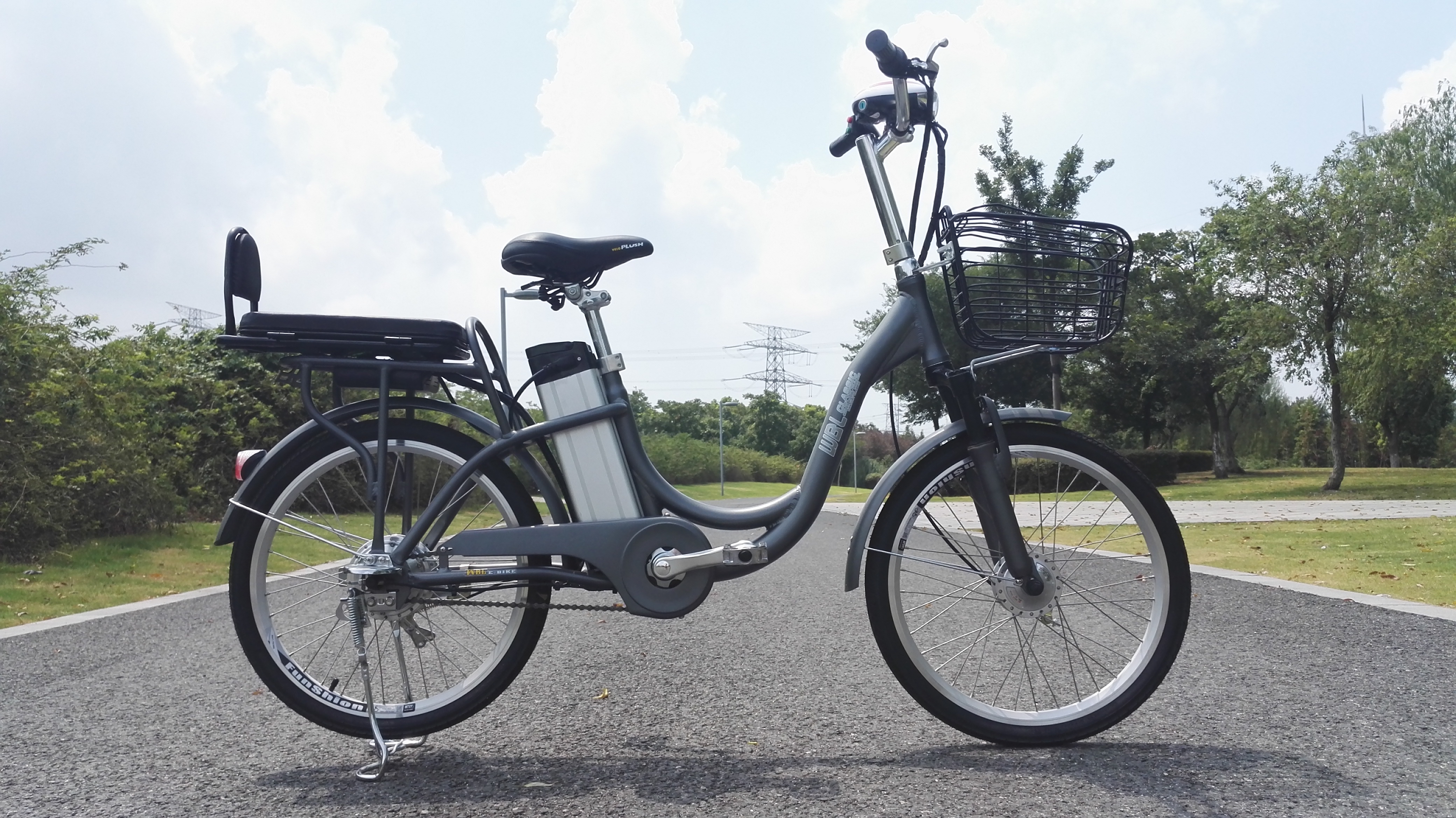
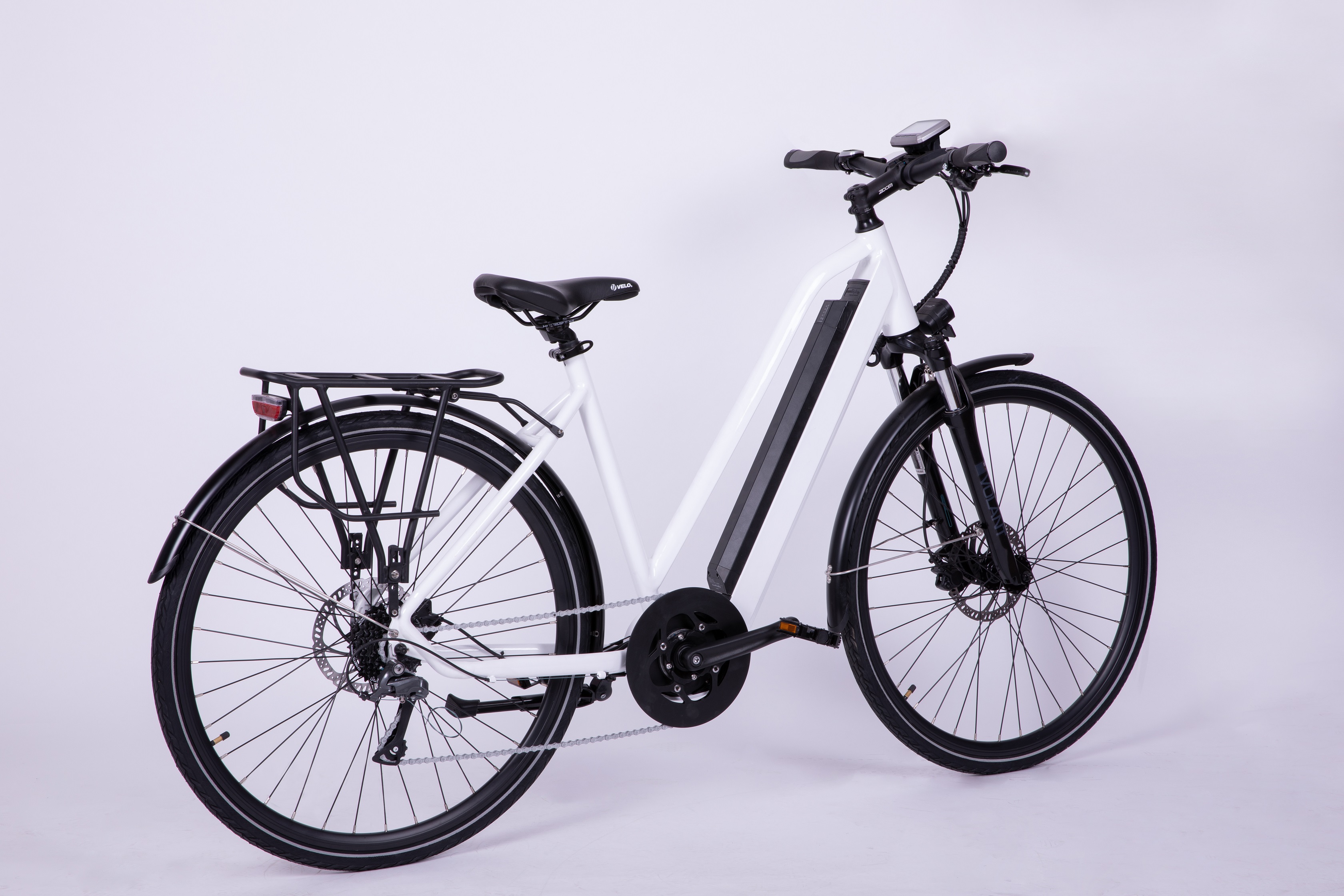
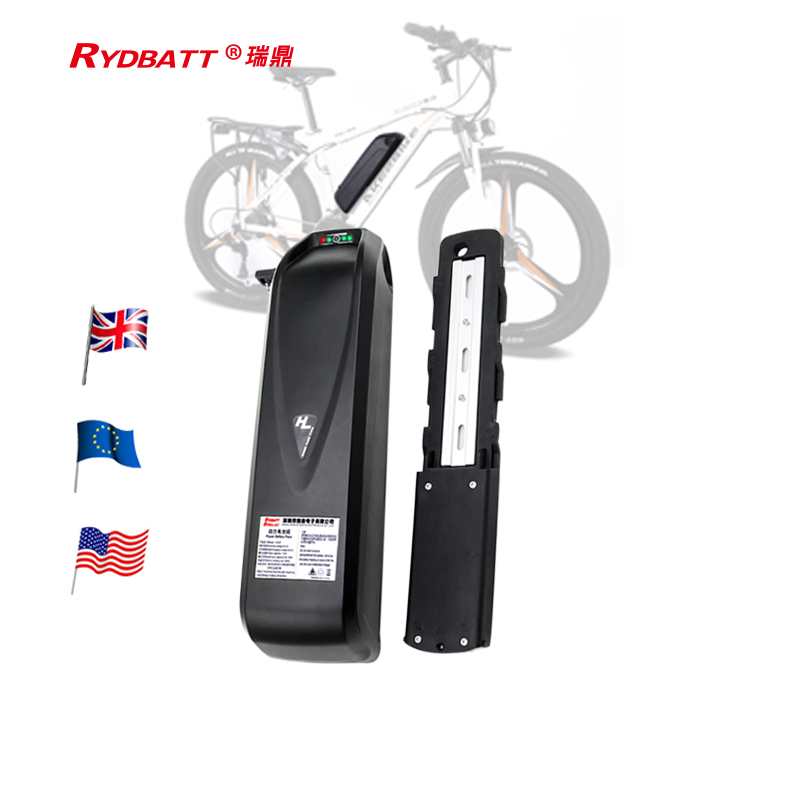
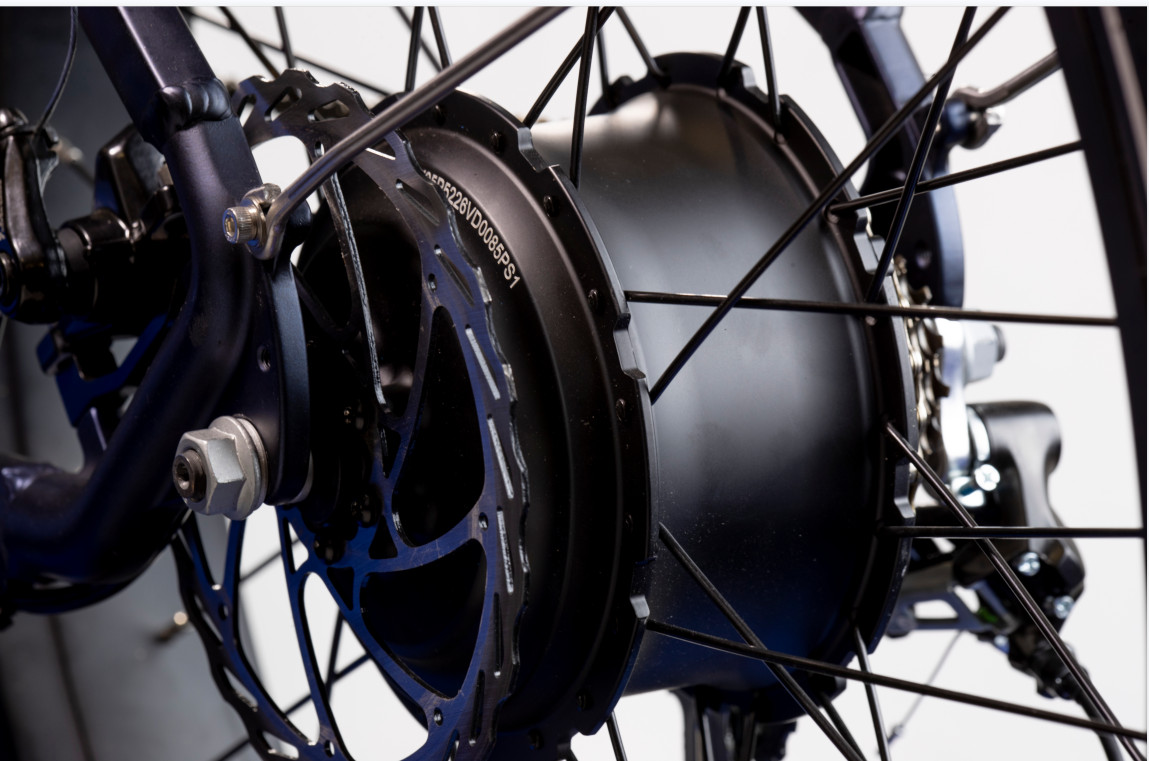
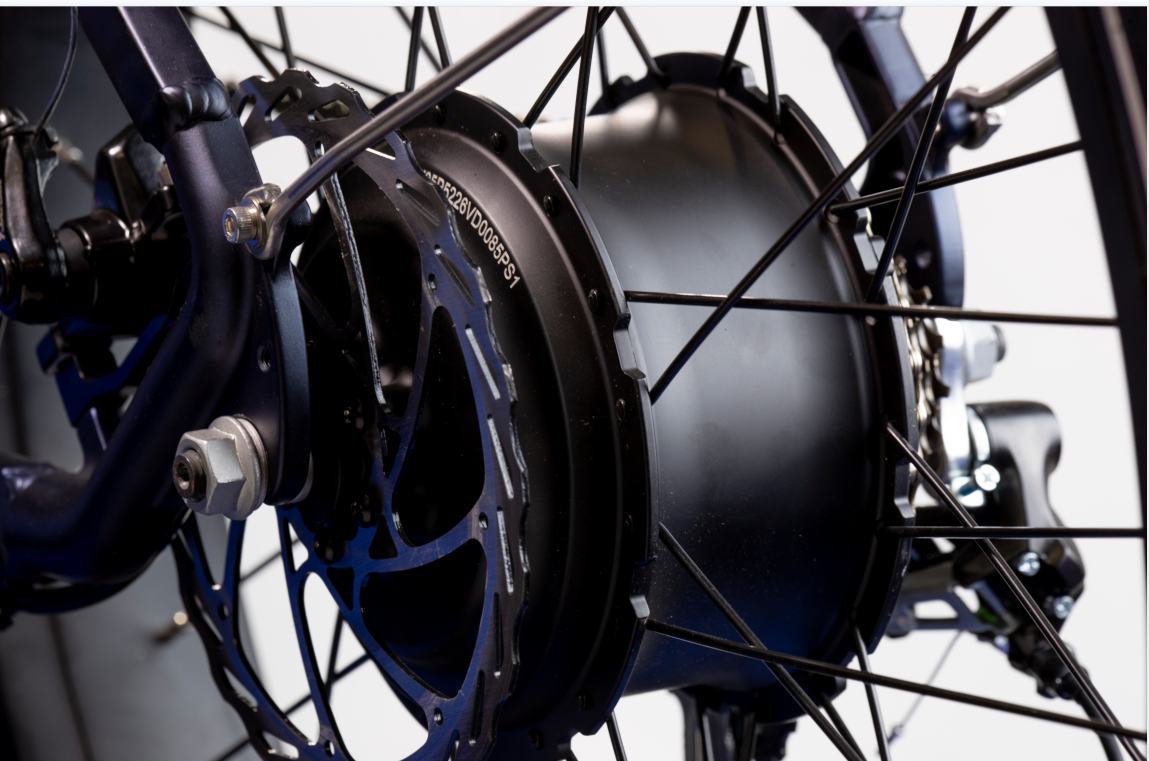
Integrating a heavy lithium-ion battery into a bicycle frame changes the structural dynamics of the product. Whether you are utilizing a downtube-integrated battery or a rear-rack mount, the factory must account for increased stress and vibration.
When executing OEM/ODM Services for custom frame geometries, pay close attention to the battery housing tolerances. If the housing is too tight, thermal expansion can cause structural stress; if too loose, vibration will degrade the battery contact points over time.
Critical Quality Control Checks
To prevent high defect rates, ensure your pre-shipment Quality Control & Inspection protocols cover the following:
- BMS functionality: Verification of high/low voltage cut-off triggers.
- Ingress Protection: Minimum IP65 rating verification for battery casings and connectors.
- Weld integrity: Inspection of nickel strip spot-welds between battery cells.
- Frame alignment: Stress testing at battery mounting points and motor dropouts.
- Controller pairing: Ensuring controller amperage limits align with battery discharge rates.
Compliance and Safety Standards
Importing lithium-ion battery bicycles requires strict adherence to international safety and transport regulations. Failing to secure the correct documentation will result in shipments being rejected by freight forwarders or customs authorities.
Mandatory Transport Certification
Every lithium-ion battery pack must pass UN38.3 testing before it can be legally shipped by sea or air. This tests the battery's resistance to altitude, thermal extremes, vibration, and impact.
Beyond transport, regional market compliance is mandatory. For the European market, bicycles must meet EN 15194 standards for Electrically Power Assisted Cycles (EPAC). In North America, UL 2849 certification is increasingly required by retailers and local jurisdictions, evaluating the electrical system as a whole (battery, motor, and controller). Utilizing comprehensive Compliance & Testing services early in the sourcing process prevents costly redesigns.
Wholesale Pricing, MOQs, and Lead Times
Pricing for lithium-ion battery bicycles fluctuates based on raw lithium costs, cell brand selection, and motor type (hub vs. mid-drive).
- Minimum Order Quantities (MOQs): Standard MOQs typically range from 50 to 100 units per model/color for catalog designs. For fully custom frames or proprietary battery integrations, expect MOQs of 300 units or more to justify the tooling costs.
- Lead Times: A standard production run takes 45 to 60 days. However, if you are specifying imported Tier 1 cells or custom mid-drive motors (like Bafang or Brose), lead times can extend to 90 to 120 days due to component supply chain delays.
Ready to negotiate competitive pricing and secure reliable production capacity?
Get a free consultationSuccessfully importing lithium-ion battery bicycles demands more than just finding an assembly plant; it requires rigorous oversight of the sub-tier suppliers providing the cells, motors, and controllers. Conducting thorough Factory Audits to assess an assembler's supply chain management capabilities is the most effective way to ensure long-term product reliability.
Get Sourcing Help for Lithium Ion Battery Bicycle
Tell us your requirements and our experts will connect you with verified manufacturers.