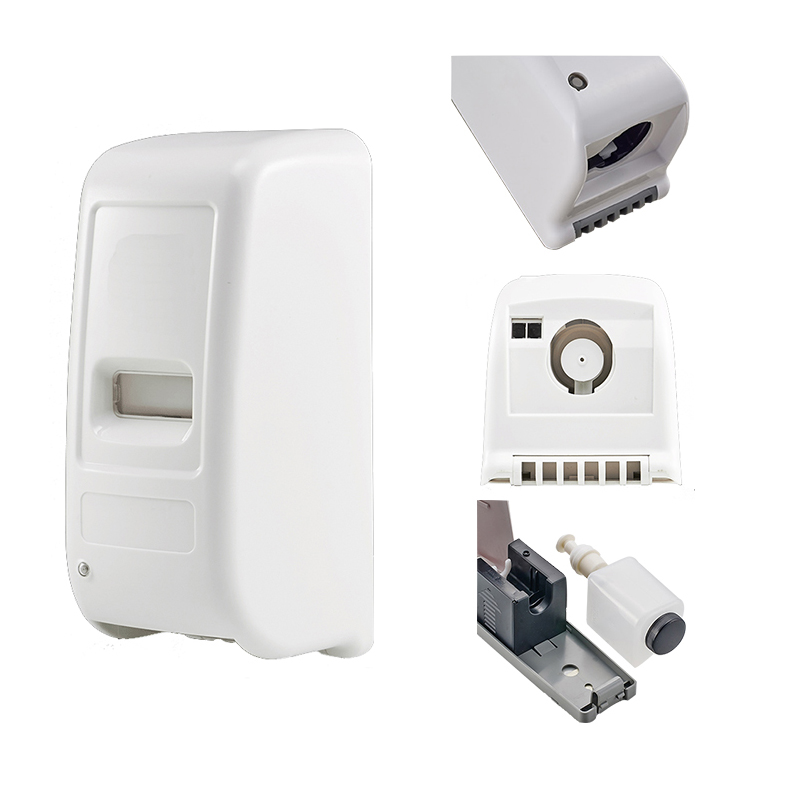
Liquid Soap Dispensers
Source commercial and residential liquid soap dispensers from vetted manufacturers and wholesale suppliers. Designed for importers, distributors, and brands seeking reliable bulk production or OEM/ODM partnerships, our network ensures stringent quality control and competitive factory-direct pricing for your procurement needs.
Sourcing liquid soap dispensers at scale requires balancing aesthetic appeal with mechanical reliability. While the exterior design drives the initial purchase, the core sourcing challenge lies in the internal pump mechanism and the durability of the surface finish. A failing pump or peeling electroplate directly impacts brand reputation and triggers costly commercial returns.
Material Selection and Finish Durability
The choice of base material dictates both the manufacturing process and the available surface treatments. Buyers must specify materials clearly to avoid substitution with lower-grade alternatives during production.
- ABS Plastic: The standard for cost-effective, high-volume models. When sourcing ABS dispensers with a metallic look, ensure the factory uses a multi-layer electroplating process (typically an acid copper base followed by nickel and chrome) to prevent flaking.
- 304 Stainless Steel: Essential for commercial and high-humidity residential environments due to its rust resistance. Beware of suppliers substituting 201 stainless steel, which will corrode when exposed to water and soap chemicals.
- Brass: Reserved for premium, luxury hotel, or architectural applications. Brass offers superior weight and takes well to advanced Physical Vapor Deposition (PVD) finishes, which provide exceptional scratch and tarnish resistance.
| Material | Typical Application | Common Finishes | Durability Profile |
|---|---|---|---|
| ABS Plastic | Residential, Economy Commercial | Chrome plate, Matte paint | Moderate; vulnerable to harsh chemicals |
| 304 Stainless Steel | Commercial restrooms, Mid-tier residential | Brushed, Polished, Powder-coated | High; excellent rust resistance |
| Solid Brass | Luxury hospitality, Premium retail | PVD, Oil-rubbed bronze | Very High; superior longevity |
Pump Mechanics and Leak Prevention
The pump is the most critical component of the dispenser. Factories often cut costs by using inferior internal springs or poor-quality silicone gaskets, leading to leaks, loss of prime, or outright failure.
When evaluating a manufacturer's technical capability, verify their standard pump cycle lifespan. A commercial-grade pump should be tested to withstand 100,000 to 150,000 cycles without losing suction or leaking, while standard residential pumps typically target 30,000 to 50,000 cycles.
Viscosity Compatibility
Not all pumps handle all liquids. Standard lotion pumps will clog if used with thick gels (like hand sanitizers with high alcohol and carbomer content) and will not work with foaming soap, which requires a specialized air-infusion pump chamber. Always specify the target liquid viscosity to the manufacturer.
Struggling to find a supplier whose pump mechanisms meet your cycle-testing requirements? We can help identify and vet specialized pump manufacturers.
Talk to our teamQuality Control Checkpoints
Catching defects before shipment is vital, especially when dealing with liquids and moving parts. Implementing a robust Quality Control & Inspection protocol at the factory level prevents unsellable inventory from reaching your warehouse.
Essential Pre-Shipment Inspections
- Cycle Testing: Actuate random samples 500 times to check for loss of prime or leakage.
- Salt Spray Testing: Verify plating and stainless steel resistance to corrosion (typically 24 to 48 hours).
- Capacity Verification: Ensure the internal reservoir matches the stated volume tolerance.
- Thread and Seal Inspection: Check the alignment of the pump collar and the integrity of the silicone O-rings.
- Drop Testing: Assess the durability of ABS housings and glass reservoirs from standard counter heights.
If you are sourcing heavily plated or custom-finished items, conducting Factory Audits is highly recommended to ensure the supplier's plating facility meets local environmental compliance and maintains consistent chemical bath temperatures.
OEM/ODM Customization Capabilities
For brands looking to differentiate, modifying an existing design or creating a completely new mold is a common path. Most established factories offer robust OEM/ODM Services, allowing you to customize everything from the pump head profile to the reservoir shape. Private molding for a new ABS dispenser requires an upfront tooling cost, but it secures a unique market position and prevents your exact design from being sold to competitors.
Sourcing Realities: MOQs, Pricing, and Lead Times
Understanding standard factory requirements helps in negotiating terms and planning inventory cycles.
Pricing is highly volatile and depends directly on the pump quality, base material weight (thickness of the stainless steel or brass), and the complexity of the finish.
Need to streamline your supply chain and consolidate orders from multiple specialized bathroom accessory factories?
Get a free consultationSuccessfully sourcing liquid soap dispensers means looking past the exterior finish to scrutinize the internal engineering. By specifying exacting material grades, demanding rigorous cycle testing for pumps, and implementing strict quality control, buyers can secure products that perform reliably in demanding environments.
Get Sourcing Help for Liquid Soap Dispensers
Tell us your requirements and our experts will connect you with verified manufacturers.