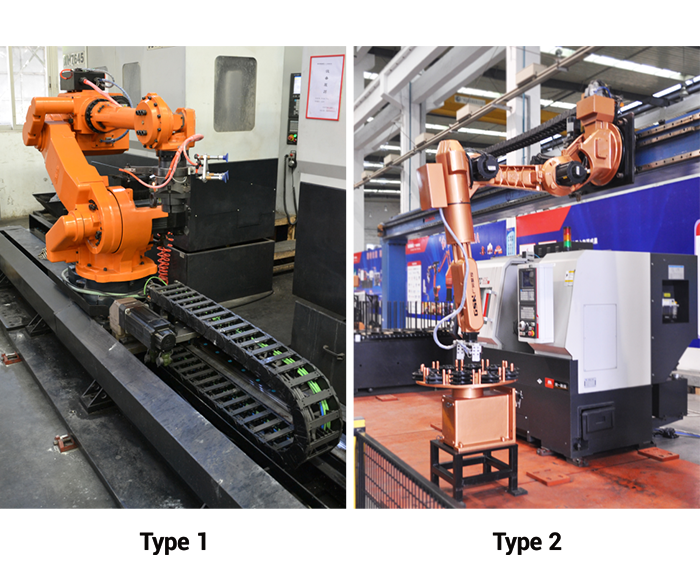
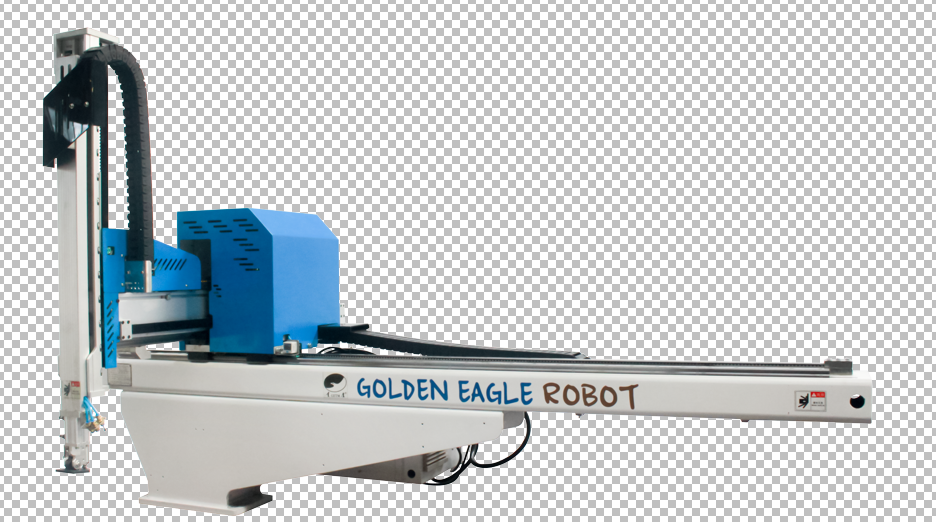
Linear Robots
Source high-performance linear robots from vetted Chinese manufacturers and suppliers. Designed for automation integrators, industrial distributors, and brands seeking reliable OEM production, our wholesale linear robotic systems offer precision, durability, and scalable bulk pricing for demanding applications.
Sourcing linear robots—often referred to as Cartesian or linear actuators—requires a strict balance between stroke length, payload capacity, and positioning repeatability. Whether you are integrating these modules into CNC machinery, packaging lines, or automated assembly cells, the core challenge lies in finding a manufacturer that delivers consistent mechanical rigidity and precise drive integration at scale, without the premium markups of legacy domestic brands.
Defining Core Specifications for Bulk Sourcing
When communicating with suppliers, precision in your specification sheet prevents costly misalignments. Manufacturers typically build linear robots around either belt-driven or ball-screw mechanisms, each dictating the module's performance limits. You must clearly define the required stroke length (mm), maximum dynamic and static payload (kg), and the acceptable repeatability tolerance.
| Drive Mechanism | Max Practical Stroke | Typical Repeatability | Ideal Application |
|---|---|---|---|
| Belt Drive | Up to 6000mm | ±0.05mm to ±0.1mm | High-speed pick-and-place |
| Ball Screw | Up to 1500mm | ±0.01mm to ±0.02mm | High-precision machining |
| Rack & Pinion | Over 5000mm | ±0.05mm | Heavy-load gantry systems |
Beyond the drive type, specify the motor mounting configuration. Most tier-one factories offer standard NEMA flanges or custom adapter plates to accommodate popular servo and stepper motors (e.g., Panasonic, Yaskawa, or Delta). If you are sourcing bare modules without motors, ensure the coupling dimensions and shaft diameters are explicitly detailed in your CAD files.
Need help matching payload and stroke requirements to the right manufacturing partner?
Talk to our teamFactory Evaluation and Manufacturing Quality
The operational lifespan of a linear robot is dictated by the quality of its structural extrusion and the machining of its linear guide rails. High-end manufacturers utilize high-density aluminum alloys (like 6061 or 6063) to prevent deflection under heavy dynamic loads.
When evaluating potential suppliers, primarily clustered in industrial hubs like Guangdong and Jiangsu, you must distinguish between true manufacturers and simple assembly workshops. True manufacturers possess in-house CNC machining centers to mill the extrusion profiles perfectly flat before mounting the linear guides. Conducting rigorous factory audits is essential to verify that a supplier has the metrology equipment required to ensure parallelism between the rails.
Quality Control & Pre-Shipment Inspection
Defects in linear robots often manifest as excessive runout, backlash, or premature bearing wear. Because these modules are critical path components in larger automation systems, standard visual inspections are insufficient.
Critical Inspection Points for Linear Robots
- Laser interferometry testing to verify positioning accuracy and repeatability across the full stroke.
- Dial indicator measurements to confirm guide rail parallelism and straightness.
- Dynamic load testing at maximum rated payload to detect motor stall, belt slippage, or structural deflection.
- Acoustic and vibration analysis during high-speed continuous operation to identify bearing or ball screw imperfections.
- Verification of grease ports, sealing strips, and dust covers for environmental protection.
Implementing comprehensive quality control protocols at the factory level ensures that any out-of-tolerance modules are recalibrated or rejected before they are packed into shipping crates.
Buying Mechanics: MOQs, Pricing, and Lead Times
The supply chain for linear automation is highly flexible, catering to both low-volume integrators and high-volume OEM brands. Standard, off-the-shelf modules typically have very low Minimum Order Quantities (MOQs), allowing buyers to procure small batches for prototyping or custom machine builds.
However, if you require custom extrusion profiles, specific mounting hole patterns, or private-label branding, you will need to engage in OEM/ODM services. Custom runs generally require higher MOQs to justify the CNC setup time and tooling costs.
Streamline your procurement process and secure reliable pricing for bulk linear robot orders.
Get a free consultationFrequently Asked Questions
Sourcing linear robots successfully means looking beyond the unit price and focusing on the total cost of ownership—which includes integration time, maintenance intervals, and replacement part availability. Partnering with the right factory ensures you get industrial-grade precision without sacrificing your margins.
Get Sourcing Help for Linear Robots
Tell us your requirements and our experts will connect you with verified manufacturers.