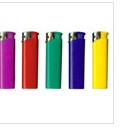
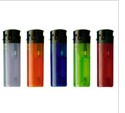
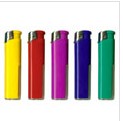
Lighters
Source high-quality lighters from vetted suppliers and manufacturers across Asia. Built for importers, wholesale distributors, and brands seeking reliable OEM and private-label production, our network delivers compliant, volume-ready manufacturing solutions. Find competitive pricing on bulk orders with stringent quality control.
Sourcing lighters at scale requires navigating strict international safety regulations, precise manufacturing tolerances, and complex hazardous materials logistics. Whether you are procuring standard disposable units or developing custom refillable models, success depends on partnering with factories capable of maintaining rigorous consistency in gas containment, flame regulation, and ignition reliability.
Manufacturing Standards and Compliance
Lighters are highly regulated globally. A factory's inability to meet regional safety standards will result in customs seizures or product liability issues. When vetting manufacturers, you must ensure they have the infrastructure to test and certify their output.
Mandatory Safety Standards
Most major markets require strict adherence to ISO 9994 (general safety requirements for lighters) and specific Child Resistance (CR) standards, such as EN 13869 in Europe or ASTM F400 in the United States. Never accept self-certified documentation; always verify third-party lab reports.
Reliable manufacturers integrate rigorous testing directly into their production lines. If you are developing a custom product through OEM/ODM services, these tests must be validated during the prototyping phase before mass production begins.
Critical Factory-Level Testing Requirements
- Flame height regulation (maximum 120mm for non-adjustable, 50mm for adjustable under standard conditions)
- Spitting, sputtering, and flaring checks to ensure stable gas flow
- Drop testing from 1.5 meters onto a concrete surface without tank rupture or continuous ignition
- Elevated temperature resistance (withstanding 65°C for 4 hours without leakage)
- Gas leakage monitoring (maximum allowable loss of 15 milligrams per minute)
Struggling to verify factory compliance and safety certifications? Let our sourcing experts vet your lighter manufacturers.
Talk to our teamComponent Quality and Assembly
The difference between a reliable lighter and a defective one lies in the internal components and the precision of the ultrasonic welding used to seal the gas tank.
| Component Factor | Standard Production | Premium / Refillable Production |
|---|---|---|
| Ignition Mechanism | Standard flint wheel or basic piezoelectric | High-cycle piezoelectric (rated for 10,000+ strikes) |
| Valve Material | Basic plastic or low-grade brass | Precision-machined brass with high-grade rubber O-rings |
| Tank Construction | Standard AS/POM plastics | Reinforced nylon, zinc alloy, or thick-walled POM |
| Gas Quality | Standard butane blends | Highly purified, multi-filtered butane (prevents valve clogging) |
Implementing stringent quality control protocols is non-negotiable. Pre-shipment inspections must include functional testing on a statistically significant AQL (Acceptable Quality Limit) sample size to catch misaligned valves, weak sparks, or micro-leaks before the goods leave the factory.
Navigating Hazmat Shipping and Logistics
Because lighters contain pressurized flammable gas, they are classified as Dangerous Goods (Class 2.1 Flammable Gas) under international shipping regulations. This drastically alters the procurement timeline and cost structure.
Lighters generally cannot be shipped via air freight. They require specialized sea freight handling, proper UN-certified packaging, and extensive documentation (including MSDS and DG declarations). Furthermore, many shipping lines restrict the number of DG containers they accept per vessel, which can cause delays during peak seasons. Coordinating your shipping and freight strategy early in the purchasing cycle is essential to avoid port delays and unexpected warehousing fees.
Typical MOQs, Pricing, and Lead Times
Because lighter manufacturing relies on highly automated injection molding and assembly lines, Minimum Order Quantities (MOQs) are exceptionally high compared to other consumer goods.
Pricing is highly sensitive to raw material costs (plastics, brass) and the specific compliance standards required for your destination market. CR-compliant lighters, for example, require more complex trigger mechanisms and stricter assembly tolerances, marginally increasing the unit cost but remaining absolutely necessary for legal import into Western markets.
Need accurate landed costs and reliable logistics for a bulk lighter order? We manage the entire supply chain.
Get a free consultationFrequently Asked Questions
Procuring lighters in volume is an exercise in risk management. Success requires balancing aggressive unit pricing with uncompromising safety standards and complex hazmat logistics. By verifying factory compliance early and planning your freight strategy in advance, you can secure a reliable, compliant supply chain.
Get Sourcing Help for Lighters
Tell us your requirements and our experts will connect you with verified manufacturers.